

Imagine trying to run a modern global enterprise using only paper ledgers, handwritten correspondence, and word-of-mouth communication. Sounds chaotic, right? Yet, for centuries, businesses operated just like that.
This is the story of how business organization evolved from simple counting houses into today’s sophisticated corporate ecosystems — and why understanding this transformation matters now more than ever. Whether you’re a student diving into Business Organization, an entrepreneur navigating complexity, or simply curious about how we got here, this journey will give you fresh perspective on the systems shaping our professional lives.
The Humble Beginnings of Business Structure
In ancient times, trade was straightforward. A farmer exchanged grain for pottery directly. But as societies grew, so did commerce. Suddenly, there were multiple people involved — suppliers, manufacturers, traders — each playing their part in increasingly complex networks.
You might be wondering: how did early civilizations handle all these moving parts without computers, spreadsheets, or even pencils?
The answer lies in the emergence of record-keeping practices. Clay tablets in Mesopotamia tracked transactions; medieval guilds laid down quality standards and work rules. These weren’t formal “business organizations” by today’s standards, but they established fundamental principles like accountability, specialization, and structured hierarchy.
Think of it like building blocks—each new system added stability and allowed structures to grow taller, stronger, and more intricate over time.
Fast forward to the Industrial Revolution, and everything changed. Factories emerged, mass production began, and suddenly businesses had hundreds or thousands of workers under one roof. Someone needed to coordinate them efficiently. That’s when the first true organizational blueprints took shape.
Enter the Age of Formal Structures
If you’ve studied any history of management theory, you’ve probably heard of names like Adam Smith and his pin factory example. His insights showed how dividing labor could dramatically increase productivity. But he wasn’t alone. Thinkers like Robert Owen and Charles Babbage also contributed foundational ideas about workplace efficiency and human-centered management.
Here’s the thing though — while these theories made sense on paper, implementing them meant dealing with very real challenges:
- How do you ensure quality across many workers?
- What happens if someone gets sick or leaves unexpectedly?
- Who makes decisions when dozens of departments are involved?
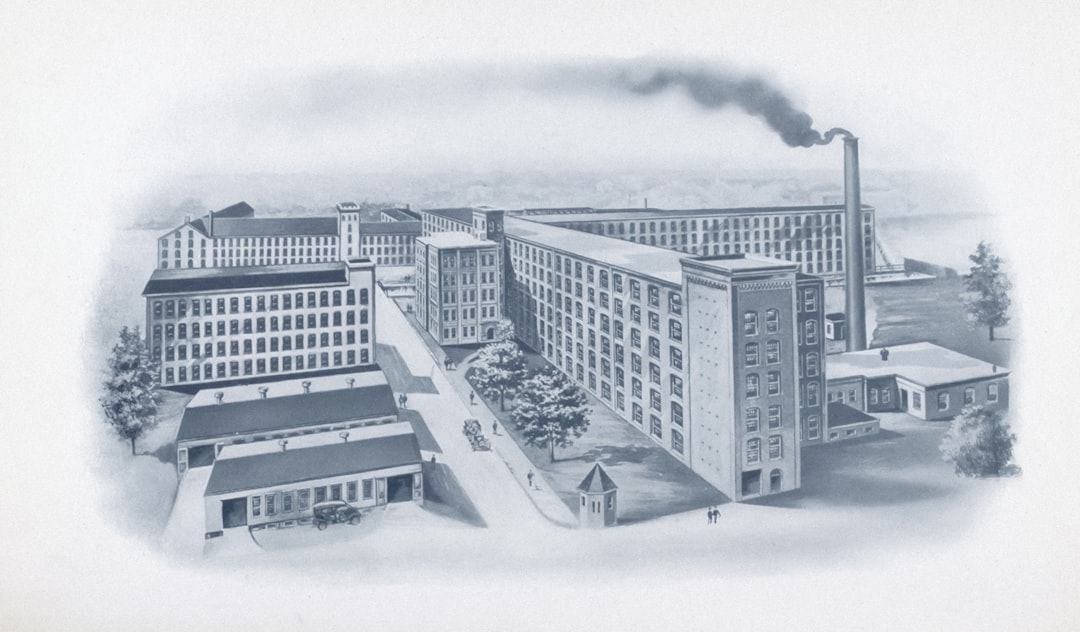
To solve this, companies started developing standardized processes and clear reporting lines. The military model proved influential—it emphasized order, discipline, and chain of command. You can still see echoes of this approach in traditional hierarchies today.
When Efficiency Became King
The late 1800s brought Frederic Taylor and scientific management—or “Taylorism”—which revolutionized how work was organized. His core belief? Every task could be broken down, timed, analyzed, and optimized for maximum output. Time-and-motion studies became common practice, aiming to eliminate waste at every turn.
Taylorism wasn’t universally loved (some called it dehumanizing), but its impact was undeniable. For the first time, businesses treated organization as a science rather than intuition. Managers moved from being general overseers to strategic planners focused on process optimization.
This period also saw the rise of large corporations like Standard Oil and U.S. Steel — entities too vast to manage informally. They needed formal policies, defined roles, and centralized control centers. And thus, the concept of vertical integration was born – controlling entire supply chains from raw materials to end consumers.
A New Kind of Order: Human-Centered Approaches
But then something unexpected happened in the mid-1900s. Researchers discovered that people didn’t behave like machines. Enter the Hawthorne Studies and Elton Mayo, who revealed a powerful truth: worker morale mattered just as much—if not more—than workflow charts and stopwatch measurements.
Suddenly, managers couldn’t ignore motivation, group dynamics, or workplace culture. This shift marked the beginning of behavioral theories in business organization. Concepts like job satisfaction, teamwork incentives, and participative leadership took center stage.
And alongside this came another evolution: horizontal coordination between departments instead of strict top-down control. Cross-functional teams began appearing in bigger firms, allowing faster problem-solving and better innovation cycles.
Into the Digital Era: Systems That Scale
By the 1970s and ’80s, two major forces reshaped business organization yet again:
- Technology advancements: Personal computers simplified data tracking and enabled decentralized decision-making.
- Globalization: Companies expanded internationally, requiring flexible structures that adapted to cultural differences and regulatory environments.

These changes sparked interest in matrix organizations, project-based setups, and network models. Suddenly, having a fixed org chart wasn’t enough—you needed agility. Organizations adopted flat hierarchies and empowered frontline employees with real-time access to information previously locked away in executive offices.
Let me explain why this flexibility was crucial: Markets moved faster. Consumer preferences shifted rapidly. Traditional annual planning cycles couldn’t keep pace. So, adaptive structures became essential—not just nice-to-have features.
Modern Challenges Meet Timeless Principles
Today’s world brings both opportunity and chaos. Remote workforces span continents. Gig economies blur employment definitions. Artificial intelligence automates tasks once done manually. In such conditions, what does effective business organization look like?
Well, surprisingly, some lessons remain timeless:
- Clear goals aligned across teams matter more than ever.
- Communication channels must support speed and transparency.
- Reward systems must match desired behaviors, whether collaboration or individual initiative.
Yet modern tools have transformed execution. Tools like Slack, Zoom, Trello, Notion help maintain flow despite geographical distance. Cloud computing allows everyone to work off shared platforms. Data analytics empower informed decision-making across levels.
Still, here’s where things get interesting—you can have all the technology in the world, but if your structure doesn’t align with your company’s mission or values, friction builds quickly. Remember those early guilds? Their strength came not just from skill, but shared purpose. Modern leaders would do well to remember that truth.
Bridging Past and Future: Practical Takeaways
So, whether you’re studying through courses like Business Organization or managing teams daily, consider this:
Your role isn’t just about creating checklists or drawing neat boxes on PowerPoint slides. It’s about aligning people, processes, and purposes in ways that unlock potential — while learning from the successes and failures of those who came before you.
Because ultimately, business organization isn’t static. It never has been. Just as companies adapt to change, so must the frameworks that hold them together. Embrace both tradition and transformation, clarity and creativity, consistency and responsiveness—and watch your own path unfold accordingly.