
In an age where spiritual seekers are bombarded with countless practices, philosophies, and teachers, one thing remains constant—most people still struggle to create a structured path for their own growth. Why? Because spiritual guidance isn’t just about knowledge; it’s about workflow—the way we absorb, apply, and integrate wisdom into our daily lives.

You’ve probably experienced this before: You read a powerful quote, feel deeply inspired, try to implement it for a day or two… then drift back into old habits. Sound familiar?
The Challenge With Traditional Spiritual Learning
Traditional approaches often treat spiritual development like a buffet—you pick what sounds good in the moment, but never build consistency or depth. Without a clear system, even profound teachings can get lost in the noise.
- You consume content passively
- Your insights remain scattered across notes, journals, and memories
- There’s no feedback loop to track progress
- Old patterns resurface quickly after new inspiration fades
- You may accumulate theory without experiencing true transformation
- Group settings sometimes pressure conformity rather than authentic exploration
- External timelines overshadow internal readiness
This lack of structure isn’t because you’re doing anything wrong—it’s simply a result of not having a personalized workflow designed around how your mind learns best.
Case Study #1 – David, The Busy Professional: After reading over 50 spiritual books in six months, David realized he couldn’t recall half of them. He began implementing a “One Book Per Month + Action Journal” routine, pairing each chapter with a daily experiment. Within weeks, his behavior changed measurably.
Case Study #2 – Sarah, The Workshop Hopper: She attended dozens of retreats but found herself repeating the same struggles year after year. By choosing only three mentors for an entire year instead of jumping ship every few months, she started forming deep, lasting shifts in perspective.
Case Study #3 – James, The Overthinker: He spent hours analyzing meditation techniques online but rarely practiced. Once he committed to one simple breathing exercise every morning—even for five minutes—he noticed clearer thinking and reduced anxiety within two weeks.
What Does Optimized Spiritual Guidance Look Like?
Imagine if every piece of wisdom you encountered was immediately filtered through a personal lens: What does this mean for me? How do I put it into practice today? When will I know if it’s working?
“Wisdom is not gained all at once, but drop by drop—like rain.” —Unknown
That’s the core idea behind optimizing your spiritual guidance workflow. Rather than waiting for enlightenment to strike, you design a repeatable process that turns inspiration into transformation.
Why does this matter? Because cognitive science shows that spaced repetition and active engagement dramatically increase retention and behavioral change. Passive consumption creates temporary interest; active application builds lasting identity.
How exactly does this work? Think of your brain like soil. Seeds (insights) need water (practice), light (reflection), and patience (time) to grow. If you keep planting without tending, nothing takes root. A workflow ensures cultivation happens systematically.

Digital Tools vs. Analog Systems: Which Works Better?
Let’s face it—there are two main camps when it comes to organizing spiritual learning:
- Digital Enthusiasts: They love apps, planners, and tracking software. Every reflection logged, every intention scheduled.
- Analog Lovers: These folks prefer pen on paper, handwritten reflections, physical books, and tactile reminders.
Both work—but which suits YOU better depends on your natural tendencies and lifestyle.
Digital Advantages
- Easy searchability across past entries
- Automated reminders and scheduling features
- Syncing between devices keeps everything accessible
- Templates and pre-built structures save setup time
- Data visualization tools help spot trends in mood or energy levels
- Audio integrations allow listening during commute or chores
- Cloud backups protect against loss of important materials
However… digital overwhelm is real. Too many notifications or too much data can actually distract from inner focus rather than support it.
Analog Benefits
- Slower pace encourages deeper processing
- Physical act of writing activates memory more effectively
- No risk of tech crashes or account lockouts
- Creates tangible archive of personal growth journey
- Reduced screen fatigue improves mental clarity
- Handwriting engages different neural pathways associated with creativity
- Visible progress provides psychological reinforcement
But let’s be honest—without discipline, pages go blank and notebooks pile up unread.
Building Your Own Custom Workflow
The beauty of self-guided learning is that there’s no one-size-fits-all approach. What matters most is building a sustainable cycle tailored to YOUR rhythm.
Here’s how to break it down:
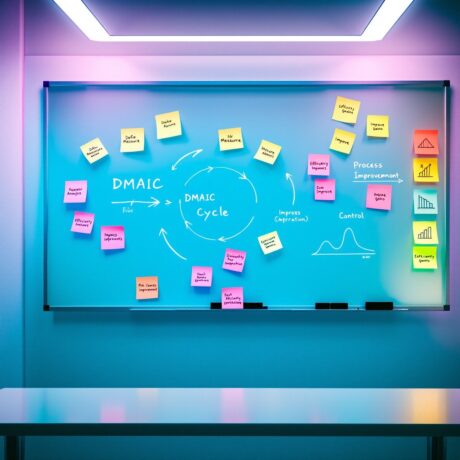
- Input Phase: Choose a limited set of high-quality sources (books, podcasts, courses)
- Reflection Phase: Capture key takeaways using your preferred method
- Action Phase: Pick one insight per week to actively apply
- Evaluation Phase: Observe outcomes, adjust course as needed
By repeating this loop weekly, monthly, or quarterly—you begin to see long-term shifts, not just short-lived spikes of motivation.
Tip: Create themed cycles (e.g., “Month of Gratitude,” “Quarter of Silence”) to give shape to your practice without boxing yourself in permanently.
New Subsection: Choosing Quality Inputs Intentionally
Not all resources are equal—and neither are your receptivity windows. Consider these factors:
- Author credibility and lived experience
- Alignment with your current stage of development
- Presentation format (narrative, dialogue, instruction)
- Frequency and accessibility of updates/revisions
Ask yourself: Does this resource challenge my assumptions constructively—or reinforce biases comfortably?
New Subsection: Reflection Phase Best Practices
Beyond capturing words, aim to distill meaning:
- Paraphrase major points in your own language
- Note emotional reactions beside intellectual understanding
- Draw visual symbols or diagrams where applicable
- Link concepts to recent events in your life
Warning: Don’t mistake highlighting quotes for comprehension. True absorption requires synthesis—not collection.
Real-Life Example: Maria’s Journey From Scattered Seeker to Mindful Mentor
Maria used to jump from podcast to retreat to guru-led program—and never felt any lasting change. She decided to streamline her approach by choosing just three trusted sources each quarter and committing to journal responses afterward.
She started small—writing just three sentences each night:
- One concept that resonated
- One action she wanted to test tomorrow
- One question she carried forward
Within months, she had become someone others turned to—not because she knew everything, but because she spoke clearly from consistent experience.
Expanded Case Study: Maria also introduced a weekly review session where she revisited previous reflections, noting which ideas had faded and which had evolved. This helped her refine her filter for future input selection.
Another Example – Alex: Struggling with consistency, Alex created sticky-note prompts based on his morning readings and placed them strategically throughout his home. Each prompt triggered mini-reflections, keeping him engaged without requiring extra journaling time.
Third Case Study – Linda: As a parent, Linda lacked uninterrupted time for extended practice. She developed a “Five-Minute Friday” ritual—reviewing her week’s learnings aloud during a mindful walk, allowing her children to overhear and occasionally participate.
Self-Study Resources That Support This Methodology
If you’re ready to experiment, start with these versatile tools:
- Guided reflection prompts (either written or audio-based)
- Time-blocking planners focused on habit integration
- Community forums or accountability partners for feedback loops
- Progress trackers for emotional awareness or mindfulness practice frequency
- Mood diaries that cross-reference practices with emotional states
- Simple timer apps to maintain consistency in brief exercises
- Digital whiteboards for mapping connections between lessons
And don’t overlook formal education opportunities like Spiritual Guidance, which walks learners step-by-step through creating meaningful connections between ancient wisdom and modern life.
Common Pitfalls to Avoid
Even with the best intentions, certain traps can derail your progress:
- Rushing implementation: Jumping into multiple practices at once leads to burnout and confusion
- Perfectionism: If you miss a day or forget a ritual, starting over “properly” becomes easier than continuing imperfectly
- Over-indexing on external validation: Seeking approval from teachers or communities can obscure your unique inner voice
- Consumption addiction: Endlessly researching while avoiding actual integration
- Idealizing outcomes: Expecting dramatic changes too fast causes disappointment
- Neglecting physical care: Spiritual hunger unbalanced by bodily nourishment leaves gaps in holistic wellness
The solution? Build flexibility into your system. Let rituals adapt with you—not restrict you.
How to Make It Stick Long Term
A great workflow doesn’t demand constant effort—it becomes part of who you are. Here’s how to anchor it in everyday life:
- Create micro-habits tied to existing routines (e.g., breathe consciously while brushing teeth)
- Schedule “review moments” once a week to evaluate insights and challenges
- Rotate focus areas annually so you avoid stagnation
- Align practices with seasonal rhythms or cultural celebrations
- Tie milestones to real-life transitions (job changes, relationship shifts)
- Document progress through photos, mementos, or memory journals
Think less about rigid schedules—and more about rhythmic patterns that pulse beneath your days.
New Subsection: Adapting to Life Changes
Major transitions (marriage, illness, relocation) offer fresh lenses for old truths. Instead of forcing continuity, consider redesign:
- Simplify practices temporarily until stability returns
- Introduce new frameworks that match altered circumstances
- Revisit previously discarded methods with newfound relevance
This dynamic flexibility prevents regression under stress.
Putting It All Together
To recap, streamlining your spiritual guidance process means:
- Choosing quality inputs intentionally
- Capturing reflections consistently
- Testing insights practically
- Monitoring results reflectively
Whether you lean toward digital simplicity or analog intimacy, the goal is always the same—to move steadily toward alignment between your highest values and lived reality.
You already possess everything you need inside. With a thoughtful workflow, you’ll finally unlock what’s been waiting to emerge all along.
Found this helpful? Bookmark this page now—you’ll want to return here whenever your practice feels stuck or stagnant.