

You’re sitting under an olive tree in Jordan, sipping mint tea, effortlessly chatting with the locals in their native tongue. Sounds dreamy? It’s more achievable than you think—especially when sustainability meets language learning. Today, we’ll explore how diving into Beginner Arabic not only connects you to 400 million speakers worldwide but also aligns with environmentally conscious choices.

What Exactly Is Beginner Arabic?
Beginner Arabic refers to the foundational stage of learning the Arabic language. At this level, learners focus on building core skills like basic pronunciation, essential vocabulary, simple grammar structures, and everyday conversational phrases. Think of it as planting seeds—you’re laying down the roots that will help your linguistic garden bloom later.
Language is the roadmap of culture; beginner Arabic opens the door to one of the world’s richest traditions.
This first step isn’t just about memorizing words—it’s about connecting with millions of people across diverse regions, from Morocco to Iraq, who speak various dialects rooted in Modern Standard Arabic (MSA).
Why Should You Care About Sustainability in Language Learning?
Good question! Let’s zoom out for a second. When we talk about sustainability today, we usually picture solar panels or reusable bags. But there’s another layer—cultural sustainability. By choosing to learn Beginner Arabic, you’re supporting cultural exchange, preserving endangered dialectss, and reducing digital pollution caused by short-lived content platforms.
- Promotes long-term global communication
- Reduces overreliance on translation software
- Encourages deep engagement rather than passive consumption
- Helps preserve linguistic diversity
Plus, many popular online courses now emphasize eco-friendly practices—like minimizing data-heavy videos or using low-energy hosting options—which makes sustainable language learning even easier.
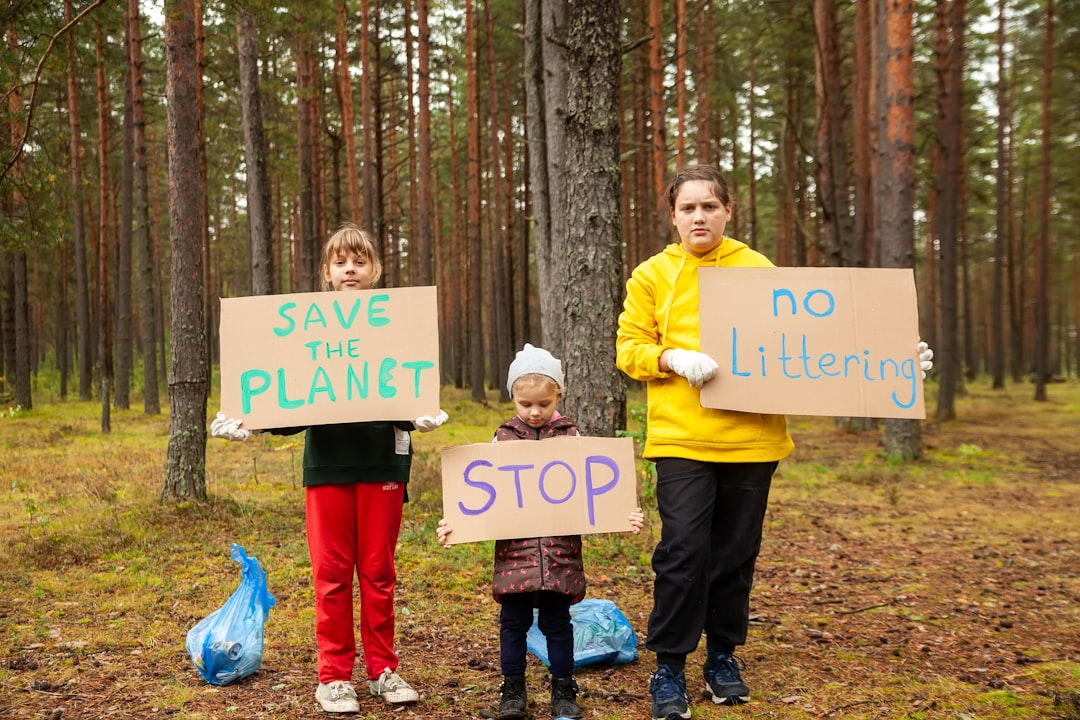
How Does Learning Arabic Connect With Environmental Awareness?
Believe it or not, language and the environment are closer than you’d expect. In the Arab world, traditional knowledge around desert agriculture, water conservation, and sustainable living has been passed down through generations primarily via spoken word. By understanding Beginner Arabic, you gain access to these time-tested wisdoms firsthand.
Imagine reading ancient texts about oasis farming techniques—or having conversations with Bedouin communities about climate adaptation strategies—all without needing a translator!
Is Beginner Arabic Harder Than Other Languages?
If you come from an English-speaking background, yes—it may feel challenging at first. The script flows differently, sounds foreign, and the grammar can seem intricate compared to Romance languages. But here’s the thing:
- Start small – Master greetings, numbers, and self-introductions
- Use immersive media – Listen to podcasts, watch subtitled shows
- Practice consistently – Even 15 minutes daily beats marathon sessions weekly
- Find community – Join groups where practice feels less pressure, more progress
And remember, every expert was once a beginner. The journey matters more than speed—and if you enjoy it, you’ll stick with it longer, making it truly sustainable.
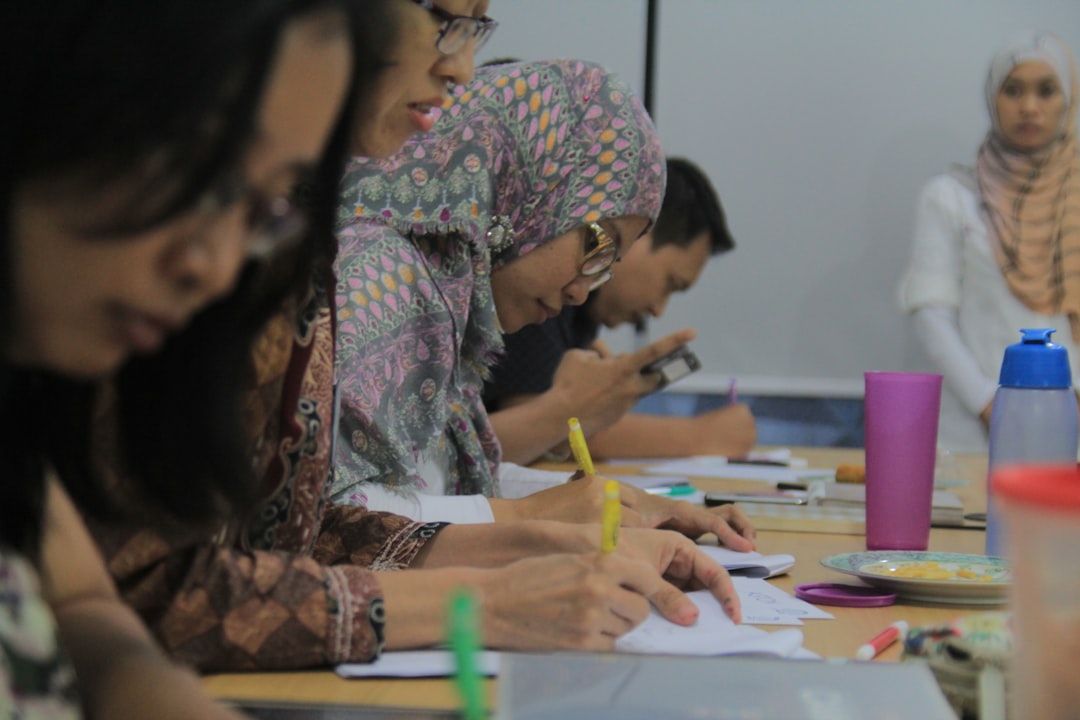
Can I Learn Beginner Arabic Without Spending Too Much?
Absolutely. There are countless free resources available—from YouTube tutorials and open-access textbooks to language exchange apps where you trade practice time with native speakers. Sustainability doesn’t mean cutting corners—it means finding quality methods that don’t burn through your budget or waste energy.
- Free mobile apps focused on bite-sized lessons
- Digital flashcards for spaced repetition
- Crowdsourced dictionaries updated by real users
- Public domain audio books and stories in simplified Arabic
Investing wisely in your learning path ensures longevity—not just financially, but motivationally too. And when you do choose paid services, look for those aligned with green initiatives or social causes.
Does Beginner Arabic Have Regional Variations?
Yes—and it’s part of what makes it fascinating. While Modern Standard Arabic (MSA) serves as the formal written base used in news and literature, spoken dialects vary widely from country to country. For instance:
- Egyptian Arabic is understood broadly due to its presence in films and music
- Gulf dialects incorporate unique expressions influenced by local customs
- Moroccan Darija includes French loanwords reflecting colonial history
As a beginner, starting with MSA gives you flexibility—you’ll understand written content better and be able to adapt to multiple dialects over time. Consider enrolling in a structured course like Beginner Arabic which introduces both fundamentals and practical exposure to regional differences.
What Are Some Sustainable Tools for Learning Arabic?
In our tech-driven age, sustainable tools aren’t limited to wind farms—they extend to ethical digital habits too. Look for platforms that offer offline downloads, minimal data usage, or carbon-neutral operations. As you advance in Beginner Arabic, here are some sustainable strategies:
- Offline-capable apps reduce server strain during peak hours
- Voice-based exercises conserve battery life while improving speaking skills
- Minimalist interface designs save processing power and eye fatigue
- Text-only modes cut bandwidth use while focusing attention on meaning
By selecting mindful tools, you reduce your environmental footprint while enhancing retention—a win-win approach to lifelong learning.
How Long Before I See Real Progress in Beginner Arabic?
This varies depending on consistency, method, and personal commitment—but most learners start forming simple sentences within 2–3 months. That said, true fluency develops over years. However, sustainable learning isn’t measured solely by speed—it’s about creating lasting habits that endure beyond cramming phases.
Think of it like composting: small consistent efforts compound into something powerful. Similarly, practicing five minutes each day adds up to over 30 hours annually—an impressive investment in any skill, especially one as rich and globally relevant as Beginner Arabic.
Are There Cultural Benefits Beyond Just Communication?
Oh yes! Immersing yourself in Beginner Arabic exposes you to centuries of poetry, philosophy, science, and storytelling traditions. These aren’t just pretty metaphors—they carry values of hospitality, respect, and community resilience embedded deeply in Arab culture.
Learning the language helps build empathy, fosters cross-cultural curiosity, and strengthens diplomatic ties—all quietly contributing to a more harmonious planet. Isn’t that worth investing in?
Final Thoughts: A Journey Worth Taking Sustainably
Whether you’re aiming to connect with distant relatives, travel independently, or simply challenge yourself intellectually, Beginner Arabic offers far more than syntax and phonetics—it offers relevance in a rapidly globalizing world while respecting ecological mindfulness.
So why wait? Start exploring how this beautiful, versatile language can enrich not just your mind, but your footprint too.
Know someone else interested in meaningful self-improvement or sustainable lifestyle changes? Share this article—they might discover their next favorite pursuit!


