

You wake up late again, slap on some foundation to cover the tiredness, down a cup of coffee, and head out the door. Sound familiar? For many career changers, mornings are a blur of routine—until they discover something different. Something that doesn’t require hiding behind makeup or expensive creams. That something? Face Yoga.

Let’s back up.
If you’ve ever caught your reflection mid-frown and thought, “Is this really how I want to age?”—you’re not alone. And if you’ve also been looking for a fresh start, maybe even a career pivot that aligns with wellness, self-care, and helping others feel better in their skin… well, welcome to the world of Face Yoga. It’s not just about stretching facial muscles anymore—it’s becoming a full-blown movement, breaking into mainstream wellness channels, and opening new paths for people ready to shift careers.
The Old Way vs. The New Way
Once upon a time, facial care meant creams, injections, surgery—and big price tags. It was an exclusive club where only those with deep pockets could afford to look refreshed or youthful. But let’s be honest: most of us aren’t made for Botox budgets.
- Old Approach: High-cost treatments, rigid beauty standards, inaccessible techniques
- New Approach: Low-barrier entry, holistic practices, community-driven methods
This is where Face Yoga shines—not as some fleeting trend, but as a practice rooted in intentionality and empowerment. Think of it like going from hiring a personal trainer to doing bodyweight workouts in your living room. Accessible. Empowering. Transformative.
So why does shifting toward a more accessible model matter so much? Because wellness should never be reserved for the privileged. When we make tools like Face Yoga widely available, we allow people from all walks of life to reclaim ownership over their appearance and emotional wellbeing. This inclusivity fuels innovation too—because new voices bring new questions, ideas, and perspectives that push the field forward.
Additionally, there’s scientific backing supporting muscle toning through targeted exercise—including facial muscles. Just like lifting weights builds strength elsewhere in our bodies, repetitive movements can stimulate blood flow and increase collagen production in facial tissue, contributing to plumper-looking skin and defined features naturally.
Comparatively speaking, while plastic surgery offers immediate results, those outcomes often fade unless procedures are maintained regularly. In contrast, consistent practice of facial exercises provides sustainable benefits over time. Plus, unlike invasive treatments that carry risks such as nerve damage or infection, Face Yoga poses minimal risk when practiced correctly.
Another key distinction lies in mindset: traditional cosmetic interventions focus primarily on altering external appearances, sometimes masking underlying stressors or dissatisfaction. Meanwhile, Face Yoga encourages users to engage mindfully with themselves—to pause, breathe, observe tension patterns, and consciously choose responses rather than reacting unconsciously throughout the day.
Why does this matter? Because mindfulness creates lasting behavior shifts. By bringing attention to habitual expressions like frowning or squinting, you develop awareness that enables change. When people realize that their resting face reflects ongoing tension, they often become motivated to take proactive steps toward relief—not just aesthetic improvement.
Furthermore, Face Yoga integrates seamlessly with other modalities such as massage therapy, speech pathology, and even psychotherapy. A growing number of professionals use it alongside cognitive behavioral techniques to address anxiety-related facial tension—the kind that shows clearly in tight lips, raised brows, or clenched jaws.
What Exactly IS Face Yoga?
Let’s clear the air: no chanting or incense required (unless you want it).
Face Yoga involves using specific facial movements and expressions to tone muscles, improve circulation, reduce tension, and promote relaxation. Just like traditional yoga connects breath with movement to support overall health, Face Yoga uses mindful expression to foster emotional balance and physical changes—like smoother skin, improved facial symmetry, and reduced signs of stress.
“It’s not anti-aging; it’s pro-expression.”
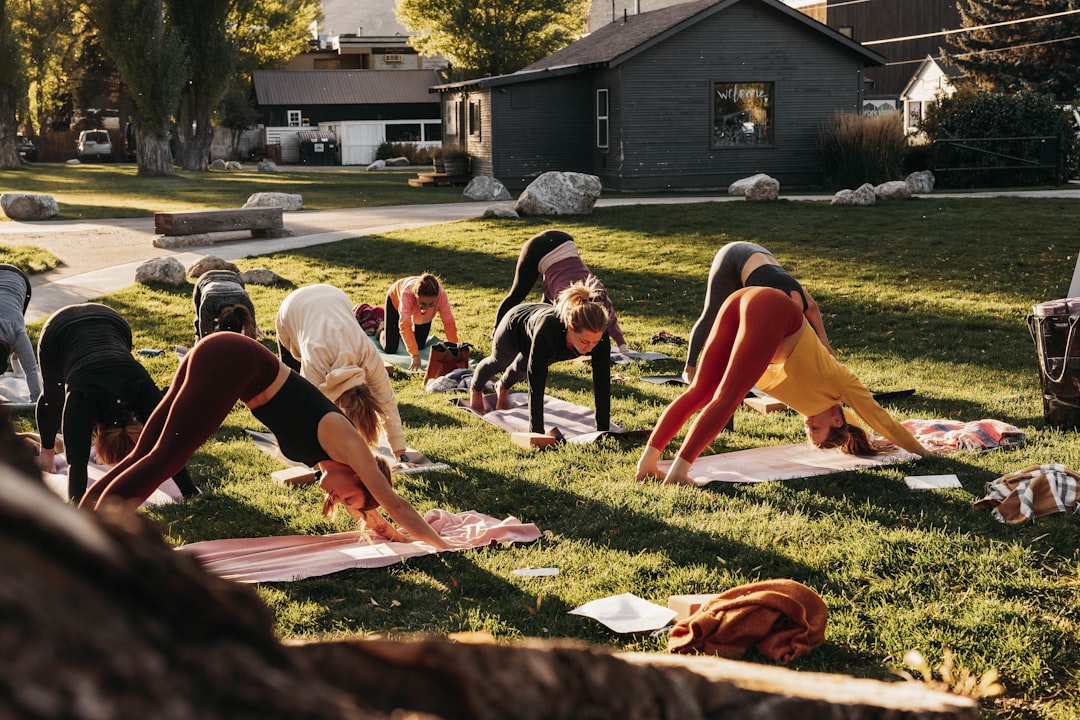
And yes, people are making careers out of teaching these techniques now. Not just part-time side gigs either—we’re talking full-time jobs, online memberships, virtual workshops, certification programs, and even hybrid corporate-wellness offerings. So whether you’re switching from HR to healing arts, marketing to mindfulness coaching, or finance to fitness—you can absolutely bring your strengths along with you.
Breaking Down Barriers to Entry
One of the most exciting parts of Face Yoga’s rise is how easy it is to get started—even professionally. Unlike many industries that demand years of schooling or thousands in tuition, Face Yoga has democratized itself through accessibility:
- No formal education required: You don’t need a license or degree to begin learning
- Low startup costs: All you need is a webcam and internet connection to start teaching
- Growing demand: As wellness gains traction, so does interest in natural skincare solutions
- Digital-first approach: Online communities and video-based instruction lower geographic barriers
Short training courses available: Many platforms offer beginner certifications
If you’ve worked in customer service or management, you already understand empathy and engagement—skills that translate beautifully here. Have experience in sales? Your ability to connect with audiences will help when promoting sessions or creating content. Are you tech-savvy or creative? There are endless ways to build a digital brand around Face Yoga that feels uniquely yours.
But let’s dig deeper into what makes this transition truly achievable:
- Transferable communication skills: Whether presenting data points in boardrooms or guiding clients through poses, effective verbal delivery enhances credibility
- Emotional intelligence advantages: Recognizing micro-expressions helps tailor guidance based on individual needs—key for both private coaching and large-group settings
- Adaptability mindset: Since trends evolve rapidly in wellness spaces, being open to feedback ensures continuous growth
- Digital marketing savvy: Even basic SEO or email-list knowledge gives instructors leverage in reaching new students
- Instructor certification bonuses: Graduating from recognized institutions boosts professionalism and attracts serious learners
However, caution is warranted. Before launching anything publicly, ensure you receive proper foundational training. Misinformation abounds online—and missteps early on can erode trust later. Consider investing in accredited courses endorsed by recognized practitioners, joining peer groups for accountability, and always test routines personally before recommending them to others.
Even experienced instructors advise against rushing into public platforms right away. Start small—offer free sessions to friends, record yourself performing poses accurately, study anatomy diagrams closely. Mastery isn’t instant, nor should it be treated lightly. The human face contains over 40 muscles; understanding how they interact requires patience and persistence.
Real People, Real Transitions
You might think that Face Yoga instructors come exclusively from yoga studios or spas—but they don’t. Here are a few inspiring career shifts worth noting:
- A former project manager runs her own virtual Face Yoga membership site
- An ex-accountant now teaches corporate teams during lunch breaks
- A retired nurse offers in-person workshops focusing on post-mastectomy recovery
- A stay-at-home parent turned influencer shares daily routines via social media
Each path looks different because each person brings something unique to the table. The best part? Most say it felt less like starting over—and more like finally showing up authentically.
Here’s one compelling example of real-life transformation:
Case Study #1: Sarah Chen spent a decade climbing the legal ladder before burnout led her to seek mental clarity through meditation and eventually Face Yoga. After completing a six-week certification program, she launched her blog and began offering short Zoom classes at $20 per session. Within two months, word-of-mouth referrals enabled her to charge premium rates and secure partnerships with local gyms interested in diversifying their wellness menus.
Case Study #2: David Martinez left corporate IT frustrated by endless meetings and stagnant growth opportunities. His analytical nature gave him an edge once he started documenting pose efficacy via video breakdowns shared across TikTok—a strategy that netted over 100K followers within four months. Now he monetizes his expertise through sponsored posts and premium tutorials priced between $49-$97 each.
Case Study #3: Maria Santos faced chronic migraines following a car accident five years ago. Her physical therapist introduced her to gentle neck-releasing moves which evolved into full-face sequences targeting TMJ discomfort. Today, she combines manual therapy knowledge with expressive practices to run specialized workshops for trauma survivors—an underserved niche commanding higher hourly fees thanks to niche marketing strategies like attending health expos catering specifically to post-injury populations.
But wait—there’s more proof that this journey works for all sorts of backgrounds:
Case Study #4: James Liu previously taught high school history for nearly a decade. When budget cuts hit his district hard, he explored alternative income streams. Inspired by student testimonials about improved focus after classroom mini-sessions, James created a curriculum integrating mindful expressions into lesson plans. He now trains educators nationwide on blending movement with core subjects—an increasingly popular trend among schools emphasizing student wellbeing.
Case Study #5: Priya Patel transitioned from software engineering to remote instruction after realizing how much burnout affected female colleagues. She noticed subtle eye strain and clench-jaw issues common among coders and used her coding skills to create custom apps tracking weekly expression logs. Now she leads monthly virtual retreats tailored for desk-bound workers, combining guided meditations and ergonomic stretches focused entirely on facial and neck tension.
Case Study #6: Lisa Nguyen moved countries twice chasing professional advancement before settling into freelance writing. She found solace in morning rituals involving intentional smiles and brow lifts while journaling. Eventually turning those practices into themed workshops called “Morning Glow,” Lisa partnered with Airbnb Experiences to offer global travelers immersive self-care sessions grounded in facial wellness principles—blending cultural storytelling with hands-on demonstration.
These stories highlight important truths about successful transitions into wellness professions generally—and particularly within Face Yoga specifically:
- Leveraging past experiences increases confidence and relatability
- Community connection accelerates visibility and income
- Niche positioning allows differentiation without massive scale
- Combining complementary skillsets generates innovative offerings
- Personal resonance fuels consistency and long-term commitment
Here’s the thing—you already have valuable skills. You’ve navigated change before, managed relationships, solved problems under pressure. Why not channel those gifts into something aligned with your values today?
Is This Right For YOU?
Let me ask you straight-up:
- Do you enjoy helping others feel good?
- Are you curious about alternative approaches to wellness?
- Do you want flexibility and autonomy in your work life?
- Would you love waking up excited to do meaningful work?
If any of that resonates, then Face Yoga might be more than just another wellness fad—it could be your next career move. And guess what? You don’t have to go it alone.
To explore foundational techniques, consider checking out resources like the Face Yoga course, which walks beginners through basic poses, breathing exercises, and practical tips for developing confidence quickly.

Challenges Along the Way
Sure, it sounds great—but nothing worth pursuing comes without obstacles. While Face Yoga opens doors, it also demands resilience and adaptability.
- Pricing challenges: Clients may initially undervalue non-invasive services
- Educational skepticism: Some struggle to see its legitimacy compared to medical aesthetics
- Self-promotion fatigue: Marketing takes time, especially in saturated markets
- Cultural stigma: Facial expressions viewed differently across regions or generations
But remember: every industry had doubters at first. What matters isn’t avoiding all setbacks, but knowing how to navigate them strategically—with consistency, creativity, and compassion.
Managing Client Expectations
Because outcomes vary individually due to factors like lifestyle habits, hydration levels, genetic predisposition, and adherence frequency, managing expectations upfront proves critical. Frame practice goals realistically—as part of broader wellness goals—not miracle cures. Document progress visually whenever possible through before-and-after photos taken consistently under similar lighting conditions. Transparency builds long-term loyalty far more effectively than exaggerated claims ever could.
Moreover, emphasize the gradual nature of improvements. Just as with physical fitness, transformation occurs layer by layer. Encourage participants to track not only visual changes but also subjective feelings—less forehead creasing, lighter jaw tension, increased awareness of unconscious gestures—all positive indicators that deserve recognition.
Dealing with Criticism
As visibility increases, so inevitably does scrutiny—from peers questioning methodology depth to strangers commenting negatively on platforms frequented by beauty-focused demographics. Arm yourself mentally by grounding your motivation internally instead of seeking validation externally. Surround yourself with supportive mentors who encourage curiosity rather than conformity. Remember: pioneers rarely march unchallenged—they simply learn faster than critics ever imagined possible.
Create boundaries intentionally. Not everyone needs access to your thoughts or opinions. Limit exposure to toxic comment sections and prioritize quality interactions over sheer volume. Develop thick skin gradually through practice—not perfectionism.
Staying Motivated Long-Term
Entrepreneurial journeys involve inevitable plateaus where motivation dips unexpectedly despite visible progress elsewhere. Combat stagnation proactively by scheduling quarterly goal reviews assessing revenue metrics alongside personal satisfaction indicators. Incorporate ongoing education through workshops, books, podcasts—whatever keeps inspiration flowing sustainably long after initial excitement fades.
Beyond financial targets, define success holistically. Perhaps it means sleeping better or laughing louder with family. Maybe growth looks like mentoring newcomers or publishing research findings. Whatever form it takes, anchoring identity beyond titles ensures longevity regardless of market fluctuations.
Your Journey Starts With One Expression
Imagine this. Instead of reaching for concealer, you stretch gently upward with purpose. Rather than complaining about jaw tension, you roll your eyes slowly to release built-up stress. Over time, you notice fewer lines, firmer cheeks, deeper cheekbones—and more importantly, a sense of calm that radiates outward into everything else.
Now imagine sharing that peace with others. Teaching someone else to unlock their potential—whether it’s mental clarity, renewed energy, or simply joy in front of the mirror—that’s impact.
So whether you’re scrolling through LinkedIn wondering what comes next, or sitting in silence questioning your passion—I invite you to try a posture. Lift your eyebrows, open wide, smile fully. Feel the sensation. Then ask yourself:
Could this be the beginning of something bigger?
If the answer feels like a breath of fresh air—then the world needs more people like you spreading light, ease, and transformation—one smile at a time.
Know someone who’s been thinking about changing direction—or searching for a spark to reignite their purpose? Share this story. Who knows? Maybe they’ll thank you later—for giving them permission to explore something new.