

What if I told you that mastering just five foundational skills could transform your photos from flat and forgettable to dynamic and compelling?
We often get caught up chasing expensive gear, filters, or trends, but the truth is—great photography starts long before you press the shutter. It begins with understanding the core principles that govern how light behaves, how composition guides the eye, and how intention shapes every frame.
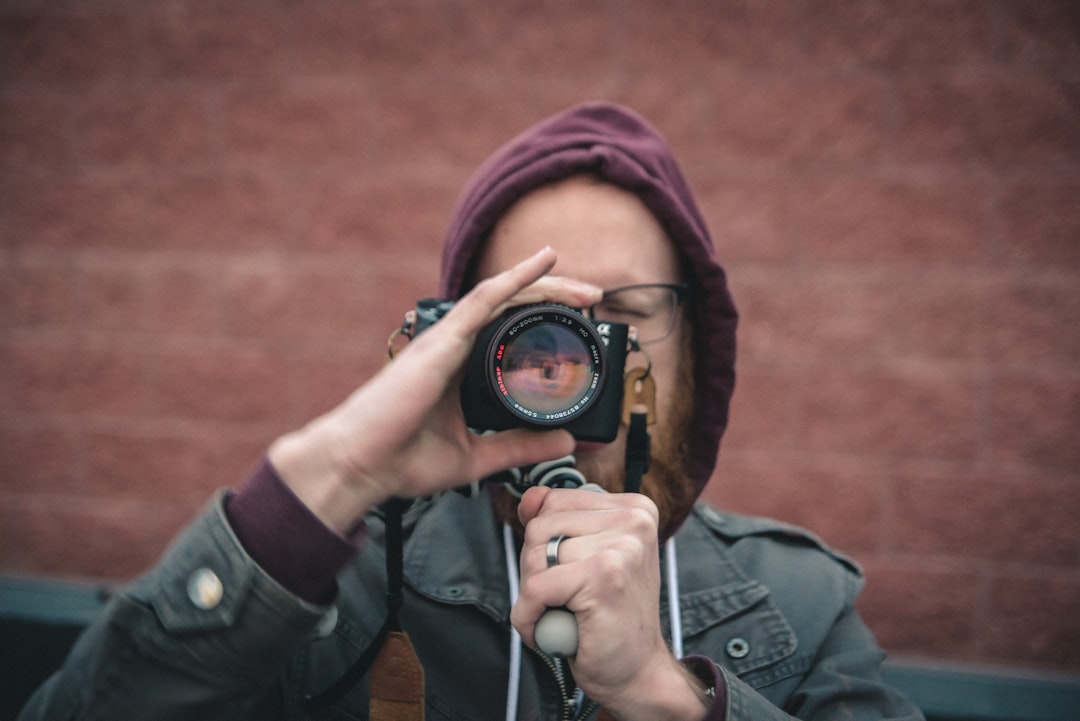
The Essential Framework of Great Photography
If you’ve been shooting for a while now, you probably already know how to hold a camera and adjust basic settings. But do you truly understand why those adjustments matter? That’s where this guide comes in: we’re diving deep into the fundamentals—the ones many intermediate shooters still gloss over without realizing it.
This isn’t about speed; it’s about strength. Each skill builds on the last, creating a solid foundation that supports everything else you’ll ever learn in photography.
1. Understanding Exposure Triangle Dynamics
You’ve heard the term “exposure triangle” countless times—but have you really internalized what each component does and how they work together?
- Aperture: Controls depth of field and light intake.
- Shutter Speed: Determines motion blur and exposure time.
- ISO: Adjusts sensor sensitivity, affecting noise levels.
Here’s an analogy: imagine cooking a perfect meal. Aperture is the temperature (heat affects texture), shutter speed is timing (how long ingredients stay in the pan), and ISO is spice level—you want just enough to enhance flavor without overpowering it.
Begin by practicing in manual mode until these relationships become second nature. Try recreating the same exposure using different combinations of the three elements. You’ll start seeing creative possibilities in every shot.
2. Harnessing Light Like a Pro

Light is your paintbrush—and knowing when and how to use it changes everything. Many photographers wait for ideal conditions before shooting, but learning to see and manipulate existing light opens up endless opportunities.
“Photography is all about controlling light.” – Unknown Source
Start noticing how light moves throughout the day. Observe its quality during golden hours versus midday harshness. Then experiment with reflectors, diffusers, or even household lamps to shape available light to suit your vision.
Want a quick win? Shoot backlit subjects intentionally instead of avoiding them. Silhouettes, rim lighting, flares—they add drama most beginners never consider possible indoors or outdoors.
3. Composition Principles That Actually Work
Most articles throw rules at you—rule of thirds, leading lines, framing. These are useful starting points, but true mastery lies in breaking the rules with purpose.
Instead of memorizing formulas, focus on two core goals:
- Telling a story clearly within the frame.
- Moving the viewer’s eye through the image intentionally.
A great way to train this intuition? Analyze images you love daily—not just photographs, but paintings, movies, advertisements. Notice how negative space guides attention or how symmetry evokes calm. Soon, your own compositions will feel more deliberate, regardless of subject matter.
4. Mastering Focus Techniques

Crisp focus can make or break a photo—and yet so many photographers rely purely on auto modes without exploring advanced options like zone AF or back-button focusing. Intermediate explorers should dive into custom focus settings tailored to their shooting style.
For example:
- Landscape photographers benefit from hyperfocal distance focusing.
- Portrait shooters need precise single-point autofocus locked onto eyes.
- Action photographers thrive with continuous tracking modes.
Take time to practice switching between these modes manually. This muscle memory gives you control under pressure, whether capturing fleeting moments or crafting slow-exposure artistry.
5. Developing Post-Processing Awareness
Even film photographers understood that processing was part of creation. In digital photography, post-processing isn’t cheating—it’s completion.
However, many fall into two traps:
- Over-editing out of insecurity (trying to fix poor technique).
- Under-editing out of fear (leaving potential untapped).
Your goal as an emerging visual storyteller is balance. Begin with global adjustments—exposure, contrast, shadows/highlights—before moving into color grading and local edits. And always shoot RAW—a format that preserves detail and flexibility in post.
Remember, editing starts the moment you compose the shot, not after you download the image.
Bridging Basics with Bold Vision
Once these fundamental skills click into place, something magical happens: technical limitations fade away, replaced by creative confidence. Instead of asking “How did they do that?” you begin to think, “I wonder what would happen if…”
This shift marks the transition from hobbyist to artist. It doesn’t require better equipment or flashier presets—it requires intentional repetition of the basics until they become instinctual.
Curious to go deeper? Consider taking our comprehensive course: Photography Fundamentals. Whether you’re looking to refine current knowledge or build from scratch, this resource walks you step-by-step through essential foundations grounded in real-world application.
The journey toward becoming a stronger visual communicator has only begun. As you continue refining these core skills, remember that every master was once a beginner who refused to give up on understanding the fundamentals deeply.