

You’ve seen them—the tour guides who command attention with just a raised eyebrow, effortlessly weaving stories that make ancient ruins feel alive. They don’t just show you landmarks; they transport you into history itself. But how do they get there?
Welcome to the world of Tourism and Guiding, where storytelling meets logistics, charisma blends with cultural fluency, and mastery isn’t handed out—it’s earned.
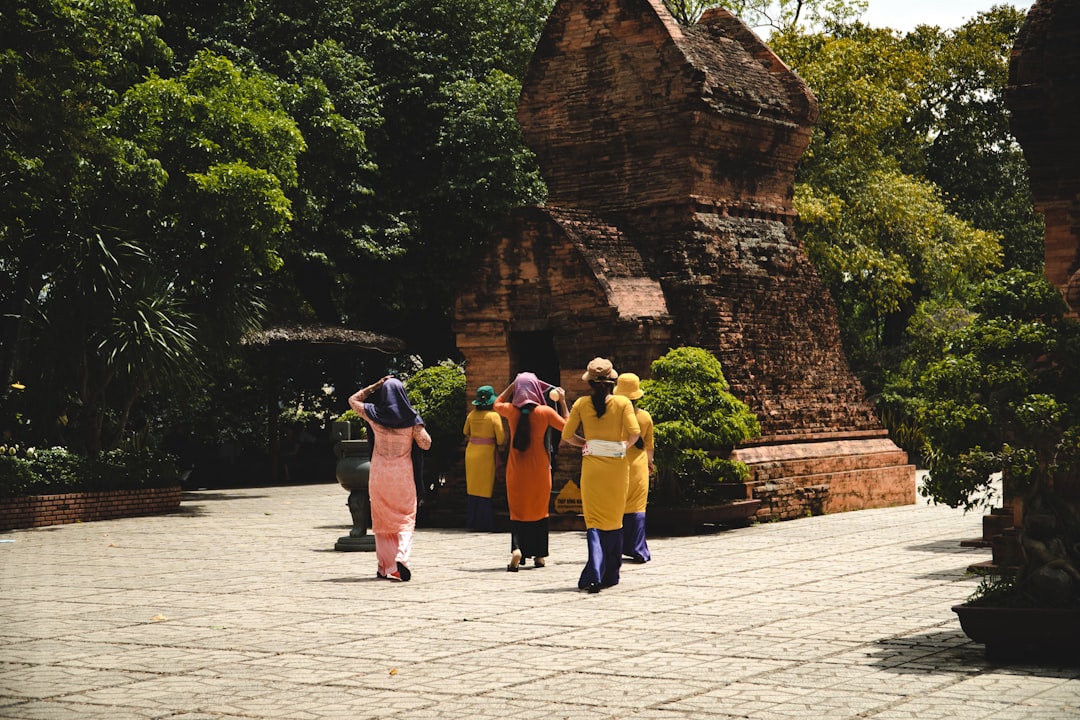
Myth #1: Anyone Who Loves Travel Can Be a Tour Guide
Wrong. Just because you’ve visited six continents doesn’t qualify you to lead tours through them. Think about it like this—would you trust someone who speaks three languages to translate nuclear physics? Probably not.
Being passionate about travel is just the tip of the iceberg. Behind every great guide lies:
- A deep understanding of local culture and customs
- Safety protocols sharper than your morning coffee
- Communication skills smoother than a well-rehearsed script
- An encyclopedic knowledge base (but without being boring)
- Adaptability under unpredictable circumstances
- The ability to tailor information to different audience types—from families with children to academic researchers
- Strong organizational skills for managing bookings, contracts, and permits
- Empathy and emotional regulation when dealing with diverse personalities
- Resilience against burnout caused by irregular schedules and seasonal fluctuations
- Problem-solving intuition developed through exposure to real-life scenarios
Tourism and guiding is as much an art form as it is a service industry—it requires finesse, precision, and emotional intelligence most travelers never consider.
Real-world example: Maria Gutierrez, a former museum docent in Mexico City, spent two years volunteering before transitioning to paid city walking tours. She studied pre-Columbian anthropology formally and practiced her narratives dozens of times before launching her own business. Her methodical approach allowed her to handle complex questions with confidence and charm.
Additional Case Study: Hiroshi Tanaka, a Tokyo tour operator, took nearly four years to develop his signature “modern meets traditional” walking tour. He collaborated with artisans, restaurant owners, and historians to ensure authenticity. His success came from layering centuries-old traditions onto contemporary narratives—a strategy that resonated strongly with millennial tourists seeking experiential travel.
Another Notable Example: In South Africa, Zanele Mokoena trained extensively in conflict resolution and intercultural facilitation before becoming a guide at Robben Island. Understanding the weight of apartheid history, she ensured that each visit was handled sensitively and educationally, helping international visitors process difficult truths through structured dialogue and reflection exercises.
Why does this matter? Because credibility is built over time. A tourist whisperer may captivate once, but a true expert holds attention repeatedly—and safely. Moreover, professionalism fosters trust, which translates to better reviews, repeat clients, and stronger partnerships with local stakeholders.
So What Exactly Does Tourism and Guiding Entail?
Let’s break it down simply:
- Cultural Interpretation: You’re not just reciting facts. You’re interpreting traditions, behaviors, and events so that visitors connect emotionally with their experience.
- Logistics Management: Juggling timing, routes, meals, emergencies—all while keeping the group happy and safe.
- Guest Psychology: Reading moods, handling complaints diplomatically, and turning skeptics into raving fans.
- Educational Facilitation: Making learning fun, whether it’s medieval history or marine biology.
- Brand Stewardship: Representing destinations ethically and responsibly, ensuring minimal impact on communities and environments.
- Digital Integration: Utilizing multimedia resources, interactive maps, QR codes, or augmented reality features to enhance storytelling.
- Risk Mitigation: Preparing contingency plans, maintaining emergency contacts, and carrying first aid supplies where necessary.
This job isn’t about showing off your passport stamps—it’s about crafting unforgettable human experiences.
Case Study: In New Zealand, adventure guide Jake Morrison once had to reroute a kayak expedition after a sudden storm closed access to Milford Sound. Instead of canceling, he offered a spontaneous bird-watching session near Kaikoura—an unexpected highlight none of his guests had planned for. The result? Rave reviews and higher rebooking rates.
Another Success Story: During a guided architecture tour in Barcelona, Elena Jiménez noticed several elderly participants struggling with steep cobblestones. She quickly adjusted pacing, introduced seated rest points, and provided printed materials in larger font sizes. This empathetic response led to glowing testimonials and requests for inclusive tour variants aimed at senior travelers.
Real-Life Scenario: A tour company in Morocco saw rising cancellations due to cultural misunderstandings around photography rules inside religious sites. Their solution involved mandatory orientation sessions explaining respectful conduct beforehand. As a result, guest satisfaction rose dramatically, and local community leaders began recommending them as a “culturally conscious” choice.
How exactly does this work? By developing what we call “flexible scripting”—having prepared alternatives that still align with the core purpose of the tour. It transforms disruptions into moments of delight. This adaptability stems from anticipating common challenges and rehearsing solutions ahead of time, reducing stress and enhancing guest confidence in your expertise.
How Do You Actually Become Competent in This Field?
If you’re starting from scratch, don’t panic. Becoming even moderately good at tourism and guiding follows a clear path if you know which steps matter:
- Learn the Basics: Understand basic geography, historical timelines, environmental awareness, and customer service fundamentals.
- Get Certified: Many regions offer certification courses tailored for aspiring guides. These often cover legal responsibilities, guiding ethics, and risk management.
- Practice Storytelling: Guides are entertainers first. Take classes in public speaking, improvisation, or join storytelling clubs to sharpen your flair.
- Know Your Locales Deeply: Visit museums, talk to locals, walk neighborhoods until you discover hidden gems others miss.
- Develop Tech Literacy: Modern guides use GPS systems, mobile apps, and sometimes augmented reality tools. Comfort with technology enhances guest engagement.
- Build Multilingual Capabilities: Even conversational proficiency in additional languages expands your market reach significantly.
- Hone Physical Endurance: Many tours require stamina—for hiking, standing long periods, or dealing with changing weather conditions.
- Master Nonverbal Communication: Eye contact, posture, gestures, and spatial awareness can amplify or undermine verbal messages.
- Cultivate Active Listening Habits: Pay attention to subtle cues from guests about fatigue levels, interests, or concerns.
- Understand Accessibility Needs: Familiarize yourself with wheelchair-accessible paths, sensory considerations, and alternative activity suggestions.
- Engage in Continuous Learning: Subscribe to industry journals, attend conferences, or enroll in advanced workshops periodically.
And remember: nobody becomes an expert overnight. Even seasoned pros revisit training materials, refresh certifications, and stay curious learners.
Best Practice Tip: Keep a digital logbook or journal documenting each trip—including what worked, what didn’t, and client reactions. Over time, this becomes an invaluable self-improvement tool.
Practical Suggestion: Create mock feedback forms similar to those used by actual clients. Fill them out honestly after every practice run or trial tour to identify areas needing refinement.
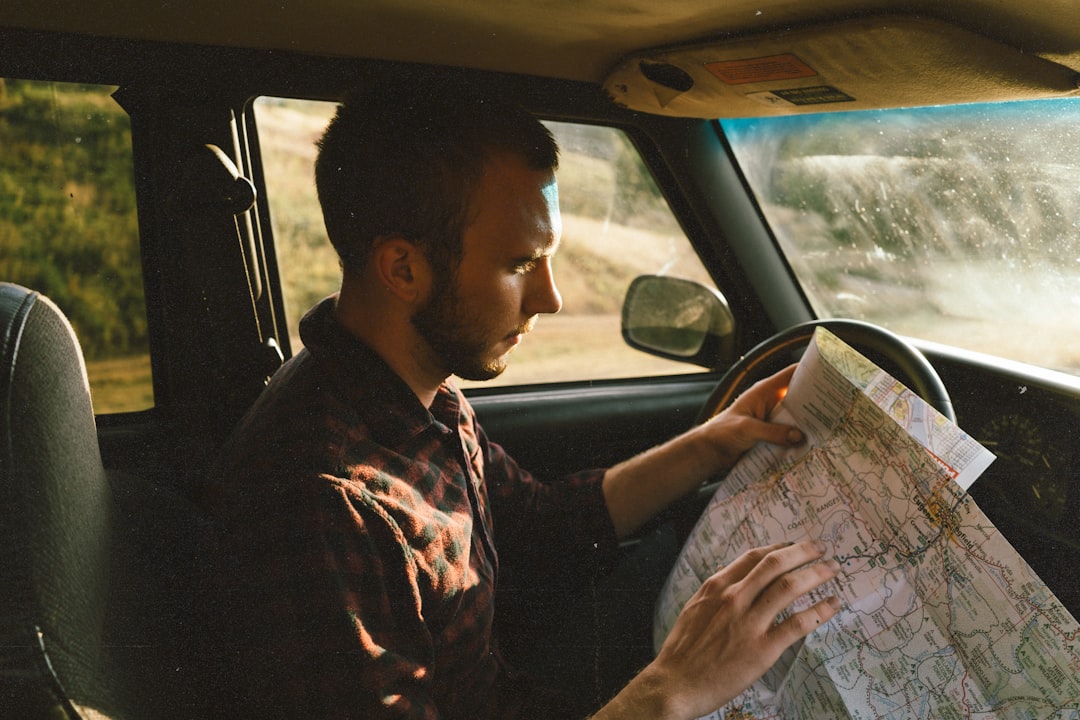
Myth #2: Once You’re Good, You’re Set Forever
Some believe mastering tourism and guiding means coasting through life giving tours like a pro DJ spinning old hits. Reality check: trends shift faster than airport menus.
Today’s savvy traveler expects:
- Digital engagement during visits via apps or augmented reality
- Eco-conscious practices woven seamlessly into tours
- Inclusivity standards that respect all identities and abilities
- Personalization based on individual interests—not canned scripts
- Transparency regarding accessibility options and accommodations needed
- Real-time updates shared through social media or direct communication channels
- Options for hybrid formats combining virtual previews with in-person exploration
- Authentic local partnerships instead of generic vendor relationships
- Crisis resilience strategies backed by updated insurance policies
- Ethical labor practices demonstrated through fair wages and transparency
To evolve beyond competence and toward expertise, you must constantly adapt. That includes investing in continuing education, staying tech-literate, and updating your soft skills regularly.
Example: Lars Thorne, a Scandinavian wildlife guide, integrated real-time wildlife data feeds into his phone app so guests could track animal movements live during safari-style excursions. This innovation drastically improved guest satisfaction scores and attracted a younger demographic eager for high-tech immersion.
New Example: Sofia Reyes, a Buenos Aires street food tour guide, implemented carbon offsetting contributions into her pricing model. Each participant received a certificate detailing how their contribution helped fund tree planting initiatives in the Amazon region. This eco-initiative boosted brand loyalty and attracted environmentally aware clientele.
Further Insight: In Bali, Dewa Putra transformed his Hindu cultural tours by incorporating mindfulness rituals and guided meditations at sacred sites. This fusion of spirituality and education drew wellness-focused travelers who valued introspective experiences alongside sightseeing.
How exactly does continuous evolution pay off? Innovators gain competitive advantages by meeting unmet needs and setting benchmarks that rivals struggle to match. Clients appreciate forward-thinking guides who invest in improving quality rather than cutting corners for quick profits.
What Sets Experts Apart From Average Guides?
Besides knowing obscure trivia and having perfect attendance, true experts share these traits:
- Anticipation Skills: Great guides can predict when guests will tire, lose interest, or get hungry—and plan accordingly.
- Improvisational Genius: When buses break down or rain cancels outdoor plans, experts pivot gracefully rather than panic.
- Emotional Resonance: They craft narratives that tap into people’s emotions—nostalgia, wonder, curiosity—not just data dumps.
- Leadership Presence: Whether managing a large group or diffusing tension, they exude calm authority.
- Data-Informed Insights: Top-tier guides analyze post-tour surveys, Google Analytics traffic patterns, or booking trends to refine offerings continuously.
- Global Perspective Meets Local Nuance: They integrate global context with hyperlocal details—making foreign concepts relatable without losing authenticity.
- Narrative Layering: Weaving multiple storylines together creates richer, more immersive experiences.
- Feedback Responsiveness: Proactively collecting and acting on criticism shows commitment to excellence.
- Genuine Enthusiasm: Passion is contagious; top guides infect guests with excitement for discovery.
These aren’t innate talents—they’re developed habits refined through repetition, feedback, and reflection.
Comparison Insight: Consider two hypothetical guides covering the same route—one reads from notes, while the other connects dots between architectural styles, political climates, and personal stories behind iconic landmarks. Guess which one gets more bookings next season?
Deeper Analysis: Superior guides distinguish themselves by thinking beyond surface-level descriptions—they anticipate questions, provide layered explanations, and offer analogies that resonate universally. This depth ensures content sticks longer in memory, encouraging positive reviews and word-of-mouth promotion.
Are There Different Kinds of Tour Guides Anyway?
Absolutely. And each niche calls for specialized knowledge and delivery styles.
- Walking City Guides: Master street layouts, urban legends, architecture details, and foot safety.
- Nature & Wildlife Guides: Know ecosystems, animal tracking signs, conservation challenges, and leave-no-trace principles.
- Museum/Cultural Site Guides: Fluent in curatorial methods, interpretive techniques, and period-specific etiquette.
- Adventure Activity Leaders: Trained in technical skills like rock climbing rigging, paddling rescue procedures, or hiking trail navigation.
- Cruise Ship Guides: Skilled at concise storytelling within confined spaces and short stops ashore.
- Luxury Concierge Guides: Blend hospitality expertise with insider access and personalized itineraries.
- Educational Field Trip Leaders: Combine teaching methodologies with hands-on activities suitable for students of various ages.
- Corporate Retreat Facilitators: Focus on team-building objectives aligned with business goals during destination planning.
- Virtual Tour Specialists: Deliver engaging presentations using high-quality video production tools and interactive software interfaces.
- Themed Experience Creators: Design fantasy worlds, mystery games, or themed adventures that blur fiction with reality.
You don’t need to master everything—but specializing increases both demand and income potential.
Warning: Avoid trying to diversify too quickly. Focused specialization leads to stronger branding, deeper expertise, and greater word-of-mouth referrals.
Strategic Note: Choose a niche aligned with your passions and existing skillset. For instance, if you already have teaching experience, transitioning into educational field trips might be easier than diving straight into adrenaline-fueled extreme sports leadership roles.
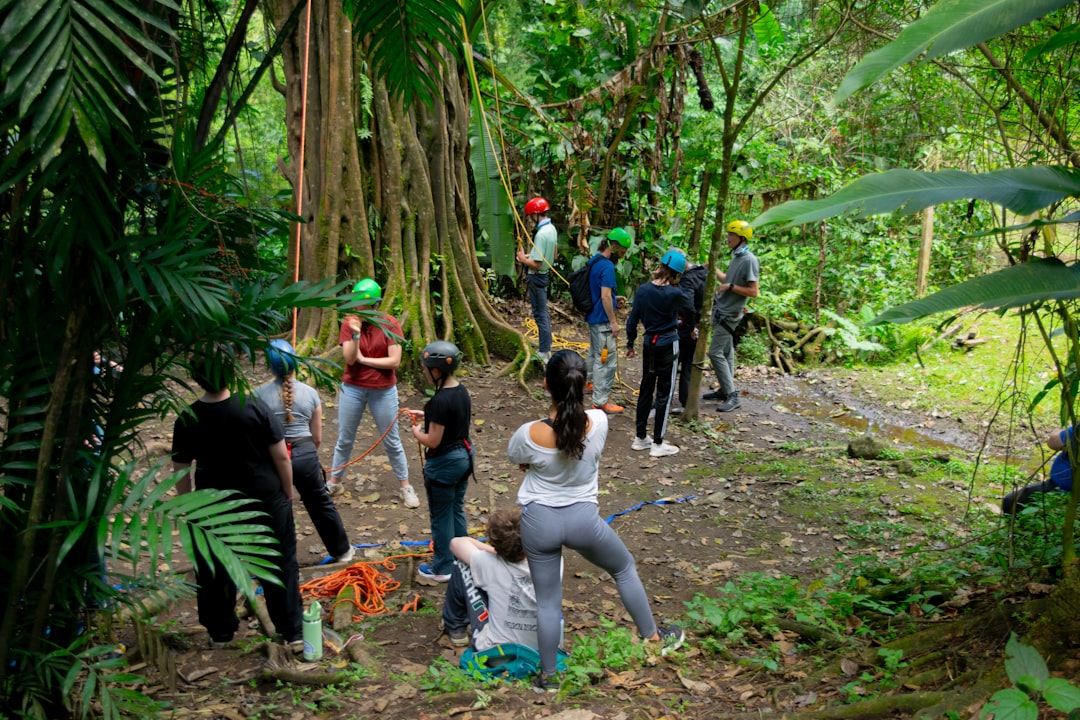
Can Anyone Make a Decent Living Doing This?
Yes—if you build the right mix of skills, networks, and reputation.
Freelancing gives flexibility; working full-time with tour operators provides stability. Some guides also monetize through blogs, YouTube channels, or publishing travel books later in their careers.
The key? Never stop marketing yourself—not obnoxiously, but by building genuine relationships and consistently delivering value. Happy clients become repeat customers and enthusiastic referrals.
Case Study: Emma Chen turned seasonal nature guiding in Banff National Park into year-round success by creating educational workshops during winter months and partnering with local schools for field trips. Now she runs a thriving small agency focused on family-friendly outdoor adventures.
Success Story Continued: After gaining traction domestically, Emma expanded internationally by joining a global network of certified guides. Through this platform, she secured assignments in Patagonia and Iceland, allowing her to scale revenue streams beyond Canadian borders.
Financial Benchmark: Full-time professional guides earn widely depending on region and niche—but median annual incomes range from $35,000-$70,000 USD, with top earners surpassing $100,000 annually when factoring in bonuses, commissions, and secondary ventures such as merchandise sales or online courses.
Where Should Beginners Start Learning?
Glad you asked. While real-world practice matters immensely, solid foundational knowledge makes that experience count more.
Consider exploring structured learning platforms like our comprehensive course offering detailed modules on guiding ethics, storytelling techniques, and sustainable tourism practices. For those ready to dive deeper, Tourism and Guiding offers a practical roadmap designed by field insiders.
Outside formal programs, immerse yourself daily. Read nonfiction accounts, listen to podcasts featuring veteran guides sharing hard-won lessons, volunteer at local heritage sites, or shadow experienced professionals whenever possible.
New Subsection: Mentorship Matters
Finding a mentor accelerates growth far beyond solo learning. Seek someone whose guiding style resonates with yours and request informal coaching sessions, ride-alongs, or debrief conversations after your early attempts.
Real World Application: Miguel Santos credits his rise from trainee to award-winning Portuguese coastal guide largely to his mentor Ana Costa. Her honest critiques and structured mentorship gave him clarity on strengths and blind spots alike. Regular mentoring meetings helped Miguel avoid rookie mistakes and accelerate career development milestones.
Final Thoughts: From Novice to Authority Figure Is Possible
Whether you see yourself leading eco-tours across remote islands or guiding VIP corporate retreats downtown, excellence in tourism and guiding starts with humility, curiosity, and relentless improvement.
It’s not glamorous every day. There’ll be rainy excursions, grumpy passengers, last-minute itinerary changes, and tight margins. Yet when you spark joy in someone discovering somewhere new for the first time—you’ll understand why many call this profession a calling.
Bookmark this page now—because somewhere along your journey from novice to expert, you’ll want to come back and remind yourself why you started.


