

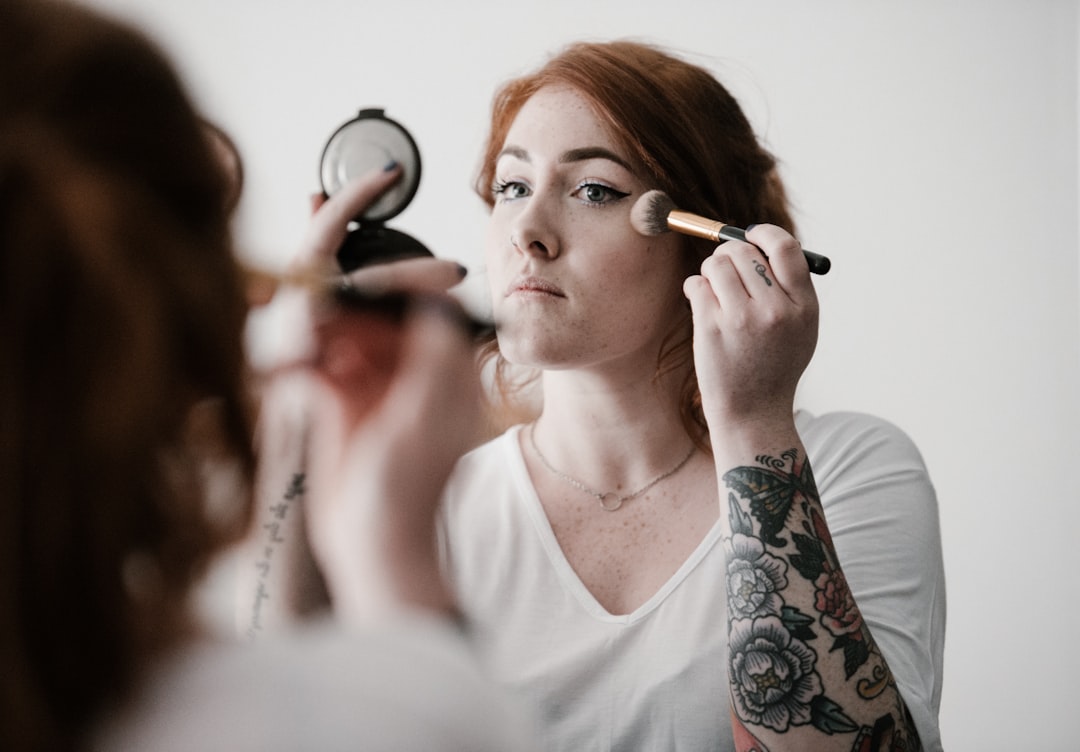
Sarah stared at her reflection in the mirror, lipstick in hand, wondering how she’d ended up here—reapplying her client’s lip color for the fourth time during a sweltering summer photoshoot. Three years ago, she was crunching numbers in a corporate office. Today, she’s a freelance makeup artist building a name for herself in bridal and editorial work.
The pivot wasn’t easy, but it was worth it.
If you’ve ever considered switching careers into makeup, you’re not alone. Many people are drawn to this creative field—but are unsure how to start, let alone build something sustainable long-term. Let’s walk through four common challenges career changers face—and realistic paths forward.
The Problem: You Think You Need to Be an Artist to Start
You don’t.
Yes, being artistic helps—but many successful makeup artists come from backgrounds as diverse as teaching, customer service, retail, or even engineering. The real skills are learning how to apply products effectively and understanding skin undertones, textures, and lighting.
- Transferable Skills: Listening, attention to detail, communication
- Creative Exposure: Watching tutorials counts!
- Confidence Builder: Practice on friends, family, or mannequins first
Starting doesn’t mean perfection. It means curiosity—and consistency.
Case Study: Maria’s Path From IT Analyst to Prosthetics Artist
Maria spent over a decade working in tech support. Her transition into makeup began when she volunteered on indie horror films. Despite not knowing anything about sculpting foam latex or using liquid latex adhesives, her analytical mindset helped her understand facial proportions and character breakdowns faster than many art school graduates. Within two years, she became one of the top prosthetics artists in regional film circles—simply because she asked questions, took notes, and never gave up when projects failed.
Case Study: James’s Journey From Retail Manager to Celebrity MUA
James managed a cosmetics counter at Nordstrom for eight years before moving behind the camera full-time. His background taught him consumer behavior and brand storytelling. He used those insights to become excellent at translating his clients’ personal styles into wearable looks. After creating viral makeup content with influencers, he started getting requests from A-list celebrities ahead of award seasons. Today, he splits his time between red carpet events and mentoring new artists.
Case Study: Anna’s Transition From Accountant to Bridal Artist
Anna’s meticulous nature in accounting translated seamlessly into precise makeup application. She took night classes while still employed full-time and practiced on willing coworkers. Her methodical approach allowed her to track and refine every step of her routine until perfection became habitual. Within eighteen months, she booked over fifty weddings annually, charging premium prices due to her flawless execution and punctuality.
Case Study: Roberto’s Pivot From Chef to Special Effects Maestro
Roberto’s culinary expertise gave him a deep appreciation for texture and layering—skills highly transferable to sculptural makeup effects. He studied anatomy through online courses and recreated classic movie creatures using edible molds and safe theatrical glues adapted from kitchen tools. His food industry contacts also helped source ingredients for organic-based prosthetics recipes, giving him an edge in eco-conscious filmmaking circles.
Case Study: Priya’s Evolution From HR Executive to Corporate Image Consultant
Priya understood that appearance plays a key role in professional confidence and perception. Leveraging her HR experience, she developed personalized grooming workshops for executives preparing for big presentations or media appearances. Her empathetic coaching style and strategic use of subtle enhancements made her invaluable to C-suite clients concerned with image control but wary of looking overdone.
Why Does This Matter?
You might feel unqualified if your previous job involved spreadsheets instead of sketchbooks, but life experiences shape your perspective. Every role brings its own type of rigor, precision, and interpersonal skills—exactly what professional makeup work demands.
How Exactly Does This Work?
Transitioning into makeup requires you to build technical knowledge alongside emotional intelligence. While YouTube and Instagram provide endless inspiration, structured education provides the foundation needed to avoid costly mistakes. For instance, learning proper sanitation protocols prevents infections, and understanding color theory improves your ability to correct discoloration under various lights.
Additional Practical Tips:
- Use mirrors strategically: Train yourself to see things others miss—like uneven eyebrows or patchy blending.
- Keep a journal: Track every job: what worked, what didn’t, and areas for improvement.
- Shadow experienced artists: Offer free assistance on shoots in exchange for mentorship opportunities.
- Stay updated: Follow beauty industry leaders online and attend virtual masterclasses regularly.
- Create test pieces: Build a library of looks outside client settings to experiment freely.
- Invest in good lighting: Natural daylight mimicking bulbs will show true results compared to harsh fluorescents.
- Master skin prep rituals: Understanding primer types and skincare basics increases longevity and comfort.
Starting doesn’t mean perfection. It means curiosity—and consistency.
Practical Tip:
Invest time in foundational knowledge rather than expensive brushes or palettes. Courses like those offered at Makeup provide structured guidance that self-teaching often lacks.
The Problem: No Industry Network = Stuck Progress
This is where most new artists feel overwhelmed.
You may know your contour from your highlighter, but without visibility, your talent stays hidden. This isn’t unique to makeup—it happens in every industry. But unlike other fields, makeup has a strong visual culture that rewards collaboration and sharing.
“Your network becomes your net worth.” – While cliché, it’s deeply true in creative industries.
Here’s what actually works:
- Build genuine relationships on social media by commenting thoughtfully—not just posting endlessly
- Attend local beauty events or pop-ups
- Collaborate with photographers, stylists, and models early—even unpaid gigs help
- Create before-and-after posts showcasing transformations
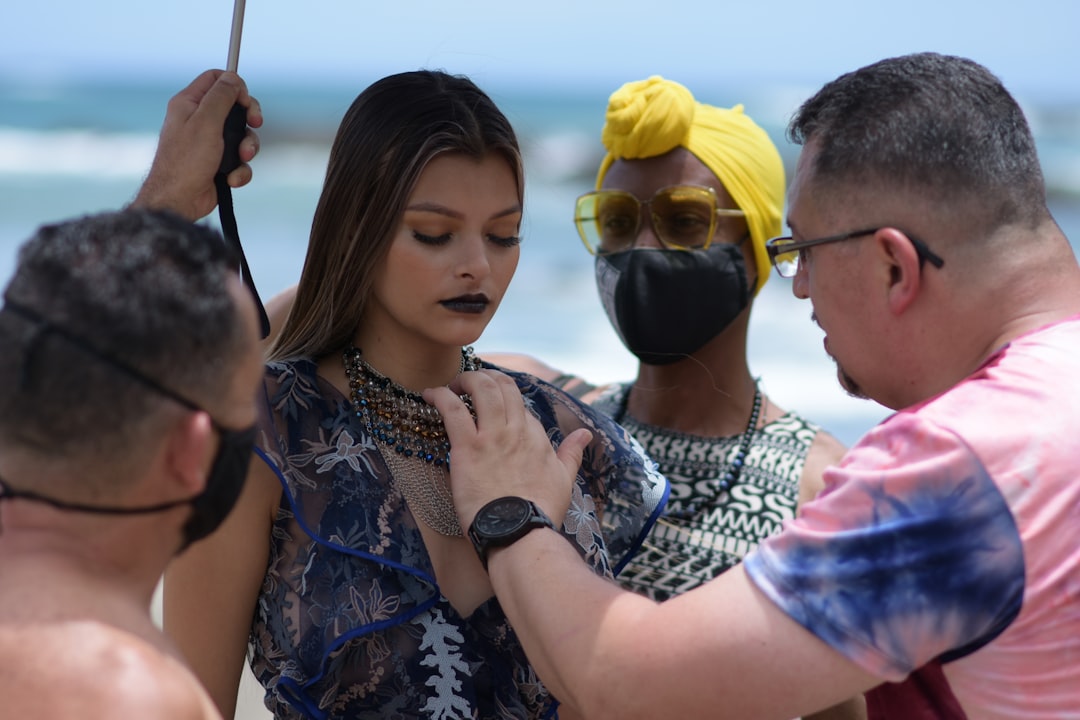
Think of networking less as selling, more as connecting. People want to work with others they trust—and trust comes through interaction, not ads.
Case Study: Elena’s Rise Through Collaboration
Elena, once a corporate trainer in finance, entered makeup through her love for bold lip colors. Rather than going solo, she partnered with emerging fashion photographers and hairstylists in her city. They shared costs, cross-promoted each other, and submitted collaborative portfolios together. These partnerships opened doors to bigger clients and eventually landed her a spot on set for several national magazines.
Case Study: David’s Digital Networking Strategy
Digital marketer turned makeup artist David leveraged LinkedIn to find production companies needing freelancers. Instead of cold-emailing agencies, he reached out to casting directors with concise, well-thought-out messages highlighting his attention to deadlines and adaptability—skills valued highly in fast-paced environments. This approach earned him multiple repeat bookings in commercial productions within six months.
Case Study: Lisa’s Community-Centered Success Story
Lisa, previously a middle school teacher, noticed a gap in bridal makeup education. She created a monthly workshop series combining beginner technique lessons with practice sessions. Over time, participants turned into loyal clients and later, referral sources. Now, she runs both wedding makeup services and mini classes simultaneously—an income model that gives stability while allowing flexibility.
Case Study: Maya’s Strategic Cross-Promotion Efforts
Maya specialized in makeup for dancers and performers, knowing their needs differed greatly from standard portraiture subjects. She connected with dance studios and performing arts centers, offering discounted rates in exchange for featuring her services on their websites and newsletters. Simultaneously, she invited choreographers and costume designers to participate in themed creative shoots, which resulted in dynamic content appealing to both artistic and commercial sectors.
Case Study: Kai’s Mentorship Circle Approach
Kai established a small mentorship group comprising aspiring artists at different stages of development. By rotating leadership roles and inviting guest speakers monthly, the circle evolved organically into a respected local collective known for innovation. Members supported each other financially and professionally, pooling resources for equipment rentals and booking multi-vendor events collectively.
Case Study: Sofia’s Social Media Micro-Influencer Strategy
Sofia recognized that partnering exclusively with mega-influencers often felt impersonal. Instead, she cultivated relationships with micro-influencers in adjacent niches (wellness bloggers, modest fashion advocates) whose values aligned closely with hers. Their co-created content resonated authentically with niche audiences, resulting in higher conversion rates than typical influencer promotions seen elsewhere.
Why Does This Matter?
In makeup, reputation spreads quickly—especially in tight-knit communities like bridal markets or indie film crews. Getting recommended over competitors isn’t always about price; it’s about reliability, professionalism, and clear communication throughout the process.
How Exactly Does This Work?
Successful networking involves showing up consistently in spaces where decision-makers already spend their time. Whether that’s commenting meaningfully on fellow artists’ reels, offering to help with wardrobe changes during shoots, or sending thank-you notes after assignments, every small gesture builds recognition and goodwill.
Best Practices:
- Be specific: Share feedback like “Love how you blended that highlighter seamlessly!” instead of generic praise.
- Give credit where due: Tag collaborators clearly in social posts to increase mutual exposure.
- Create a press kit: Include high-res images, contact info, rates, testimonials, and sample workflows.
- Join unions or guilds: Organizations like IATSE or Local 706 offer training and access to exclusive job boards.
- Follow up professionally: Send personalized thank-yous after meetings or joint shoots.
- Share your process openly: Show behind-the-scenes breakdowns that help educate peers and attract clients alike.
- Engage authentically: Respond personally to comments and DMs whenever possible—people remember kindness.
The Problem: Low Pay and Unstable Income
Let’s be honest: getting started usually means low pay—or no pay—if you’re doing test shoots or volunteering to build experience.
But there are smart ways to manage income while leveling up your skills quickly.
- Bridal Work: Higher-end clients who value quality
- Retail Makeup Counters: Steady hours + product familiarity
- Beauty Schools: Teaching assistant roles offer insight into growth patterns
- Educational Content Creation: Document your journey online to attract both followers AND potential employers
Each path teaches something different. Bridals teach precision; counters teach sales; content creation teaches branding.
Case Study: Tanya’s Dual Revenue Model
Tanya, formerly a real estate agent, launched a dual revenue model combining freelance makeup services with affiliate marketing. Her website offers tutorials and product reviews featuring affiliate links. By providing genuine value, she earns commissions while promoting items relevant to her audience—making her recommendations trusted rather than pushy.
Case Study: Marcus’s Transition Through Beauty School Employment
Marcus left restaurant management to pursue makeup full-time. He secured a part-time teaching assistant position at a renowned beauty academy. While earning modest wages, he gained access to premium products, advanced tools, and direct exposure to instructors whose names were synonymous with success in the industry. Within a year, his student work portfolio rivaled that of many graduates.
Case Study: Kim’s Creative Side Hustle System
Kim supplemented her income as a makeup artist by starting a podcast focused on career transitions in beauty. Each episode featured interviews with professionals—including non-makeup roles—to show variety and inclusivity. As listenership grew, she began monetizing via sponsorships and live workshops, creating a secondary stream independent of seasonal fluctuations in makeup demand.
Case Study: Tyler’s Diversified Freelance Income Streams
Former graphic designer Tyler diversified his makeup business by branching into freelance photography retouching and beauty copywriting. Clients appreciated having one point person handle concept-to-post editing seamlessly. Additionally, he wrote beauty articles for lifestyle blogs, further establishing authority and generating consistent residual income from syndicated publications.
Case Study: Olivia’s Pop-Up Business Model Innovation
Olivia opened mobile pop-up stations inside trendy cafes and boutique hotels. Customers could book express makeup services ranging from fresh-faced looks to full glam sessions. The novelty factor drew steady foot traffic and generated recurring bookings from patrons impressed by the convenience. Partnering with venues meant low overhead costs and built-in promotional reach.
Case Study: Carlos’s Subscription-Based Service Package
Frustrated by last-minute cancellations affecting his schedule, Carlos introduced tiered subscription packages ranging from monthly touch-ups to quarterly full-face refreshes backed by priority availability slots reserved exclusively for subscribers. This strategy smoothed out irregular demand spikes and ensured consistent monthly revenue regardless of seasonal variations.
Why Does This Matter?
Financial unpredictability can derail even the most passionate beginners. Learning to diversify revenue streams ensures stability without compromising creativity. Some days you’ll prep for fashion shows; others you’ll coach newcomers or write blog posts—each contributing to your sustainability.
How Exactly Does This Work?
Revenue diversification means matching your efforts to your stage of development. Early on, prioritize paid jobs that reinforce learning objectives (e.g., bridal makeup enhances blending techniques). Later, explore passive income options such as course creation or licensing branded products once your name carries weight.
Additional Warnings & Best Practices:
- Beware of burnout: Balance demanding shoots with lower-stress tasks like inventory updates or social scheduling.
- Negotiate contracts clearly: Outline cancellation policies, travel reimbursements, and overtime terms upfront.
- Track expenses meticulously: Deductibles include kits, shipping fees, insurance premiums, and continuing education materials.
- Save for taxes quarterly: Self-employed artists typically owe 25–30% depending on location.
- Set boundaries with scope creep: Protect your time by defining deliverables clearly in initial discussions.
- Create milestone-based payment plans: Break large projects into segments to maintain cash flow.
- Offer package deals: Bundle related services (e.g., trial run + wedding day) to boost perceived value.
And speaking of branding…
The Problem: You Don’t Know How to Brand Yourself
Your portfolio can be amazing—but if nobody knows it exists, it won’t help much.
Branding isn’t about having the perfect logo. It’s clarity around who you serve, what problem you solve, and how you stand out visually and verbally.
This brings us to legacy planning.
To stay relevant beyond trends, focus on these pillars:
- Define Your Niche Early: Editorial? Bridal? Skincare-focused makeup?
- Stay Curious: Trends fade—but continuous learning keeps you adaptable
- Document Everything: Behind-the-scenes videos help audiences connect emotionally
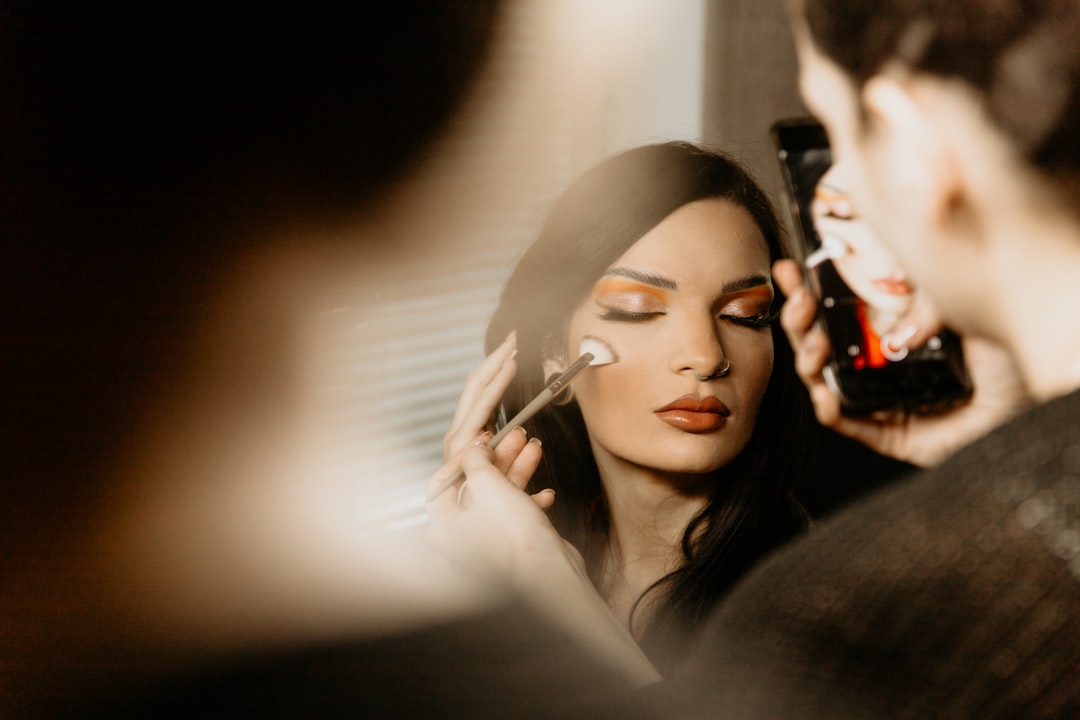
Remember Sarah from earlier? She built her brand slowly by specializing in “natural glam” looks for modern brides. That niche helped her stand out among cookie-cutter glam artists—and made her memorable when word-of-mouth referrals began flowing in.
New Subsection: The Power of Consistent Visual Identity
Visual identity goes beyond filters and fonts—it defines how viewers perceive you instantly. Choose signature colors, lighting setups, or styling cues that remain consistent across all platforms. This repetition builds subconscious recognition—a cornerstone of memorable branding.
Case Study: Amber’s Ethical Beauty Brand Fusion
Former NGO worker Amber entered makeup with a mission: promote cruelty-free brands exclusively. She curated a product line based solely on ethics and performance. Her social captions explained ingredient origins, sustainability efforts, and testing standards. This transparency resonated strongly with conscious consumers and attracted ethical fashion houses seeking responsible collaborators.
Case Study: Raj’s Technical Makeup Academy
Raj started as a mechanical engineer before entering special effects makeup. He saw a lack of scientific explanation in many traditional resources and decided to create educational videos breaking down chemistry concepts behind primers, removers, and setting sprays. His unique angle positioned him as both an artist and educator—a blend rarely found in typical MUAs, making him sought after for academic guest lectures and sponsored content deals.
Case Study: Grace’s Minimalist Approach To Glamour
Grace, previously a graphic designer, applied minimalist design principles to her makeup work. She simplified complex looks into clean lines, soft contours, and natural finishes. Her aesthetic stood out dramatically against overly filtered feeds dominated by heavy contouring. Brands wanting understated elegance turned to her for campaigns—especially targeting mature demographics who appreciated authentic aging beauty.
Case Study: Isla’s Cultural Heritage-Inspired Makeup Line
Isla infused her indigenous roots into makeup themes, drawing inspiration from ancestral motifs and earth tones. Her unique perspective attracted global fashion editors eager to represent cultural diversity respectfully. Collaborating with heritage brands elevated her status while preserving tradition through contemporary expression.
Case Study: Hugo’s Gender-Neutral Makeup Movement
Hugo challenged gender stereotypes in beauty by developing inclusive palettes suitable for any skin tone or presentation preference. His neutral color ranges and unisex packaging appealed broadly, especially among Gen Z audiences seeking authenticity over convention. This positioning garnered widespread media coverage and celebrity endorsements.
Case Study: Nadia’s Wellness-Oriented Makeup Philosophy
With a background in nutrition counseling, Nadia emphasized skin health as the foundation of beautiful makeup. She integrated facial massage techniques, mineral-based formulas, and holistic wellness tips into consultations. Clients valued her comprehensive approach which extended far beyond surface appearances.
Why Does This Matter?
A defined brand makes decision-making easier—from choosing which collaborations to accept to determining how much to charge. Without direction, artists often chase fleeting virality instead of cultivating lasting appeal. Strong branding also protects you from commoditization—you’re no longer competing purely on price, but perceived value.
How Exactly Does This Work?
Start by identifying core values (integrity, innovation, empowerment), then align every public action accordingly. If you claim to advocate body positivity, ensure diversity is visible in your casting choices. Words and visuals must reinforce each other consistently across platforms—in stories, galleries, reels, and newsletters alike.
Comparisons and Contrasts:
Unlike influencers relying heavily on aesthetics alone, branded makeup artists embed personality traits into visual storytelling. Consider whether your feed conveys confidence, warmth, edginess, or sophistication—because perception influences hiring decisions just as much as raw skill does.
Expanded Bullet List:
- Define Your Tone: Serious? Playful? Informative? Match messaging style to intended vibe.
- Establish Naming Conventions: Use consistent naming schemes for hashtags and project titles.
- Curate Team Assets: Maintain统一风格的模板、配色板和字体选择用于宣传材料。
- Plan Long-Term Campaigns: Themes spanning weeks or months deepen engagement.
- Align With Causes: Aligning with causes creates deeper connection between fans and your brand.
- Leverage Seasonality: Tie content releases to holidays, events, or seasons strategically.
- Analyze Performance Metrics: Regularly review metrics to optimize future campaign effectiveness.
- Integrate Feedback Loops: Encourage user-generated content reflecting your vision positively.
Making the Leap When You’re Terrified
You already have strengths—maybe leadership, organization, empathy, patience—that translate beautifully into client-facing creative work. What’s missing is structure.
A good course gives you that framework so you don’t waste months reinventing basics.
Makeup, for example, walks students through everything from hygiene practices to high-fashion techniques—all tailored for learners regardless of background.
Sure, it takes courage to shift gears completely. But think about it: Would you rather look back five years from now saying “I wish I had tried,” or celebrating small wins that led somewhere unexpected?
New Subsection: Overcoming Imposter Syndrome and Self-Doubt
Imposter syndrome hits hard during career shifts. Doubting whether your skills match industry expectations is normal—but limiting beliefs hold you back unnecessarily. Combat self-doubt by setting measurable goals tied to tangible outcomes, like completing certifications, securing testimonials, or mastering new techniques weekly.
Real-Life Example: Breaking Into Film With Zero Experience
Tommy left corporate HR to enter makeup, despite never owning a proper kit. He joined online forums dedicated to indie filmmakers and offered his services pro bono for short films. Each completed project added credibility and footage for his reel. Eventually, one director referred him to a larger studio, leading to his first union membership opportunity.
Case Study: Lina’s Confidence-Building Ritual
Lina combatted self-doubt by reviewing past successes recorded in a digital journal daily before beginning any new session. Seeing documented progress reminded her of capabilities acquired gradually over time rather than expecting instant mastery overnight.
Case Study: Miguel’s Accountability Partnership Framework
Miguel paired up with another transitioning artist to establish bi-weekly check-ins discussing goals, obstacles encountered, and solutions brainstormed together. Sharing accountability provided external motivation crucial for maintaining momentum during difficult phases of uncertainty.
Warning Signs to Watch For:
- Procrastinating on booking confirmed clients
- Constantly comparing your progress to others
- Pretending to know more than you do (dishonesty erodes trust)
- Avoiding investment in essential equipment due to fear
- Second-guessing decisions repeatedly post-booking
- Overcommitting to please everyone simultaneously
- Feeling anxious about putting yourself publicly vulnerable
Your Turn: Take One Step Toward Legacy Today
Take a photo today of your current makeup setup—even if it’s basic—and post it somewhere publicly with one goal: What do you want people to understand about your vision?
Then, reply below or tag someone and ask them which area of makeup they’d love to explore next.
Because legacy starts not when you’re ready—but when you decide to begin.


