

If you think giving your kid a juice box is ‘healthy’ because it’s ‘made from real fruit,’ let’s take a quick trip to Realityville. Many parents believe that as long as something sounds nutritious, it actually is. That’s the kind of thinking pediatric nutrition experts spend their days trying to unravel—gently, of course, so nobody feels judged while standing in the cereal aisle at 8 AM.

This common misconception—that kids just need smaller versions of adult meals—is only part of the problem. The deeper issue? We’ve been doing pediatric nutrition all wrong for decades. And now, science is finally catching up with smarter, more effective ways to feed our little humans.
The Old Way vs. The New Thinking: What’s Changing?
For years, the default approach was simple: give kids low-fat dairy, whole grains, fruits and veggies, and avoid sugar like it’s kryptonite. It wasn’t terrible advice—but it missed critical nuances about how children grow, develop, and metabolize nutrients differently than adults.
Pediatric nutrition isn’t just about shrinking adult diets. It’s an entirely different ballgame—and newer methods recognize that feeding a toddler is less about control and more about exploration.
Here’s where things get interesting:
- Fats aren’t foes: For decades, we demonized fats in kids’ diets. Today, experts know that healthy fats support brain development, especially during early childhood. Avocados and nut butters? They’re back on the menu.
- Kids can handle some sugar: Not saying go wild (no birthday cake for breakfast), but moderate exposure helps prevent restrictive eating habits later on.
- Structure > restriction: Newer models emphasize routines and repeated exposures rather than strict bans. This builds better relationships with food—from both sides of the high chair.
“Letting kids learn what hunger and fullness feel like leads to healthier long-term eating behaviors.”
So Why Did We Get It So Wrong?
You might be wondering, how did generations of parents mess this up? Well, blame a mix of outdated research, marketing spin, and good old-fashioned parenting anxiety. Add to that the fact that most medical schools offer barely a few hours of nutritional education—and even fewer cover pediatric-specific needs.
Plus, every child develops at their own pace. A four-year-old who gobbles broccoli one day may reject it the next. Sound familiar? Welcome to normal.
Rethinking Mealtime: A Fresh Approach
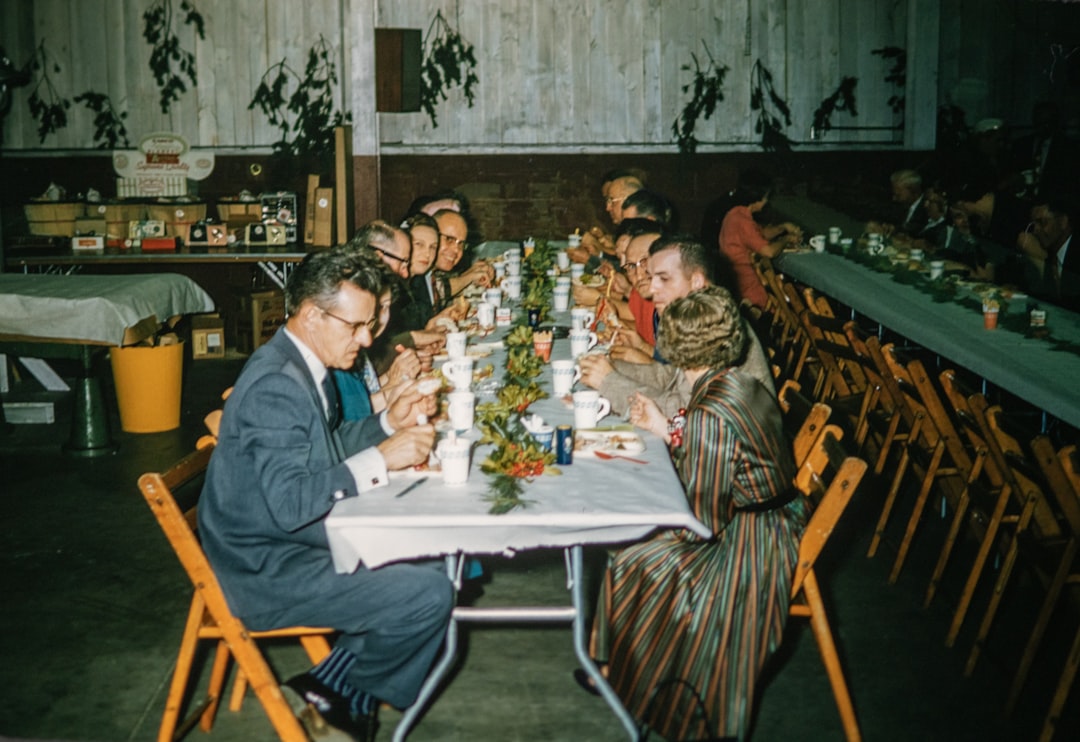
Now imagine if mealtime involved less pressure and more playfulness. Instead of forcing bites or bribing with dessert, what if we focused on offering variety and allowing autonomy?
That’s the disruption happening today in pediatric nutrition circles:
- Division of Responsibility: Parents decide what, when, and where to serve food; kids decide whether and how much to eat.
- Taste Exposure Over Supplementation: Rather than relying heavily on vitamins or fortified snacks, prioritize real foods—even imperfect ones.
- Flexible Guidelines: Recognize that growth spurts, teething, illness, and activity levels affect appetite daily. There’s no “ideal plate” for every kid.
- Behavioral Science + Practicality: Understanding picky eating through psychology—not just biology—has changed how experts guide families toward sustainable habits.
And guess what? These strategies work—even when junior only eats chicken nuggets three nights a week. (Yes, really.)
Case Study: Letting Go (Just a Little)
Sarah used to panic whenever her two-year-old rejected dinner. She’d chase him around the kitchen with a spoonful of sweet potato purée, convinced he’d starve himself into oblivion. Spoiler alert: He didn’t. In fact, once she stopped tracking every bite and started making meals enjoyable again, his willingness to try new foods slowly increased.
She applied principles from modern pediatric nutrition practices—structure without stress, trust without fear. No more battles at the table.
Beyond Baby Food Jars: Addressing Real Nutritional Needs
Newer approaches also tackle the big-picture stuff:
- Micronutrient Prioritization: Iron deficiency, vitamin D gaps, and zinc shortages are real concerns—but they don’t require turning every snack into a science experiment.
- Gut Health Awareness: More attention is being paid to how early-life gut flora affects immunity, mental health, and digestion. Fermented foods and fiber matter here too.
- Cultural Sensitivity: Diets aren’t one-size-fits-all. Modern practice respects diverse culinary traditions and avoids imposing Western ideals universally.
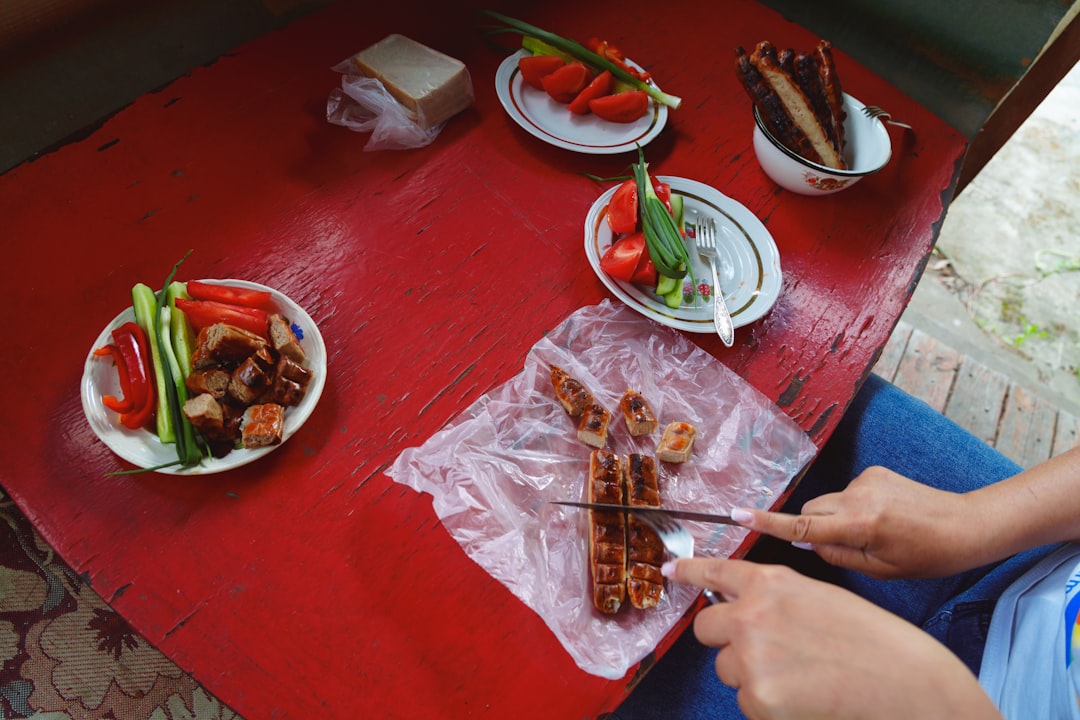
All of which means one thing: Raising resilient, well-fed children doesn’t require perfection. It requires presence, patience, and practical guidance grounded in current understanding—not outdated fears.
Putting Theory Into Practice
Still feeling overwhelmed? Here’s a simple starting point:
- Offer meals and snacks at regular intervals.
- Include at least one preferred item alongside new options.
- Stay neutral about amounts eaten. Avoid comments like “good job!” or “you didn’t touch your peas!”
- Model curiosity, not pressure. Try new dishes yourself and describe flavors casually (“Mmm, this mango tastes tropical!”).
- Track patterns over time—not individual meals.
No guilt. No power struggles. Just consistent nourishment wrapped in love and flexibility.
This shift in mindset changes everything—not just for the child, but for the entire family dynamic around food. Think of it as going from helicopter chef to supportive sous-chef.
Ready to Ditch the Dietary Drama?
If this sounds refreshing—and maybe a little liberating—you’ll want to dive deeper into these game-changing concepts.
Luckily, there’s a comprehensive resource designed exactly for beginners looking to rethink how they feed their kids: the Pediatric Nutrition course. Whether you’re expecting your first baby or already deep in toddler tantrums over texture preferences, this program walks you through evidence-backed basics made easy, fun, and frustration-free.