

You’re six months into your BJJ journey. You know a few moves, can hold your own during rolling, and feel like you’re finally getting the hang of things. Then, during a lesson, your instructor calls out a fundamental technique—and suddenly, everything clicks, or doesn’t.
This is the moment many students hit a wall. What seemed simple—like maintaining posture or breaking grips—feels frustratingly elusive when pressure mounts.

The Gap Between Knowing and Doing
We’ve all been there: watching an instructor demonstrate a move with fluid grace, then attempting it ourselves only to look like we’re wrestling with invisible forces. It’s not that we don’t understand what’s supposed to happen—we just can’t seem to make our bodies cooperate.
BJJ fundamentals aren’t flashy. They won’t win you tournaments overnight, nor will they get you likes on social media. But they form the backbone of every skilled grappler’s game plan.
So how do you actually master these core techniques? Let’s explore where most practitioners go wrong—and what you can do differently.
Mistake #1: Rushing Through Positional Basics
Let me ask you something:
How often have you seen someone try to learn advanced submissions without solidifying their guard retention?
If you said “a lot,” give yourself a high five. We live in a world where viral videos show jaw-dropping sweeps and slick submissions—but rarely emphasize the hours spent drilling base control or hip escapes.
- Poor posture under pressure
- Inability to maintain distance from opponents
- Lack of awareness while transitioning positions
All signs that basic positioning has taken a backseat.
Solution: Dedicate time to drilling positional basics daily—even if it feels redundant. Repetition breeds clarity, especially in grappling arts where muscle memory plays a major role.
Mistake #2: Ignoring Grip Breaking as a Separate Skill Set
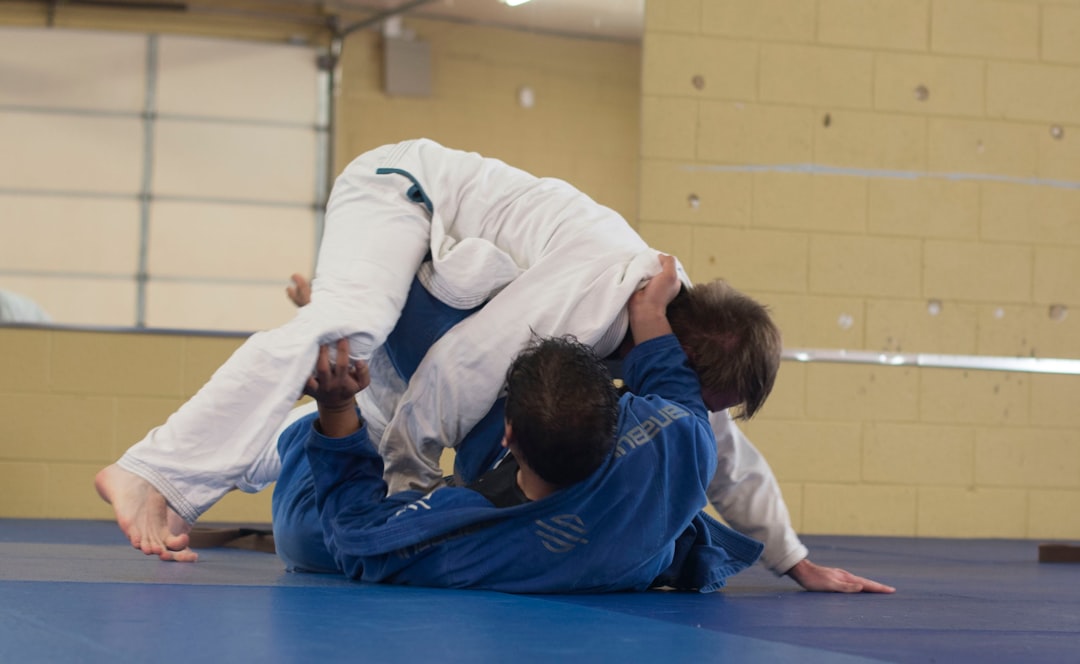
Grips are everywhere in BJJ—the foundation of passing guards, sweeping from bottom, and controlling your opponent. Yet so many new grapplers treat grip fighting like an afterthought.
Here’s the truth:
You can have perfect mechanics, but if your opponent controls your wrists or collar, those skills become irrelevant. You’re no longer in charge of your own movement—you’re reacting instead of dictating pace.
To fix this issue:
- Drill escape sequences specifically focusing on hand fighting first
- Practice grip-breaking at slow speeds until it becomes instinctual
- Integrate grip work into every roll—not just warm-ups
Remember: In BJJ, freedom begins with taking control of contact.
Mistake #3: Confusing Aggression With Energy Management
This one hits close to home for many athletes coming from other sports. You’ve trained hard your whole life—why shouldn’t that apply here too?
Because jiu-jitsu rewards timing more than power. While effort matters, brute force alone leads to exhaustion early in a match.
You might be wondering: When does intensity help versus hurt performance?
Let me reframe it this way:
Your body is a machine—it needs energy conservation strategies built-in. Every unnecessary motion drains resources needed later when endurance counts most.
Adjustment tip:
- Focus on breathing regularly throughout rolls
- Move efficiently—not frantically—to preserve stamina
- Train both offensive and defensive phases at moderate speed initially
Learning how to regulate output isn’t weakness—it’s strategy.
Mistake #4: Overlooking Guard Pulling As Tactical Tool
“Avoid pulling guard!” shouted countless coaches across dojos worldwide.
And while protecting newer students from falling into bad habits makes sense, avoiding pulls altogether limits tactical understanding—and eventually puts you behind others who embrace them responsibly.
Think of it like chess players refusing to sacrifice pawns for position—they may survive long enough, but never gain initiative.
Guard pulling, done correctly, gives smaller athletes opportunities against stronger opponents by choosing favorable starting spots mid-match.
To improve:
- Analyze situations where pulling would create better angles/safeties post-pull
- Train pull-to-offense combinations rather than random entries
- Build confidence using various guards (closed/open/half/full butterfly)
Great guardsmen don’t fear being underneath—they leverage it intentionally.
Mistake #5: Underestimating Mental Game Integration
Bonus section because mental toughness deserves recognition beyond physical prep.
What separates elite competitors from weekend warriors isn’t always technical superiority—it’s mindset resilience during adversity.
BJJ challenges ego constantly. Getting tapped repeatedly exposes raw nerve endings inside even seasoned martial artists.
So how do top practitioners stay calm when losing exchanges?
They train their mind alongside muscles through visualization exercises, replay analysis sessions, and consistent self-reflection routines outside the gym.
If you want to grow past intermediate level mastery of BJJ fundamentals, integrating emotional regulation practices into regular study plans accelerates progress dramatically.
Putting It All Together
Each problem we explored today relates directly back to refining execution of basic building-block movements:
- Cleaner transitions stem from strong foundations
- Effective grip management unlocks flow between techniques
- Energy conservation allows sustained application
- Tactical guard usage creates strategic advantages
- Mental clarity enhances decision-making under stress
When approached collectively, these improvements compound exponentially rather than linearly.
Imagine going into class tomorrow armed not just with sharper reactions—but clearer intentions behind each action you take on the mat. That’s what happens when fundamentals click into place organically over time.
Your Next Chapter Awaits
Consider this roadmap:
- Choose one mistake above causing recurring struggles currently
- Apply suggested solution consistently over next month
- Evaluate impact objectively weekly via video review/tutor feedback
There’s no shortcut around mastering BJJ basics—but there are proven paths forward. Whether you attend formal lessons such as BJJ Fundamentals, train solo, or participate online forums—you now possess tools to elevate existing skill sets meaningfully.
Soon enough, those earlier frustrations transforming into moments of breakthrough realization won’t feel accidental anymore…
They’ll reflect disciplined refinement—one rep at a time.


