

Sarah stared at her laptop screen, scrolling through job listings for the hundredth time that week. She’d been in marketing for eight years, but something was missing—a sense of purpose, a spark. That’s when she stumbled across a posting for a junior role in research and development. Intrigued, she clicked—and soon discovered a whole world she didn’t even know existed.
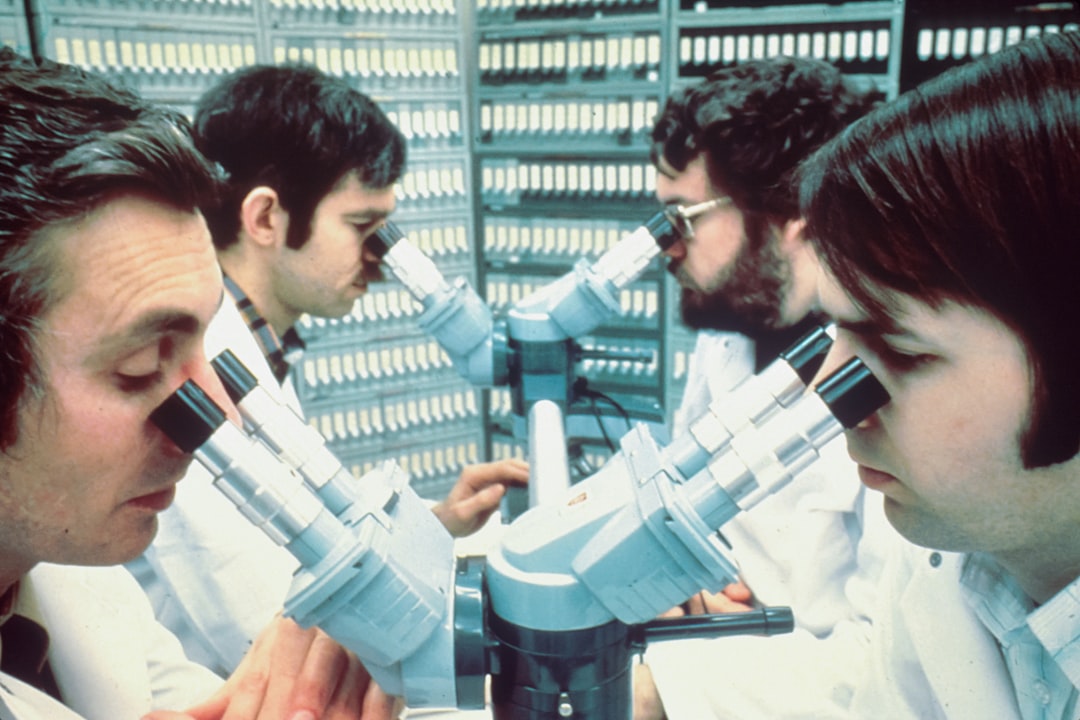
What Exactly IS Research and Development?
You might think R&D is just for scientists in white coats—but that’s far from the truth. Research and development covers everything from creating new medicines to designing energy-efficient appliances, improving software, and even developing sustainable packaging solutions.
In short, it’s the engine room of innovation.
Research and development typically involves two main areas:
- Basic research – exploring scientific principles without immediate commercial goals
- Applied research – focused on solving specific problems or developing products
For example, basic research might involve studying how proteins fold in a cell—knowledge that may not lead to an immediate product but contributes to deeper understanding. On the other hand, applied research might use that protein folding knowledge to engineer enzymes for industrial applications, such as breaking down plastic waste more efficiently.
Real-world example: Google’s parent company Alphabet has invested billions in its X Development Lab, known for moonshot projects like self-driving cars.-driving cars (Waymo) and internet-beaming balloons (Loon). This represents both pure exploration and direct application—an ideal blend of basic and applied R&D.
Another example is SpaceX, which started with visionary goals (basic research) and evolved into developing reusable rockets (applied research), revolutionizing space travel.
This work happens in tech firms, pharmaceutical companies, government agencies, universities, and even startups. And guess what? It’s growing—fast.
Why Is Research and Development Such a Hot Field Right Now?
Let’s talk money—because economic trends don’t lie. When businesses invest more in innovation, they’re betting on the future. And lately, those bets are paying off.
Research and development spending has surged across industries as companies race to stay competitive. Think about it: AI breakthroughs, electric vehicles, personalized medicine—all stem from heavy R&D investment.
“Innovation isn’t optional anymore—it’s survival.”
Take Tesla, for example. Their massive investment in battery technology not only allows them to produce efficient electric vehicles but also store energy via Powerwall systems, giving them dominance over competitors who lack such integrated capabilities.
Similarly, Apple allocates around $20 billion annually towards R&D—an investment that enables features like Face ID, M-series chips, ARKit, and ongoing improvements to iOS functionality. This commitment keeps their ecosystem ahead of rivals like Samsung and Google.
Industries like biotech, clean energy, and software are pouring resources into discovery and experimentation. That means jobs. Lots of them. In fact, many organizations are struggling to hire enough qualified talent to keep pace with demand.
What Economic Forces Are Driving Growth in R&D?
If you’re considering a shift into research and development, it helps to understand why this space is exploding. Here are the top market forces shaping the field today:
- Increased corporate funding: Companies are realizing that cutting-edge innovation leads to long-term profitability. Microsoft, for instance, recently announced plans to double its internal carbon emissions within five years—investing heavily in R&D focused on climate change mitigation technologies to offset these impacts.
- Rising consumer expectations: People want smarter gadgets, better health outcomes, and greener solutions—driving constant product evolution. Dyson, for example, spends roughly $800 million per year on R&D to create powerful cordless vacuums, air purifiers, and hair dryers that exceed customer expectations through superior engineering and design.
- Government incentives: Tax credits and grants encourage private-sector investment in R&D projects. In the United States, the Research & Experimentation Tax Credit provides financial rewards for qualifying innovative activities, encouraging companies like Boeing and Intel to push technological frontiers further without shouldering full costs alone.
- Global competition: Nations are investing heavily in domestic innovation to stay ahead economically. China’s “Made in China 2025” initiative aims to transform the country into a global leader in high-tech sectors including robotics, aerospace, and electric vehicles—prompting increased collaboration between state-backed institutions and private enterprises pushing boundaries together.
- Digital transformation: Tools like data analytics and simulation software make R&D faster, cheaper, and more scalable than ever. Companies like General Electric use machine learning models during turbine testing phases to predict component failures before physical prototypes are built—reducing both cost and time-to-market dramatically compared to traditional methods.

Can Someone Without a Science Background Join R&D?
Yes—and often, your non-traditional background could be an asset.
While technical knowledge can help, research and development teams need diverse thinkers. Project managers, analysts, designers, communicators, and operations specialists all play critical roles. Many companies actively seek people with interdisciplinary skills.
Here’s how you can leverage what you already know:
- Marketing pros bring customer insight and communication skills. They can help frame research objectives based on user needs and market gaps, ensuring innovations hit real pain points.
- Data analysts have a natural edge in interpreting findings. Their statistical acumen helps validate experimental results, distinguish signal from noise, and guide evidence-based decisions throughout the development lifecycle.
- Project managers ensure complex initiatives run smoothly. They coordinate cross-functional teams, track milestones, allocate budgets, and manage risks—all crucial aspects of executing successful R&D strategies.
- Designers contribute user-focused thinking to product development. By integrating usability principles early, they prevent costly redesigns later, enhancing both function and form simultaneously.
- Writers and educators help translate complex ideas into accessible formats. Whether crafting grant proposals, presenting discoveries internally, or communicating benefits publicly, strong storytelling enhances visibility and secures buy-in at every stage.
- Legal experts aid in patent filings and compliance issues. Understanding intellectual property rights protects breakthrough inventions legally while avoiding infringements that could derail entire projects midstream.
Sarah from our story above? She used her experience in market research to land a position helping developers test early prototypes. Her unique skillset opened doors she never imagined.
Case Study: From Sales Rep to Product Strategist
James worked in enterprise sales for nearly a decade before transitioning into an R&D leadership role. His deep understanding of client feedback loops allowed him to drive iterative improvements in cybersecurity software used by Fortune 500 clients. Despite having no formal STEM training, his ability to analyze usage patterns and advocate for customer-centric features made him invaluable. Today, he leads strategy sessions involving engineers, UX designers, and executives alike—an outcome few would have predicted years ago.
What Transferable Skills Matter Most in R&D?
You’ve likely developed valuable abilities in your current career—they just need repackaging for the research and development world. Take stock of these core competencies:
- Critical thinking: The ability to evaluate information and identify patterns. This includes questioning underlying assumptions, recognizing bias, and distinguishing correlation from causation.
- Analytical reasoning: Sorting through data to draw meaningful conclusions. Beyond crunching numbers, this entails selecting appropriate methodologies, assessing reliability, and contextualizing outcomes within broader frameworks.
- Collaboration: Working effectively across departments and disciplines. Given that modern R&D rarely occurs in isolation, knowing how to communicate clearly with varied stakeholders—from technicians to C-suite executives—is essential.
- Project planning: Managing timelines, budgets, and resources efficiently. This encompasses setting realistic milestones, forecasting resource requirements, identifying potential bottlenecks, and adapting plans dynamically amid uncertainty.
- Problem-solving: Approaching challenges creatively and systematically. Rather than jumping straight to solutions, effective researchers first define problems comprehensively, break them into manageable components, brainstorm multiple approaches, and test hypotheses rigorously.
- Adaptability: Navigating ambiguity and pivoting direction based on evolving inputs. Since R&D inherently involves unknowns, flexibility enables teams to respond constructively rather than becoming paralyzed by setbacks.
- Persistence: Continuing efforts despite repeated failures or delays. Innovations frequently emerge after numerous iterations; resilience separates those who persist from those who abandon worthwhile pursuits prematurely.
If you’ve honed any of these skills, you’re already closer to a role in R&D than you think.
Also consider this: the best innovations come from blending perspectives. A background in social sciences, business, or design can add fresh insight to traditionally science-driven fields.
Tip for Retraining Success
Before diving into specialized coursework, map your existing strengths against common R&D competencies using a simple matrix. Highlight overlaps where you excel, note gaps requiring attention, and prioritize learning accordingly. This approach prevents aimless study and maximizes return on effort.
How Do I Get Started Transitioning Into R&D?
Making the jump doesn’t happen overnight—but there are clear steps you can take now.
First, assess which part of research and development interests you most. Is it developing new materials? Improving software performance? Creating medical devices?
Once you’ve narrowed your focus, start building relevant knowledge. That might mean taking courses, attending workshops, or joining professional groups. Luckily, there are resources out there tailored just for career changers like you.
Check out the Research and development course if you’re serious about making the switch. It walks you through foundational concepts, tools, and pathways—without assuming prior expertise.
Subsection: Networking Strategies for Non-Scientists Entering R&D
Beyond acquiring new technical skills, networking plays a pivotal role in breaking into R&D. Begin by participating in local science cafes, maker meetups, or hackathon events where multidisciplinary collaboration thrives. Platforms like LinkedIn facilitate virtual introductions with professionals currently working in your target domain; personalize connection requests with genuine interest in shared interests or mutual contacts.

What Kinds of Jobs Exist in R&D?
The range of opportunities in research and development is broader than many realize. From hands-on experimentation to strategic oversight, here’s a snapshot of common roles:
- R&D Analyst: Studies markets and technologies to guide project priorities. Often responsible for conducting feasibility assessments, analyzing competitor landscapes, compiling industry reports, and recommending investment directions aligned with organizational vision.
- Lab Technician: Conducts experiments under supervision. Duties include preparing samples, operating instruments, recording observations meticulously, maintaining equipment cleanliness, and assisting senior researchers throughout testing phases.
- Product Developer: Designs and tests new offerings based on research insights. Integrates feedback from users, identifies improvement areas, collaborates closely with engineers, and oversees prototype fabrication stages until final commercial deployment.
- Research Manager: Oversees teams and budgets to execute large-scale initiatives. Coordinates staffing allocations, ensures adherence to regulatory standards, negotiates vendor contracts, tracks financial performance indicators, and reports progress regularly to executive leadership.
- Innovation Consultant: Advises firms on emerging trends and potential opportunities. Draws upon extensive domain expertise to evaluate novel ideas objectively, assess scalability prospects, propose implementation frameworks, and coach internal champions through transformative journeys successfully.
- Technical Writer: Documents procedures, creates manuals, and translates complex findings into layman-friendly guides for internal use or public dissemination, ensuring consistency and accuracy in all published materials related to research outcomes.
- Regulatory Affairs Specialist: Ensures compliance with governmental guidelines governing research ethics, safety protocols, environmental impact statements, clinical trial approvals, and export restrictions affecting international collaborations involving sensitive materials or dual-use technologies.
Not all positions require advanced degrees—many offer excellent entry points for skilled newcomers.
Example Career Pathway: From Junior Analyst to Innovation Leader
Consider Maria, who began as an entry-level analyst reviewing literature on alternative fuels. Through persistent curiosity and proactive mentorship relationships, she progressed to managing small-scale pilot studies evaluating biofuel blends derived from agricultural byproducts. Eventually promoted to director level, she now spearheads multi-million-dollar initiatives spanning partnerships with national laboratories, university research centers, and startup incubators dedicated to advancing zero-emission transportation alternatives globally.
Do I Need Advanced Degrees to Succeed in R&D?
Not necessarily. While some senior roles do require PhD-level training, plenty of impactful work can be done by professionals at various educational levels.
In research and development, curiosity, adaptability, and applied skill matter more than credentials alone. That said, continuing education never hurts—and structured learning programs can help bridge gaps quickly.
Whether you’re looking to build foundational understanding or specialize in a niche area, courses and certifications provide credibility and clarity. And again, we recommend checking out the Research and development program—it’s designed with beginners in mind.
Cautionary Note Regarding Degree Requirements
Although certain domains—like pharmaceutical R&D or nuclear physics experimentation—do necessitate rigorous academic preparation, many others remain open to candidates lacking traditional credentials provided they demonstrate equivalent competence through demonstrable achievements, portfolio submissions, or verified certifications obtained independently. Keep exploring pathways aligned with personal aptitudes rather than defaulting solely to degree-based filters imposed externally.
What Industries Hire the Most in R&D?
Opportunities span nearly every sector, so finding alignment with your interests is key. Here are some of the biggest employers today:
- Pharmaceuticals & Biotechnology: Developing life-saving treatments and therapies. Companies like Johnson & Johnson invest heavily in autoimmune disease treatments, oncology medications, and preventive vaccines, leveraging genetic sequencing advancements alongside computational modeling techniques to accelerate discovery timelines significantly.
- Tech & Software: Pushing boundaries in artificial intelligence, cloud infrastructure, and mobile applications. Meta continues pouring billions into Reality Labs division pursuing virtual reality experiences rooted in neural interfaces and immersive communication platforms potentially reshaping human interaction paradigms fundamentally.
- Energy & Environment: Innovating cleaner power sources, renewable fuels, and eco-friendly manufacturing processes. Shell’s New Energies division focuses intensively on hydrogen fuel cells, offshore wind installations, and carbon capture technologies aimed at decarbonizing heavy industry operations progressively.
- Manufacturing: Enhancing efficiency, safety, and automation in production lines. Siemens employs thousands globally engaged in developing smart factory solutions incorporating IoT sensors, predictive maintenance algorithms, autonomous robotic systems, and closed-loop quality control mechanisms designed to optimize throughput while minimizing waste.
- Consumer Goods: Designing everything from safer packaging to longer-lasting batteries. Procter & Gamble maintains robust research facilities investigating fragrance encapsulation chemistry, antimicrobial fabric treatments, biodegradable cleaning compounds, and compact appliance designs reducing environmental footprint throughout supply chains.
Each industry comes with its own culture, challenges, and growth trajectory. Exploring your options early gives you more control over your transition path.
Comparative Overview: R&D Culture Across Sectors
R&D environments vary substantially depending on company size, mission orientation, and risk appetite. Academic institutions emphasize publication records and theoretical contributions; government labs prioritize national security implications and policy relevance; whereas private corporations concentrate primarily on monetizable outputs meeting consumer demands profitably within reasonable timeframes. Understanding these distinctions influences job satisfaction likelihood once embedded inside any particular organization.
Is There Room for Creativity in R&D?
Absolutely! Contrary to stereotypes, creativity lies at the heart of effective research and development.
Ask the right questions. Challenge assumptions. Combine ideas in unexpected ways. These habits separate good researchers from great ones.
Think of R&D as a playground for problem solvers—you get to explore, experiment, and iterate until you find something that works. For many professionals, this kind of intellectual freedom feels like coming home after years of routine tasks.
Real-Life Creative Solution: Velcro Inspired by Burdock Seeds
George de Mestral, a Swiss engineer, noticed burdock burrs clinging stubbornly to his clothing during hiking excursions. Investigating microscopically revealed tiny hooks enabling attachment to animal fur naturally. Applying biomimicry principles, he invented Velcro—the now ubiquitous fasteners found everywhere from shoe laces to aerospace applications—demonstrating how observing nature sparks revolutionary inventions crossing disciplinary boundaries effortlessly.
Final Thoughts: Could Research and Development Be Your Next Chapter?
If you’re craving challenge, impact, and continuous learning, then maybe it’s time to look beyond traditional paths. Research and development offers a dynamic way to apply your existing strengths while gaining exciting new ones.
No matter where you’re starting from, stepping into innovation begins with understanding what’s possible—and getting support along the way. If you’re ready to learn more, dive into the Research and development course and see how fast you can move forward.