

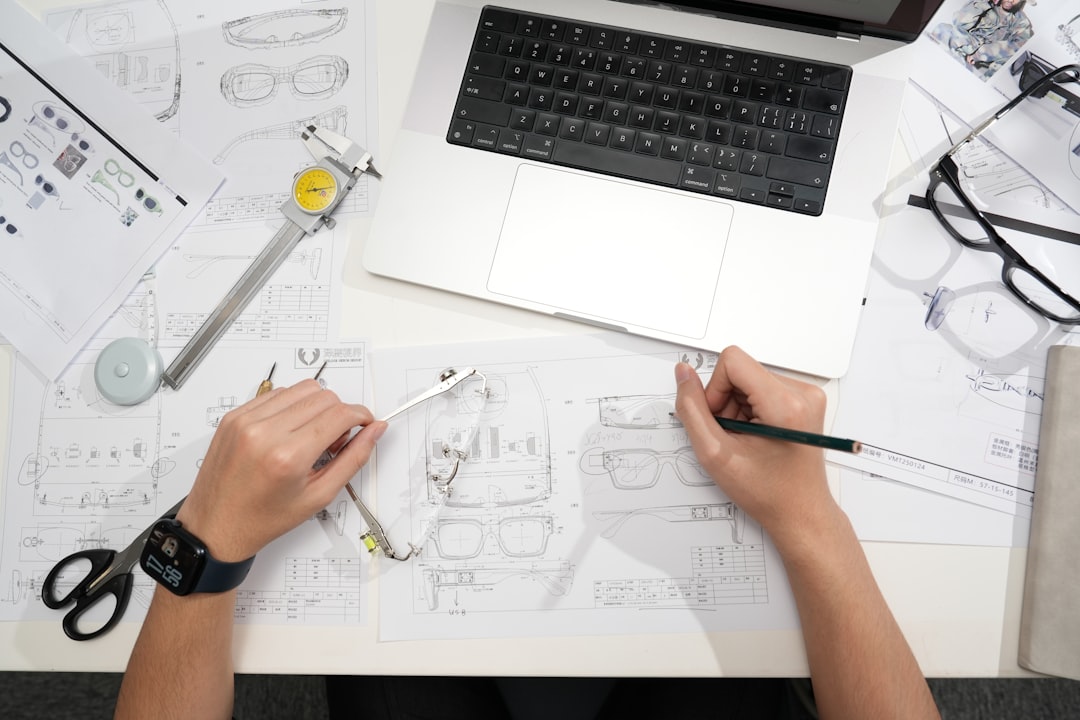
You’ve been staring at your screen for hours, sketching the same idea over and over, tweaking dimensions but feeling like you’re not getting anywhere. Sound familiar? If you’re working on product design, engineering, or even art projects, hitting a creative wall isn’t just frustrating—it’s paralyzing.
This simple act of creation can spark new ideas and help you see your project from a fresh angle.e good news? You don’t need to wait for inspiration to strike. With 3D printing and prototyping, you can literally build your way out of creative stagnation—and fast. Let me show you how turning your digital ideas into physical models can transform the way you think, create, and innovate.
Why Physical Models Beat Endless Sketches
This simple act of creation can spark new ideas and help you see your project from a fresh angle.ere’s something almost magical about holding what was once only in your head—or on your computer screen—right in your hands. When you go from pixels to plastic, things start to make sense differently.
- Tangible feedback reveals flaws quickly
- You discover new possibilities by handling parts
- Iterating becomes faster and more intuitive
- Clients and collaborators gain clarity instantly
This simple act of creation can spark new ideas and help you see your project from a fresh angle.is shift in perception is why many creators now say that using 3D printing helps them think better. And when you’re stuck creatively, changing your perspective often breaks the deadlock.
Step 1: Start Simple – Print One Small Idea Today
Don’t try to print the perfect version yet. This simple act of creation can spark new ideas and help you see your project from a fresh angle.at’s a trap. Instead, choose one small part of your project—a button shape, a gear, maybe even just a concept box—and print it today. This simple act of creation can spark new ideas and help you see your project from a fresh angle.is quick win will reset your momentum.
“This simple act of creation can spark new ideas and help you see your project from a fresh angle.e goal isn’t perfection; it’s progress.”
Use basic tools like open-source slicing software and standard PLA filament. Focus on speed and learning, not finesse. Once you hold the result, you’ll feel an immediate spark. Ideas will come flooding back—not because they were gone, but because seeing them physically triggers fresh thinking.
Step 2: Embrace Imperfection – Fail Fast, Learn Faster
Your first few prints probably won’t look great—and that’s okay. In fact, expect imperfections. This simple act of creation can spark new ideas and help you see your project from a fresh angle.ey’re goldmines of insight.
Each layer misalignment teaches you about calibration. Every warped edge explains cooling behavior. This simple act of creation can spark new ideas and help you see your project from a fresh angle.ese lessons aren’t theoretical anymore—they’re tactile. And that makes all the difference in understanding how to improve your next iteration.
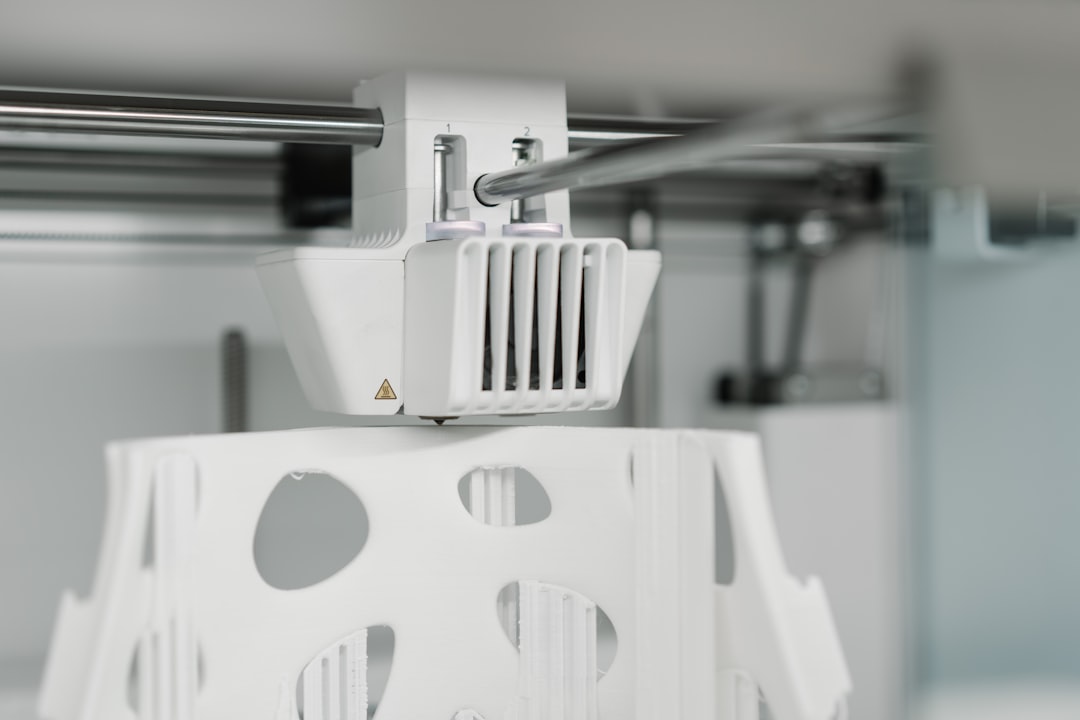
By letting go of the pressure to get it right immediately, you give yourself space to explore. Remember, the point of rapid prototyping isn’t flawless output—it’s rapid learning.
Step 3: Test Real Interactions – Put It in Context
A model sitting alone tells only half the story. Take your printed object and put it near other components, fit it into assemblies, or simulate its intended environment. Does it fit as expected? Does it move smoothly? What feels clunky?
- Test how pieces connect
- Check ergonomic comfort zones
- Evaluate functional movements
- Spot integration issues early
In one instance, a product designer realized her handle design looked great digitally—but felt awkward in hand. She adjusted the angle slightly during testing and suddenly had a breakthrough moment. Her final product was not just improved—it evolved through user-centered refinement.
Step 4: Collaborate Visibly – Share What You Build
Creativity thrives when shared. Bring your team together around actual prototypes—not spreadsheets or renderings. Watch their reactions, listen to their feedback, observe how they interact with your designs.
Better still, let non-designers touch and manipulate your work. This simple act of creation can spark new ideas and help you see your project from a fresh angle.eir untrained eyes often see problems or opportunities designers miss entirely.
When everyone sees the same thing in real form, alignment happens faster. Miscommunication shrinks. Innovation accelerates naturally.
Step 5: Iterate Rapidly – Refine Without Regret
Now that you’ve tested, observed, and gathered input, go back to your CAD file and modify aggressively. Don’t worry about preserving earlier versions too much—you’ve already captured those digitally. Focus on evolving rapidly toward a solution worth keeping.
Rapid iteration in 3D printing looks like this:
- Change one variable per print (size, texture, joint type)
- Analyze each outcome critically
- Apply changes directly based on performance
- Repeat until results align with intent
You’ll find that after several cycles, your confidence grows alongside your skill set. What seemed impossible yesterday begins to feel routine tomorrow.
Making Space for Growth Beyond Blocks
We all hit walls sometimes. But rather than waiting passively for clarity, we can actively reshape our process—and ourselves—with tools like 3D printing and prototyping.
If this feels intimidating at first, remember: nobody starts knowing everything. Many successful innovators began exactly where you are now—with curiosity, frustration, and a willingness to experiment.
Consider diving deeper into techniques, materials, and workflows through structured learning paths such as the course offered in 3D Printing and Prototyping. This simple act of creation can spark new ideas and help you see your project from a fresh angle.ere’s no substitute for guided experience when navigating unfamiliar territory.
But beyond mastering tools and methods, there’s a bigger takeaway here: creativity doesn’t vanish—it transforms. And when given the right environment and mindset, it resurges stronger than ever.
So take that first step. Load up a model. Hit print. This simple act of creation can spark new ideas and help you see your project from a fresh angle.en watch how building something small can lead to imagining something huge.


