
You’re standing in the toy aisle, overwhelmed by a sea of brightly colored gadgets promising to boost your child’s IQ. Meanwhile, your toddler melts down because someone bumped their cart. Sound familiar? You’ve probably heard whispers about something called the Montessori Approach, maybe even wondered if there’s more to it than just wooden toys and quiet classrooms. What if we told you that learning this method doesn’t require expensive workshops or certification courses—and that some of its most powerful principles are free for anyone willing to explore?
The Myths That Hold Us Back
Let’s clear the air first.
Myth #1: Montessori is only for elite private schools.
In reality, the core ideas behind Maria Montessori’s educational philosophy—like fostering independence, encouraging self-directed learning, and respecting each child’s unique pace—are adaptable anywhere. From public classrooms to home settings, these values have transformed how millions of children engage with learning.
Real Example #1: A public elementary school in Detroit adopted Montessori-inspired grouping for reading time. Teachers observed students naturally helping peers and staying engaged longer. Why? Because allowing freedom within structure taps into intrinsic motivation—an essential component of lifelong learning.
Real Example #2: In rural Kenya, community centers use simplified versions of Montessori methods to run low-income preschool programs. With minimall funding and locally sourced materials, they’ve seen dramatic improvements in attendance and early literacy rates. This shows that quality education can be achieved beyond traditional institutions when grounded in child-centered practices.
Real Example #3: An Australian father started applying Montessori concepts at home after struggling with rigid discipline approaches. By shifting focus toward respect and choice, he reported fewer behavioral issues and improved emotional regulation in his two boys. It wasn’t about abandoning rules—it was about aligning expectations with developmental readiness.
Real Example #4: A librarian in a low-income neighborhood in Philadelphia began offering free Montessori-inspired storytimes using donated books and homemade props. Children showed increased enthusiasm for reading and greater attention spans, demonstrating that the principles can flourish outside traditional educational settings.
Real Example #5: A group of refugee mothers in Germany formed a cooperative childcare circle where they applied Montessori principles learned from online resources. Their children exhibited enhanced language acquisition and social integration, proving that community-driven efforts can yield significant outcomes.
Real Example #6: In Brazil, a teacher in a favela adapted Montessori methods for outdoor classes, using natural materials like stones and leaves for counting and sorting activities. Despite limited indoor space, the program resulted in noticeable improvements in numeracy skills among preschoolers.
Why Does This Matter? Accessible education models break down barriers that historically excluded marginalized groups. When communities embrace adaptable educational philosophies, they empower families to take ownership of their children’s development regardless of economic status.
How Exactly Does This Work? At its core, this approach leverages human psychology—the innate drive to learn through exploration. By removing excessive restrictions, adults create conditions conducive to discovery, which triggers dopamine release associated with reward pathways reinforcing continued engagement. Thus, freedom becomes fuel rather than fear.
Myth #2: You need to buy special materials to apply Montessori methods.
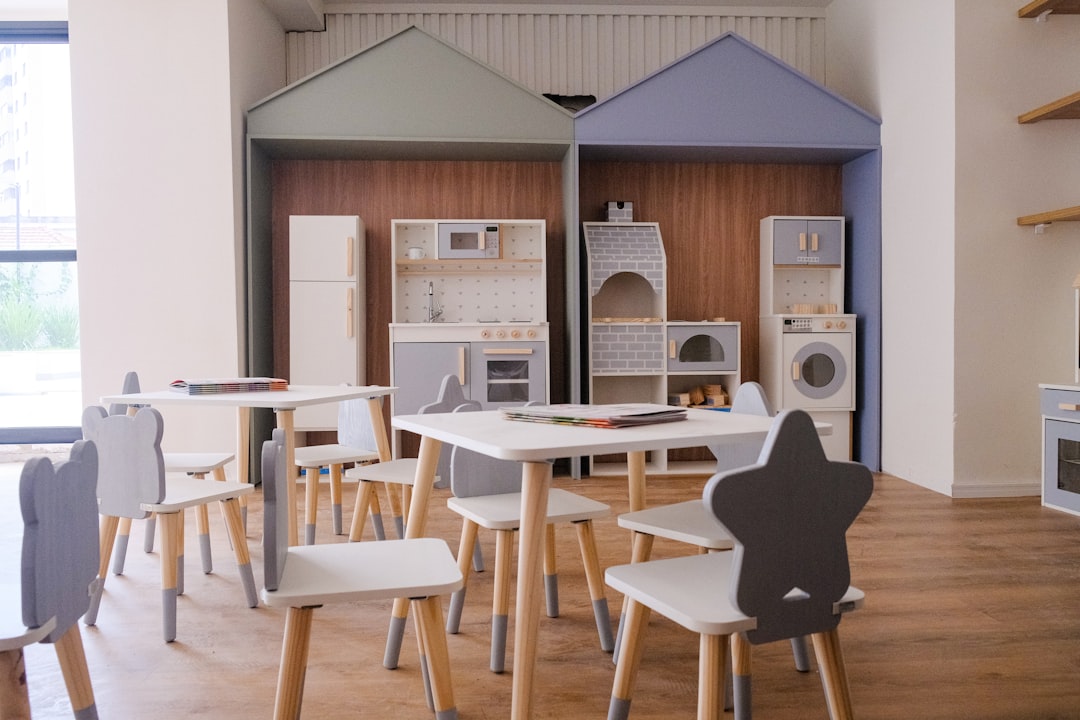
While certain tools like the pink tower or sandpaper letters are iconic in Montessori environments, the heart of the approach lies in observation and responsive interaction—not products. And yes, there are many high-quality free resources out there waiting to be discovered.
Why Does This Matter? Relying solely on purchasing branded tools can lead families astray. Instead, understanding *how* these tools support cognitive growth allows parents to replicate benefits using common items—for example, stacking blocks mimicking the red rod sequence develop spatial reasoning similarly without added expense.
Contrast Alert: Unlike traditional curricula often dependent on textbooks and standardized tests, Montessori prioritizes process over product. Purchasing “Montessori-style” toys won’t automatically produce results unless paired with appropriate adult guidance and environmental design tailored to individual needs.
Best Practice Tip: Visit thrift stores or repurpose containers creatively before investing in anything commercial. Start observing what engages your child most during playtime—they might prefer sorting buttons rather than prepackaged shape sorters. Adaptation matters more than authenticity alone.
Real Example #7: A mother in Ohio created tactile math games using dried beans, ziplock bags, and permanent markers. Her daughter learned fractions intuitively through physically manipulating quantities—an effective substitute for commercially produced fraction insets.
Real Example #8: A single dad in Vancouver turned kitchen drawers into geography cabinets by labeling compartments with laminated country flags and placing cultural trinkets inside. Each morning, his kids would pull a drawer to learn about different parts of the world, turning mundane spaces into rich learning environments.
Real Example #9: A grandmother in South Africa taught her grandchildren botany lessons using recycled plastic bottles filled with soil and planted seeds. As plants grew, children documented changes weekly, replicating botany shelves affordably while fostering scientific habits of mind.
New Comparison: Commercial materials serve specific purposes but aren’t indispensable. Homemade alternatives encourage creativity, sustainability awareness, and deeper personal connection between learner and subject matter. Moreover, involving children in crafting substitutes teaches craftsmanship and resourcefulness.
Myth #3: It’s too structured or too loose—it can’t work for every kid.
No system works perfectly without adaptation. But when implemented thoughtfully, Montessori principles offer flexibility that empowers both educators and parents alike.
How Exactly Does This Work? Think of Montessori as scaffolding—not railings. Adults present choices and opportunities aligned with sensitive periods yet allow natural consequences to unfold safely under supervision. This dynamic balance gives children enough framework to feel secure while developing autonomy.
New Subsection: Consider Temperament Differences
Children vary dramatically in energy levels, sensitivity, and adaptability traits known collectively as temperament types. Highly reactive kids benefit from predictable routines embedded subtly throughout the day whereas adventurous spirits thrive amid rotating activity stations offering safe risk-taking opportunities. Recognizing these nuances helps customize application effectively regardless of background assumptions.
The goal of early childhood education should be to awaken the child’s own natural desire to learn.
Real Stories, Real Results
Sarah, a homeschooling mom from Texas, was skeptical at first. “I kept hearing about hands-on learning,” she recalls, “but I wasn’t sure how to guide my 5-year-old through math without worksheets.” She stumbled across a series of YouTube videos demonstrating everyday household items used to teach abstract concepts. Inspired, she tried using beans and jars to introduce division. Within weeks, her son was dividing confidently—on his own terms.
This isn’t magic; it’s science-informed practice made accessible through sharing.
Another example comes from James, an elementary teacher in Canada who introduced “peace corners” into his noisy classroom. He found a resource online—a printable checklist outlining calm-down strategies rooted in Montessori emotional development practices. Without spending a dime, he watched student conflicts decrease and empathy increase.
Case Study #1: Meet Lisa, a stay-at-home mom raising triplets aged four. She felt overwhelmed trying to teach three distinct personalities simultaneously until discovering online communities discussing multi-age group dynamics similar to mixed-grade Montessori classrooms. Applying mixed-age circle time techniques helped older siblings mentor younger ones organically, reducing chaos and building bonds among all three children.
Case Study #2: David, a kindergarten aide in a Title I school, noticed several incoming kindergarteners lacked fine motor control necessary for handwriting success. Rather than waiting for remediation later, he set up simple weekly craft sessions inspired by practical life exercises borrowed directly from books he checked out digitally via his library account. His informal intervention led to measurable gains across multiple classrooms within one semester—proving grassroots initiatives can influence broader institutional culture positively.
Case Study #3: Maya runs a small daycare center serving low-income families in Chicago. Initially unaware of formal pedagogical models, she unintentionally applied elements resembling Montessori philosophy due to budget constraints forcing creative problem-solving. When trained consultants visited unexpectedly impressed by her intuitive setup mirroring prepared environment ideals—especially noting her consistent rotation schedule based exclusively on children’s interests rather than calendar dates—she realized unknowingly emulating successful methodology despite never attending official training herself.
Case Study #4: Raj, a software engineer transitioning into part-time parenting, struggled to connect with his introverted six-year-old daughter. After reading freely available blog posts on Montessori observation techniques, he began documenting her quiet moments of concentration. This process opened dialogue about her preferences, eventually leading them to co-create personalized project boxes that sparked renewed excitement in learning.
Case Study #5: Elena, a teenage babysitter caring for two energetic toddlers, initially dismissed Montessori talk as overly complicated jargon. However, when tasked with keeping kids occupied during naptime transitions, she followed Pinterest tutorials suggesting practical life simulations using leftover muffin tins and pom-poms. The children stayed absorbed longer, prompting Elena to pursue early childhood studies inspired by witnessing firsthand how intentional setups influenced behavior meaningfully.
Case Study #6: Dr. Chen, a pediatrician seeing countless stressed families, incorporated simple Montessori-aligned advice into routine wellness visits. Recommending independent dressing zones and chore charts linked to children’s calendars helped reduce parental complaints about morning battles. Seeing positive feedback repeatedly reinforced how basic environmental adjustments could alleviate daily tension points cost-effectively.
So Where Can You Find These Hidden Treasures?
- Educational blogs by certified practitioners: Many teachers share daily reflections including lesson breakdowns, material alternatives, and troubleshooting tips.
- New Addition: Look specifically for posts tagged ‘observation logs’ which detail how watching children leads to informed decisions versus assumptions—a cornerstone skill worth cultivating regardless of formal involvement.
- Public libraries’ digital collections: Check if yours offers access to databases like Kanopy or OverDrive where documentaries and expert interviews may be available.
- Addition: Also inquire whether interlibrary loan services extend to e-resources so distant speakers become accessible globally, especially critical since regional availability varies widely depending on location size and funding allocations.
- YouTube channels featuring live demonstrations: No-cost visual guides showing step-by-step techniques for everything from practical life activities to sensorial exploration.
- Addition: Search query modifiers such as “for toddlers” or “DIY tutorial” refine results toward beginner-friendly content avoiding overwhelming theoretical deep dives prematurely discouraging newcomers unfamiliar terminology commonly encountered academia versus general audiences.
- Podcasts hosted by Montessori educators: Conversations diving deep into theory while connecting to real-life applications.
- Addition: Some include accompanying show notes linking directly back source materials referenced episodes making following along easier particularly beneficial auditory learners preferring conversation-style formats digest complex information comfortably unlike text-heavy presentations.
- Free webinars offered by training institutes: Even those not seeking full certification often provide introductory sessions open to all.
- Addition: Explore archived recordings past events typically remain viewable indefinitely enabling flexible pacing study accommodating varying schedules commitments unlike live-only offerings limiting accessibility convenience otherwise achievable self-paced exploration.
- Addition: Investigate university extension programs offering open-access lectures or seminar recordings on progressive education topics applicable to Montessori principles.
- Addition: Utilize international repositories such as UNESCO’s Global Education Monitoring Report archives which highlight alternative pedagogies including Montessori implementations worldwide providing cross-cultural context beyond Western-centric portrayals.

Digging Deeper With Purpose
Beyond consuming content passively, consider joining community forums where active discussion takes place. Platforms such as Reddit host several vibrant groups dedicated to discussing various aspects of Montessori—from birth through adolescence. These spaces allow users to ask questions, troubleshoot challenges, and celebrate small victories together.
Want hands-on engagement? Try creating your own DIY versions of classic materials using items already around your house. For instance:
- Use cotton balls instead of “dressing frames” for fine motor practice
- Create a pouring station with measuring cups filled with rice
- Design matching cards based on family photos or local animals
These adaptations mirror what professional educators do—they adjust frameworks to meet individual needs rather than relying purely on pre-made kits.
Additional Practical Tips:
- Label storage bins clearly using picture-word combinations aiding early readers navigating independently
- Rotate shelf contents monthly maintaining novelty preventing overwhelm encouraging sustained engagement
- Encourage journaling via blank sketchbooks placed strategically encouraging spontaneous expression opportunities
- Incorporate music playlists curated age-appropriately supporting movement breaks enhancing sensory integration routines
- Create color-coded zones representing different activity types (e.g., blue = calm area, green = gross motor zone)
- Introduce “work journals” where children draw or write about completed activities promoting reflection and communication skills
- Establish family meetings modeled after classroom circles to foster respectful dialogue and collaborative decision-making
Warning Signs To Watch Out For:
- Overwhelm setting unrealistic standards leading burnout both parent/caregiver well-being crucial sustainability long-term consistency
- Rigid adherence ignoring signs needing modification indicating misunderstanding foundational philosophy emphasizing flexibility evolution
- Excessive comparison benchmarking against others potentially undermining unique journey progress measured non-traditional metrics differing significantly conventional expectations
- Misapplication resulting in unsafe situations (e.g., unsupervised water play meant to mimic practical life tasks)
- Ineffective imitation leading to disorganization instead of purposeful environment design causing frustration and decreased productivity
For those looking for more structure, look into Massive Open Online Courses (MOOCs) that occasionally offer modules related to progressive education philosophies. While full certification requires investment, auditing lectures for free insight is increasingly possible thanks to open-access platforms.
Deep Dive Insight:
Certain MOOC features differentiate them from typical online articles—they usually incorporate interactive quizzes peer-reviewed assignments fostering deeper processing retention compared skimming surface-level descriptions lacking reinforcement mechanisms ensuring comprehension transferred knowledge retained longer meaningful application contexts beyond passive consumption mode triggering active participation role critical thinking components integral holistic mastery goals underlying transformative nature experiential learning model promoted advocates field worldwide spanning generations since inception founder vision continuing evolve technological advancement societal shifts reshaping landscape modern education paradigms challenging traditional assumptions redefining relevance contemporary society demands preparing future leaders changemakers capable navigating complexity uncertainty requiring adaptive mindset capabilities cultivated foundation solid grounding evidence-based research validated effectiveness approaches utilized diverse settings ranging underserved communities affluent neighborhoods alike testament universal applicability timeless wisdom enduring impact humanity collective pursuit excellence understanding ourselves world around us.
Making It Work For You
Remember that mastering any new way of thinking takes time—even experts were once beginners. The key is consistent curiosity. Whether you’re refining morning routines, redesigning play areas, or simply shifting how you speak to young learners, start with one idea per week drawn directly from freely available sources.
Notice changes—not just in behavior patterns, but also in confidence levels, communication skills, and intrinsic motivation. Often, subtle shifts indicate progress better than any grade report ever could.
If you’re ready to go further, check out our comprehensive guide covering practical implementation steps along with downloadable templates and planning aids: Montessori Approach.
Your Turn To Take Action
We’ve walked through misconceptions, shared inspiring stories, and highlighted practical pathways toward understanding. Now comes the exciting part—you get to try it yourself!
Here’s your challenge:
- Pick one concept discussed above—say, setting up a peace corner or introducing practical life tasks.
- Spend 20 minutes browsing publicly shared resources focusing solely on that topic.
- Take one small actionable step tomorrow—no purchase required, no perfection needed.
Because sometimes the best lessons begin not with costly investments—but with genuine interest and a willingness to learn alongside your children.