

You don’t need a gym, a coach, or even a sparring partner to learn boxing fundamentals.
That’s right—boxing isn’t just about access. It’s about approach. And depending on whether you choose structured coaching, in-house training, or self-directed learning, your development can take radically different paths.
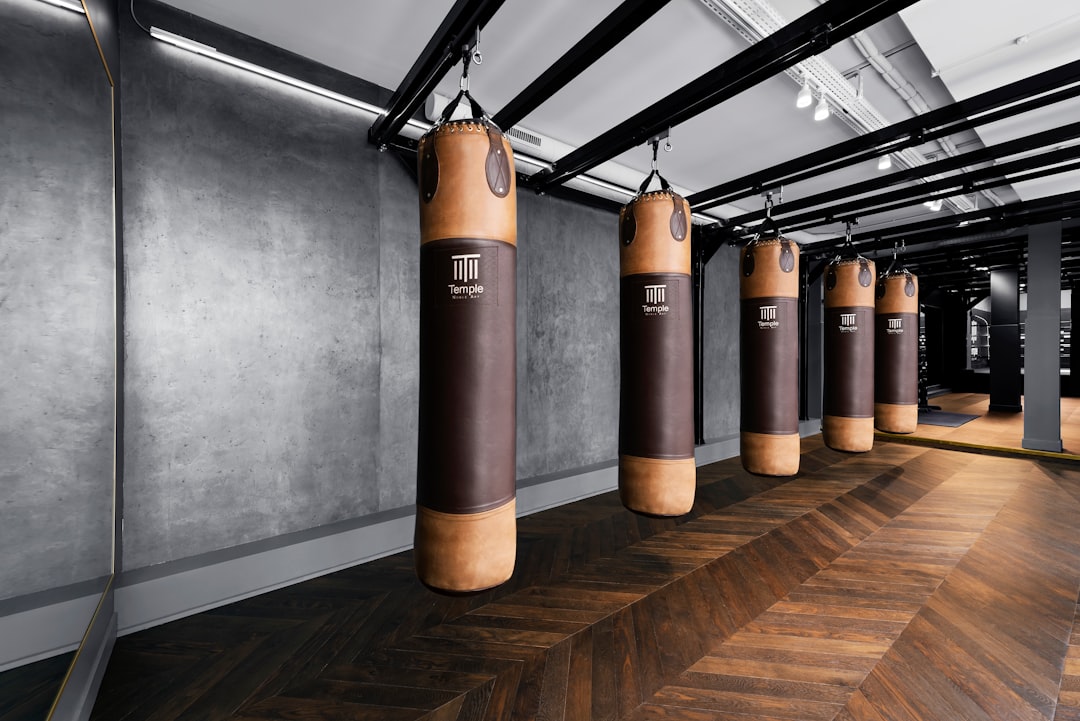
The Evolution of Learning Boxing Fundamentals
Years ago, boxing was passed down through gyms, cornermen, and old-school trainers. There wasn’t much room for debate—you trained where you were told, when you were told, and however your trainer saw fit. But as interest in fitness and martial arts exploded, so did options for learning.
Now, you can learn Boxing Fundamentals through structured classes, private sessions, online platforms, and even self-taught routines. What hasn’t changed? The importance of mastering the core elements—stance, footwork, defense, and punch mechanics.
So which path gives you the best foundation? Let’s unpack three distinct ways to learn these essential skills—and why each might—or might not—be right for you.
The Agency Model: Structured Group Learning
In the world of boxing, this is akin to joining a reputable boxing gym or enrolling in a formal class. Everything is organized: schedule, curriculum, mentorship.
This model works well if you thrive in community environments and benefit from peer motivation. Classes often follow a timeline—start with stance and balance, move into footwork drills, then defensive movements, and finally combinations.
“Group settings give you accountability and feedback from multiple angles.”
Here’s the breakdown:
- Pros:
- Structured progression
- Motivation from peers
- Access to experienced coaches
- Live feedback and corrections
- Regular sparring opportunities
- Established culture and tradition
- Varied training partners for realism
- Affordable access to premium equipment and space
- Exposure to a wide range of training philosophies
- Opportunities for leadership and mentorship roles
- Cons:
- Can feel rushed or impersonal
- Schedule constraints
- Limited one-on-one attention
- May not suit introverted learners
- Overcrowding during peak hours
- Fixed teaching styles that may not match your learning type
- Risk of picking up bad habits from fellow trainees
- Pressure to keep up regardless of personal readiness
- Potential for inconsistent instruction across different coaches
If you value consistency and enjoy learning alongside others, this could be the ideal model for building solid Boxing Fundamentals. Courses like our Boxing Fundamentals course also offer structure—but in a way that adapts to your pace.
Real-World Case Study #1: Sarah’s Journey at Gleason’s Gym
Sarah joined Gleason’s Gym in New York City after a two-year hiatus from boxing. She found the energy invigorating but struggled with the fast-paced group dynamics. Over time, she learned how to shadowbox efficiently, improved her endurance through pad work, and developed confidence during light sparring rounds—all thanks to the structured curriculum and peer-driven environment.
Real-World Case Study #2: Marcus Taps Into Community at a Local Boxing Club
Marcus joined a small local club near his workplace. Though they lacked top-tier facilities, he discovered the power of teamwork. Weekly classes helped him understand rhythm and timing, while observing seasoned members gave him cues on proper form. He credits the camaraderie with keeping him committed beyond initial enthusiasm.
Real-World Case Study #3: Elena Finds Her Voice at a Women-Centric Gym
Elena initially hesitated joining a male-dominated boxing scene. However, signing up for a women-specific boxing program changed everything. The supportive atmosphere enabled her to push boundaries without intimidation. She progressed rapidly in technical skills and gained profound mental strength, eventually joining co-ed tournaments confidently.
Real-World Case Study #4: James Transitions From MMA to Pure Boxing Classes
James had extensive MMA experience but wanted to refine his raw striking abilities. Enrolling in pure boxing classes revealed gaps in his footwork and guard maintenance. Through repetitive drills and focused feedback, he transformed his aggressive style into calculated precision—an upgrade that enhanced both disciplines.
Real-World Case Study #5: Kevin Uses Peer Dynamics To Push Past Plateaus
Kevin hit a plateau after six months of solo boxing workouts. Joining a competitive boxing gym introduced him to diverse sparring partners whose unique styles forced him out of comfort zones. Watching others’ mistakes taught him self-correction strategies, reigniting his passion and accelerating progress.
Practical Tips for Success in Agency-Based Training
- Arrive early to warm up properly before class starts
- Take notes or record sessions (with permission) for later review
- Ask experienced members for informal feedback outside class
- Track your improvements using a journal or app
- Set short-term goals aligned with the group program
- Stay hydrated throughout the session to maintain alertness
- Dress appropriately to accommodate changing activity intensities
- Engage respectfully with all participants regardless of skill level
- Focus equally on listening to instructions and watching demonstrations
The In-House Approach: Personalized Coaching
This is like having a dedicated boxing coach—one who tailors every session to your needs. In-house learning focuses on individual growth and deep understanding rather than group progress.
Imagine this: you walk into a private gym or hire a trainer who knows your strengths, weaknesses, and goals. They guide you from basic stance adjustments to complex movement patterns, ensuring no detail is overlooked.
It’s like having a mentor who’s invested in your journey—not just checking boxes off a syllabus.
What makes this path special?
- Pros:
- Fully customized feedback
- Focused attention on fundamentals
- Pace tailored to your comfort level
- Direct troubleshooting of bad habits
- Stronger mentor relationship
- Immediate adjustments to physical limitations or injuries
- Deeper emotional connection leading to greater discipline
- Detailed analysis of fighting IQ and mental toughness
- Custom-designed training cycles aligned with long-term objectives
- Confidentiality conducive to addressing sensitive concerns
- Cons:
- Expensive compared to group settings
- Requires finding the right coach
- Less social interaction
- Dependence on coach availability
- Potential mismatch between trainer’s expertise and your specific needs
- Lack of exposure to diverse training perspectives
- Risk of becoming overly dependent on external validation
- Possible scheduling conflicts with other life commitments
- Risk of complacency without peer comparison
This route may seem luxurious, but if your goal is precision and mastery of Boxing Fundamentals, sometimes paying more upfront saves you time—and injury—in the long run.
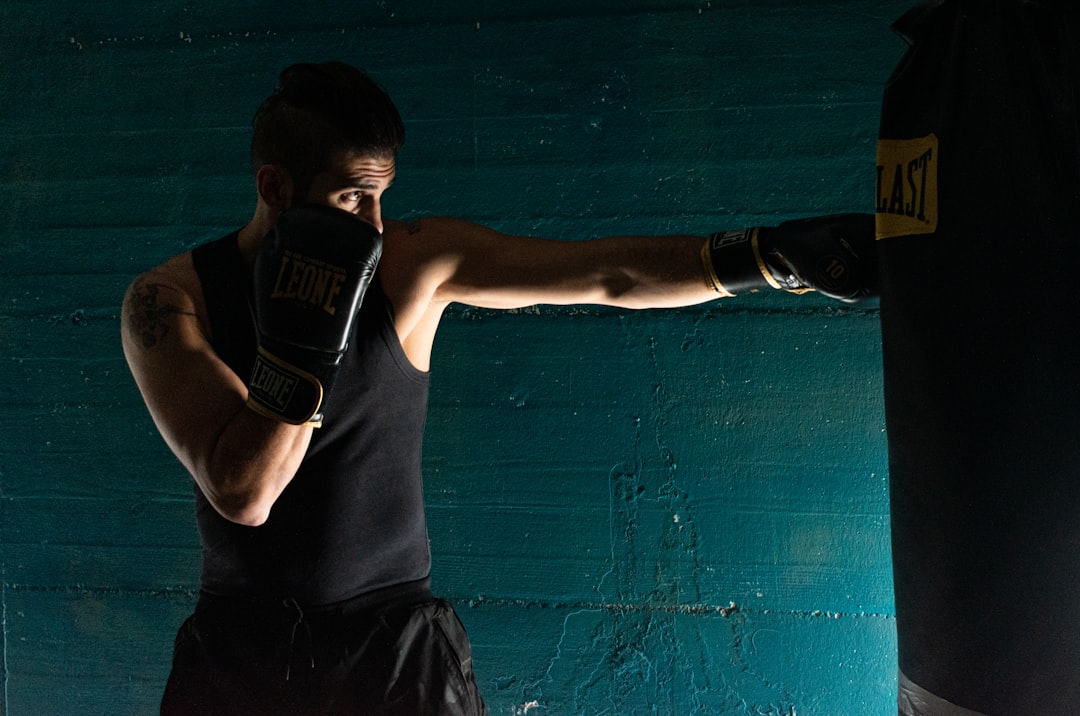
Case Study Example: From Injury to Precision – David’s Experience
David, a former kickboxer, suffered recurring shoulder pain due to improper punching technique. After switching to personalized coaching, his trainer identified misalignments in his posture and modified rotation patterns that saved him from chronic damage. Through targeted drills focusing solely on biomechanical efficiency, David rebuilt his entire upper body motion safely.
Real-World Story: Maria’s Mental Game Transformation
Maria excelled technically but lacked confidence under pressure. Her private coach focused heavily on visualization exercises, controlled breathing, and cognitive restructuring. By integrating mental resilience tactics into her physical regimen, she transformed fear-based hesitation into instinctual reaction—a shift visible even during casual bag workouts.
Case Study Insight: Chris Overhauls Core Mechanics with Precision Guidance
Chris possessed explosive speed but lacked stability. His coach isolated each movement segment, pinpointing excessive hip sway and unstable base alignment. Daily video reviews and micro-adjustment sessions refined his stance and foot positioning, turning erratic bursts into fluid transitions that maximized impact.
Case Study Insight: Lisa Develops Tactical Intelligence Under Supervision
Lisa knew how to throw powerful punches but couldn’t chain them effectively. Her trainer designed scenario-based drills simulating actual fight situations. This situational learning elevated her strategic awareness, helping her anticipate counterattacks and develop smoother combination flows with purposeful intent.
Case Study Insight: Tony Regains Rhythm Following Surgery Recovery
Tony lost muscle memory due to prolonged surgery recovery. Working closely with a rehab-oriented boxing trainer reintroduced functional mobility gradually. Controlled shadowboxing routines restored neuromuscular coordination, allowing him to regain previous prowess while respecting post-operative limitations.
How Exactly Does In-House Learning Differ Psychologically?
Private coaching allows for a deeper examination of subconscious behaviors such as flinching, overcompensating, or avoiding eye contact—all signals rooted in psychological responses rather than mere lack of skill. With consistent observation and intervention, these tendencies can be addressed comprehensively. Unlike group settings where behavioral anomalies fade into background noise, one-on-one sessions spotlight hidden performance barriers.
Best Practices When Choosing a One-on-One Trainer
- Verify certifications and real-world experience
- Request trial sessions to assess compatibility
- Clarify expectations regarding teaching philosophy and focus areas
- Negotiate flexible scheduling and pricing plans
- Ensure safety protocols are clearly communicated
- Check references or testimonials from previous clients
- Evaluate their communication style and responsiveness
- Confirm willingness to collaborate with healthcare professionals if needed
- Inquire about contingency plans for emergencies or unexpected absences
The Freelance Route: DIY with Freedom
Let’s get real for a second. Not everyone has the budget or schedule for a boxing gym or personal coach. That’s where the freelance approach comes in—an independent pursuit of learning through books, videos, apps, and home practice.
Think of this as being your own boss in the ring. You set the pace, choose the resources, and learn on your own terms. This method works fantastically—if you’re disciplined, curious, and open to feedback (even if it’s delayed).
But here’s the kicker:
You have to be brutally honest about your ability to evaluate your own form. No mirror will tell you everything, and no app will catch subtle alignment issues. Still, with consistent effort, this path can yield serious results.
- Pros:
- Complete flexibility in timing
- No recurring costs
- Self-directed learning
- Ideal for visual learners
- Freedom to explore various techniques
- Encourages analytical thinking and problem-solving
- Perfect for those balancing busy schedules
- Opportunity to develop intrinsic motivation without external pressure
- Total control over training volume and intensity
- Ability to revisit foundational concepts as needed
- Cons:
- No live correction
- Risk of reinforcing bad habits
- Slower progress without accountability
- Easy to plateau without guidance
- Isolation can lead to loss of motivation
- Uncertainty around correct form unless reviewed externally
- Limited opportunities to test reactions under real conditions
- Lack of competitive stimulus and sparring exposure
- No access to high-end equipment
If you go this route, consider pairing self-study with occasional check-ins or workshops—just enough to stay grounded in proper form.
Case Study Insight: Jamie’s Self-Taught Breakthrough
Jamie studied YouTube tutorials religiously and built a makeshift home gym with heavy bags and resistance bands. Initially, his footwork lagged behind his hand speed. Eventually, comparing his recorded sessions with professional fighters revealed key flaws. He corrected them by slowing down sequences repeatedly, eventually reaching semi-professional levels within two years—all autonomously.
Example Scenario: Alex Overcomes Plateau Using Hybrid Methods
Alex started with online courses but hit a wall when certain movements felt “off.” He booked intermittent lessons with a certified trainer, who diagnosed rotational imbalances in his hip engagement. These sessions unlocked breakthrough improvements in power generation, proving that hybrid learning accelerates autonomous development significantly.
Case Study Insight: Rachel Rebuilds Technique Postpartum at Home
Rachel returned to boxing shortly after childbirth. Limited childcare options led her to adopt a DIY approach. Starting with basic shadowboxing and low-impact cardio, she slowly integrated advanced drills via guided apps. Regular form checks with her phone ensured steady progression without compromising maternal health priorities.
Case Study Insight: Theo Balances Academic Workload With Autonomous Practice
Theo juggled university exams with boxing ambitions. Creating brief, intense routine blocks allowed him to maintain form retention during demanding periods. Incorporating quick warm-ups between study breaks helped sustain consistency without major scheduling sacrifices.
Case Study Insight: Priya Combines Cultural Research with Physical Execution
Priya explored historical boxing styles through literature and films. She applied theories by recreating vintage stances manually, then filming herself to compare execution authenticity. This blended academic curiosity with hands-on application, enriching both intellectual and physical dimensions of her practice.
Why Visual Feedback Is Crucial Even Without Live Instruction
Mirrors, video recordings, and slow-motion playback allow individuals to simulate third-party observation. By objectively reviewing their execution frame-by-frame, trainees can identify slight deviations in angle, position, or weight transfer that otherwise go unnoticed. Tools like smartphone mounts facing full-body mirrors enhance this process dramatically, making DIY learning less risky and more effective.
Essential Equipment Recommendations for Independent Learners
- Full-length mirror or motion-capturing camera setup
- Heavy bag with swivel mount for dynamic feedback
- Jump rope and agility ladder for conditioning
- Protective gear including gloves, wraps, and headgear
- Notebook or digital log for tracking daily progress
- Timer or interval app for workout pacing
- Sturdy punching mitts for solo drills
- Resistance bands targeting various muscle groups
- Measuring tape for periodic measurement tracking
- High-quality headphones to isolate audio cues from videos
Bridging the Gaps: A Hybrid Future for Boxing Fundamentals
As technology evolves, so do our learning preferences. Today’s learners don’t have to pick one lane—they can blend approaches for maximum benefit.
Maybe you start with an online course to build foundational knowledge. Then supplement with a few in-person sessions to refine technique. Later, you maintain momentum through home drills while attending group classes weekly for energy and practice.
The beauty of modern boxing education lies in its adaptability. Whether it’s following along with instructional material like our Boxing Fundamentals course or syncing up with local gyms for hands-on reinforcement—the lines between methods are blurring.
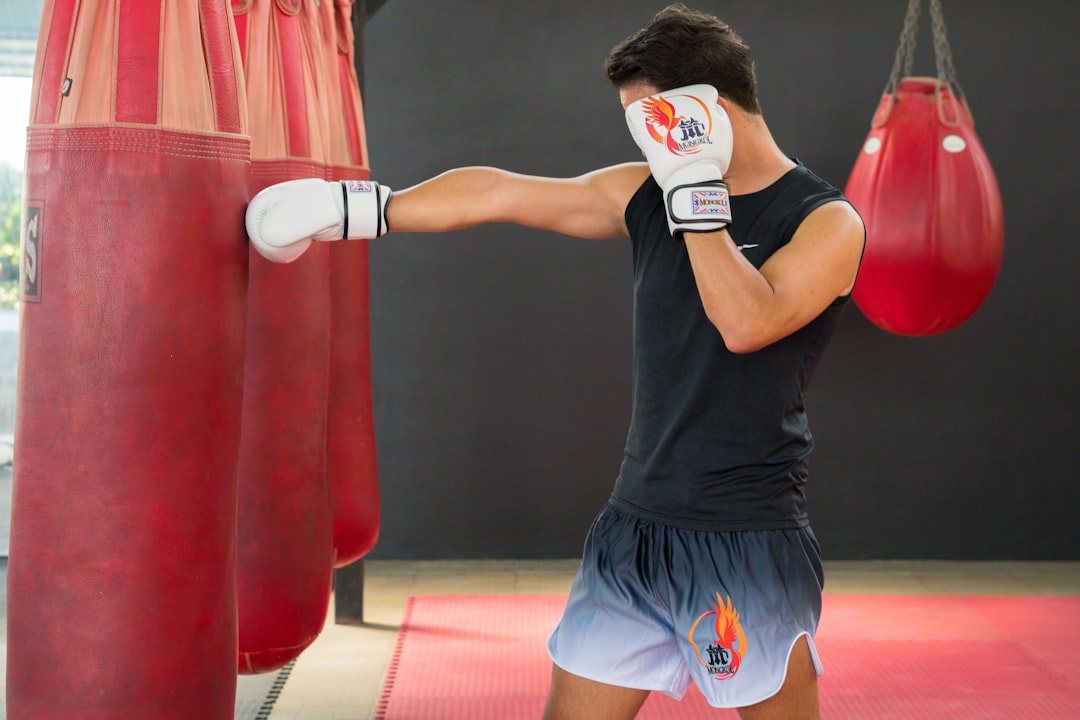
Hybrid Method Case Study: Emily Builds Confidence Through Blended Learning
Emily took advantage of a hybrid model combining virtual lessons via Zoom with bi-weekly gym visits. She used apps to track her punches and studied detailed breakdowns posted on forums. Combining self-assessment tools and limited face-to-face critique allowed her to avoid stagnation while staying budget-conscious. Within eight months, she comfortably entered her first amateur bout.
New Section: Measuring Progress Across Hybrid Models
Tracking progress across blended modalities requires clear benchmarks. Start with measurable outcomes like:
- Improved balance during shadowboxing over three weeks
- Increased bag hitting accuracy per minute
- Enhanced coordination reflected in skipping rhythm
- Greater stamina maintained during timed rounds
- Reduction in unnecessary muscle tension during execution
- Growing confidence to attempt new techniques independently
- Ability to adapt familiar movements under stress simulations
Pair these quantitative measures with qualitative reflections such as journal entries outlining shifts in mindset, comfort level with particular techniques, or changes in how your body responds post-training.
Warning Signs That Indicate You Need External Correction
- Consistent soreness in joints unrelated to exertion
- Repeatedly failing to execute moves despite repetition
- Loss of interest or enthusiasm without apparent reason
- Frequent fatigue or burnout during solo practice
- Inability to break through persistent plateaus
- Noticing increased reliance on compensatory movements
- Significant discrepancy between perceived and actual performance
Choosing the Right Path for Your Goals
Ultimately, your decision depends less on the method—and more on your personality, lifestyle, and commitment level. Ask yourself:
- Do I learn better alone or with others?
- Am I okay with delayed feedback?
- Can I afford both time and money for high-quality instruction?
- What are my ultimate boxing goals—fitness, competition, or personal interest?
- Am I prepared to adjust my strategy based on results?
- Do I respond better to structure or freedom in setting routines?
- Am I patient enough to see gradual improvement unfold?
- Can I realistically maintain regularity in my chosen method?
- Am I willing to seek help when I encounter obstacles?
- Do I prioritize perfection over progression?
If you’re looking to master Boxing Fundamentals, remember that good form is non-negotiable. How you acquire it matters—but not as much as sticking with it until it becomes second nature.
Each path offers unique advantages. Agencies provide momentum and community. In-house mentorship delivers depth and clarity. Freelance routes empower autonomy and creativity.
And now that you’ve walked through the evolution of boxing learning strategies—from traditional gyms to digital independence—you’re ready to choose wisely.
Because boxing, at its heart, isn’t about where you train—it’s about what you carry forward. So bookmark this page. Revisit it when you’re weighing your next step in mastering those all-important fundamentals.