

Have you ever wondered how long it actually takes to become skilled at décolleté and face massage—without burning out or feeling overwhelmed? In a world where instant results are promised in 5-minute YouTube tutorials, the path to mastery often feels frustratingly unclear.
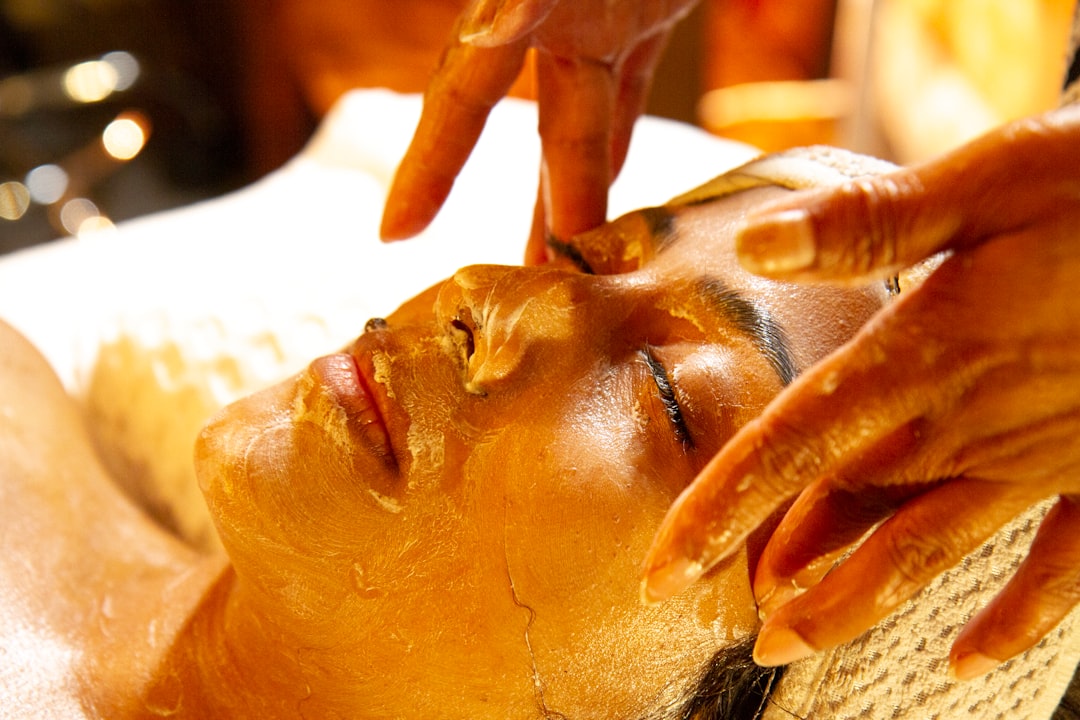
Let’s bust that myth right now: real skill doesn’t come overnight. But here’s the good news—it also doesn’t take decades. With consistent effort, the right approach, and an understanding of what to expect along the way, anyone can learn to perform effective and relaxing décolleté and face massages confidently.
The Early Days: Setting Realistic Expectations
If you’re just starting out, your first instinct might be to dive into every technique you see online or in courses like Décolleté and Face Massage. That enthusiasm is great—but without structure, it can quickly lead to confusion and frustration.
- You may feel awkward manipulating pressure and rhythm
- Understanding anatomy can seem overwhelming
- Finding the right balance between firmness and gentleness isn’t easy
This stage usually lasts anywhere from two weeks to a month, depending on how much time you dedicate.
What You’ll Learn in Your First Month
- Basic strokes: effleurage, petrissage, tapotement
- Where muscles lie under skin—just enough to guide your hands
- How to read your client’s comfort levels (non-verbal cues matter)
- Essential oils and their properties
This foundational knowledge gives you a solid base to build upon. you something solid to build upon. And yes, it starts feeling natural sooner than you think.
Beyond Basics: Building Confidence and Nuance
After a few months of practice, you move beyond copying movements—you begin creating flow. This shift separates hobbyists from practitioners who deliver consistent experiences.
During this period:
- Rhythm becomes intuitive rather than mechanical
- You notice subtle differences in tissue tension across individuals
- You develop personalized routines based on needs (relaxation vs energy boosting)
This phase typically unfolds over three to six months, assuming regular practice—even if it’s only once or twice a week with friends or family members.
“Consistency beats intensity when building lasting skills.”
Tips for Accelerating Progress Safely
Here’s where many go wrong—they rush through stages without reflection. Slow down to speed up:
- Journal after each session: What worked? What didn’t?
- Watch videos occasionally: See how experts transition between moves
- Ask for feedback: Honest responses give perspective you won’t get alone
These habits will shorten your learning curve significantly while preventing bad muscle memory from forming.
Mastery Stage: When Touch Becomes Communication
The final frontier isn’t about mastering dozens of exotic techniques—it’s about refining your ability to connect emotionally and physically with those you’re working on.
At this point:
- Your touch communicates care even before words do
- You anticipate discomfort or tension without being told
- You adapt easily to different body types and preferences
This level generally emerges after one year of steady engagement, though some reach it faster depending on background and sensitivity.
A Common Misconception About Mastery
There’s a myth that true proficiency requires years of formal training. While structured programs like Décolleté and Face Massage offer invaluable guidance, self-taught individuals absolutely can achieve excellence.
The key lies in combining curiosity with discipline—you don’t need credentials to cultivate intuition.
Comparing Paths: Self-Taught vs Structured Learning
Both routes have merits, but which suits your lifestyle best?
| Aspect | Self-Taught | Structured Program |
|---|---|---|
| Pace Control | Flexible – go as fast or slow as you wish | Guided progression with deadlines |
| Support System | Limited unless actively seeking communities | Built-in mentors and peer interaction |
| Cost | Low cost, mostly free resources | Higher investment upfront |
| Accountability | Relies heavily on personal motivation | Milestone-based encouragement |
In truth, both approaches work well—as long as they align with your personality and commitment style.
Final Thoughts: Your Journey Is Unique
No two paths to proficiency look exactly alike—and that’s perfectly okay. Whether you choose to learn independently or enroll in guided coursework, remember that growth comes not from perfection, but from thoughtful repetition and genuine connection with the craft.
So, take a deep breath. Put your hands to practice. Enjoy the journey. And maybe most importantly—share what you’ve learned with someone else who could use a moment of calm relief.