

Most people think managing physical and chronic illnesses means sticking to the same old routines—doctor visits, medications, and endless symptom tracking. But what if there were smarter, more empowering ways to take control? What if new tools could help you understand your body better, reduce stress, and even predict flare-ups?
You might be surprised to learn how much innovation is happening in this space. From wearable tech that learns your patterns to mind-body practices backed by science, we’re entering an era where living well with chronic illness isn’t just possible—it’s becoming easier.
The Reality Behind Managing Chronic Conditions
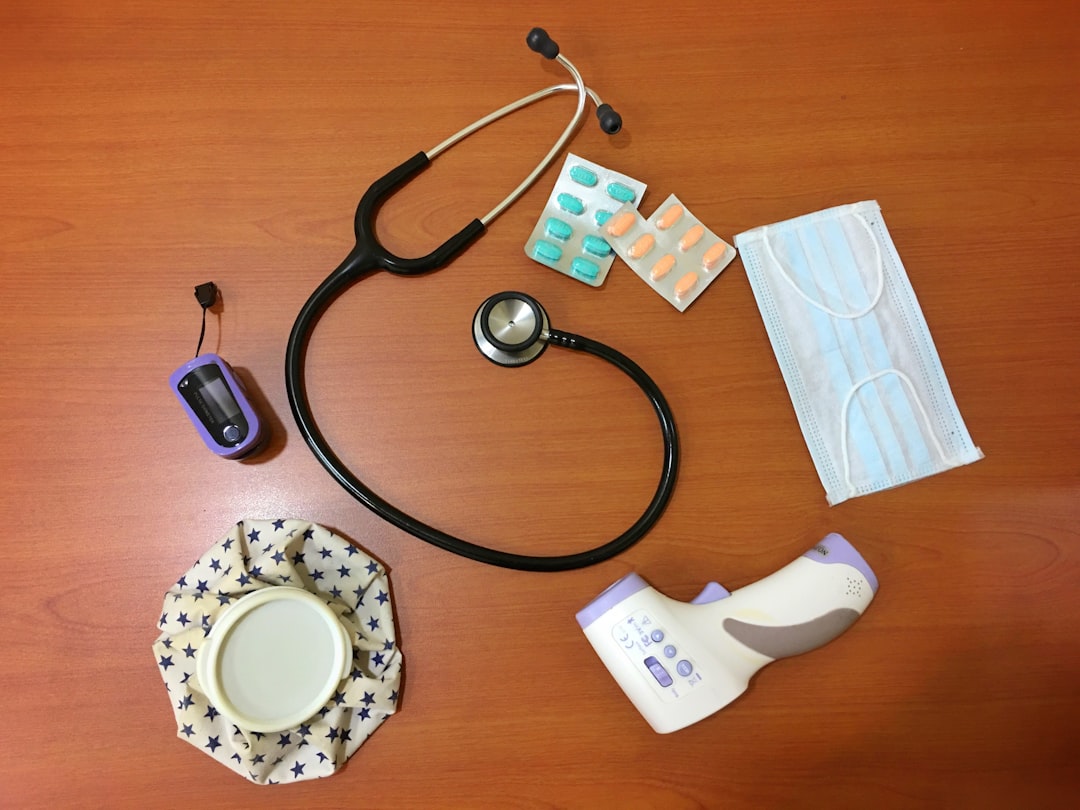
If you’ve ever felt overwhelmed trying to manage a chronic condition, you’re not alone. Many people assume that managing these illnesses is purely medical—but it goes far beyond pills and checkups. It involves lifestyle changes, emotional resilience, daily habits, and yes—even smart tools that support holistic care.
Consider Maria, a 45-year-old mother diagnosed with Crohn’s disease. After years of hospitalizations and mismanaged treatment plans, she found relief through a combination of a symptom-tracking app and personalized nutrition guidance generated from her logged food intake. By identifying specific inflammatory foods, she reduced her emergency room visits significantly within six months.
Jamal, who lives with multiple sclerosis (MS), turned to mindfulness-based digital interventions that helped him navigate anxiety surrounding mobility issues. Rather than suppressing his feelings, he was guided through cognitive restructuring exercises that gradually changed how he perceived setbacks—a critical component when living with unpredictable conditions.
Think of your condition like a garden: medication treats the weeds, but without sunlight (self-care), water (support), and soil quality (mental health), growth remains stunted. That’s why emerging tools focus less on treating symptoms and more on helping individuals cultivate their own wellness ecosystem.
“Living with chronic illness is not about controlling everything—it’s about learning which parts you can influence.”
Why Emerging Tools Are a Game-Changer
In recent years, technology has shifted from one-size-fits-all approaches to personalized solutions tailored to individual needs. For those dealing with long-term conditions like arthritis, diabetes, fibromyalgia, or autoimmune disorders, this shift feels especially significant.
Take Sarah, a woman with rheumatoid arthritis who uses a smartwatch synced with an AI-powered symptom predictor. Over time, the system learned that high pollen counts combined with poor sleep predicted joint swelling two days later. She now adjusts her rest schedule accordingly, preventing unnecessary pain.
Another compelling example is David, who manages type 2 diabetes. His glucose monitor uploads readings to an app that cross-references dietary logs and medication timing. The platform identified that skipping breakfast led to elevated afternoon blood sugar despite consistent insulin use—an insight missed during countless doctor visits.
Here’s the thing: traditional management often focuses on reactive measures. You get sick, then respond. But newer tools allow for proactive care. They don’t replace doctors—they enhance communication between patients and providers, leading to better outcomes and fewer surprises.
Plus, they put power back into the hands of the person doing the living—which matters deeply when your life depends on consistent decisions every day.
Your Step-by-Step Guide to Leveraging New Tools
Are you ready to explore practical options that go beyond standard treatments? Here’s how to start incorporating transformative tools into your routine:
Step 1: Track Smarter, Not Harder
Gone are the days of scribbling notes in journals or forgetting to log symptoms. Today’s tracking apps integrate seamlessly into your phone and sync effortlessly across devices. They allow you to monitor pain levels, energy, moods, sleep, food intake, activities, and triggers—all in one place.
- Set reminders so nothing slips through the cracks
- Create visual reports to spot trends quickly
- Export data to share directly with healthcare providers during appointments
- Use voice-to-text features for fast logging during flare-ups
- Enable automatic syncing with wearables such as blood pressure cuffs or insulin pumps
- Select color-coded tags to categorize symptoms by severity or category for faster future reference
Lena, who suffers from lupus, began tagging entries based on sun exposure duration. Through pattern analysis, she realized even short periods outdoors without sunscreen correlated strongly with increased fatigue and rashes the following day—an easy fix once spotted.
Step 2: Try Wearables That Learn From You
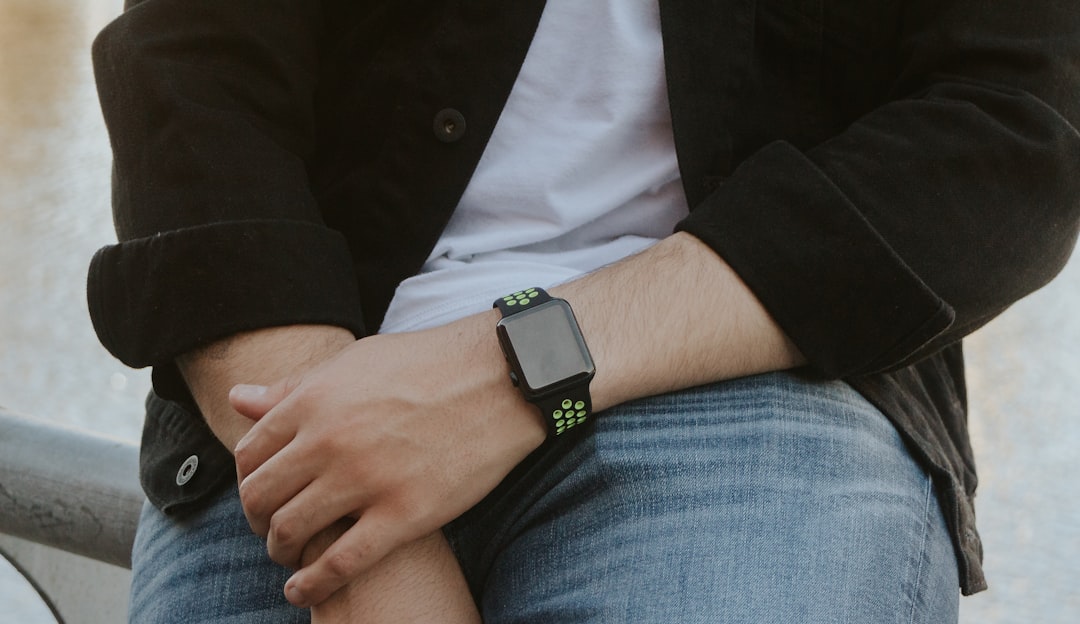
Wearable fitness trackers have evolved dramatically. Some now detect early signs of fatigue, inflammation responses, or even heart rate variability linked to autoimmune activity. While not diagnostic, these insights give users a heads-up before full-blown symptoms hit.
Consider Tom, whose Fitbit detected subtle nighttime heart rate increases weeks before his ulcerative colitis flared up again. He adjusted his medication proactively under his gastroenterologist’s supervision, avoiding hospitalization entirely.
Similarly, Jennifer wears a ring-style tracker that measures skin temperature and respiratory rate. During a particularly stressful period, the device noted elevated baseline readings—prompting her to seek mental health support earlier than usual. Early intervention prevented a cascade of physical symptoms tied to unmanaged anxiety.
This brings us to a crucial point: wearables work best when paired with awareness—not passive monitoring.
Step 3: Explore Digital Therapeutics
Digital therapeutics are doctor-approved programs delivered via apps designed to treat certain conditions alongside traditional care. Think of them as structured therapy sessions, meditation guides, or cognitive behavioral modules built specifically around managing chronic disease.
- Focused breathing exercises for panic attacks triggered by flare-ups
- Mindfulness coaching for pain acceptance
- Cognitive restructuring tools for negative thought cycles
- Progressive muscle relaxation techniques tailored to fatigue management
- Interactive goal-setting modules that adapt to fluctuating abilities
- Pain distraction games or audio experiences proven effective in clinical trials
Eva, a fibromyalgia sufferer, joined a digital CBT program focused on redefining her relationship with pain. Unlike conventional talk therapy, the program included interactive modules that adapted to her mood and energy levels weekly. Within three months, she reported improved coping mechanisms and decreased reliance on rescue medications.
These aren’t one-off downloads—they’re evidence-based pathways meant to guide behavior change over time.
Step 4: Tap Into AI-Powered Symptom Predictors
Have you ever noticed a pattern only after experiencing something repeatedly? AI-powered tools analyze vast amounts of personal health data to alert you when risk factors align—before symptoms begin.
Ariana, who battles endometriosis, discovered that her menstrual cycle phase intersected with stress hormone spikes tracked by her wearable. Using an AI model trained on her historical input, the app warned her ahead of time to prepare for severe cramping—and armed with that info, she scheduled extra rest days at work automatically each month.
Michael, diagnosed with chronic migraines, enabled a machine learning algorithm integrated with his headache diary and weather API feeds. It revealed atmospheric pressure drops consistently preceded cluster headaches by 18–24 hours—giving him ample warning to premedicate effectively.
Imagine knowing a few hours ahead that today may bring increased joint swelling or digestive discomfort because of yesterday’s meals, activity level, and weather shifts. This isn’t fortune-telling—it’s predictive analytics working for your wellbeing.
Step 5: Engage With Peer Support Communities Designed Around Technology
Social connection doesn’t always mean large group forums anymore. Modern platforms use algorithms to match users facing similar diagnoses, symptoms, or challenges—often anonymously. These communities provide real-time support, shared tips, and emotional relief grounded in relatability rather than clinical advice.
Rachel, diagnosed with Ehlers-Danlos Syndrome, connected with others via a symptom-matching algorithm that grouped her with peers experiencing hypermobility-related joint instabilities. Sharing adaptive gear recommendations and pacing strategies gave her confidence navigating unfamiliar environments independently.
Meanwhile, Kevin joined a closed Facebook community powered by AI moderation that flagged duplicate questions and suggested relevant threads already answered. This saved time digging through clutter and let him access curated information almost effortlessly—something especially important during low-energy phases.
It’s the difference between asking strangers online versus speaking with someone who truly understands what a spoonie life looks like.

Putting It All Together – A Personalized Approach Matters Most
Each tool mentioned above plays its part—but none should be used in isolation. Instead, consider how combinations might fit your unique rhythm and priorities.
For instance, pairing symptom-tracker outputs with wearable inputs creates richer datasets that inform decision-making more accurately. Or pairing wearable alerts with digital therapeutic prompts ensures behavioral interventions happen right when needed most.
- Pair symptom-tracking with wearable inputs to create richer datasets
- Use digital therapeutics while journaling reflections afterward
- Join peer groups relevant to both diagnosis and current struggles
- Combine environmental sensors (e.g., air quality monitors) with wearable alerts
- Integrate medication adherence apps with symptom predictors for feedback loops
Remember, the goal isn’t perfection—it’s progress. Start small. Build consistency. Adapt along the way.
Resources That Will Help You Dig Deeper
To get started today, look for:
- Guided courses teaching foundational knowledge about chronic illness
- Free trials of tracking apps that accept insurance codes
- Websites offering downloadable templates for customizing daily logs
- Podcasts featuring interviews with researchers and fellow patients
- YouTube creators showcasing adaptive equipment reviews and DIY solutions
- Local advocacy organizations offering technology workshops for disabled individuals
- Clinical trial databases listing open enrollment for novel digital interventions
If you’re looking for further education, our course covers Physical and Chronic Illnesses, focusing on self-management strategies supported by modern tools and lifestyle frameworks.
Beyond Just Tools—A Shift Toward Empowerment
What makes these emerging tools special isn’t their complexity—it’s their simplicity in execution and scalability in impact. Whether it’s reminding you to hydrate midday or showing patterns linking low vitamin D and joint stiffness, each feature nudges toward autonomy.
It also reflects a broader movement: shifting patient roles from passive recipients to active participants in care planning. When people track, anticipate, and adjust their behaviors accordingly, clinicians gain clearer insight into root causes—not just surface-level complaints.
As you implement these tools step by step, remember that managing chronic illness is no longer about fighting against your body—it’s about collaborating with it.
So whether you’re newly diagnosed or have lived with a condition for years, know this—you already hold the keys to making meaningful improvements. Sometimes all it takes is seeing the possibilities differently.
Now I’d love to hear from you.
Which of these tools resonates most with your experience? Share below—or pass this along to someone who might benefit from exploring them.