

Have you ever wondered how tourism shapes the very land it celebrates? While we marvel at Instagram-worthy sunsets and cultural festivals, there’s an intricate web beneath — one where geography, ethics, and human responsibility intersect.
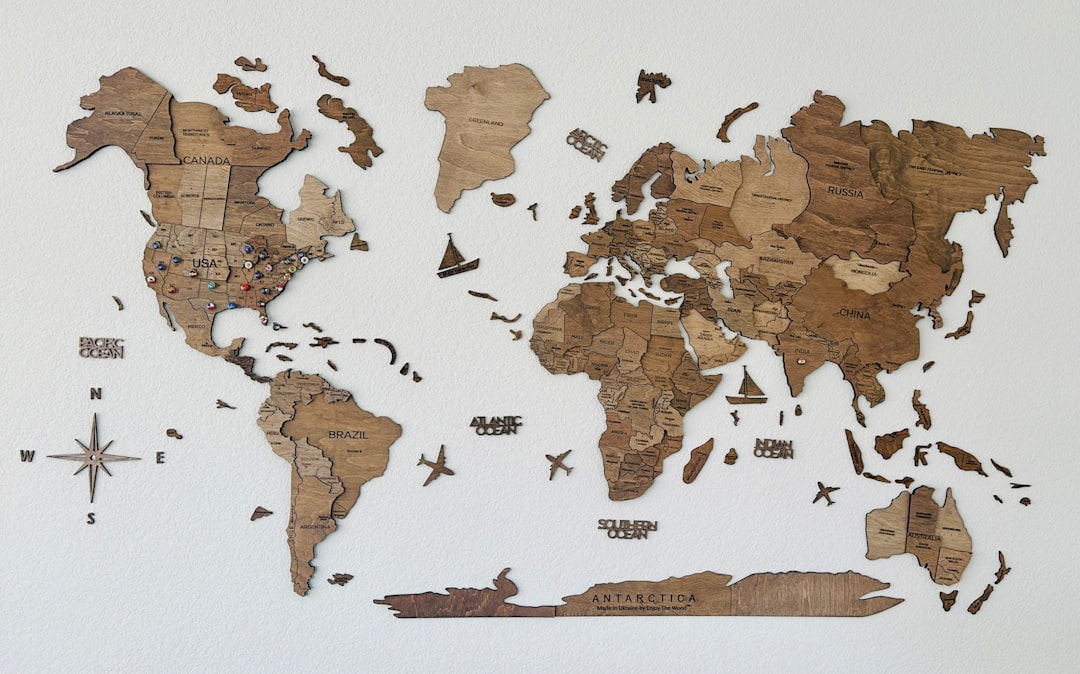
Tourism Geography, often overshadowed by more mainstream branches of geography, plays a pivotal role in understanding how travel impacts our planet. But beyond mapping tourist hotspots and analyzing visitor flows, lies a deeper narrative: the ethical implications of how we move through space.
The Moral Compass of Place
Think about it this way: every time someone books a trip, they’re essentially casting a vote for the kind of world they want to live in. The destinations that thrive under responsible tourism are those that treat both their landscapes and local communities as partners rather than resources to exploit.
This is where Ethics and Responsibility come into play. As professionals shaping tourism experiences, we must ask ourselves not just where people go, but how they get there, what they leave behind, and whether the balance tilts toward benefit or harm.
Ethical tourism isn’t a trend—it’s an obligation rooted in geographic awareness.
You might be wondering, “Isn’t all tourism inherently beneficial?” Let me explain why that’s not always the case.
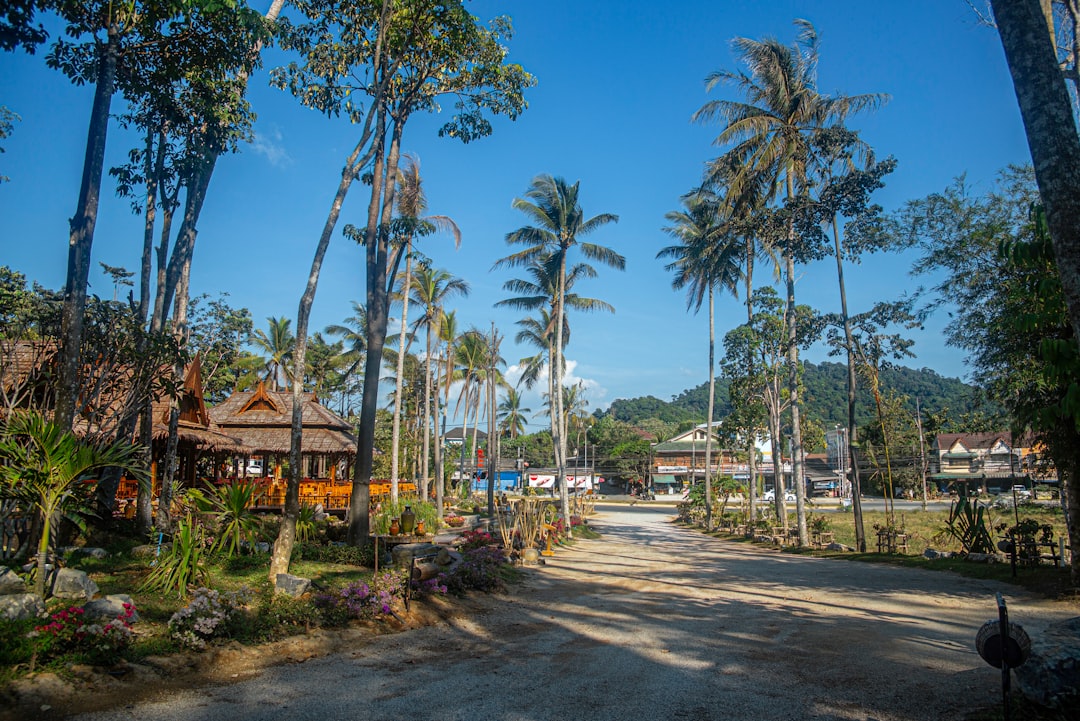
In many coastal towns across Southeast Asia, unchecked tourism has led to coral reef degradation and displacement of locals due to rising property prices, and erosion of traditional lifestyles. These aren’t isolated incidents—they’re symptoms of a system that prioritizes profit over preservation.
When Geography Meets Accountability
Tourism Geography doesn’t merely track foot traffic; it examines the ripple effects of movement. From climate change patterns influencing destination viability to indigenous rights being infringed upon for luxury resort developments—geographic literacy gives us the tools to see the full picture.
Here’s the thing: most professionals already understand the basics of carrying capacity, environmental footprints, and cultural sensitivity. But applying these principles ethically requires going beyond textbook definitions.
- How do we ensure equitable economic benefits reach local populations?
- What does authentic community engagement look like on the ground?
- Can tourism actually support conservation efforts instead of depleting them?
- Where do digital platforms fit in promoting transparent, fair practices?
- How can governments align policies with long-term sustainability goals?
If you’ve spent any time working in this field, you know that answers aren’t simple. They involve complex negotiations between stakeholders, regulatory frameworks, and market forces. But that complexity shouldn’t deter us—it should inspire curiosity and innovation.
Redefining Value Through Responsible Design
One of the most exciting shifts happening today is how designers, planners, and operators are rethinking value creation within Tourism Geography. Rather than focusing solely on revenue metrics, they’re embedding ethical considerations directly into product development.
This brings us to a compelling example: rural agritourism projects in Latin America. By integrating traveler experiences with small-scale farming, communities gain additional income while visitors gain insight into sustainable agriculture—all grounded in geographic context. It’s win-win—but only when implemented thoughtfully.
So, how can professionals embed ethics without compromising profitability?
- Collaborate Locally: Partnering directly with residents ensures decisions reflect real needs—not assumptions.
- Leverage Data Responsibly: Use spatial analysis to anticipate negative externalities before they occur.
- Promote Slow Travel: Encourage immersive, low-impact journeys that respect both environment and culture.
- Create Feedback Loops: Establish systems for ongoing evaluation so strategies evolve based on outcomes.
- Advocate Systemically: Push for policy changes that reward ethical behavior financially.
These approaches require intentionality—and sometimes courage. Challenging norms isn’t easy when short-term gains dominate decision-making. Yet, pioneers in responsible tourism continue proving its feasibility daily.
Beyond Best Practices – A New Paradigm
Let’s zoom out for a moment. What if Tourism Geography evolved not just as a descriptive science, but as an active agent of positive transformation? Imagine if every map we created reflected not just attractions, but also opportunities for mutual upliftment.
We’re not far from that future. Emerging technologies like GIS mapping now enable real-time monitoring of ecological stressors. Meanwhile, collaborative networks among professionals are fostering shared accountability standards. These developments open doors unimaginable even a decade ago.
Take regenerative tourism models emerging in Africa, which actively restore wildlife habitats through eco-tours. This isn’t just greenwashing—it’s a strategic alignment of business success with planetary health, guided precisely by geographic intelligence.
Still, let’s not romanticize the journey ahead. Progress demands consistent effort. It means holding ourselves accountable when things don’t go according to plan. And perhaps most importantly, it means listening—especially to voices historically marginalized in global tourism narratives.
Your Role in Shaping Tomorrow’s Tourism Landscape
Whether you’re designing new itineraries, advising policymakers, or leading field research initiatives, your work contributes to shaping tomorrow’s Tourism Geography. Every choice—from selecting vendors to marketing messaging—is part of a larger dialogue about values.
I challenge you to consider: How would your current practices change if you measured success not only in bookings, but in biodiversity improved, jobs created locally, or youth empowered culturally?
To deepen your expertise in this evolving landscape, exploring courses such as Tourism Geography offers advanced insights tailored for industry leaders committed to meaningful progress.
Because ultimately, tourism isn’t just about moving bodies from point A to B. It’s about ensuring the places we visit remain vibrant, resilient, and respected—for generations to come.