

You’ve probably noticed it—manual labor jobs that used to take all day now wrap up in just a few hours. What’s behind this shift isn’t magic; it’s strategy, innovation, and yes… smart productivity tools.
In an age where physical work still powers much of our economy, workers who rely on their hands, backs, and boots are discovering smarter ways to get things done faster, safer, and more efficiently. But what does this really look like?

The Evolution of Manual Labor Productivity
Let’s start by looking back—not too far, but enough to see how dramatically things have changed. Imagine building a house in the early 20th century with nothing but hand tools, brute strength, and endless patience.
Back then, construction crews were large teams working under harsh conditions for weeks on end. Fast forward to today, and modern construction sites buzz with precision machines, coordinated workflows, and digital planning systems. The difference? Not just speed—but also safety, quality, and sustainability.
This evolution didn’t happen overnight. It’s been shaped by decades of technological progress, evolving workplace expectations, and growing demand for greater productivity across industries reliant on manual labor—from manufacturing floors to logistics centers, agriculture fields to maintenance services.
What makes this transformation remarkable is that while automation has taken over many repetitive tasks, the core value of human skilll remains central. Tools aren’t replacing people—they’re enhancing them.
Take Caterpillar’s Cat Connect suite, for instance. This system integrates telematics into machinery, allowing supervisors to monitor fuel efficiency, track hours of use, and identify maintenance needs remotely. In one Texas highway expansion project, these insights helped reduce idle time by 18% and cut fuel costs by $70,000 annually per site. Similarly, Komatsu’s Smart Construction platform combines drone surveys, GPS-guided bulldozers, and real-time data analytics to optimize earthmoving operations. One Japanese contractor saw a 30% reduction in total excavation time simply by adopting precise grading techniques enabled through integrated software.
Why Traditional Methods Fall Short Today
- Lack of Real-Time Communication: In the past, delays meant waiting days for instructions or materials. Now we expect instant updates.
- Poor Ergonomics: Repetitive strain injuries used to be common because no one knew better. Modern tools help prevent these issues from occurring.
- Inefficient Resource Allocation: Workers often wait around due to miscommunication or logistical errors.
- Data Blindness: Without tracking performance metrics, opportunities for improvement go unnoticed.
So if traditional methods leave so much room for error and fatigue, what can be done differently now?
This brings us to a new wave of productivity tools designed specifically for those whose workday revolves around tangible outcomes—the builders, movers, repairers, installers, and fixers among us.
“Productivity doesn’t mean doing more—it means doing better.”
Tools That Boost Efficiency Across Industries
If you’re involved in any form of manual work, chances are there’s already a tool out there made to streamline your process without compromising quality or safety.
Here’s how smart tech meets muscle power head-on:
- Digital Work Order Systems – Say goodbye to scribbled notes passed around dusty lockers. Digital platforms let supervisors assign, track, and update job statuses instantly. No more lost paperwork means fewer missed deadlines.
- Wearable Tech & Safety Monitors – From hard hats equipped with sensors to vibrating vests that warn when posture is off-track, wearables improve both awareness and prevention. These devices protect workers and reduce downtime caused by injury.
- Mobile Scanners & Inventory Apps – Instead of manually counting stock or hunting down misplaced parts, handheld scanners linked to databases ensure accurate records and fast access during critical moments.
- Augmented Reality (AR) Training Modules – New hires don’t have to learn everything through trial and error anymore. AR overlays step-by-step guidance directly onto real-world objects, making complex procedures easier to grasp quickly.

A prime example of digital work order effectiveness comes from Field Service Lightning, which transformed operations at Siemens Energy. Technicians received assignments via mobile app complete with schematics, service history, and spare part availability. Faulty turbine diagnostics were resolved 25% faster due to real-time access to expert advice and component tracking capability. Another compelling case involves Trimble’s Connected Site solution implemented across multiple U.S. road-building projects. Integration between field tablets, GPS surveying units, and back-office ERP allowed crews to adjust pavement thickness specs on-the-fly based on soil compaction reports. As a result, material waste dropped by nearly 20%, saving millions yearly in aggregate material costs.
Redefining Team Coordination Through Technology
One of the biggest challenges faced in manual labor settings has always been coordination. Whether coordinating crane movements at a port or aligning shifts across multiple departments, timing matters enormously.
Gone are the days when shouting instructions across noisy environments was considered effective communication. Enter cloud-based project management solutions tailored for operational environments:
- Real-time dashboards showing ongoing progress
- Push notifications alerting team members to urgent changes
- Centralized calendars syncing everyone’s schedules automatically
These systems enable fluid collaboration even among rotating crews spread across vast locations. Think of them as invisible glue holding together complex operations seamlessly.
But technology alone won’t solve everything. People still need training—and that’s where structured learning comes into play.
Procore Technologies provides excellent evidence of improved coordination in action. During a high-rise residential development in Seattle, the general contractor unified subcontractors including plumbing, electrical, HVAC, drywall finishing, flooring installation, painting crews, exterior façade specialists, elevator mechanics and final inspection personnel under one centralized digital workspace. All parties uploaded daily progress photos tagged geographically within BIM models, flagged clashes instantly instead of post-construction discovery, shared resource allocation plans transparently and responded to RFI’s within minutes rather than days. Overall project duration shortened by five months compared to similar projects utilizing legacy paper-driven methodologies. Autodesk BIM 360 yielded comparable efficiencies at Boston Logan Airport Terminal E renovation program where design-build consortium leveraged clash detection algorithms identifying thousands of potential conflicts prior to physical construction onset thereby avoiding massive rework costs while maintaining strict security clearances compliance throughout sensitive aviation facility zones.
Learning Smarter for Physical Jobs
While academic knowledge forms the foundation of white-collar careers, applied skills build success in manual professions. Yet historically, acquiring such expertise required long apprenticeships, countless mistakes, and time-consuming mentorship cycles.
Today, online courses offer flexible pathways to mastering essential techniques—including best practices for efficiency, risk assessment, and equipment handling. For example, learners enrolled in resources like the Manual Labor course gain practical insights grounded in industry experience.
These programs blend theoretical understanding with video demonstrations, interactive quizzes, and peer discussions—all optimized for individuals balancing full-time jobs alongside education goals.
It’s clear: investing in continuous skill development pays off—not only financially, but in terms of confidence, employability, and reduced burnout rates.
Measuring Performance Beyond Hours Worked
For years, measuring output in manual labor relied heavily on clocking hours. More time equaled more effort—which supposedly led to better results.
That logic never quite added up. Someone spending six hours moving heavy boxes may finish less productively than someone using proper lifting aids and route-optimization strategies over four focused sessions.
Enter Key Performance Indicators (KPIs) designed for active roles:
- Task Completion Rates: How often do assigned duties reach completion within agreed deadlines?
- Error Frequency Tracking: Are certain actions consistently leading to rework?
- Crew Turnaround Times: When assembling teams for emergency repairs, how long does it actually take to mobilize?
By capturing data like this regularly, managers can spot inefficiencies sooner and implement targeted fixes rather than guessing which parts of the workflow slow things down most.
Safety First: Making Risk Management Part of Productivity
No amount of scheduling brilliance helps if accidents keep interrupting momentum. That’s why integrating safety protocols into daily routines is crucial—not as afterthoughts, but proactive pillars supporting high-performance culture.
Modern tools support this integration beautifully:
- Emergency reporting buttons embedded into mobile apps
- Mandatory checklists before launching high-risk activities
- Automated alerts based on environmental readings (heat, noise, vibration)
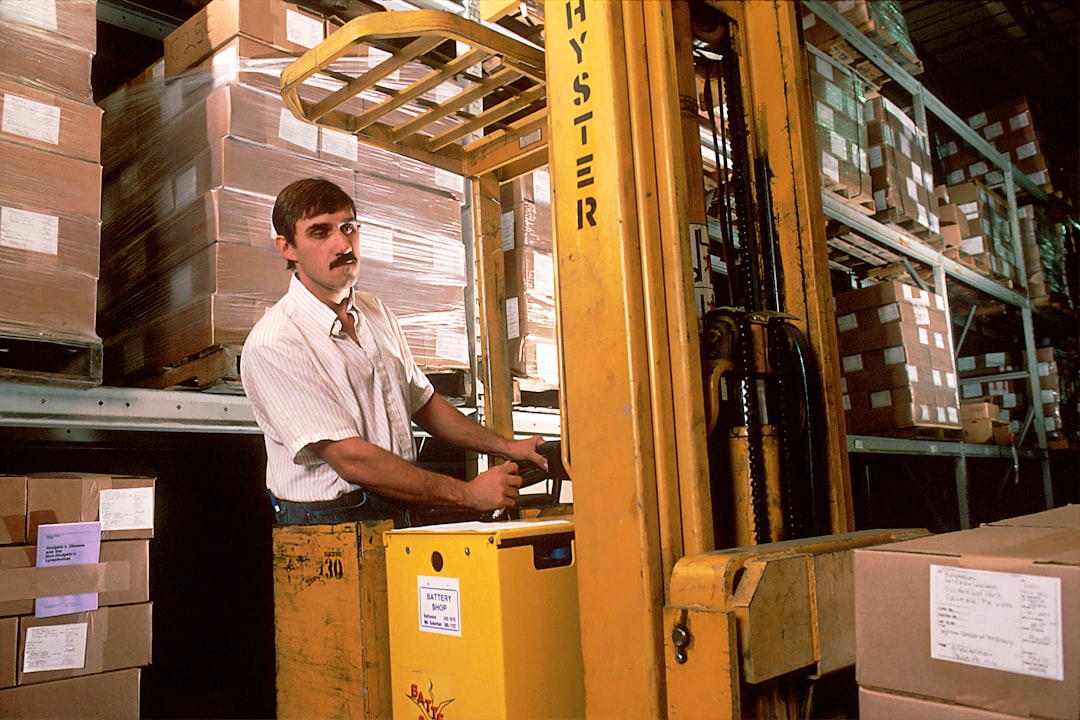
When safety becomes second nature, not extra burden, productivity improves naturally. Fewer incidents mean fewer disruptions, smoother morale, and higher retention—all contributing to stronger bottom lines.
Future Trends Shaping Tomorrow’s Manual Workforce
As incredible as current innovations seem, they represent just the beginning. Looking ahead, several trends point toward even bigger transformations awaiting manual workers:
- Collaborative Robotics (“Cobots”) – Unlike traditional robots confined behind barriers, cobots assist alongside humans performing shared tasks. They lift repetitive loads, guide cutting tools, and anticipate movement patterns to avoid collisions.
- Voice-Controlled Assistants – In loud spaces where screens distract or gloves make touchscreens impractical, voice commands allow seamless control of tools, inventory checks, and documentation processes.
- Predictive Maintenance Platforms – Rather than waiting until a machine breaks down, predictive models analyze wear patterns and usage data to schedule fixes proactively—preventing costly interruptions mid-job.
These technologies won’t eliminate the need for skilled laborers. On the contrary, they will elevate the role of those capable of adapting, interpreting, and guiding change.
Final Thoughts: Empowering Hands With Strategic Minds
Manual labor is not fading away—far from it. As global infrastructure expands, consumer demands grow, and resource scarcity looms larger, there will always be a need for reliable individuals ready to tackle physical challenges head-on.
Yet how we approach that work continues evolving rapidly. By embracing tools that amplify strength, enhance accuracy, prioritize wellbeing, and accelerate results, professionals across trades are setting themselves apart—not just surviving, but thriving.
Are you ready to join them?
If you’ve found value in exploring how productivity tools reshape physical workforces, consider sharing this article with colleagues who could benefit. Together, let’s push boundaries and redefine what excellence looks like—one productive shift at a time.