

Sarah stared at her computer screen, overwhelmed by yet another wave of inventory alerts—some conflicting, others delayed. Her warehouse was growing fast, but everything felt out of sync. Orders were stacking up, shelves were disorganized, and temp staff kept misplacing high-demand items. Sound familiar? If so, you’re not alone—and that’s exactly why understanding today’s job market for Warehouse Management matters more than ever.

Why Is Demand for Warehouse Managers Skyrocketing?
You might be wondering, “Isn’t warehouse work just moving boxes?” Not anymore. Modern warehouses have become sophisticated logistics hubs powered by technology and streamlined operations. This shift has dramatically elevated the role of warehouse managers across industries—from e-commerce giants to manufacturing firms and third-party logistics providers.
In the last decade, global supply chains have undergone a digital transformation. Automation, data analytics, robotics, and AI aren’t buzzwords—they’re daily tools shaping how goods move from point A to B. And guess who ensures these systems run smoothly? That’s right—the modern warehouse manager.
“Today’s warehouse leaders are part analyst, part strategist, and part problem-solver.”
- Supply chain complexity demands skilled oversight
- E-commerce growth fuels need for efficient fulfillment centers
- Automation increases reliance on tech-savvy operators
- Compliance standards require structured inventory control
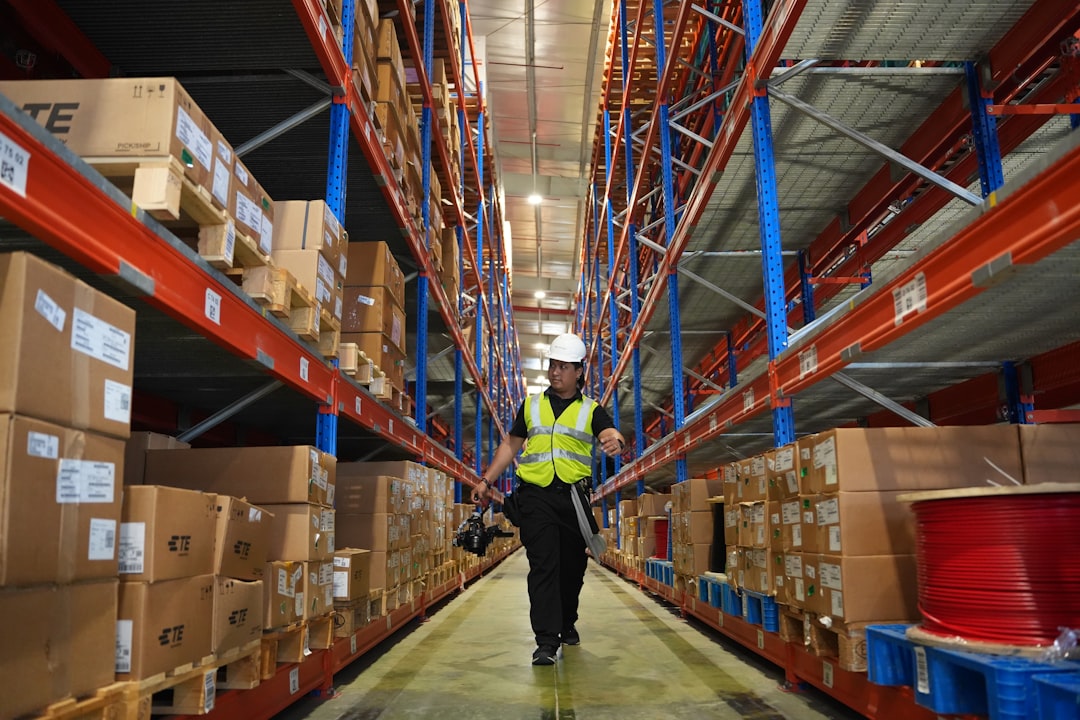
What Exactly Does a Warehouse Manager Do?
Think beyond clipboards and pallet jacks. Today’s warehouse managers wear many hats:
- Operations Optimization: They design workflows, reduce bottlenecks, and analyze performance metrics to keep things flowing efficiently.
- Team Leadership: Managing both permanent staff and seasonal workers while ensuring safety and productivity remains critical.
- Tech Integration: Implementing WMS (Warehouse Management Systems), RFID tracking, and automated picking solutions requires more technical know-how than ever before.
- Cost Control: Reducing waste, minimizing errors, and optimizing space usage directly impact company bottom lines.
Let’s face it—this isn’t your grandfather’s warehouse floor. These professionals act as the heartbeat of an organization’s physical distribution strategy.
What Skills Are Employers Looking For Right Now?
If you’re eyeing a career pivot or advancement, knowing which skills open doors is crucial. Here’s what hiring managers prioritize when hiring warehouse leadership talent:
- Data interpretation and reporting capabilities
- Familiarity with warehouse automation and WMS platforms
- Lean Six Sigma or process improvement certifications
- Strong communication and cross-functional collaboration experience
- Risk mitigation and compliance knowledge
Notice anything missing? Pure manual labor ranks low on the list. Instead, soft skills combined with technological literacy dominate employer expectations.

Where Can You Work With a Warehouse Management Background?
The beauty of warehouse expertise lies in its versatility. Whether you thrive in a bustling urban fulfillment center or prefer steady-paced industrial environments, there’s no shortage of opportunities:
- Retail distribution networks
- Healthcare and pharmaceutical logistics
- Automotive parts suppliers
- Agricultural commodity storage facilities
- Third-party logistics (3PL) service providers
Heads up: Many companies now expect candidates to understand lean principles, JIT delivery models, and reverse logistics—a skillset that gives you leverage in almost any industry.
How Much Can You Actually Earn?
Salaries vary widely based on location, experience level, and sector—but even entry-level roles offer competitive compensation packages due to the high demand. Mid-to-senior positions often include bonuses tied to performance outcomes like cost reduction or safety records.
It’s worth noting that specialized sectors such as cold chain logistics or hazardous materials handling typically command higher wages due to their unique operational challenges.
Is There Room for Growth Beyond Management Roles?
Absolutely. Strong warehouse leaders often transition into broader supply chain roles, including:
- Director of Operations
- Supply Chain Analyst
- Distribution Network Planner
- Logistics Consultant
Some even branch out independently—launching consulting firms or niche training programs targeting warehouse teams looking to modernize processes. The pathway upward exists if you’re ready to expand strategically.
Are Certifications Worth Pursuing?
Certifications can absolutely help differentiate you in a crowded field. While not always mandatory, credentials signal commitment to excellence and continuous learning. Consider options like APICS CPIM (Certified in Production and Inventory Management) or lean methodology certifications from recognized institutions.
And speaking of education, investing in formal courses—like our comprehensive online Warehouse Management course—can provide structured learning paths without disrupting your current schedule.
What Challenges Should You Expect?
No role is perfect, and warehouse management comes with its fair share of hurdles:
- Staff turnover and retention struggles
- Constant pressure to increase efficiency with limited resources
- Balancing speed versus accuracy during peak seasons
- Keeping up with evolving technologies and best practices
But here’s the silver lining: Every challenge presents a chance to showcase leadership, innovation, and measurable results—which ultimately strengthens your resume and professional credibility.
So… Should You Pursue a Career in Warehouse Management?
Let me put it this way: If you enjoy solving complex puzzles under tight deadlines, love working with diverse teams, and appreciate seeing tangible improvements in day-to-day operations—you’ll probably flourish in this field.
This isn’t just about stacking shelves—it’s about orchestrating seamless motion in a world increasingly dependent on speed, precision, and adaptability.
Whether you’re early in your career or considering a mid-life change, now may be the ideal moment to explore what warehouse management offers. To get started, check out our self-paced Warehouse Management program designed specifically for busy professionals who want real-world value without fluff.
Your Turn – Let’s Get Practical
Ready to take action? Here’s a challenge for you: Spend 15 minutes researching one warehouse management certification body or local training provider in your area. Bookmark it. Set a reminder. Then ask yourself: What would change if I had those skills tomorrow?