

What if I told you that behind every groundbreaking discovery—like life-saving vaccines, climate models predicting extreme weather, or new cancer treatments—there’s an often-overlooked hero ensuring the results are accurate, reliable, and worth trusting?
This silent guardian is quality assurance in scientific research.
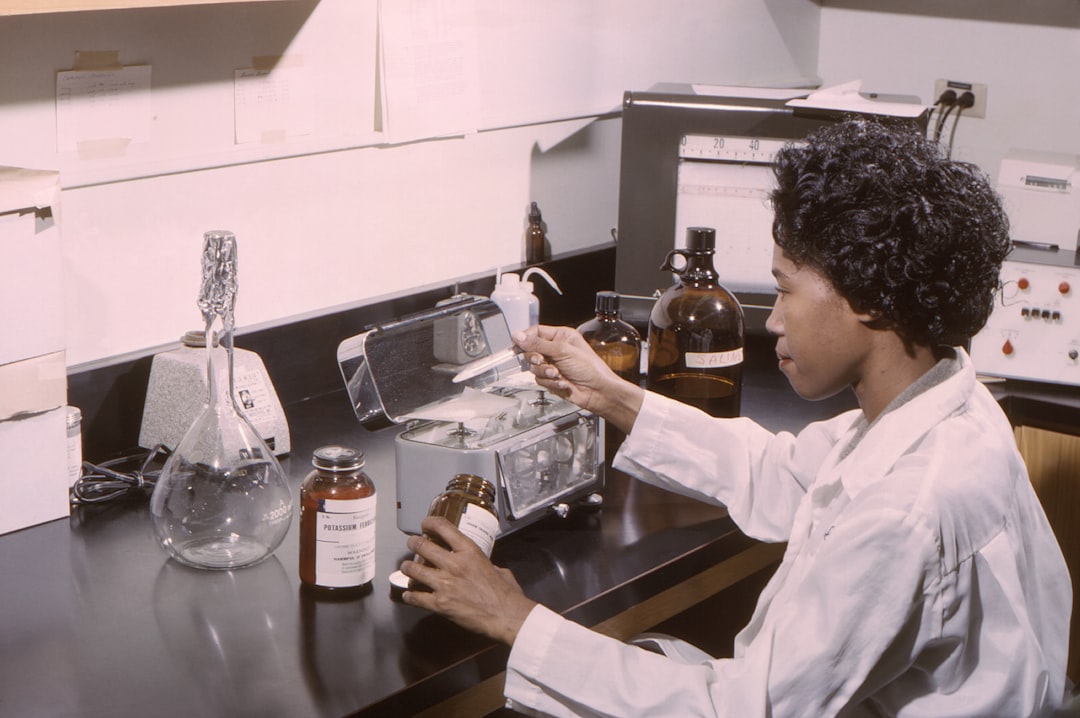
If you’re just starting out in science, you may think it’s all about wild hypotheses and eureka moments. And while those are exciting, there’s something far more foundational at play: making sure your work stands up to scrutiny.
Why Quality Matters More Than You Think
You’ve probably heard stories of studies being retracted because of flawed methods or fabricated data. Or maybe a news report about how a promising drug failed after early excitement. These aren’t just isolated disasters—they’re signs of systems breaking down when quality checks fall short.
Good science isn’t just about asking the right questions—it’s also about answering them correctly.
The Hidden Cost of Sloppy Science
- Misleading conclusions that misguide future researchers
- Wasted time and money chasing false leads
- Potential harm to public health or environmental policy
- Loss of trust in science by society at large
In short, poor quality undermines everything.
So What Is Quality Assurance in Scientific Research?
Let me put it simply:
Quality assurance (QA) in scientific research refers to the practices, protocols, and standards used throughout a projectect to ensure accuracy, consistency, reliability, and integrity—from planning through publication.
Imagine building a house without inspecting materials or confirming blueprints along the way—you’d risk collapse. QA ensures each phase of your “research construction” holds strong under pressure.
A Real-Life Analogy
Think of a chef preparing a five-course meal. They don’t wait until dessert to taste-test their soup. Instead, they sample, adjust, and double-check ingredients as they go. That ongoing attention to detail? That’s what QA does for scientists.

Your QA Checklist: 8 Essential Steps for Reliable Research
Whether you’re designing experiments, analyzing data, or preparing reports, these steps will help you maintain high-quality output consistently:
- Define Clear Objectives Early On
Start with a solid understanding of what you want to learn. A vague goal = scattered results. - Plan Rigorously & Document Everything
Create detailed experimental designs. Record all decisions, procedures, and deviations—even minor ones! - Select Appropriate Tools and Methods
Use validated instruments or well-established techniques. Understand their limitations too. - Train Team Members Thoroughly
Everyone involved should understand the process so errors don’t creep in due to misunderstandings. - Collect Data Systematically
Stick to consistent formats, avoid bias during recording, and store data safely using secure methods. - Analyze Objectively Using Standard Techniques
Avoid cherry-picking results that support only your hypothesis. Let the evidence speak—even if it surprises you. - Review Results With Others
Get feedback from peers or mentors. Fresh eyes catch mistakes we miss ourselves. - Report Transparently
Include both successes and failures. Publish negative results where appropriate; they matter too.
Common Pitfalls to Watch Out For
Even experienced researchers slip sometimes. Here are a few red flags to stay alert to:
- Rushing into data collection without clear methodology
- Skipping pilot testing of procedures
- Failing to properly calibrate equipment
- Not keeping organized records of changes made mid-projectect
- Overlooking peer review opportunities before publishing
These habits can lead to bigger problems later—and nobody wants to rebuild their entire study because of preventable oversights.
How QA Builds Trust in Science
When scientists follow rigorous QA processes, they contribute to a culture of credibility. This matters enormously beyond academia. Policymakers rely on quality research to make informed decisions. Doctors base treatments on reliable evidence. Citizens depend on trustworthy information to navigate complex issues like public health or climate change.
In other words, doing good science responsibly affects everyone’s lives—not just yours.

Becoming Part of the Solution Starts Today
Now, you might be thinking, “This sounds great—but am I ready?”
Yes. Absolutely yes.
You don’t need years of experience to embrace quality principles. In fact, starting with intention sets you apart from many others. Want to dive deeper into best practices for conducting robust, high-quality scientific studies? Consider exploring structured guidance tailored especially for beginners.
Our course offers practical strategies designed to walk you step-by-step through the essentials of Scientific Research, including hands-on exercises focused on maintaining excellence every stage of the way.
Final Thoughts: Excellence Isn’t Magic — It’s Methodical
High-quality scientific research doesn’t happen by accident—it’s the result of discipline, preparation, and continuous self-reflection. By embedding quality assurance into your workflow now, you set a foundation that supports meaningful discoveries later.
Remember: Every expert was once a beginner. Every breakthrough began with someone asking better questions—and taking care to answer them well.
Are you ready to take control of your journey toward exceptional science? Your next experiment could shape not just your career—but the world around us.