

Most artists think going viral on social media is the golden ticket to growing their artistic and prosthetic makeup career—but here’s the truth: without a strategic approach, even viral moments can fizzle out fast.
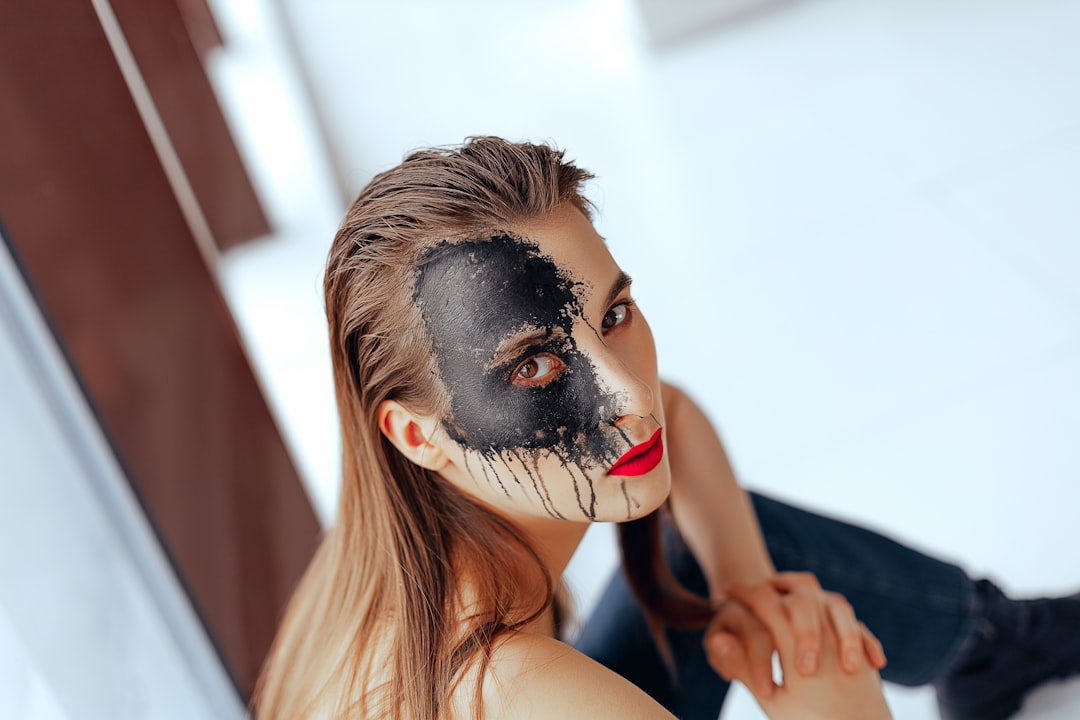
If you’re serious about scaling your impact, it’s time to shift from hoping for luck to building systems that consistently grow your visibility, credibility, and client base.
The Foundation You Can’t Skip
Much like learning how to blend a lifelike scar before worrying about lighting in your portfolio photos, mastering the business side of artistic and prosthetic makeup is non-negotiable if you want long-term success. Let’s talk about why that matters more than ever—and how top-tier artists leverage it.
- Portfolio Quality Over Quantity: A few stunning transformation pieces beat dozens of rushed shots every time. High-end artists such as Ve Neill (Academy Award-winning makeup artist) built her legacy on carefully curated, impactful visuals rather than flooding portfolios with mediocre work. Each piece contributed to her overall narrative as an elite creator.
- Brand Clarity: Define who you are as an artist so clients know exactly what they’re getting when they hire you. Take Rick Baker, known for his creature designs—he became synonymous with realistic fantasy transformations due to unwavering thematic consistency throughout decades of films.
- Cross-Platform Consistency: Whether someone finds you on Instagram or LinkedIndIn, your brand message should remain clear. Sarah Sitkin, a renowned body modification artist, maintains cohesive messaging across platforms by sticking to themes of identity exploration and bodily expression regardless of medium.
Your art isn’t just makeup—it’s storytelling through transformation.
This brings us to something many overlook: storytelling doesn’t end with the final look. It starts way before the brush hits skin.
Why Branding Matters More Than Ever
In today’s saturated market, differentiation isn’t optional—it’s essential. Clients often make decisions based on gut reactions shaped by your branding signals. Consider this: would a luxury fashion house hire a makeup artist whose Instagram looks amateurish despite having excellent technical skill?
Branding communicates professionalism, reliability, and artistic vision—all within seconds. Without intentional design choices, you risk losing potential collaborations or commercial opportunities to competitors who simply present better.
Practical Tips For Creating Cohesive Portfolios
- Stick to one dominant color palette per series: Not only does this create visual harmony, but it also helps establish mood context instantly.
- Include client testimonials alongside finished images: Social proof enhances trustworthiness while providing third-party validation of results.
- Label each image clearly with brief descriptions: Help viewers understand intent behind unusual aesthetic choices—especially those unfamiliar with special effects terminology.
Leverage Storytelling To Go Beyond ‘Just Makeup’
You’ve seen those reels—artist applies face prosthetics, camera pans dramatically, reveal shot shows terrifying monster. Cool? Absolutely. Effective at growing a career? Only if there’s substance behind it.
A great story answers these questions:
- Why did this character need this transformation?
- What challenges came up during creation?
- How does the result serve the project or performer?
People don’t connect with flawless skin—they connect with purpose. They watch because they feel something. This emotional investment translates into shares, bookings, and ultimately, referrals.

So while perfect lighting is important, don’t underestimate the power of imperfect moments caught behind the scenes. These humanize your process and invite trust.
Case Study: How One Artist Turned Vulnerability Into Viral Success
Rick Baker’s early career included several failed attempts before achieving recognition. He shared candid documentation of these struggles publicly—which paradoxically increased viewer engagement and respect. His openness allowed audiences to see him not just as an artist but as a relatable creative journeyer overcoming obstacles—an image that resonates strongly online.
Digital Storytelling Techniques That Engage
- Use voiceover narration during video tutorials: Explain thoughts, decisions, frustrations—anything that adds depth beyond surface-level demonstration.
- Pull quotes directly from collaborators: Incorporating actor feedback or director praise gives perspective outside your own point-of-view.
- Create serialized narratives across multiple posts: Build anticipation around multi-day builds using cliffhangers between uploads.
Beware Of Misleading Representations
While dramatizing results may seem harmless, misleading portrayals damage reputation permanently once discovered. Be truthful about limitations, timeline pressures, and budget constraints involved in complex pieces. Transparency fosters genuine connection over short-lived admiration.
Expand Reach Through Collaboration & Community Engagement
Growing影响力 isn’t a solo sport—you’ve got to bring others along for the ride. But collaboration means more than tagging actors or directors; it’s about forming real partnerships with stylists, cinematographers, and other creatives in adjacent fields.
Think of collaborations as compound interest for exposure. Each participant brings their own audience, offering exponential growth potential compared to going it alone.
- Invite fellow artists to contribute to a themed series (e.g., horror month). For instance, makeup legend Stan Winston collaborated extensively with sculptors, painters, and animators to create unforgettable creatures for Jurassic Park and Aliens franchise films.
- Partner with film schools to offer workshops or free demonstrations. Makeup supervisor Kazu Hiro frequently teams up with students at NYU Tisch School of Performing Arts to demonstrate advanced aging techniques live—a win-win scenario benefiting both parties through education exchange.
- Create mentorship opportunities that also act as content creation avenues. Celebrity makeup designer Kevan Englebright hosts regular livestream mentoring sessions where junior talents showcase skills under supervision while gaining public exposure simultaneously.
You might be wondering: How do I start reaching out effectively without seeming pushy? Simple—lead with value first.
Before asking anyone to collaborate, ask yourself: What benefit will they gain from working with me? Whether it’s new skills, expanded network, or simply fun creative freedom—the clearer your mutual benefits, the higher chance of yes.
Building Lasting Partnerships Beyond Single Projects
Successful relationships extend past individual assignments. Maintain connections post-collaboration by following up personally afterward, sending thank-you gifts, or inviting partners to future initiatives. This approach transforms one-time interactions into long-term alliances capable of amplifying each other indefinitely.
Potential Pitfalls When Collaborating
- Failing to define roles clearly upfront: Ambiguity leads to confusion, delays,甚至 resentment among team members.
- Neglecting formal agreements: Especially critical when monetary compensation exists; protect everyone involved legally and financially.
- Overpromising deliverables: Set realistic expectations regarding deadlines, resources available, and final outputs achievable together.
Optimize Distribution With Smart Content Timing
Even the best posts struggle when posted at the wrong times—or worse, inconsistently. Remember: growing影响力 isn’t just about being seen—it’s about being remembered.
Timing plays a huge role in whether viewers engage deeply enough to follow or save your content. So which platforms matter most for artistic and prosthetic makeup creators?
- Instagram: Perfect for visual storytelling with carousel posts showing step-by-step builds. Influencer Kat Von D strategically scheduled tutorials around peak viewing hours (typically weekdays 9 AM–3 PM local time), maximizing reach significantly compared to random upload patterns.
- TikTok: Leverage trending sounds while showcasing fast-paced transformation clips. Many emerging SFX artists including @prostheticsbyjosh gained millions of followers by aligning uploads precisely with algorithm-friendly trends and hashtags (#MakeupTransformation #MonsterMonday).
- YouTube: Ideal for longer-form tutorials or full breakdown videos explaining techniques used. Renowned artist Glenn Hetrick structures releases around weekly themes (“Monday Monster”, “Thursday Technique”) maintaining consistent schedule expectations viewers come back for repeatedly.
Once you commit to multiple channels, consistency becomes crucial—not just in frequency, but tone and quality too.
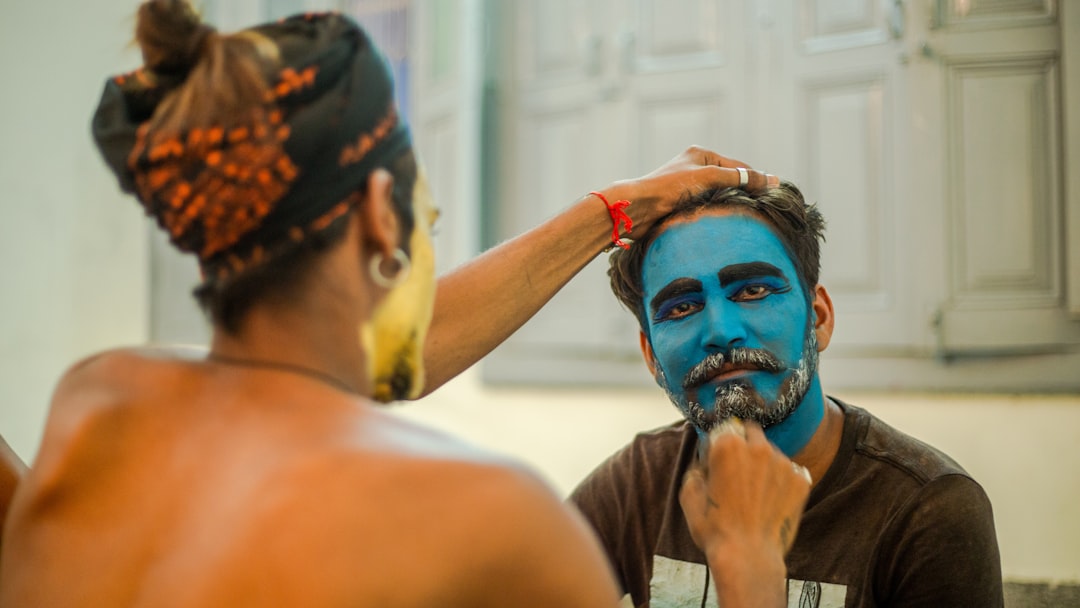
And no matter where you post, always prioritize clarity over flashiness. Viewers should walk away knowing one thing clearly: you know your craft inside-out.
Understanding Platform Algorithms
Each platform operates differently internally. Understanding core mechanics allows smarter optimization efforts. On TikTok, for example, initial retention rates heavily influence ranking. Opening seconds must hook immediately. Meanwhile, YouTube favors watch time metrics above all else, encouraging detailed breakdown-style formats favored by experts.
Recommended Tools for Managing Cross-Platform Posting
- Buffer or Hootsuite: Schedule across various networks simultaneously while monitoring analytics easily.
- Later or Planoly: Visual planning tools ideal for mapping feed aesthetics ahead of actual publication dates.
- Google Analytics + UTM tracking: Track traffic sources accurately, especially helpful when promoting external portfolio pages via social media posts.
Use Educational Content As Free Marketing
Here’s the thing most pros miss: Teaching elevates status and attracts high-quality followers faster than selling ever could. Why?
Because sharing knowledge positions you as an expert worth paying attention to—and eventually, hiring.
Whether it’s a quick tip video or deep dive explanation of foam latex sculpting methods, educational content builds both community AND authority simultaneously.
- Show shortcuts learned after years of trial and error. For example, master FX artist Neville Page regularly showcases unconventional mold-making hacks perfected through extensive experimentation, attracting aspiring professionals eager to skip traditional learning curves.
- Explain common beginner mistakes and how to avoid them. Makeup supervisor Donald Mowat dedicates segments discussing airbrush technique pitfalls newcomers often encounter, reinforcing expertise credibility while solving tangible viewer problems efficiently.
- Break down signature techniques unique to your style. Legendary designer Rick Baker breaks down iconic werewolf morph sequences from American Werewolf in London frame-by-frame in popular YouTube documentary features, demonstrating mastery transparently while generating widespread admiration.
Want bonus points? Tie lessons directly back to projects you’ve worked on professionally. Real-world applications resonate much stronger than theory alone.
Great makeup artists teach—it separates good ones from unforgettable ones.
Educational Content Formats That Convert Well
- Mini-tutorials embedded within larger project walkthroughs: Allow intermediate users access targeted guidance mid-process naturally integrating instruction organically.
- Q&A styled videos responding directly to follower-submitted questions: Encourage ongoing dialogue strengthening personal connection between creator and community.
- Side-by-side comparison analyses: Highlight subtle differences between beginner versus professional execution techniques visually illustrating gap clearly.
Strategies For Scaling Education Efforts
As demand increases consider developing structured curriculum offerings instead of standalone snippets. Host paid workshops or partner academies interested in incorporating specialized modules taught exclusively by you. Alternatively explore self-publishing e-books detailing proprietary methodologies potentially turning passion teaching into secondary revenue stream.
Invest In Continuous Skill Development
In such a tactile field, staying stagnant equals falling behind quickly. And sure, practice makes progress—but intentional learning accelerates it.
Serious artists regularly take courses like our comprehensive program covering everything related to Artistic and Prosthetic Makeup. Because let’s face it—if trends evolve faster than your toolkit, you risk becoming irrelevant overnight.
- Dedicate at least two hours weekly to exploring fresh techniques. Master FX guru Dave Elsey dedicates Sundays exclusively reviewing latest trade publications, blogs, and peer experiments ensuring constant evolution keeps pace with industry shifts.
- Attend conventions or workshops whenever possible—even virtually counts! Event participation exposes professionals to cutting-edge innovations firsthand fostering inspiration impossible otherwise achieve remotely. Virtual attendance options offered by Make-Up Artists & Hair Stylists Guild allow geographically isolated practitioners still engage meaningfully industry discourse.
- Keep notes on each method tried; track what works vs what flops repeatedly. Journal format logs enable pattern identification accelerating future decision-making processes considerably. Documenting successes/failures prevents repeating costly errors previously avoided unknowingly.
The fastest-growing artists aren’t necessarily born geniuses—they’re disciplined learners committed to evolving alongside industry standards.
Resources Worth Regular Reviewing
- Trade magazines (Makeup Artist Magazine): Offers monthly updates covering breakthrough materials, rising talents, and global competition news affecting markets worldwide.
- Podcasts featuring interviews with industry leaders (Beauty Biz Podcast): Provides insider perspectives often unavailable anywhere else including career advice, business insights, and motivational stories directly from field veterans.
- Online forums focused specifically on FX makeup discussions (Prosthetics Pros Facebook Group): Peer-driven conversations provide real-time troubleshooting support combined with immediate feedback loops helping refine approaches rapidly.
Common Mistakes During Learning Phases
- Chasing novelty over fundamental understanding: Experimentation exciting yet superficial pursuits limit depth unless grounded foundational principles mastered first.
- Ignores negative outcomes entirely: Dismissing failures denies crucial information necessary improving subsequent attempts successfully.
- Relies solely upon digital resources without hands-on experience: Theory alone insufficient substitute physical manipulation required achieving precision needed high-stakes scenarios.
Build Systems For Long-Term Growth
Finally, scaling sustainably means moving beyond hustle culture toward systematized workflows designed around outcomes—not busywork.
Start by identifying repetitive tasks weighing you down and automate or delegate them wherever feasible. From scheduling posts across platforms to managing booking inquiries via email templates—you’ll find room to breathe creatively again once administrative burdens lighten.
- Create seasonal content calendars tied to upcoming holidays or events. Halloween typically sees surge interest SFX makeup tutorials leading many savvy creators pre-planning October-themed releases months ahead ensuring maximum visibility timing coincides audience spike perfectly.
- Batch-create behind-the-scenes footage during downtime for later posting. Documentary-style clips capturing real-time problem-solving moments prove fascinating audience consuming similar content voraciously providing steady baseline engagement irrespective release timing.
- Develop pricing packages upfront to reduce negotiation stress with clients. Transparent tiers prevent awkward conversations later allowing focus remain creative aspects rather administrative logistics complicating workflow unnecessarily.
With solid routines anchoring creativity rather than draining energy from it, suddenly scaling feels less overwhelming—and far more achievable.
Time Management Techniques Used By Top Professionals
- Eisenhower Matrix prioritization model: Separates urgent tasks requiring immediate action from important non-urgent activities needing proactive attention preventing crisis management reactive behaviors dominating schedule inefficiently.
- Pomodoro timers applied specifically to skill development periods: Intensive focused intervals encourage deep concentration improving absorption effectiveness significantly versus scattered casual browsing alternatives.
- Monthly reflection reports analyzing content performance and goal progress: Systematic evaluations identify successes requiring reinforcement and areas needing adjustment maintaining directional alignment throughout extended timeline endeavors.
Warning Signs Indicating Need Reevaluation Workflow Structures
- Repeated missed deadlines affecting client satisfaction: Consistent lateness signals systemic inefficiencies requiring structural changes rather temporary adjustments alone.
- Stagnant follower count despite active content production: Indicates misalignment between current output strategies and audience preferences demanding recalibration promptly address stagnation concerns proactively.
- Frequent mental exhaustion interfering normal functioning levels: Burnout symptoms suggest unsustainable pace necessitating deliberate restructuring promote healthier balance longevity purposes.
Final Thoughts On Expanding Your Artistic Impact
There’s no shortcut to lasting influence in artistic and prosthetic makeup—but there are proven paths paved by countless successful artists before you. By focusing on storytelling, smart distribution, education-based outreach, and continuous personal refinement—you set yourself up not just to survive, but thrive long term.
Consider this page a resource worth saving. Bookmark it now so whenever doubt creeps in about direction or strategy, you’ll have actionable insight ready at hand—exactly when you need it most.