

Have you ever stopped mid-bite to wonder who decided that your cereal box needed a resealable spout?
If so, congratulations—you’ve already started thinking like a packaging pro.
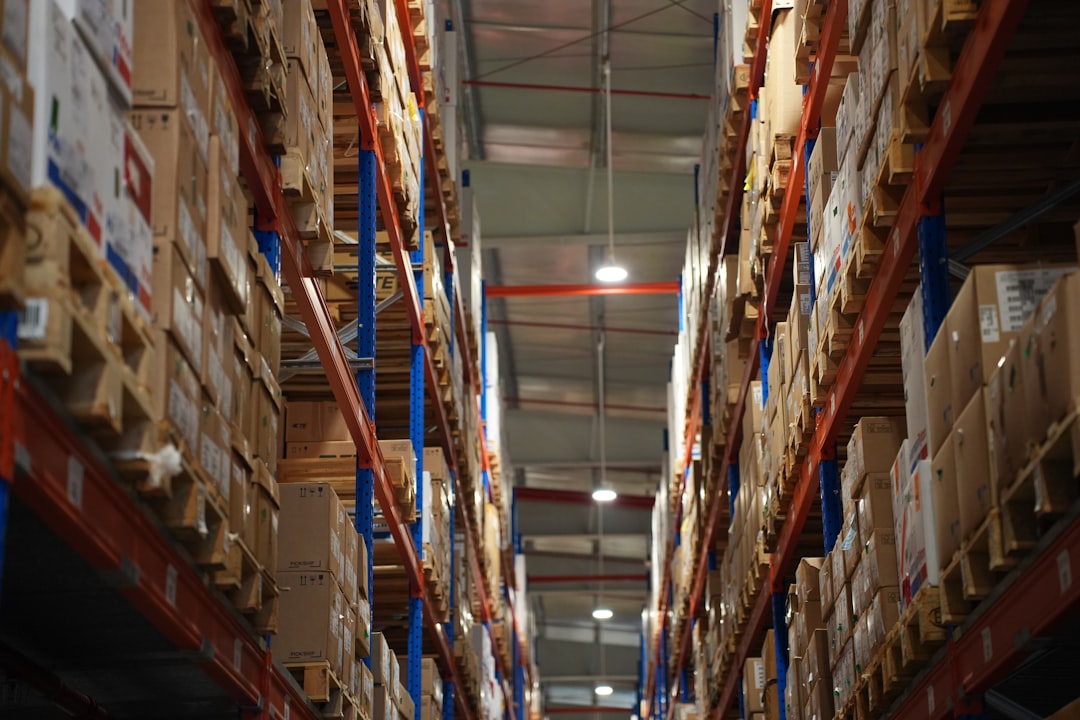
Packaging isn’t just about keeping things from falling out. It’s strategy. It’s psychology. It’s engineering. It’s design, storytelling, and even a bit of performance art all wrapped up in one.
The Origins of Packaging: From Survival to Strategy
In the beginning—no, we’re not talking about the Big Bang—humans used leaves, animal skins, and shells to carry food and water. That was packaging, believe it or not. Primitive? Sure. Effective? Undeniably.
- Ancient Egyptians used pottery jars sealed with beeswax.
- Greeks stored olive oil in amphorae—clay vessels with narrow necks to prevent spillage.
- Romans were early adopters of glass containers for wine and perfumes.
But packaging as we know it didn’t really take off until mass production hit its stride during the Industrial Revolution.
Packaging exists because humans don’t trust their own memory—or their children’s fingers.
Industrial Age: When Packaging Became Serious Business
This brings us to the 1800s—when machines weren’t just for steam engines anymore. As goods traveled further and faster, someone had to figure out how to keep them from rattling around like dice in a cup.
Enter tin cans.
Suddenly, perishables could survive long ocean voyages. Meatpacking plants flourished. And yes, someone had to figure out how to open these things without dynamite.
You might be wondering: What about branding back then?
Glad you asked. Tin cans had labels, sure—but they were mostly functional. “Beef Extract” wasn’t exactly a headline grabber. Still, savvy sellers began printing basic product info, which marked packaging’s first flirtation with marketing.
Modernism Meets Material Innovation
Fast forward to the 20th century. Plastics were born. Suddenly, everything was bendable, squeezable, and—most importantly—cheap.
And that’s when packaging truly became an arms race.
- Cellophane wraps appeared in candy aisles, whispering sweet promises of freshness.
- Metal tubes revolutionized toothpaste dispensing (and bathroom explosions).
- Cardboard evolved into corrugated shipping boxes sturdy enough for Amazon warehouses.
- Plastic bottles made carbonation portable—and recyclability complicated.
But here’s the thing: With innovation came responsibility. Packaging started getting blamed for environmental issues. Landfills overflowed with Styrofoam peanuts. Oceans choked on six-pack rings.
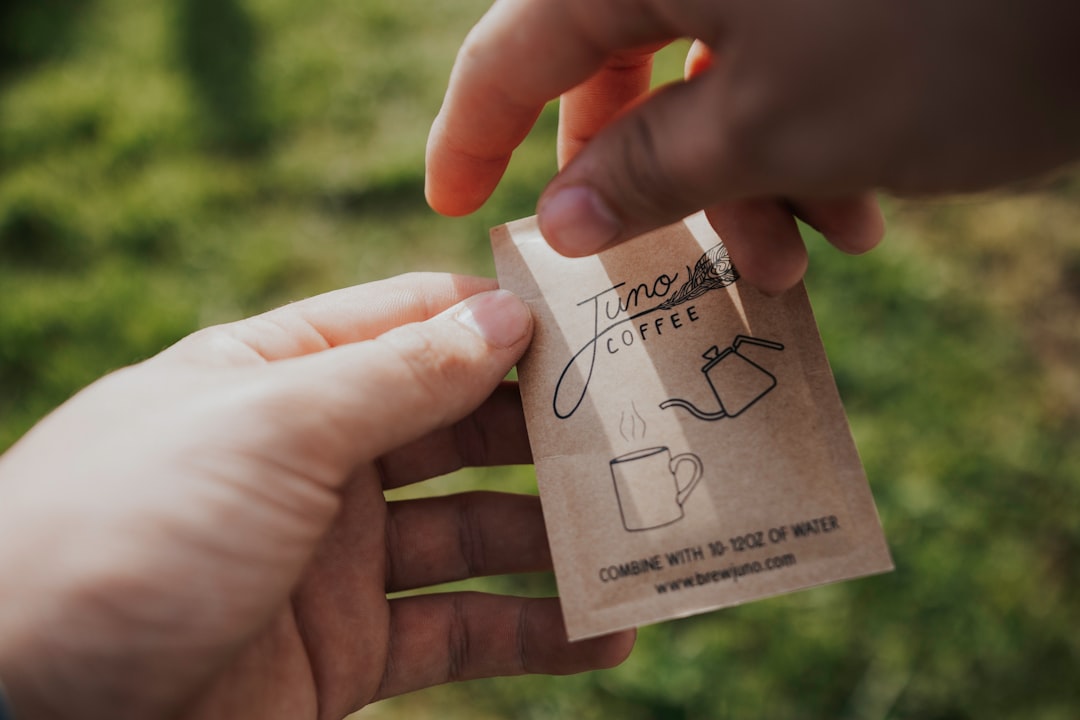
The Digital Era: Where Smarts Meet Sustainability
Now, packaging doesn’t just protect—it performs.
Think smart labels that tell you if milk is still good. Or QR codes that link straight to recipes. We’ve come full circle from ancient clay pots, except now those pots probably come with an app.
- Biodegradable plastics mimic traditional ones but vanish after disposal.
- Minimalist designs reduce waste while maintaining shelf appeal.
- Augmented reality lets customers virtually unwrap products before buying online.
Companies no longer ask just “How do we ship this?” They ask:
“Can it be reused? Recycled? Reimagined?”
That shift has reshaped entire supply chains. And honestly? It makes the job more fun. Instead of just wrapping stuff up, packagers today are part designer, part futurist, and part environmental activist rolled into one.
Why Packaging Matters More Than You Think
Let’s get real for a second.
You walk into a store looking for shampoo. There are dozens of options. What stops you in your tracks?
It’s not price alone. It’s presentation. Color. Shape. Messaging. All elements of packaging—working together to say:
“I’m meant for you.”
Beyond aesthetics, effective packaging can reduce return rates, cut down on damage claims, and even influence purchasing decisions subconsciously.
Want proof? Try blind-testing two identical products in different packages. One will outsell the other—not because of quality differences, but because the box told a better story.
What Makes Great Packaging Great?
So what separates good packaging from great packaging?
Here’s my shortlist:
- Clarity: Can someone glance at your package and instantly understand what’s inside?
- Durability: Does it survive the journey—from factory to home—without breaking?
- Appeal: Does it stand out among hundreds of competitors?
- Ethics: Is it responsibly sourced, easy to dispose of, or ideally—reusable?
If you answered yes to most of those questions, you’re already thinking like a true packaging expert.
Where Can You Learn More?
If this peek behind the wrapper piqued your interest, consider diving deeper. Packaging combines science, creativity, commerce, and sustainability—all under one roof. Whether you’re launching a startup or refining your brand strategy, understanding packaging can give you a serious edge.
Check out our detailed course on Packaging, where we break down everything from structural design to visual communication and sustainable solutions in clear, actionable steps. No fluff. Just practical knowledge delivered with a side of humor.
Share This Knowledge Forward
Packaging may seem straightforward—until you realize how much brainpower goes into every box, bottle, blister pack, bag, or bin. The next time you pop open a new product, pause for a moment. Who designed that? How did they protect it AND sell it at the same time?
Whether you’re a budding entrepreneur, marketer, designer, or engineer—the world needs more thinkers who understand the power hidden in plain sight.
If this article sparked curiosity, share it with someone else who might enjoy uncovering the secret lives of containers, wrappings, and seals.


