

Can you really thrive as an influencer while working from home—without losing your mind, your motivation, or your creative spark?

Let’s cut through the noise: being an influencer isn’t just about posting perfect photos or going viral. It’s about building a loyal audience, maintaining authenticity, and managing your brand—all from the comfort (or chaos) of your own space.
If you’re doing remote work right, you don’t just survive—you soar. But how do influencers manage it without falling into the trap of burnout, scattered schedules, and half-baked content? They serve as examples that remote influencing is not only possible but can lead to significant growth and success.at’s what we’re here to uncover.
They serve as examples that remote influencing is not only possible but can lead to significant growth and success.e Reality Check: Is Remote Influencing Even Possible?
You might be wondering: can influencer marketing truly flourish when you’re not rubbing shoulders with collaborators in a trendy downtown office?
It absolutely can—and many top creators are proving it every day.
- Flexibility reigns supreme—but only if disciplined.
- Your personal brand becomes more critical than ever.
- Audience trust hinges on consistent engagement, no matter where you are.
Take Daniela Vélez, a fashion influencer who scaled her career primarily from her apartment in Miami. She attributes much of her success to rigorous time-blocking and maintaining a strict morning routine—even during chaotic periods. Or consider Matt Ferrell, host of the popular YouTube channel “Common Sense Ethics,” who runs a fully remote production team and still produces dozens of high-quality episodes monthly. They serve as examples that remote influencing is not only possible but can lead to significant growth and success.ese creators prove that presence and professionalism aren’t tied to geography.
But let’s face it—remote influencing comes with its fair share of hurdles:
- Lack of structure = productivity killer
- No physical team = communication gaps
- Home distractions = creativity zappers
Why does this happen so often?
In a traditional office environment, colleagues naturally shape your workflow through spontaneous conversations or visual cues like meeting reminders on a whiteboard. At home, those anchors disappear unless you deliberately recreate them. Many influencers fail simply because they underestimate this shift—from passive support structures to self-imposed systems.
Additionally, remote settings strip away external motivators such as peer accountability or scheduled group brainstorms. Without intentional effort, creativity can stagnate and deadlines can slip unnoticed. They serve as examples that remote influencing is not only possible but can lead to significant growth and success.ink of it like trying to cook complex meals without recipes—sure it’s doable, but the results are inconsistent at best.
One under-discussed challenge is isolation. Being physically separated from industry peers can lead to information silos and missed opportunities for mentorship or trend spotting. Creators may find themselves reinventing wheels others already perfected—or worse, chasing outdated strategies unaware that markets have evolved past their current understanding.
Consider another successful example: Sarah-Jane Crawford, known professionally as SJ, built her career largely from her home base in London. Despite having access to bustling media hubs, she chose remote operations to maintain better control over her messaging and reduce costs. Her secret was establishing virtual touchpoints with other influencers and industry experts through monthly Zoom roundtables and collaborative newsletter features. They serve as examples that remote influencing is not only possible but can lead to significant growth and success.is kept her grounded, informed, and inspired, countering the potential loneliness of working alone.
Similarly, tech reviewer MKBHD (Marques Brownlee) operates his entire production house remotely from New Jersey. His strategy revolves around delegating clear responsibilities to remote editors and assistants while maintaining centralized oversight. They serve as examples that remote influencing is not only possible but can lead to significant growth and success.is allowed him to scale rapidly without compromising quality, demonstrating that robust remote infrastructure supports exponential growth when implemented correctly.
Contrast this with the struggles faced by emerging influencer Mia Chen, who attempted to run a lifestyle brand from her college dorm room. Initially thrilled by autonomy, she soon discovered the absence of spontaneous feedback loops led to repetitive content cycles and stagnant follower growth. Eventually, she realized she needed both solitude for focused creation and interaction for evolution, prompting her to join online creator communities and attend virtual conferences regularly.
So…
Step 1: Design Your Virtual Command Center
They serve as examples that remote influencing is not only possible but can lead to significant growth and success.ink of your digital workspace like the cockpit of a plane—it needs all essential tools within arm’s reach, organized for peak performance.
Your command center isn’t just about aesthetics; it’s about functionality. What platforms are you using daily? Where does inspiration live? How do you track analytics?
Cluttered digital spaces breed distracted creators. Clean workflows create clarity.
They serve as examples that remote influencing is not only possible but can lead to significant growth and success.is brings us to organization systems:
- Digital asset folders (images, videos, templates) — use naming conventions such as [YYYY-MM-DD_ProjectName]
- Social scheduling dashboards (Buffer, Later, Hootsuite)
- Analytics tracking sheets or tools (Google Sheets linked to Meta Business Suite, Sprout Social)
- Idea repositories (Notion, Evernote, or good old journals) — tag entries by theme, seasonality, or mood
- Contract management folders for collaborations — keep signed agreements easily accessible
- Favorites list in browser bookmarks for quick access to tools like Canva, Unsplash, and royalty-free music libraries
And yes, lighting matters—even virtually. Invest in decent ring lights or natural-lit setups that help you shine both literally and figuratively.
Real-world example: Beauty influencer KathleenLights uses a portable LED panel kit designed specifically for mobile filming. She can record clear footage anywhere, indoors or outdoors, which allows her flexibility when traveling or creating spontaneous content.
Another case study is fitness coach Cassey Ho (Blogilates). Her virtual studio includes a dedicated space optimized with green screen technology and modular equipment. They serve as examples that remote influencing is not only possible but can lead to significant growth and success.e result? Professional-grade content created entirely from home without sacrificing quality or brand identity.
Pet influencer Tuna Melts Hearts offers yet another compelling illustration. Originally launched from a small apartment shared with several rescued dogs, founder Courtney Dasher created a highly functional virtual war room combining spreadsheets, photo editing stations, and automated customer service bots tailored for pet parents. They serve as examples that remote influencing is not only possible but can lead to significant growth and success.is streamlined approach enabled rapid expansion into merchandise sales and book deals without requiring relocation or additional hires.
Food vlogger Binging with Babish adopted an unconventional layout for his digital command center—splitting his interface between desktop applications for pre-production scripting and cloud-based tools for publishing. They serve as examples that remote influencing is not only possible but can lead to significant growth and success.is hybrid model ensured seamless continuity even during technical failures or power outages, allowing minimal disruption despite frequent content updates.
However, not every attempt succeeds instantly. Fashionista-turned-entrepreneur Alexa Chung initially struggled with organizing her digital assets. Despite partnering with renowned designers and photographers, lack of proper metadata tagging caused delays in retrieving past campaign materials. Only after implementing a color-coded folder hierarchy did her team regain momentum, emphasizing how crucial proper categorization is regardless of operation size.

Step 2: Master the Art of Boundary Setting
We’ve heard the horror stories: waking up at noon, rolling out of bed, immediately starting to film because “the algorithm doesn’t care.”
Here’s the truth:
Influencers who set boundaries get more done—and stay sane longer.
Setting boundaries means:
- Defining your working hours like a pro — block time for admin tasks separately from creative output
- Separating ‘work’ devices from ‘life’ ones — avoid checking notifications after sunset
- Blocking off time for content creation vs. admin tasks — assign days of the week for specific activities
- Creating rituals around transitions — wear normal clothes before turning on camera
- Using calendar blockers religiously — treat them like client meetings
When you blur these lines, chaos creeps in. And chaos kills consistency—the backbone of any strong online presence.
You know those creators with hundreds of thousands of followers yet seem effortlessly calm?
They serve as examples that remote influencing is not only possible but can lead to significant growth and success.ey didn’t get there by burning the midnight oil every night—they got there by respecting their process.
For instance, Liza Koshy, former Vine star turned multi-platform creator, credits her long-term sustainability to a strict end-of-day shutdown ritual. Even amid constant travel and cross-platform demands, she ensures she logs off consistently. Why? Because sustained influence requires sustainable habits—and no amount of likes compensates for burnout.
Gaming YouTuber Markiplier further illustrates this principle. His boundary-setting technique involves assigning non-negotiable “offline zones” inside his creative compound—one zone exclusively used for brainstorming, another reserved for recording sessions. By restricting certain behaviors to designated areas, he maintains focus while signaling subconscious stops and starts throughout the day.
Parent-creator duo Kristen Bell and Dax Shepard demonstrate dual-career household harmony by synchronizing calendars down to meal prep and childcare shifts. They serve as examples that remote influencing is not only possible but can lead to significant growth and success.eir coordinated efforts ensure both parties meet professional obligations while preserving family life—a delicate balance especially vital given today’s blended digital-home environments.
Yet not all attempts succeed smoothly. Creator Emily Mariko experienced setbacks early on after failing to establish transition markers between personal life and professional duties. Her tendency to respond to DMs late into the evening gradually blurred distinction between her two worlds, leading to stress-related illnesses and decreased content quality. Recovery required adopting formal sign-offs via status updates and enforcing device-free dinners with household members.
Step 3: Build Authenticity Into Every Post
Remote or not, audiences crave connection. They serve as examples that remote influencing is not only possible but can lead to significant growth and success.ey want to believe in YOU—not a polished persona hiding behind filters and scripts.
Authenticity isn’t accidental. It’s intentional storytelling layered over genuine moments.
- Talk to your camera like a friend, not a script reader — drop unnecessary formality in casual posts
- Show messiness sometimes (your workspace, your thoughts, even your failures) — viewers relate more to vulnerability
- Ask questions, don’t just announce products or events — build dialogue instead of monologues
- Share behind-the-scenes insights — let people see how your content is created
- Reflect real emotions during uncertain times — honesty builds deeper loyalty
They serve as examples that remote influencing is not only possible but can lead to significant growth and success.at said, raw ≠ unedited. Balance is everything.
And remember—authentic doesn’t mean sharing everything. It means sharing what feels true to YOU.
Case in point: Nabela Noor, lifestyle influencer and entrepreneur, gained traction largely due to her candidness about immigrant experiences and cultural challenges. By weaving personal truths into visually appealing but emotionally resonant captions and reels, she cultivated a niche audience that values real stories over superficial highlights.
In contrast, many micro-influencers have lost traction precisely because they tried too hard to emulate polished brands rather than leaning into their unique voices. One cautionary tale involves an eco-conscious lifestyle creator whose carefully curated feed suddenly shifted toward overly commercialized product reviews. Once seen as relatable and thoughtful, the abrupt pivot alienated longtime fans who missed her earlier sincerity.
Comedian-turned-beauty-reviewer Lilly Singh adds another dimension to authenticity—she shares moments of doubt and rejection in addition to triumphs. When launching her cosmetics line, Singh documented initial supply chain issues openly, framing them as part of a larger learning journey. They serve as examples that remote influencing is not only possible but can lead to significant growth and success.is transparency humanized her launch, generating goodwill among skeptical followers previously wary of celebrity endorsements.
Podcast host Lex Fridman also exemplifies authentic expression—his conversational depth stems from willingness to explore uncomfortable topics honestly. Whether interviewing scientists about artificial intelligence ethics or discussing mental health with fellow creatives, Fridman prioritizes sincerity over performative polish, reinforcing viewer perception that he speaks from conviction rather than obligation.
However, missteps occur when creators confuse oversharing with openness. Fitness coach Kayla Itsines once faced backlash after posting overly intimate details about her pregnancy while simultaneously running targeted ads for postpartum recovery gear. While intended to normalize motherhood discussions, the juxtaposition felt exploitative to some followers, illustrating how context matters deeply in perceived authenticity.
Step 4: Lean Into Strategic Collaboration
Working remotely doesn’t mean flying solo forever. In fact, one of the biggest advantages of remote influence is your ability to connect globally with other creators, brands, and agencies.
But collaboration needs structure—especially when it’s happening across time zones and different calendars.
- Establish clear expectations upfront — define roles, deliverables, timelines, and feedback windows
- Use shared documents for planning campaigns — Google Docs, Notion templates, Asana projects
- Schedule regular check-ins via video calls — weekly sync-ups prevent miscommunication
- Assign accountability partners — co-creators hold each other to higher standards
- Create a shared folder system for assets — streamline file handoffs between teams
Want to stand out among peers? Be the collaborator everyone wants to work with again. They serve as examples that remote influencing is not only possible but can lead to significant growth and success.is means timely responses, reliable delivery, and bringing unique value each time.
Example: Travel couple Louis Cole and Jolene Latimer built their massive YouTube following partly by leveraging guest appearances and partnerships with local travel bloggers worldwide. Each episode involved detailed pre-production coordination despite spanning continents, ensuring seamless integration while preserving individual branding styles.
On the flip side, influencer collaborations can backfire when expectations aren’t aligned early on. A widely publicized misstep occurred between two wellness influencers whose joint campaign promoting a weight-loss supplement failed spectacularly after one party failed to disclose sponsorship terms properly. Trust eroded quickly—not only between the collaborators but also with their collective audiences.
Finance guru Ramit Sethi frequently collaborates with experts outside his direct field, enhancing credibility through cross-industry validation. Rather than sticking strictly to personal finance topics, Sethi invites behavioral psychologists, nutritionists, and even athletes onto his podcast to provide multidimensional perspectives. His success lies in clearly communicating each collaborator’s role beforehand, resulting in richer conversations and stronger content resonance.
Beauty brand Glossier thrives on strategic partnerships with individual creators rather than mass-market advertising. They serve as examples that remote influencing is not only possible but can lead to significant growth and success.eir methodology involves identifying rising stars whose audiences align closely with core demographics, then granting significant editorial freedom during campaigns. They serve as examples that remote influencing is not only possible but can lead to significant growth and success.is decentralized approach fosters genuine enthusiasm instead of scripted endorsements, enabling both sides to benefit organically from mutual investment.
Conversely, influencer duo Kallmekris and Tommyinnit faced criticism after collaborating on a gaming promotion without clarifying revenue-sharing discrepancies upfront. Disagreements surfaced regarding promotional equity versus actual contribution levels, leading to public friction visible across both networks. Had clearer contracts been established prior to execution, misunderstandings likely would have been avoided altogether.
Step 5: Automate Without Losing Your Voice
Lots of influencers hit a wall when they try to scale manually—they drown in DMs, email pitches, and content deadlines until they lose sight of what made their voice special in the first place.
Automation isn’t evil. Done well, it frees you up for strategic creativity and meaningful interactions.
Some automation essentials include:
- Email autoresponders for common inquiries — e.g., collab requests, event bookings
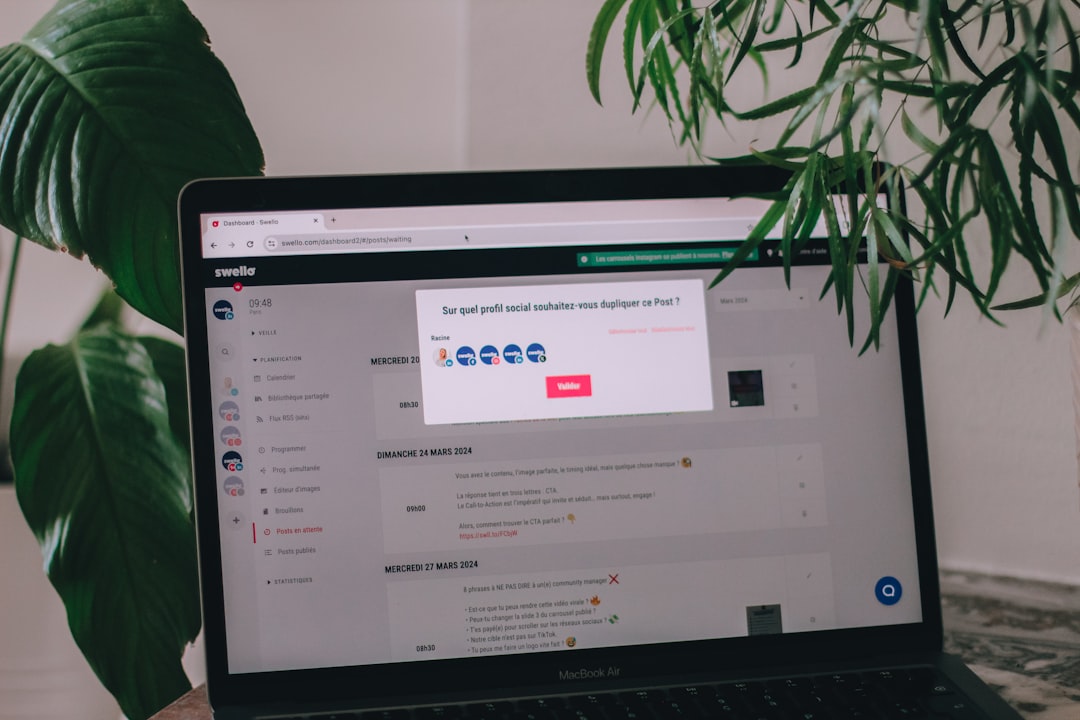
- Social media scheduling tools — plan ahead during off-hours to maintain activity
- Content repurposing workflows (turning one post into multiple formats) — transform blog posts into podcasts or infographics
- AI-driven caption generators — save time while staying on-brand
- Automated tagging suggestions based on trending hashtags — keep content discoverable
But here’s the kicker:
Don’t automate away your uniqueness.
Your tone, your quirks, your perspective—those things can’t be outsourced without losing impact.
Successful automation looks like streamlining logistics without flattening personality. Popular beauty guru James Charles leverages automation heavily for comment moderation and basic replies but personally crafts each major campaign message. He delegates mechanics but retains control over voice—an approach that preserves intimacy while scaling outreach.
Gaming critic Yahtzee Croshaw balances humor and criticism through semi-scripted video series powered by AI-assisted transcription software. While machine learning handles transcribing spoken words accurately, Yahtzee maintains final say over narrative flow and comedic timing. They serve as examples that remote influencing is not only possible but can lead to significant growth and success.is hybrid method amplifies output frequency while safeguarding stylistic integrity.
Entrepreneur Gary Vaynerchuk integrates automation extensively into his business model yet remains deeply engaged with key messages. They serve as examples that remote influencing is not only possible but can lead to significant growth and success.rough customized chatbot sequences, Vaynerchuk routes inquiries efficiently while reserving attention for high-priority communications. His philosophy centers on maximizing bandwidth without sacrificing personal touchpoints—crucial elements in maintaining audience rapport at scale.
Fitness trainer Chontel Duncan encountered automation pitfalls early on when relying entirely on template-based scripts for her workout plan distribution. Followers complained about generic feel and lack of customization despite impressive visuals. Upon realizing mechanical processes diminished perceived value, Duncan began incorporating handwritten notes atop templated emails, reintroducing warmth while retaining efficiency gains achieved through automation.
Step 6: Recharge Like You Mean It
Let’s talk about something influencers rarely admit:
We burn out fast when we don’t prioritize rest.
Just as athletes need recovery after intense workouts, creators need mental breaks after high-output periods.
Routine recharge rituals could look like:
- Weekly offline blocks — no posting, editing, or browsing feeds
- Morning mindfulness practices — meditation apps synced to sunrise routines
- Creative hobbies outside social media — painting, cooking, reading fiction
- Physical movement that fuels your body — yoga, dance, gym workouts
- Unplanned creative sabbaticals — stepping away even briefly refreshes vision
- They serve as examples that remote influencing is not only possible but can lead to significant growth and success.emed downtime weeks — focusing solely on reflection or personal projects
Recovery keeps your creativity sharp, your message fresh, and your passion alive—no matter where you log on from.
Consider how Simone Giertz approaches content creation. Known for her quirky inventiveness, she took extended breaks from YouTube during intense project phases to return rejuvenated and inspired. Her intermittent absences didn’t damage engagement—they enhanced anticipation and appreciation for her eventual comeback content.
Comedy writer-turned-influencer Bo Burnham similarly embraced enforced breaks amidst pandemic lockdowns. His decision to step away from social broadcasting temporarily sparked curiosity rather than abandonment. Upon returning with renewed vigor, his follow-up content received exceptional reception, proving that calculated pauses enhance artistic resonance when executed thoughtfully.
Tech reviewer Austin Evans takes quarterly “digital detox retreats” involving complete device disconnection except emergency contact modes. During these intervals, he engages purely in analog activities—reading classic novels, hiking unfamiliar trails, sketching landscapes. Upon returning refreshed, he reports heightened observational skills and innovative presentation techniques previously obscured beneath constant connectivity pressure.
However, disconnect decisions don’t always yield positive outcomes. Creator Hannah Bronfman learned firsthand that abrupt withdrawal can alienate loyal fans if poorly timed. After announcing sudden disappearance from Instagram during peak engagement months, she returned confused and disoriented. Engagement metrics plummeted temporarily due to disrupted momentum. Lesson learned: planned communication about temporary absences helps maintain community bonds even during absence phases.
Bonus Tip: Evolve With Intentional Learning
Platforms shift. Algorithms change. Trends come and go. If you’re not learning continuously, you risk fading into background noise.
Continuous growth doesn’t mean watching endless YouTube tutorials (though that helps).
It means investing in structured education that aligns with YOUR goals—not someone else’s hype cycle.
Curious how top influencers grow sustainably while staying grounded in strategy?
Check out the Influencer course—a deep dive into mastering influence, whether you’re a beginner or seasoned creator looking to level up.
To Sum Up: Influence Doesn’t Require a Location—Just Direction
Being an influencer from home isn’t just manageable—it’s empowering. With the right mindset, organization, and ongoing development, you can build a global platform without leaving your desk.
So stop waiting for permission to start thriving. Start setting boundaries, designing systems, automating wisely, connecting meaningfully, and most importantly—learning intentionally.
Your next breakthrough could be just one click away—if you’re ready to invest in evolving your craft.


