

When a hurricane hits or an earthquake strikes, we see the obvious chaos—the broken buildings, flooded streets, and emergency crews rushing in. But long after the cameras stop rolling and the news fades, there’s another kind of recovery happening beneath the surface.
It’s not physical. It’s emotional.
This is where disaster psychology steps in—a field that helps us understand how people react during and after disasters, and more importantly, how they can heal. And if you’re just starting out in this field, staying motivated through those early stages is half the battle.
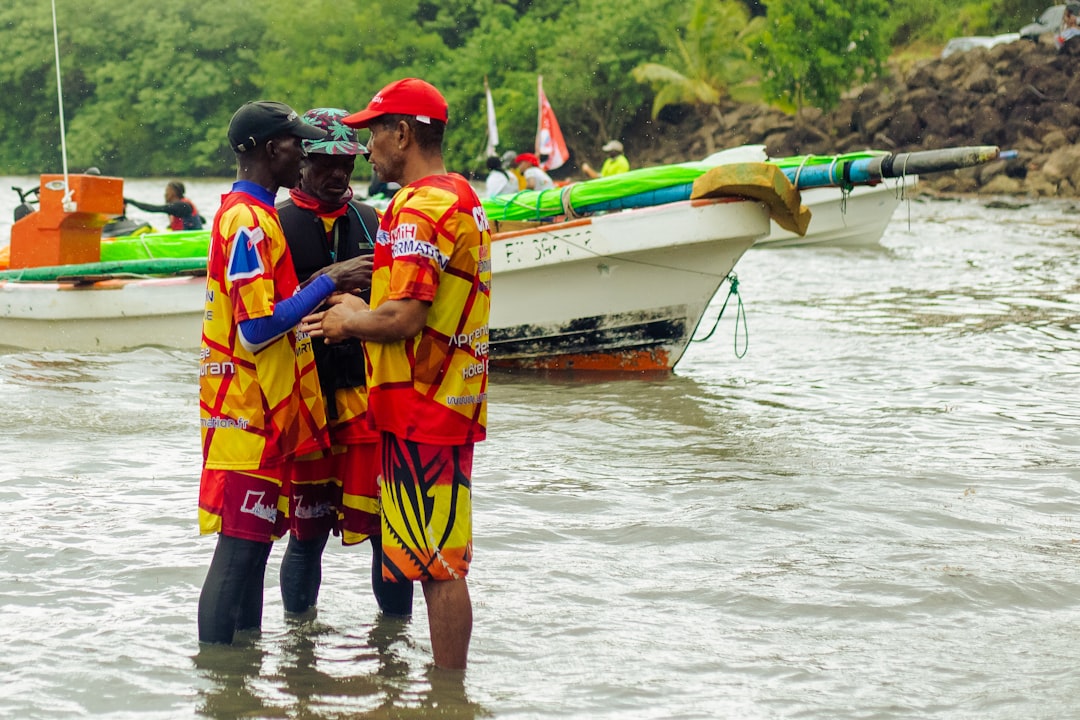
The Hidden Impact of Disasters
You might think that once the immediate danger passes, life returns to normal. But here’s what many don’t realize: trauma doesn’t follow a schedule.
- Some people bounce back quickly.
- Others struggle silently for months—or even years.
- A few may never fully recover without help.
- Children, often overlooked, may exhibit behavioral changes that adults initially misinterpret.
- Elderly populations frequently experience compounded grief due to loss of independence or community.
- First responders face secondary trauma, feeling emotionally drained despite being physically unharmed.
Disaster psychology looks at all these reactions and tries to figure out why they happen. More importantly, it shows how professionals can guide communities toward resilience.
“People are resilient—but only when given the right support.”
This brings us to someing crucial: understanding the psychological journey isn’t just for therapists or counselors. It’s also essential for first responders, social workers, community leaders, and yes—even concerned citizens wanting to make a difference.
Case Study: The 9/11 Attacks
The aftermath of September 11th offers a compelling example of delayed psychological effects. Studies showed that while many survivors appeared stable immediately post-event, rates of PTSD, depression, and substance abuse increased significantly within two to five years. This highlighted the importance of sustained mental health monitoring—not just acute crisis intervention.
Case Study: Typhoon Haiyan in the Philippines
After Typhoon Haiyan devastated parts of the Philippines in 2013, psychologists observed a surge in anxiety disorders among children who had lost family members or homes. However, culturally grounded interventions involving storytelling and art-based therapies proved highly effective in rebuilding emotional stability, showcasing how cultural relevance shapes recovery outcomes.
Why Does This Matter?
Understanding these patterns allows responders to anticipate needs and tailor resources accordingly. Without recognizing the long-term nature of disaster-related trauma, efforts risk becoming reactive rather than proactive—leading to ineffective allocation of limited mental health services.
Your Starting Point: What Beginners Need Most
If you’ve recently decided to learn about disaster psychology, congratulations! You’re stepping into a deeply meaningful and growing field.
But let’s get real—starting anything new feels overwhelming at first. Especially when you’re juggling work, family, and other responsibilities.
So how do you stay focused? Let’s look at three strategies that’ll keep your momentum going—even when motivation dips:
1. Learn Through Real Stories
Facts alone won’t sustain you. But hearing how individuals coped, what worked, and even where things went wrong—that’s what makes learning stick.
Whether it’s listening to survivor interviews, reading case studies, or exploring historical events like Hurricane Katrina or the Christchurch earthquakes, stories bring theory to life.
Case Study: Hurricane Maria & Puerto Rico
Hurricane Maria’s devastation included prolonged isolation from aid, which led researchers to observe severe increases in suicide attempts and substance abuse. Survivors’ accounts revealed a deep sense of abandonment, prompting new models of peer-led emotional support networks. These narratives underscore the link between perceived social support and resilience, reinforcing the value of community-centered responses.
Case Study: Fukushima Nuclear Accident
Beyond the physical displacement caused by Japan’s 2011 nuclear disaster were profound psychological impacts tied to radiation fears and stigma. Interviews uncovered widespread mistrust of government messaging, leading to heightened anxiety levels—even among those not directly affected by radiation exposure. This case emphasized the need for transparent communication channels in managing public perception and reducing indirect psychological harm.
How Exactly Does Story-Based Learning Help?
Stories activate mirror neurons in the brain, allowing learners to simulate experiences mentally. By engaging empathetically, students develop intuitive understanding of trauma responses beyond textbook definitions. Additionally, narrative structures reinforce memory retention more effectively than isolated data points.
2. Start Small, Build Consistently
Rome wasn’t built in a day—and neither will your knowledge base. Instead of trying to absorb everything at once, commit to small daily sessions.
Even 15–20 minutes each morning before work can build powerful habits over time:
- Read one chapter from a textbook
- Watch a short lecture online
- Jot down key takeaways in a journal
- Summarize findings aloud to solidify comprehension
- Create visual diagrams linking concepts together
- Set weekly milestones to track progress and adjust goals
You’d be surprised how much progress you can make in just a few weeks using this method.
Warning About Information Overload
A common beginner mistake is diving headfirst into dense academic literature. While rigorous sources are important later, beginning with overly complex materials can lead to burnout early on. Balance depth with accessibility; choose foundational texts first, then gradually layer in specialized research papers.
3. Connect With Like-Minded Learners
Sometimes the biggest motivator is knowing you’re not alone. Joining forums, discussion groups, or even signing up for structured courses like Disaster Psychology gives you access to peers who care about the same things you do.
Talking through ideas, asking questions, and sharing experiences builds confidence faster than going solo ever could.
New Subsection: Virtual Simulations as Learning Tools
In addition to peer interaction, modern e-learning platforms offer immersive simulations replicating real-life scenarios. These tools allow students to practice interventions safely, gaining confidence before applying them professionally. Platforms such as CrisisSim provide virtual environments mimicking evacuation centers or trauma counseling situations, enhancing practical readiness alongside theoretical knowledge.
What Makes Disaster Psychology Different From Other Fields?
At first glance, disaster psychology might seem similar to clinical or trauma psychology. While there are overlaps, its unique focus sets it apart.
Whereas traditional therapy often centers around individual healing, disaster psychology zooms out—it considers entire populations, cultures, and systems under stress. Think of it like comparing a close-up photo versus a wide-angle shot; both show reality, but the perspective changes everything.
Comparative Example: Individual Therapy vs Community Response
In individual therapy, the therapist works one-on-one with a client to address specific traumas. In contrast, disaster psychology evaluates systemic breakdowns—such as disrupted healthcare access or collapsed educational infrastructures—that affect large groups simultaneously. Solutions must therefore operate at scale, requiring coordination between agencies, policymakers, and grassroots organizations.
Contrast: Urban vs Rural Recovery Patterns
Urban areas typically have established infrastructure for crisis response but face greater population density challenges. Meanwhile, rural settings may lack sufficient resources yet benefit from tight-knit communal bonds that foster organic mutual aid. Understanding regional differences influences intervention design, demonstrating how context shapes effectiveness.
In a disaster setting, timing matters. Interventions that work well days after an event may fall flat if applied too soon—or too late. That’s why training in this field teaches adaptability and situational awareness alongside technical skills.
Timing Case Study: Australian Bushfires (2019–2020)
During Australia’s catastrophic bushfire season, initial emotional support efforts were hampered by misinformation and conflicting information streams. Psychologists later introduced phased outreach programs tailored to evolving phases of shock, denial, anger, bargaining, depression, and acceptance. Recognizing these emotional timelines allowed helpers to deploy targeted messaging and resource distribution more effectively.
Cultural Considerations: Indigenous Communities Post-Disaster
In Canada, following flooding incidents in Northern Ontario First Nations reserves, mental health teams learned that standard Western therapeutic approaches failed to resonate with traditional community values. Collaborations with elders resulted in incorporating land-based ceremonies into healing processes, greatly improving engagement and outcomes. Such adaptations highlight the necessity of integrating indigenous wisdom into mainstream frameworks.
Here’s another twist: culture plays a huge role. Reactions to loss, grief, fear, and displacement vary widely across different societies. A counselor trained in one country may need to adjust their approach entirely when working in another.
All of which means that flexibility and empathy become core tools—not just nice-to-have traits—for success.
Overcoming Common Beginner Mistakes
As someone new to the subject, it’s easy to feel discouraged by complexity. But avoiding common missteps can save you a lot of time and energy.
- Mistake #1: Trying to memorize every detail
Solution: Focus on core principles instead. For example, rather than memorizing symptoms of PTSD after various disasters, grasp how stress manifests differently depending on age, gender, previous exposure, etc. - Mistake #2: Ignoring self-care practices
Solution: Just because you’re learning about helping others doesn’t mean neglecting yourself. Burnout happens fast in emotionally heavy fields. - Mistake #3: Skipping hands-on practice
Solution: Theory matters, but so does application. Look for simulations, volunteer opportunities, or practice scenarios as soon as possible. - Mistake #4: Underestimating Ethical Responsibilities
Always prioritize consent, confidentiality, and dignity when interacting with vulnerable populations. Formal ethics training should accompany fieldwork preparation to ensure professional integrity throughout your career. - Mistake #5: Assuming All Crises Are Equal
Each type of disaster—natural, technological, or human-made—elicits distinct psychological responses. Familiarize yourself with the nuances behind each category to provide accurate assessments and appropriate care plans.
When you begin incorporating real-world elements into your studies, concepts start making sense outside of textbooks. This shift—from abstract idea to lived experience—is often when learners say, “Now I really get it.”
Best Practice Tip: Maintain Reflection Journals
Keeping a reflective log of what you read, watch, and discuss enhances critical thinking. Note emerging themes, ethical dilemmas encountered, and gaps in current literature. Regular reflection develops analytical depth and prepares you for future discussions in advanced coursework or professional forums.
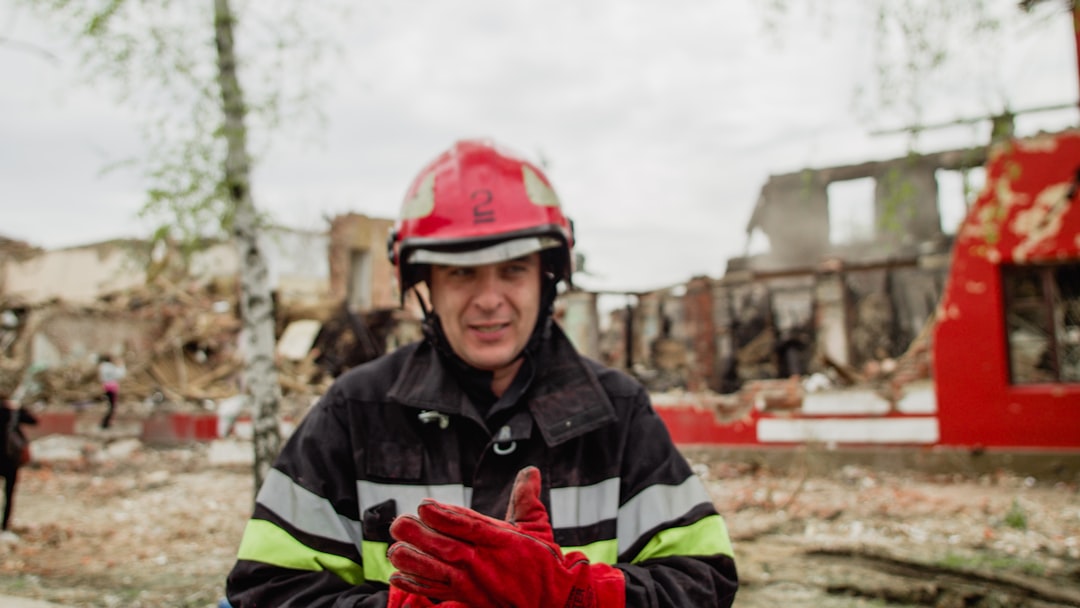
Practical Tools to Boost Your Confidence
Confidence doesn’t come overnight, especially in such a nuanced field. But certain tools and techniques can give you a clearer path forward:
- Journaling reflection prompts: Use guided questions to process readings and observations.
- Mind mapping software: Visual learners can map relationships between stressors, coping mechanisms, and intervention types.
- Mobile flashcards: Great for quick review during commutes or lunch breaks.
- Podcasts featuring expert insights: Listen to interviews with frontline practitioners discussing actual field experiences and lessons learned.
- Collaborative study groups via video conferencing: Schedule regular virtual meetups to dissect complex topics together and clarify uncertainties collectively.
- Volunteer shadowing opportunities: Partner with local Red Cross chapters or emergency management offices to observe real-world operations firsthand.
Remember, your goal isn’t perfection. It’s steady growth rooted in compassion, curiosity, and courage.
Self-Care Warning Sign Checklist
As you engage with emotionally charged material, monitor your own wellbeing constantly:
- Persistent fatigue unrelated to sleep quality
- Increased irritability or mood swings
- Avoidance behaviors regarding coursework or related media
- Dream disturbances or intrusive thoughts
- Feeling numb or disconnected from loved ones
If multiple signs appear, pause, seek personal supervision, or consult with a counselor experienced in trauma-informed care.
Staying Committed Long-Term
Learning any new discipline requires patience. In disaster psychology, that’s doubly true—you’re dealing with emotions, systems, and outcomes that rarely behave predictably.
That said, here are some mindset shifts that help keep commitment alive:
- View setbacks as part of the process—not failures
- Celebrate small wins along the way
- Remind yourself why you started—intrinsic motivation lasts longest
- Seek mentorship regularly—experienced mentors offer insight into navigating career paths and emotional challenges alike
- Reframe criticism constructively; feedback improves competency and sharpens judgment under pressure
- Engage with interdisciplinary perspectives—collaboration enriches problem-solving abilities in diverse contexts
Also consider revisiting resources periodically. As you grow, earlier material takes on new meaning. What confused you last month might suddenly click now.
Long-Term Engagement Strategy: Specialization Tracks
To maintain interest and deepen expertise, explore sub-specialties within disaster psychology such as:
- Child Developmental Trauma
- Mass Violence and Terrorism Responses
- Climate Change Mental Health Impacts
- Disaster Preparedness Education in Schools
- Psychosocial Support for Refugees and Internally Displaced Persons
Selecting a niche provides direction and fuels ongoing curiosity, preventing stagnation and burnout.
Your Next Step Forward
Whether you’re preparing for certification, seeking personal development, or simply curious about human behavior under pressure, embarking on the journey of Disaster Psychology opens doors to impactful contributions in our world.
No two minds process crisis the same way—and that diversity lies at the heart of effective support. There’s no one-size-fits-all solution in this space… and that’s exactly what makes it endlessly fascinating.
If you’ve found value in this guide, chances are a colleague, friend, or fellow student might too. Why not pass it along? Sharing knowledge multiplies its power—and sometimes, that ripple effect creates change far beyond what we imagine.