

You’ve probably scrolled through dozens—maybe hundreds—of phone photos today. But how many of those were taken by someone who really knew what they were doing?
The truth? Most people barely tap into the potential of their mobile cameras. And that’s a shame because modern smartphones can capture stunning, professional-quality images. It’s not just about having the latest model; it’s about knowing how to use it well.
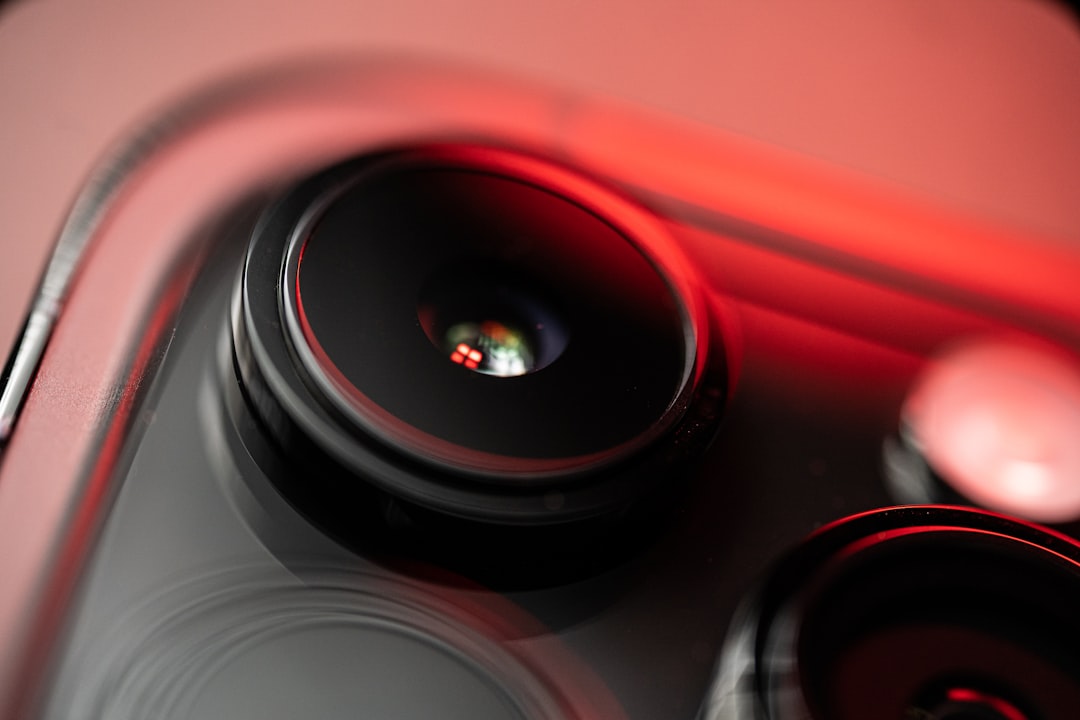
Mobile Photography Isn’t Just Hobbyist Territory Anymore
If you think mobile photography is only for Instagram influencers or weekend warriors, think again.
In recent years, entire careers have been built around phone-based visuals—from brand consultants creating polished social media content to documentary photographers capturing powerful stories in conflict zones using nothing more than an iPhone.
But here’s where it gets interesting: mobile phone photography techniques are surprisingly accessible—and incredibly transferable.
- You already carry your gear everywhere
- No need for expensive lenses or tripods
- Your eye becomes your most important tool
- Practice happens naturally during daily life
This makes it ideal for career changers looking to develop creative skills without committing huge time or financial resources upfront.
Ditch the Auto Mode: Understanding Exposure Basics
You might be wondering, do I really need to know technical stuff like exposure when my phone does everything automatically?
Absolutely.
Yes, phone cameras can handle many situations automatically, but understanding the fundamentals allows you to take control when the moment matters.nes now come with AI-powered features that guess lighting conditions and adjust settings accordingly—but sometimes, they get it wrong. Worse still, you lose creative control over how your image looks unless you understand what’s happening behind the scenes.
Control doesn’t mean perfection—it means intention.
To master manual adjustments:
- Look for apps that allow full manual control of ISO, shutter speed, focus, and white balance.
- Start practicing in familiar environments—your living room or backyard works great.
- Shoot the same scene under different light conditions to see how each parameter affects mood and clarity.
When you begin adjusting these elements consciously, even slightly, you shift from being a passive user to an active creator.
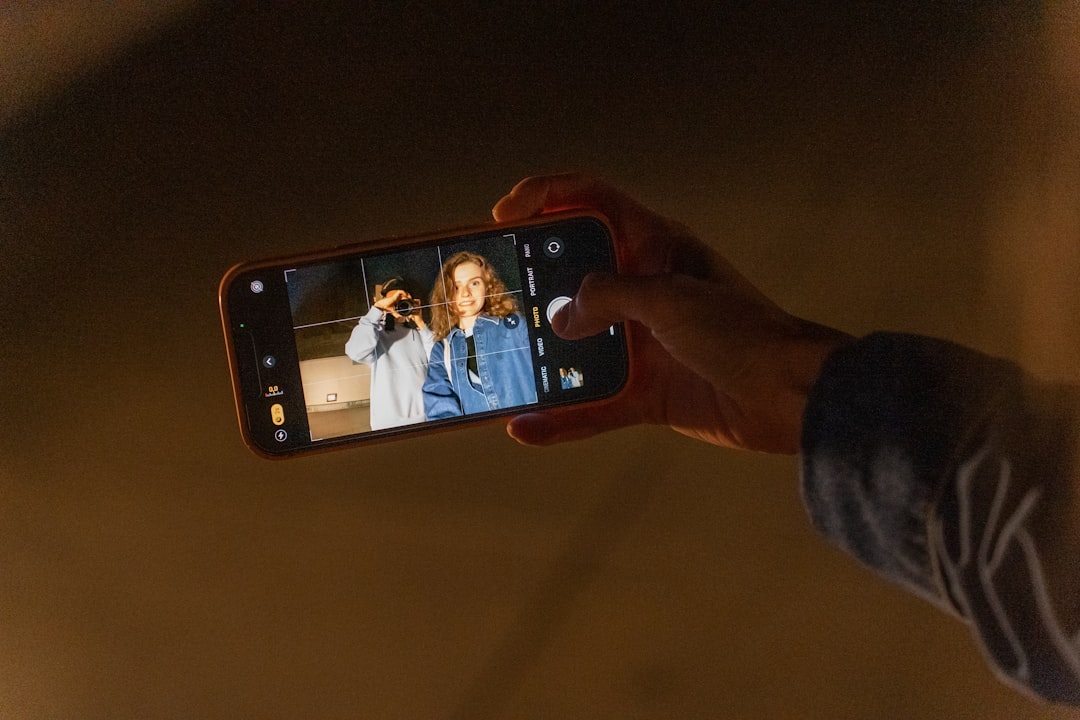
Framing & Composition: Small Screen, Big Impact
Here’s the thing—you don’t always have to follow traditional rules of thirds or leading lines. In fact, breaking them purposefully often leads to memorable shots.
That said, understanding classic composition principles gives you a foundation to build on creatively.
- Use reflections cleverly—especially available ones like mirrors, puddles, or windowpanes
- Frame within frames—doorways, arches, windows help direct attention to your subject
- Keep backgrounds simple—busy surroundings distract viewers from the main story
- Play with negative space—it can emphasize loneliness, minimalism, or strength depending on intent
Try shooting the same object five times using different compositional approaches. You’ll notice subtle shifts in viewer perception based solely on placement—and trust me, this exercise will open doors in thinking visually across mediums.
Light Makes the Picture—Not Just Records It
Photography literally translates to “drawing with light.” Yet so many forget this essential truth when pointing their phones at something pretty.
Instead of chasing golden hour every day (which, let’s face it, isn’t realistic), learn to work with whatever light exists in front of you.
- Backlight for silhouettes adds drama instantly
- Side-light reveals texture, shape, and depth beautifully
- Soft ambient light from overcast skies mimics studio conditions
- Even harsh midday sun has its place—in shadows or reflected off surfaces
Want proof? Try photographing the same person twice—one facing directly toward the sun, one turned sideways. Notice the difference?
Understanding how light behaves changes everything. Not just the look of your photos—but also how you observe the world day-to-day.

Color Storytelling Through Filters and Post-Processing
Sure, Instagram filters offer instant appeal, but relying too heavily on pre-made looks limits artistic expression—and consistency.
Post-processing on a phone used to mean cropping and maybe bumping up brightness. Today, there are robust tools right in your pocket capable of detailed edits rivaling desktop software—if you give yourself permission to explore.
Beginner tip: Stick to adjusting tone curves and color grading first. These small tweaks dramatically alter emotional resonance without requiring advanced skill.
- Warm tones suggest comfort, intimacy, nostalgia
- Cool tones imply isolation, tension, futuristic themes
- Black-and-white strips away distraction and focuses on form
- Monochromatic palettes unify otherwise chaotic scenes
Once comfortable manipulating colors intentionally, consider exploring layers or blend modes via third-party editing apps. They may seem intimidating initially, but remember—you’re not trying to become a graphic designer overnight. Just expanding your storytelling toolkit.
Leveraging Everyday Life As Creative Practice Grounds
Unlike DSLRs gathering dust in closets, mobile phones go everywhere we do—which means unlimited opportunities to practice anytime inspiration strikes.
Routine errands transform into visual scavenger hunts. Morning coffee turns into daily mindfulness practice. Waiting for the bus becomes an excuse to study architecture or street dynamics.
And that’s precisely why mobile photography thrives among self-directed learners—the kind of folks who are shifting careers or starting fresh after long tenures elsewhere.
- Set weekly challenges: Capture movement, emotion, symmetry, contrast
- Join online communities focused on mobile imagery—they’re full of feedback and inspiration
- Create themed projects: Document your neighborhood change seasonally or track local culture evolution
The beauty lies in repetition + reflection—not just taking hundreds of photos aimlessly, but reviewing which ones worked and asking why.
Mindset Matters More Than Megapixels
We live in a world obsessed with specs. How sharp is the lens? What’s the megapixel count? Can it shoot RAW files?
All valid considerations—but if you lack curiosity and patience, no amount of tech wizardry saves poor technique.
Great mobile photography comes down to two things: seeing clearly, then choosing deliberately.
- Critical observation separates average snapshots from compelling pictures
- Intentional decision-making defines whether you simply record moments—or tell stories worth remembering
So next time you pull out your phone to snap something quick, pause.
Ask yourself: What feeling am I aiming to evoke? Who would benefit from seeing this视角? What could I rearrange or reframe to make it stronger?
The Journey Starts With One Shot
Whether you want to freelance part-time while easing into design roles…or pivot entirely into visual journalism, lifestyle branding, or travel documentation—the fundamentals stay consistent.
Mobile photography builds muscle memory quickly. Confidence grows steadily. And creativity flows when constraints disappear.
You don’t need a new camera. You don’t need fancy equipment. You already have everything required inside that sleek rectangle buried somewhere in your pocket right now.
If you’ve felt stuck creatively—or unsure where your talents fit professionally—I challenge you to stop waiting for perfect timing.
Take one photo tomorrow with mindful framing.
Edit it slowly, deliberately. Ask why certain parts draw attention. Explore alternatives laterally in your mind.
Then repeat it all the day after.
For structured guidance along the way, consider diving deeper with our course dedicated specifically to unlocking mobile phone photography techniques: Mobile Phone Photography Techniques.
Your journey won’t happen overnight—but every image you take with intention counts as progress made.


