

Imagine standing confidently at the front of a packed auditorium, your presentation slides behind you as you command attention without even trying. You’re not just sharing facts—you’re weaving stories that stick, using persuasive techniques that convert doubt into action. That magnetic presence isn’t reserved for seasoned executives—it’s yours when you master the art of presenting advertising strategies with clarity and conviction.
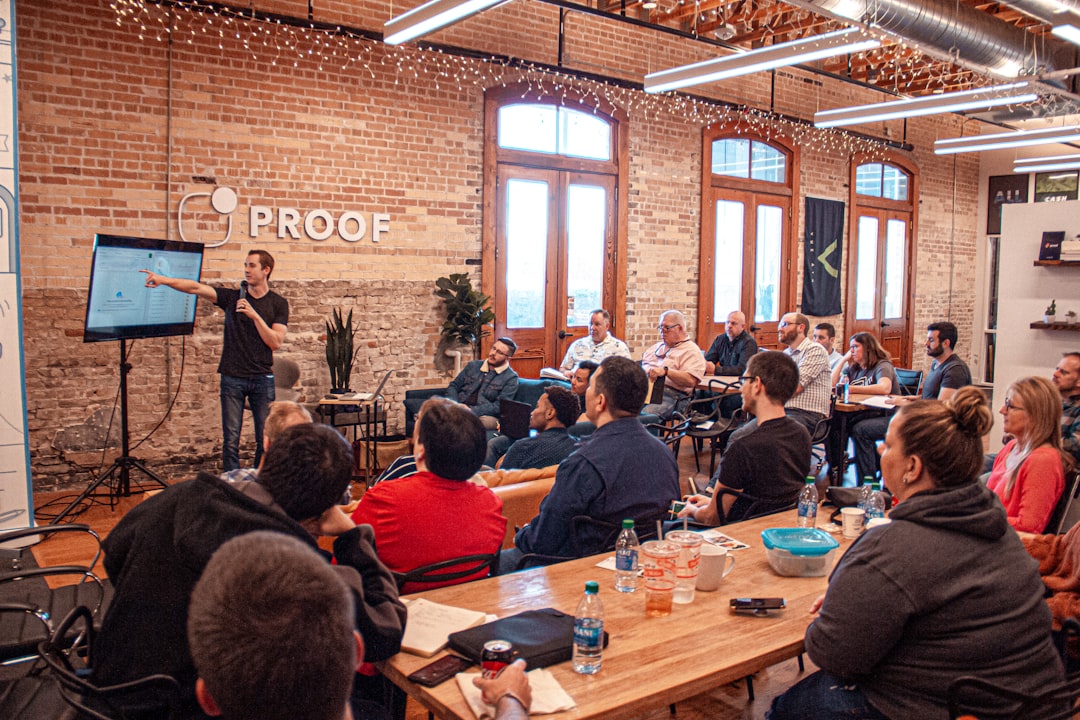
This is exactly what we’re building toward: turning busy professionals like you into captivating storytellers who can turn any room into an engaged crowd ready to buy in. And it starts with understanding how public speaking evolved within advertising itself.
The Evolution of Presentation Skills in Advertising
In early days, advertising professionals focused primarily on print campaigns and static visuals. Then came radio and television—media formats that demanded vocal delivery, timing, and performance skills from creatives themselves during pitches or live appearances.
- Rise of client-facing roles transformed internal strategists into brand ambassadors
- Increased emphasis on storytelling shifted focus from data dumps to narrative-driven presentations
- Digital platforms introduced new audiences and shorter attention spans requiring sharper communication
Today’s advertiser must wear many hats—and presenting effectively has become non-negotiable if you want your strategy heard above the noise.
“Greatt advertising doesn’t happen in silence.” — Unknown

Case Study: Apple’s Product Launch Evolution
Apple provides one of the most compelling examples of how presentation culture evolved in advertising. Steve Jobs didn’t just unveil products—he orchestrated experiences. His legendary keynote speeches became synonymous with revolutionary advertising campaigns. By focusing on simplicity, storytelling, and emotional resonance, he turned technology launches into cultural events. This approach influenced countless agencies to prioritize theatricality and narrative over dry technical specifications in their pitch decks.
Case Study: Coca-Cola Live Pitches During Global Campaign Rollouts
Coca-Cola’s global teams often deliver real-time presentations across multiple markets simultaneously via video conferencing. Their creative departments have refined a hybrid model where regional insights fuel localized adaptations—all communicated through concise yet emotionally charged live updates. These sessions require presenters to balance strategic depth with cross-cultural sensitivity—an increasingly critical skill set in today’s fragmented media landscape.
Case Study: Nike’s Athlete-Centric Speaker Training Program
Beyond external advertising efforts, Nike trains athletes—who often have minimal formal speaking backgrounds—to represent the brand publicly. Through immersive workshops emphasizing authenticity and personal storylines, these individuals transform from sports figures into powerful advocates. Agencies working with similar demographics would benefit from adopting comparable approaches tailored for celebrity spokespeople or influencer partnerships.
Your Preparation Checklist Before Any Presentation
Let’s begin by setting up strong foundations—a solid preparation phase makes everything else flow more smoothly. This part ensures that whether you’re pitching internally or presenting externally, every word works hard for you.
- Kick off with purpose: Define one clear outcome you want the audience to walk away with
- Tailor your tone: Match language and formality level to your listeners’ expectations
- Cut out clutter: Remove jargon unless it serves connection—not confusion
- Structure strategically: Open with relevance, build arguments logically, close with urgency
- Create emotional hooks: Tie messages back to human needs or pain points your product solves
You might be wondering whether practicing aloud really helps. Absolutely. Your brain processes information differently when spoken versus read silently—which means real rehearsal builds confidence faster than mental run-throughs alone.
Why Purpose-Driven Outlining Matters More Than You Think
Without a defined objective, your presentation becomes directionless—even if beautifully crafted visually or delivered passionately. Think of each slide or story element as a building block aimed at nudging your audience toward one decisive takeaway. When you align content around that singular goal, even dense topics gain clarity because viewers understand why they’re hearing them. This alignment also improves retention since our brains naturally filter incoming data based on perceived importance.
Practical Tip: Use the “Mirror Test”
A quick technique before finalizing any segment: Deliver it to yourself in the mirror while observing reactions. If facial expressions remain flat or disengaged, something lacks emotional punch. Adjust until there’s genuine enthusiasm visible—because if you aren’t moved, neither will your audience be.
Tech Tools That Help Every Advertiser Speak Better
Modern tools offer shortcuts to improvement—but only if used wisely. The difference lies not in complexity but consistency of usage. These simple setups help streamline practice and polish final execution.
- A microphone setup lets you hear how volume and pacing influence impact
- Video feedback allows self-analysis on body language and facial expression
- Slide design frameworks ensure visual support enhances—not distracts from—the message
And remember: tech should assist—not replace—your authentic voice. When tools fade into the background, your message shines through clearly.

Real Example: How a Small Agency Leveraged AI Voice Coaching Apps
An independent ad agency struggling with inconsistent delivery adopted an AI-powered vocal coaching app. Over six weeks, participants received automated feedback on pace variation, pause placement, and inflection use. Results were striking—not only did individual scores rise significantly, but team-wide presentation scores improved by 40% during subsequent client meetings. This low-cost solution provided personalized development opportunities previously reserved for executive coaches.
Warning About Overreliance on Slides
Too much screen dependency weakens rapport-building abilities. While polished graphics may impress initially, audiences connect more deeply with presenters who glance up regularly rather than reading notes verbatim. Design minimalist slides as memory aids—not scripts. Let spoken words provide nuance, emotion, and context instead of duplicating bullet list summaries already staring back at attendees.
Mindset Shifts That Turn Nerves Into Energy
What separates average speakers from unforgettable ones? Often, mindset. Instead of fighting nervousness, top presenters learn to channel it constructively. Here’s how pros do it:
- Rename anxiety as excitement—it’s simply adrenaline redirected
- Visualize success ahead of time to train subconscious reactions
- Lean into imperfections—they make you seem more relatable
Here’s the thing—you don’t need perfect recall. You need presence, passion, and poise under pressure. Even small tweaks in perspective unlock major gains in delivery quality.
New Framework: The ‘Energy Loop’ Concept
Instead of viewing nerves as obstacles, consider them energy loops feeding momentum throughout your talk. Channel rising tension between key transitions—letting intensity peak slightly higher before settling down again creates rhythm and engagement. Like musical crescendos, controlled surges keep listeners leaning forward rather than zoning out mid-conversation.
Pro Hack: Pre-Talk Ritualization Techniques
Elite presenters employ rituals immediately prior to stepping onto stages. Whether deep breathing exercises, positive affirmations whispered aloud, or five-minute visualization scripts replayed mentally, consistent patterns anchor calm states amidst chaos. These routines act like reset buttons—triggering readiness cues trained through repetition so that nerves shift functionally from interfering forces to empowering allies.
Post-Presentation Habits Worth Building
Once掌声 dies down, that’s when actual growth begins. Every presentation becomes a learning lab if you treat it like one. Consider these habits essential to growing stronger each time you step onto stage—or Zoom call.
- Take five minutes after to jot thoughts: What worked? What missed?
- Ask trusted colleagues honest feedback—not flattery—about tone and clarity
- Revisit recordings periodically to spot evolution over months or quarters
- Track measurable outcomes tied to specific changes made (e.g., pitch acceptance rate)
If continuous refinement sounds exhausting, think again. With each iteration, effort decreases while mastery increases exponentially.
Advanced Practice Strategy: Reverse Engineering Wins
After highly successful presentations, reverse-engineer exactly what contributed to favorable responses. Was it a particular phrase that sparked questions afterward? Did certain gestures coincide with increased listener engagement captured via eye contact analysis? Identifying micro-successes enables intentional replication rather than accidental brilliance. Documenting these findings forms a living archive guiding future improvements systematically rather than reactively.
Tool Integration Suggestion: Feedback Matrix Chart
Create a structured chart tracking qualitative comments alongside quantitative metrics such as conversion percentage lifts post-pitch or survey scores gauging audience comprehension levels. Cross-referencing subjective praise (“You connected well”) with concrete results uncovers correlations revealing which styles resonate most powerfully. This dual perspective prevents basing future strategies purely upon perception alone—grounding development plans firmly within empirical evidence.
Putting It All Together: Your Next Big Opportunity
Whether launching a campaign internally or pitching clients externally, all these elements converge in moments that define careers. Take those first steps now—and watch how quickly you evolve from speaker to leader, influencer, and decision-maker.
Consider enrolling in our course designed specifically around helping advertisers refine both strategy and speech simultaneously: Advertising. There’s no better way to accelerate results than guided learning paired with hands-on application.
As you continue developing your ability to speak persuasively in high-stakes scenarios, imagine the doors opening—not just professionally but personally too. Because when you own the room, respect follows naturally.
Someday soon, someone will describe watching you present… and say, “They didn’t just talk; they inspired.”