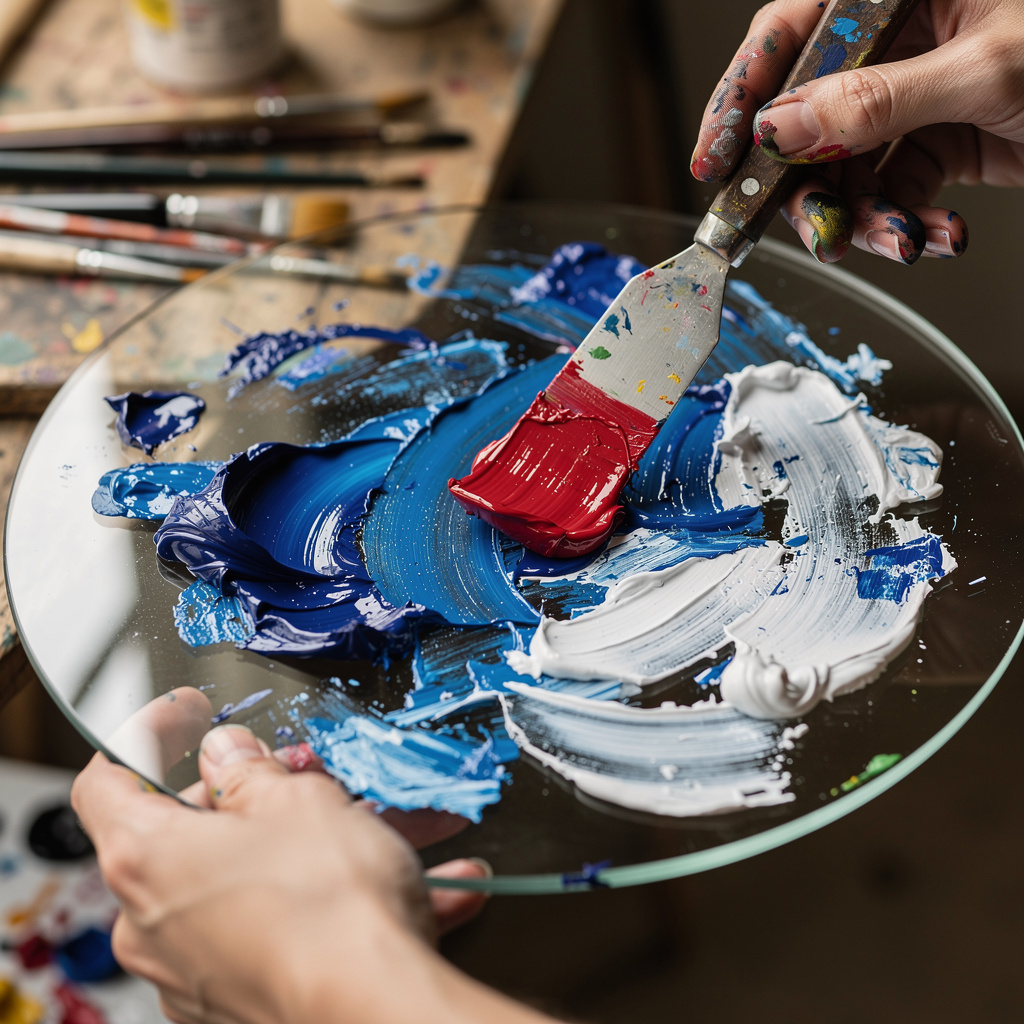
What is Acrylic Painting Techniques?
Acrylic Painting Techniques Training
This Acrylic Painting Techniques certificate program is a comprehensive, hands-on journey into the most versatile medium in contemporary art, designed for absolute beginners and experienced painters alike who want to master the full expressive range of acrylics. Across twelve focused lessons, you will move from essential studio setup and color theory through brushwork, blending, layering, and impasto, all the way to advanced glazing, dry brush effects, and fluid acrylic washes. The practical outcome is a complete toolkit of mark-making and compositional strategies that empowers you to confidently start and finish paintings with depth, luminosity, and a distinctive personal voice.
The program is structured as a progressive, step-by-step pathway that balances technical drills with creative exploration, ensuring you build real muscle memory before tackling complex projects. You will strengthen four core skill areas—color mastery, surface manipulation, spatial composition, and light logic—while working through guided exercises and a culminating final project that takes you from initial concept to a fully realized acrylic painting. With its blend of classical techniques and bold abstract approaches, this training is ideal for anyone who wants to unlock acrylics’ fast-drying potential, layer like an oil painter, and develop a sustainable studio practice right now.
What is Acrylic Painting Techniques?
Acrylic painting techniques encompass the full spectrum of methods used to manipulate water-based polymer paints, a medium that can mimic the transparency of watercolor, the body of oil, or the flatness of graphic design depending on how it is handled. At its core, this discipline covers viscosity control, drying time management, and the layering logic that allows artists to build images from thin washes to thick, sculptural impasto. It also includes an understanding of pigments, binders, mediums, and grounds, as well as the physical gestures—from delicate scumbling and dry brushing to bold palette knife work—that define a painter’s visual language. Because acrylics are so adaptable, the techniques form a bridge between traditional fine art practices and contemporary mixed-media, illustration, and mural work.
In today’s creative landscape, acrylic painting techniques are more relevant than ever, driven by a resurgence of interest in handmade materiality and the demand for fast, flexible workflows in studios, classrooms, and public art projects. The medium’s low toxicity, rapid drying time, and ability to adhere to almost any surface have made it a favorite for urban muralists, live event painters, and digital-age creators who share their process online. Recent shifts toward sustainable art practices and small-space studios have also amplified the appeal of acrylics, as they require minimal solvents and can be used in layered, time-efficient sessions that suit modern schedules. From gallery walls to commercial illustration and art therapy, acrylic techniques are now a core literacy for visual expression.
Developing a deep command of acrylic painting techniques builds a skill stack that goes far beyond the canvas—it sharpens your eye for color relationships, trains your hand to control value and edge quality, and teaches you to think in terms of layered construction and visual rhythm. Whether you aim to exhibit in galleries, create compelling commissioned work, or simply enrich a personal creative practice, fluency in these methods gives you the ability to translate any idea into a physical, luminous surface. The discipline also cultivates patience, adaptability, and a problem-solving mindset, as you learn to work with the paint’s fast drying time and exploit happy accidents. Ultimately, mastering acrylic techniques means gaining a lifelong, portable language for making images that feel immediate, vibrant, and unmistakably your own.
Common Questions About Acrylic Painting Techniques
Is this acrylic painting course suitable for complete beginners?
What makes this acrylic painting techniques course unique?
How do you create a smooth blend with acrylic paints?
- Paint consistency: Use a creamy, not too thick or thin, consistency with a blending medium.
- Brush choice: A soft synthetic flat or filbert brush for feathering.
- Technique: Apply two colors side by side, then use light, overlapping strokes to merge them before the paint dries.
Why is glazing important for creating depth in acrylics?
What is the difference between dry brush and scumbling?
How to apply an acrylic wash without streaks?
Is it true that acrylics dry too fast for blending?
What Will This Course Bring You?
- Assemble a functional acrylic painting workspace by selecting appropriate brushes, surfaces, and mediums for specific techniques.
- Apply color theory principles to mix custom hues, tints, shades, and neutrals from a limited palette of acrylic paints.
- Execute a variety of brushwork and mark-making techniques to create expressive textures and controlled strokes in acrylic compositions.
- Build luminous depth in a painting by layering transparent glazes and opaque passages using acrylic mediums and controlled drying times.
- Construct heavily textured surfaces with impasto techniques, manipulating acrylic paint and additives using palette knives and brushes.
- Create translucent washes and fluid stains by controlling acrylic paint viscosity and exploiting absorbent or non-absorbent grounds.
- Render convincing light and shadow by applying value studies and color temperature shifts to acrylic paintings.
- Synthesize technical skills and conceptual planning to produce a cohesive acrylic painting from initial sketch to final presentation.
Curriculum
12 Units1. Essential Materials and Studio Setup
1 hour
2. Color Mixing and Theory for Acrylics
1 hour
3. Brushwork and Mark-Making Fundamentals
1 hour
4. Blending and Gradient Techniques
1 hour
5. Layering and Glazing for Depth
1 hour
6. Impasto and Texture Building
1 hour
7. Dry Brush and Scumbling Effects
1 hour
8. Washes, Stains, and Fluid Acrylics
1 hour
9. Composition and Visual Flow
1 hour
10. Painting Light and Shadow
1 hour
11. Abstract and Experimental Approaches
1 hour
12. Final Project: From Concept to Completed Painting
1 hour
Exam – Acrylic Painting Techniques
20 Questions • 70% Pass • 30 min
Unlock All Units for Free
Create an account, enroll in the course, and start with the first unit right away.
Exam – Acrylic Painting Techniques
20 Questions • Pass: 70% • 30 min
Course Duration
720
Total Minutes
12
Unit
1
Final Exam
~60
Min / Unit
Acrylic Painting Techniques Certificate Program
Document Your Skill
Those who pass the 20-question, 30-minute exam with 70% receive the Acrylic Painting Techniques Certificate.
Stand Out on Your CV
By adding your certificate to your CV, gain a professional reference in job applications and stand out from the crowd.
Career Advantage
Catch Wisdom certificates are recognized by HR departments and increase career opportunities.
CERTIFICATE FEE
At the end of the course, an online exam consisting of 20 questions with a 30-minute time limit is given. The exam appears automatically after you complete the topics. Anyone who scores at least 70 out of 100 on the certificate exam is awarded the Acrylic Painting Techniques Document (certificate of attendance). You can add the certificate you earn to your CV for job applications in the many sectors listed above, and use it as a reference proving that you took this interactive course.
The Certificate of Achievement you receive with the Acrylic Painting Techniques course program holds value that proves your personal and professional development in the business world. By adding it to your CV, it can serve as an important reference in your job applications. Moreover, compared with certificates from other private training institutions, Catch Wisdom certificates are offered to our participants at a much more affordable price.
Because HR departments recognize Catch Wisdom as a reputable institution in this field, they value these certificates and may evaluate your job applications favorably. For this reason, a Acrylic Painting Techniques course certificate from Catch Wisdom can make your applications more attractive and place you in an advantageous position in the business world.
For more information, we recommend visiting the Support page.
Certificate in 7 Languages
Earning success certificates from our courses is now more meaningful and global. With certificates available in Turkish, English, German, French, Spanish, Arabic, and Russian, we fully unlock the potential of students worldwide.
Why Certificate in 7 Languages?
-
01
Global Skill Development
Receiving your certificates in 7 different languages strengthens your communication skills as you engage with more people worldwide. It lets you operate more confidently and capably on the international stage.
-
02
International Job Opportunities
Employers may see your certificates in multiple languages as a sign of your ability to seize global opportunities. You can open more doors to new jobs and projects.
-
03
Cultural Richness
The chance to earn certificates in different languages helps you build closer ties with various cultures and broadens your worldview. It enriches your global perspective and deepens cultural understanding.
-
04
Ability to Participate in International Projects
Multilingual certificates give you an edge to work more effectively on international projects. They boost your chances of leadership and participation in diverse projects in the business world.
-
05
Prove Yourself on the Global Stage
Certificates in multiple languages let you showcase your skills and knowledge worldwide. You can become an internationally recognized professional.
Language diversity opens worldwide opportunities. If you want to prove yourself in the international arena, join our online Acrylic Painting Techniques course program and begin this journey with us.
Frequently Asked Questions (FAQ)
Is this course paid?
How do I join the course?
Can I take the course at my own pace?
How can I get my certificate?
What are the advantages of the Certified Certificate?
Boost Your Career
Take a new career step with the Acrylic Painting Techniques course. Add your certificate to your CV, stand out in job applications, and open the door to new opportunities in the industry.
StartStudent Reviews
No reviews yet
Enroll in this course and be the first to leave a review about your experience with Acrylic Painting Techniques.
Start