What is Backpacking Basics?
Backpacking Basics Certificate Program
Backpacking Basics certificate program introduces the foundational skills required for safe, self-supported overnight travel in wilderness settings. It is built for beginner backpackers, day hikers transitioning to overnight trips, and outdoor enthusiasts who want to replace guesswork with reliable systems. Across the lessons, participants examine essential gear and the Big Three, clothing and layering, footwear and foot care, backpack selection and packing, trip planning and permits, backcountry nutrition and cooking, navigation with maps, compass, and GPS, campsite selection and sleep systems, Leave No Trace and wildlife awareness, and weather, safety, and emergency preparedness. The main practical outcome is the ability to plan and execute a short overnight backpacking trip with appropriate gear, sensible route logistics, and a strong safety margin.
The program is structured as a beginner-friendly progression that moves from understanding overnight wilderness travel to a final short overnight trip. It balances theory with practical decision-making, so learners connect gear lists, route plans, and camp routines to real backcountry conditions. Five core skill areas organize the training: gear and clothing systems, foot care and movement, navigation and trip logistics, campcraft and shelter, and safety, weather, and environmental ethics. Someone would choose this certificate program now because backpacking participation is growing, permit systems are becoming more competitive, and lightweight gear is more accessible, yet the consequences of poor preparation remain serious. The course offers a compact, structured way to build confidence before committing to longer or more remote adventures.
What is Backpacking Basics?
Backpacking Basics is the body of knowledge and practice that supports self-reliant overnight travel on foot through wild or semi-wild landscapes. Its scope begins with understanding what distinguishes an overnight backpacking trip from a day hike and extends through gear selection, load carriage, clothing layering, foot care, nutrition, hydration, navigation, campsite selection, shelter, weather reading, and emergency preparedness. Core concepts include the Big Three—pack, shelter, and sleep system—as well as the principle that every item carried must justify its weight and function. The subject also treats Leave No Trace ethics, wildlife awareness, and risk management as inseparable from route planning and camp life. In practice, backpacking basics is less about memorizing gear lists and more about developing judgment for dynamic outdoor environments.
This subject matters today because outdoor recreation has expanded rapidly, bringing more people onto trails, into permit lotteries, and into fragile alpine, desert, and forest ecosystems. Real-world applications appear in national parks, long-distance trails, scouting and youth programs, outdoor education, guide services, conservation crews, and search-and-rescue support. Recent shifts include the rise of ultralight gear, smartphone navigation apps alongside traditional map-and-compass skills, stricter permit systems, and greater awareness of human-wildlife conflict. Climate variability and extreme weather also make foundational backpacking knowledge more relevant, not less, because conditions can change quickly in exposed terrain. Understanding these basics helps people participate responsibly in a growing outdoor culture rather than treating wilderness travel as an improvised adventure.
Mastering Backpacking Basics builds a skill stack that combines trip planning, gear literacy, navigation, campcraft, physical pacing, foot care, weather assessment, and ethical decision-making. That stack supports personal overnight trips, weekend club outings, section hikes of longer trails, and volunteer or professional roles that require comfort in backcountry settings. It also transfers to broader contexts such as emergency preparedness, outdoor leadership, conservation fieldwork, and any activity where self-sufficiency and environmental responsibility matter. The subject ultimately equips learners to move through wild places with competence, humility, and a lighter footprint.
What Will This Course Bring You?
- Analyze overnight wilderness travel demands and compare them with day hiking to prepare for backcountry challenges.
- Evaluate and assemble the Big Three: shelter, sleep system, and backpack for a specific overnight trip based on weight, weather, and comfort.
- Apply a backcountry clothing layering system and select footwear, socks, and foot-care routines for changing conditions and multi-mile days.
- Fit and pack a backpack to distribute weight efficiently while keeping essential gear accessible during an overnight hike.
- Design a short overnight backpacking route that includes permits, resupply points, campsite locations, and realistic daily mileage.
- Plan balanced backcountry meals and hydration strategies, then demonstrate safe cooking methods using a backpacking stove.
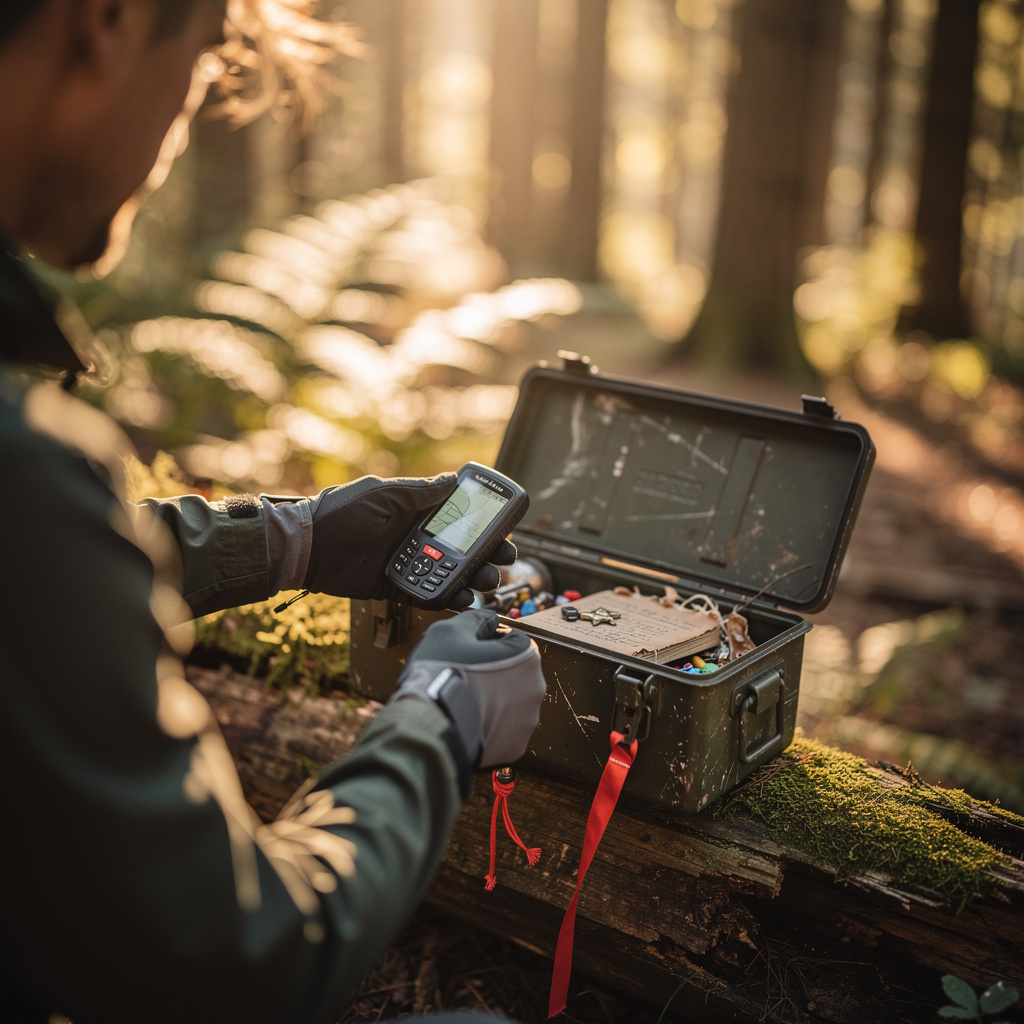
- Navigate a backcountry route using topographic maps, a compass, and GPS while making terrain-based decisions.
- Select a campsite, set up shelter, and execute a short overnight trip while applying Leave No Trace, wildlife awareness, weather, and emergency preparedness.
Curriculum
12 Units1. Understanding Overnight Wilderness Travel
1 hour
2. Essential Gear and the Big Three
1 hour
3. Clothing and Layering for Backcountry Conditions
1 hour
4. Footwear, Socks, and Foot Care
1 hour
5. Backpack Selection, Fit, and Packing
1 hour
6. Trip Planning, Permits, and Route Logistics
1 hour
7. Backcountry Nutrition, Hydration, and Cooking
1 hour
8. Navigation with Maps, Compass, and GPS
1 hour
9. Campsite Selection, Shelter, and Sleep Systems
1 hour
10. Leave No Trace and Wildlife Awareness
1 hour
11. Weather, Safety, and Emergency Preparedness
1 hour
12. Planning and Executing a Short Overnight Trip
1 hour
Exam – Backpacking Basics
20 Questions • 70% Pass • 30 min
Unlock All Units for Free
Create an account, enroll in the course, and start with the first unit right away.
Exam – Backpacking Basics
20 Questions • Pass: 70% • 30 min
Course Duration
720
Total Minutes
12
Unit
1
Final Exam
~60
Min / Unit
Backpacking Basics Certificate Program
Document Your Skill
Those who pass the 20-question, 30-minute exam with 70% receive the Backpacking Basics Certificate.
Stand Out on Your CV
By adding your certificate to your CV, gain a professional reference in job applications and stand out from the crowd.
Career Advantage
With the verification code, employers can check your certificate instantly — a concrete way to show your growth.
CERTIFICATE FEE
At the end of the course, an online exam consisting of 20 questions with a 30-minute time limit is given. The exam appears automatically after you complete the topics. Anyone who scores at least 70 out of 100 on the certificate exam is awarded the Backpacking Basics Document (certificate of attendance). You can add the certificate you earn to your CV for job applications in the many sectors listed above, and use it as a reference proving that you took this interactive course.
The Certificate of Achievement you receive with the Backpacking Basics course program holds value that proves your personal and professional development in the business world. By adding it to your CV, it can serve as an important reference in your job applications. Moreover, compared with certificates from other private training institutions, Catch Wisdom certificates are offered to our participants at a much more affordable price.
The Backpacking Basics course certificate is a document that proves, with a unique verification code, that you completed the course. Employers can instantly check its authenticity with this code, which helps you show your development concretely in your job applications.
For more information, we recommend visiting the Support page.
Certificate in 7 Languages
Earning success certificates from our courses is now more meaningful and global. With certificates available in Turkish, English, German, French, Spanish, Arabic, and Russian, we fully unlock the potential of students worldwide.
Why Certificate in 7 Languages?
-
01
Global Skill Development
Receiving your certificates in 7 different languages strengthens your communication skills as you engage with more people worldwide. It lets you operate more confidently and capably on the international stage.
-
02
International Job Opportunities
Employers may see your certificates in multiple languages as a sign of your ability to seize global opportunities. You can open more doors to new jobs and projects.
-
03
Cultural Richness
The chance to earn certificates in different languages helps you build closer ties with various cultures and broadens your worldview. It enriches your global perspective and deepens cultural understanding.
-
04
Ability to Participate in International Projects
Multilingual certificates give you an edge to work more effectively on international projects. They boost your chances of leadership and participation in diverse projects in the business world.
-
05
Prove Yourself on the Global Stage
Certificates in multiple languages give you the opportunity to present your skills and knowledge worldwide.
Language diversity opens worldwide opportunities. If you want to prove yourself in the international arena, join our online Backpacking Basics course program and begin this journey with us.
Frequently Asked Questions (FAQ)
Is this course paid?
How do I join the course?
Can I take the course at my own pace?
How can I get my certificate?
What are the advantages of the certificate?
Boost Your Career
Take a new career step with the Backpacking Basics course. Add your certificate to your CV, stand out in job applications, and open the door to new opportunities in the industry.
StartStudent Reviews
No reviews yet
Enroll in this course and be the first to leave a review about your experience with Backpacking Basics.
Start