What is Balcony Vegetable Gardening?
Balcony Vegetable Gardening Training
The Balcony Vegetable Gardening certificate program teaches you how to transform even the smallest outdoor space into a productive vegetable garden. Designed for urban dwellers, apartment renters, and anyone with limited outdoor area, this course provides a complete, step-by-step system for growing fresh vegetables on a balcony. The main practical outcome is that you will be able to plan, plant, and maintain a thriving container garden that yields a continuous harvest from spring through fall.
The program is structured as a beginner-friendly progression that balances hands-on techniques with the underlying science of container gardening. Starting with site assessment and container selection, it builds core skills in soil management, watering systems, fertilization, pest control, and season extension. You will also learn specialized techniques like trellising, succession planting, and troubleshooting common problems. This course is ideal now because urban food gardening is booming, and balcony growers need targeted guidance to overcome the unique challenges of limited light, wind exposure, and restricted root space.
What is Balcony Vegetable Gardening?
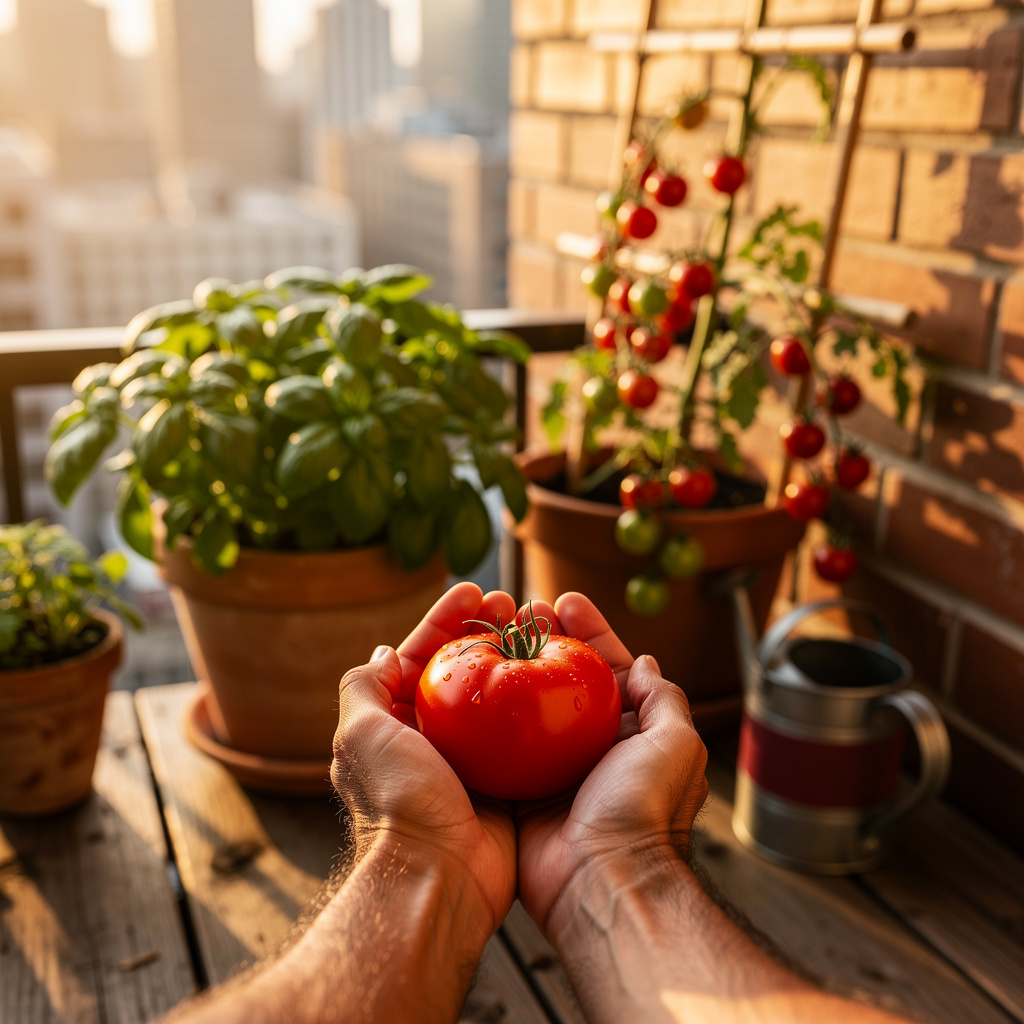
Balcony vegetable gardening is the practice of growing edible plants in containers on a balcony, terrace, or similar small outdoor space. It encompasses a specialized set of techniques adapted from traditional gardening, including container selection, lightweight growing media, vertical trellising, and microclimate management. Core concepts involve maximizing limited square footage, managing water and nutrients in confined root zones, and selecting vegetable varieties bred for compact growth and high yields in pots.
This subject has gained tremendous relevance in recent years as urbanization accelerates and more people live in apartments without access to a traditional garden. It addresses food security, sustainability, and mental well-being by enabling city residents to grow their own produce. Real-life applications range from personal hobby gardens to community balcony projects, and the principles are increasingly studied in urban agriculture programs and horticulture courses focused on small-space food production.
Mastering balcony vegetable gardening builds a versatile skill stack that includes plant biology, resource management, and creative problem-solving. These skills are directly applicable to personal food independence, but also transfer to professional roles in urban farming, landscape design for small spaces, and horticultural consulting. Whether you are a home gardener seeking fresh herbs and tomatoes or a professional looking to expand your expertise, this subject empowers you to turn any balcony into a productive, edible oasis.
Common Questions About Balcony Vegetable Gardening
Is this balcony vegetable gardening course suitable for absolute beginners?
What is the duration and format of the balcony gardening training?
How do I assess sunlight and wind on my balcony for vegetable growth?
- Shadow test: Map shadows every two hours from sunrise to sunset.
- Orientation check: Note which direction your balcony faces and how nearby buildings affect light.
- Wind assessment: Hold a ribbon or your hand at plant height to gauge wind strength and direction.
What is the best container depth for root development in balcony gardening?
Why are compact and dwarf varieties recommended for balcony vegetable success?
What are the three forces that steal moisture from balcony pots?
Do I need a large balcony to grow vegetables successfully?
What Will This Course Bring You?
- Assess balcony conditions including sunlight, wind, and space to determine suitable vegetable varieties.
- Select appropriate containers and growing mediums based on balcony constraints and vegetable needs.
- Compare advantages of starting from seeds versus seedlings for specific balcony vegetables.
- Design a watering schedule and moisture management system for container vegetables on a balcony.
- Apply fertilization techniques tailored to container-grown vegetables to optimize growth in a balcony setting.
- Implement integrated pest management strategies to prevent and control common balcony pests.
- Plan a seasonal planting calendar using succession planting to maximize harvest from a small balcony.
- Build trellising or staking structures to support vertical growth of vining vegetables on a balcony.
Curriculum
12 Units1. Assessing Your Balcony: Sunlight, Wind, and Space
1 h
2. Choosing Containers and Growing Mediums
1 h
3. Selecting Vegetables for Balcony Success
1 h
4. Starting from Seeds vs. Seedlings
1 h
5. Planting and Spacing in Containers
1 h
6. Watering Systems and Moisture Management
1 h
7. Fertilizing for Container Vegetables
1 h
8. Pest and Disease Management on Balconies
1 h
9. Seasonal Planning and Succession Planting
1 h
10. Supporting Growth: Trellising, Staking, and Pruning
1 h
11. Harvesting and Extending the Season
1 h
12. Troubleshooting Common Balcony Gardening Problems
1 h
Exam – Balcony Vegetable Gardening
20 Questions • 70% Pass • 30 min
Unlock All Units for Free
Create an account, enroll in the course, and start with the first unit right away.
Exam – Balcony Vegetable Gardening
20 Questions • Pass: 70% • 30 min
Course Duration
720
Total Minutes
12
Unit
1
Final Exam
~60
Min / Unit
Balcony Vegetable Gardening Certificate Program
Document Your Skill
Those who pass the 20-question, 30-minute exam with 70% receive the Balcony Vegetable Gardening Certificate.
Stand Out on Your CV
By adding your certificate to your CV, gain a professional reference in job applications and stand out from the crowd.
Career Advantage
Catch Wisdom certificates are recognized by HR departments and increase career opportunities.
CERTIFICATE FEE
At the end of the course, an online exam consisting of 20 questions with a 30-minute time limit is given. The exam appears automatically after you complete the topics. Anyone who scores at least 70 out of 100 on the certificate exam is awarded the Balcony Vegetable Gardening Document (certificate of attendance). You can add the certificate you earn to your CV for job applications in the many sectors listed above, and use it as a reference proving that you took this interactive course.
The Certificate of Achievement you receive with the Balcony Vegetable Gardening course program holds value that proves your personal and professional development in the business world. By adding it to your CV, it can serve as an important reference in your job applications. Moreover, compared with certificates from other private training institutions, Catch Wisdom certificates are offered to our participants at a much more affordable price.
Because HR departments recognize Catch Wisdom as a reputable institution in this field, they value these certificates and may evaluate your job applications favorably. For this reason, a Balcony Vegetable Gardening course certificate from Catch Wisdom can make your applications more attractive and place you in an advantageous position in the business world.
For more information, we recommend visiting the Support page.
Certificate in 7 Languages
Earning success certificates from our courses is now more meaningful and global. With certificates available in Turkish, English, German, French, Spanish, Arabic, and Russian, we fully unlock the potential of students worldwide.
Why Certificate in 7 Languages?
-
01
Global Skill Development
Receiving your certificates in 7 different languages strengthens your communication skills as you engage with more people worldwide. It lets you operate more confidently and capably on the international stage.
-
02
International Job Opportunities
Employers may see your certificates in multiple languages as a sign of your ability to seize global opportunities. You can open more doors to new jobs and projects.
-
03
Cultural Richness
The chance to earn certificates in different languages helps you build closer ties with various cultures and broadens your worldview. It enriches your global perspective and deepens cultural understanding.
-
04
Ability to Participate in International Projects
Multilingual certificates give you an edge to work more effectively on international projects. They boost your chances of leadership and participation in diverse projects in the business world.
-
05
Prove Yourself on the Global Stage
Certificates in multiple languages let you showcase your skills and knowledge worldwide. You can become an internationally recognized professional.
Language diversity opens worldwide opportunities. If you want to prove yourself in the international arena, join our online Balcony Vegetable Gardening course program and begin this journey with us.
Frequently Asked Questions (FAQ)
Is this course paid?
How do I join the course?
Can I take the course at my own pace?
How can I get my certificate?
What are the advantages of the Certified Certificate?
Boost Your Career
Take a new career step with the Balcony Vegetable Gardening course. Add your certificate to your CV, stand out in job applications, and open the door to new opportunities in the industry.
StartStudent Reviews
No reviews yet
Enroll in this course and be the first to leave a review about your experience with Balcony Vegetable Gardening.
Start