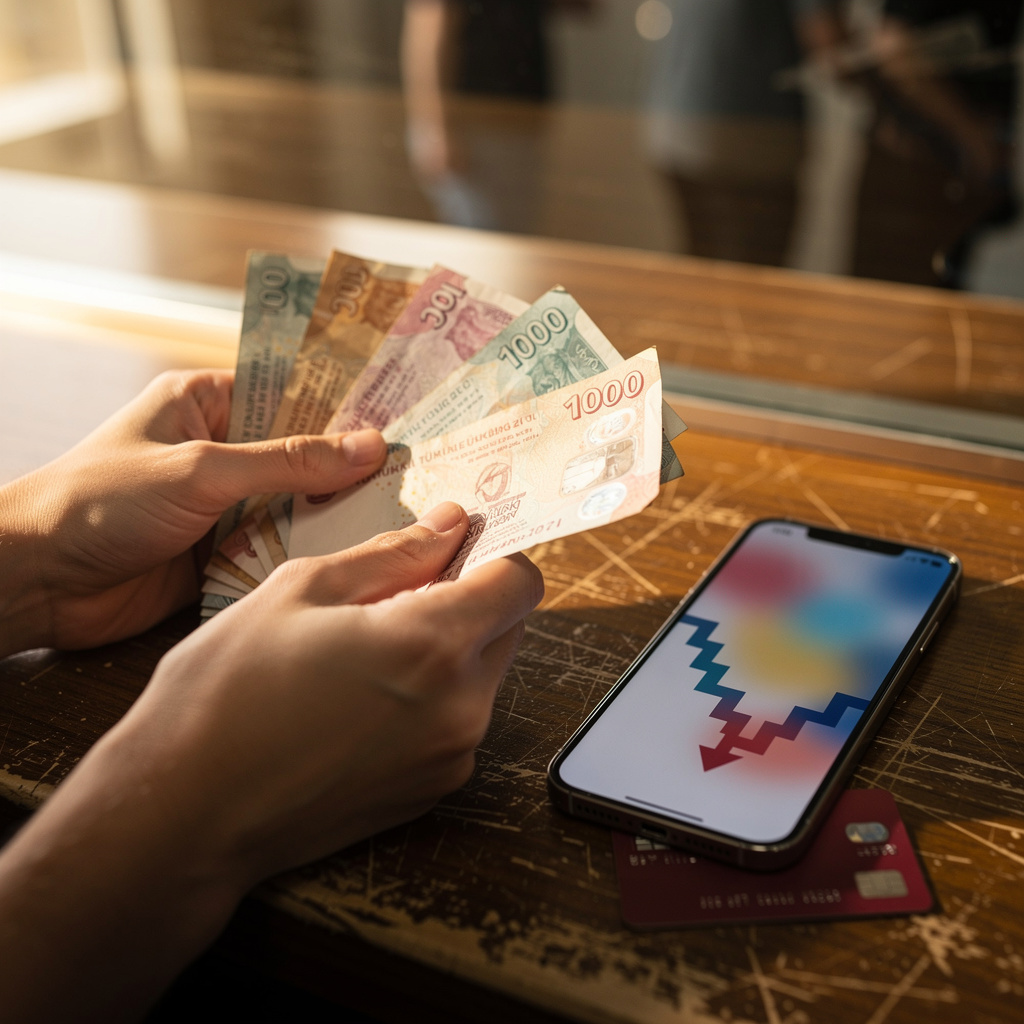
What is Cutting Remittance Costs?
Cutting Remittance Costs Training
The Cutting Remittance Costs certificate program is a focused, hands-on training designed for individuals, small business owners, and finance professionals who regularly send or receive money across borders. This course teaches you how to identify and eliminate the hidden expenses embedded in international transfers, from exchange rate margins and service fees to compliance-related surcharges. By the end, you will have a personalized action plan to cut your remittance costs by up to 50% while maintaining speed and security.
The program is structured as a beginner-friendly progression that balances theoretical knowledge with real-world application. Starting with the true cost of sending money abroad, you will move through decoding fee structures, comparing providers, and exploring digital and mobile solutions, including peer-to-peer and cryptocurrency transfers. The curriculum builds five core skill areas: cost analysis, provider evaluation, regulatory awareness, negotiation tactics, and strategic transfer optimization. With lessons on SWIFT navigation, case studies, and future trends, this course is your timely advantage in an era where global remittance volumes exceed $800 billion annually—and where every percentage point saved translates directly into your pocket.
What is Cutting Remittance Costs?
Cutting remittance costs refers to the systematic practice of reducing the total expense incurred when transferring money internationally. This encompasses not only the explicit transfer fees charged by banks or money transfer operators but also the often-overlooked exchange rate margins—the difference between the mid-market rate and the rate you actually receive. Core concepts include understanding fee structures, comparing service providers, leveraging digital platforms, and optimizing transfer frequency and amount to minimize per-transaction costs. The field also involves navigating regulatory frameworks that influence pricing, such as anti-money laundering (AML) and know-your-customer (KYC) requirements, which can add compliance costs to each transaction.
Today, cutting remittance costs is more critical than ever, as global migration and cross-border employment continue to rise, with remittances serving as a lifeline for millions of families. The World Bank has set a target of reducing the global average cost of remittances to 3% by 2030, yet many corridors still charge over 6%. This gap creates a pressing need for individuals and businesses to actively seek lower-cost alternatives. Recent shifts toward digital-only banks, mobile money platforms, and blockchain-based transfers have disrupted traditional pricing models, offering new opportunities for cost savings. In real life, this subject is applied by migrant workers, freelancers, e-commerce sellers, and multinational corporations alike, all of whom benefit from understanding how to navigate the complex landscape of international payments.
Mastering the subject of cutting remittance costs builds a versatile skill stack that combines financial literacy, analytical thinking, and strategic decision-making. You will learn to dissect fee breakdowns, evaluate exchange rate offers, and negotiate better terms with providers—skills that are directly transferable to personal budgeting, business treasury management, and even investment decisions. For professionals in finance, logistics, or international trade, this knowledge enhances your ability to optimize cash flow and reduce operational expenses. For individuals, it empowers you to retain more of your hard-earned money, whether you are supporting family abroad, paying for international services, or managing a global freelance income. The outcome is not just lower costs, but greater financial control and confidence in an increasingly interconnected world.
Common Questions About Cutting Remittance Costs
Does the Cutting Remittance Costs certificate boost my resume for finance roles?
Can someone with no banking experience start this remittance cost training?
How does exchange rate margin affect the total cost of a remittance?
What is the difference between SWIFT and mobile money transfer fees?
Why do stablecoins reduce remittance costs compared to traditional banks?
What are the four pillars of compliance that shape remittance prices?
- KYC (Know Your Customer): verifying the identity of sender and receiver.
- AML (Anti-Money Laundering): screening transactions for suspicious activity.
- Sanctions screening: checking names against global watchlists.
- Transaction monitoring: ongoing surveillance of transfer patterns.
Is a zero-fee transfer always the cheapest remittance option?
What Will This Course Bring You?
- Analyze the true cost components of international remittances, including hidden fees and exchange rate margins.
- Evaluate different remittance service providers by comparing their fee structures and effective exchange rates.
- Apply regulatory knowledge to identify how compliance requirements influence remittance pricing and options.
- Implement digital and mobile money solutions to reduce transaction costs for cross-border transfers.
- Design a strategy to negotiate better rates and leverage promotional offers from remittance providers.
- Assess peer-to-peer and cryptocurrency transfer methods to determine their cost-effectiveness for specific use cases.
- Optimize transfer frequency and amounts to minimize per-transaction costs and maximize savings.
- Build a personalized cost-cutting action plan that integrates efficient SWIFT usage and emerging global trends.
Curriculum
12 Units1. The True Cost of Sending Money Abroad
1 hour
2. Decoding Exchange Rate Margins and Fees
1 hour
3. Comparing Remittance Service Providers
1 hour
4. How Regulations and Compliance Shape Prices
1 hour
5. Digital and Mobile Money Solutions
1 hour
6. Negotiating Better Rates and Using Promotions
1 hour
7. Peer-to-Peer and Cryptocurrency Transfers
1 hour
8. Optimizing Transfer Frequency and Amount
1 hour
9. Navigating the SWIFT System Efficiently
1 hour
10. Real-World Cost Reduction Case Studies
1 hour
11. Future Trends and Global Initiatives
1 hour
12. Building Your Personal Cost-Cutting Action Plan
1 hour
Exam – Cutting Remittance Costs
20 Questions • 70% Pass • 30 min
Unlock All Units for Free
Create an account, enroll in the course, and start with the first unit right away.
Exam – Cutting Remittance Costs
20 Questions • Pass: 70% • 30 min
Course Duration
720
Total Minutes
12
Unit
1
Final Exam
~60
Min / Unit
Cutting Remittance Costs Certificate Program
Document Your Skill
Those who pass the 20-question, 30-minute exam with 70% receive the Cutting Remittance Costs Certificate.
Stand Out on Your CV
By adding your certificate to your CV, gain a professional reference in job applications and stand out from the crowd.
Career Advantage
Catch Wisdom certificates are recognized by HR departments and increase career opportunities.
CERTIFICATE FEE
At the end of the course, an online exam consisting of 20 questions with a 30-minute time limit is given. The exam appears automatically after you complete the topics. Anyone who scores at least 70 out of 100 on the certificate exam is awarded the Cutting Remittance Costs Document (certificate of attendance). You can add the certificate you earn to your CV for job applications in the many sectors listed above, and use it as a reference proving that you took this interactive course.
The Certificate of Achievement you receive with the Cutting Remittance Costs course program holds value that proves your personal and professional development in the business world. By adding it to your CV, it can serve as an important reference in your job applications. Moreover, compared with certificates from other private training institutions, Catch Wisdom certificates are offered to our participants at a much more affordable price.
Because HR departments recognize Catch Wisdom as a reputable institution in this field, they value these certificates and may evaluate your job applications favorably. For this reason, a Cutting Remittance Costs course certificate from Catch Wisdom can make your applications more attractive and place you in an advantageous position in the business world.
For more information, we recommend visiting the Support page.
Certificate in 7 Languages
Earning success certificates from our courses is now more meaningful and global. With certificates available in Turkish, English, German, French, Spanish, Arabic, and Russian, we fully unlock the potential of students worldwide.
Why Certificate in 7 Languages?
-
01
Global Skill Development
Receiving your certificates in 7 different languages strengthens your communication skills as you engage with more people worldwide. It lets you operate more confidently and capably on the international stage.
-
02
International Job Opportunities
Employers may see your certificates in multiple languages as a sign of your ability to seize global opportunities. You can open more doors to new jobs and projects.
-
03
Cultural Richness
The chance to earn certificates in different languages helps you build closer ties with various cultures and broadens your worldview. It enriches your global perspective and deepens cultural understanding.
-
04
Ability to Participate in International Projects
Multilingual certificates give you an edge to work more effectively on international projects. They boost your chances of leadership and participation in diverse projects in the business world.
-
05
Prove Yourself on the Global Stage
Certificates in multiple languages let you showcase your skills and knowledge worldwide. You can become an internationally recognized professional.
Language diversity opens worldwide opportunities. If you want to prove yourself in the international arena, join our online Cutting Remittance Costs course program and begin this journey with us.
Frequently Asked Questions (FAQ)
Is this course paid?
How do I join the course?
Can I take the course at my own pace?
How can I get my certificate?
What are the advantages of the Certified Certificate?
Boost Your Career
Take a new career step with the Cutting Remittance Costs course. Add your certificate to your CV, stand out in job applications, and open the door to new opportunities in the industry.
StartStudent Reviews
No reviews yet
Enroll in this course and be the first to leave a review about your experience with Cutting Remittance Costs.
Start