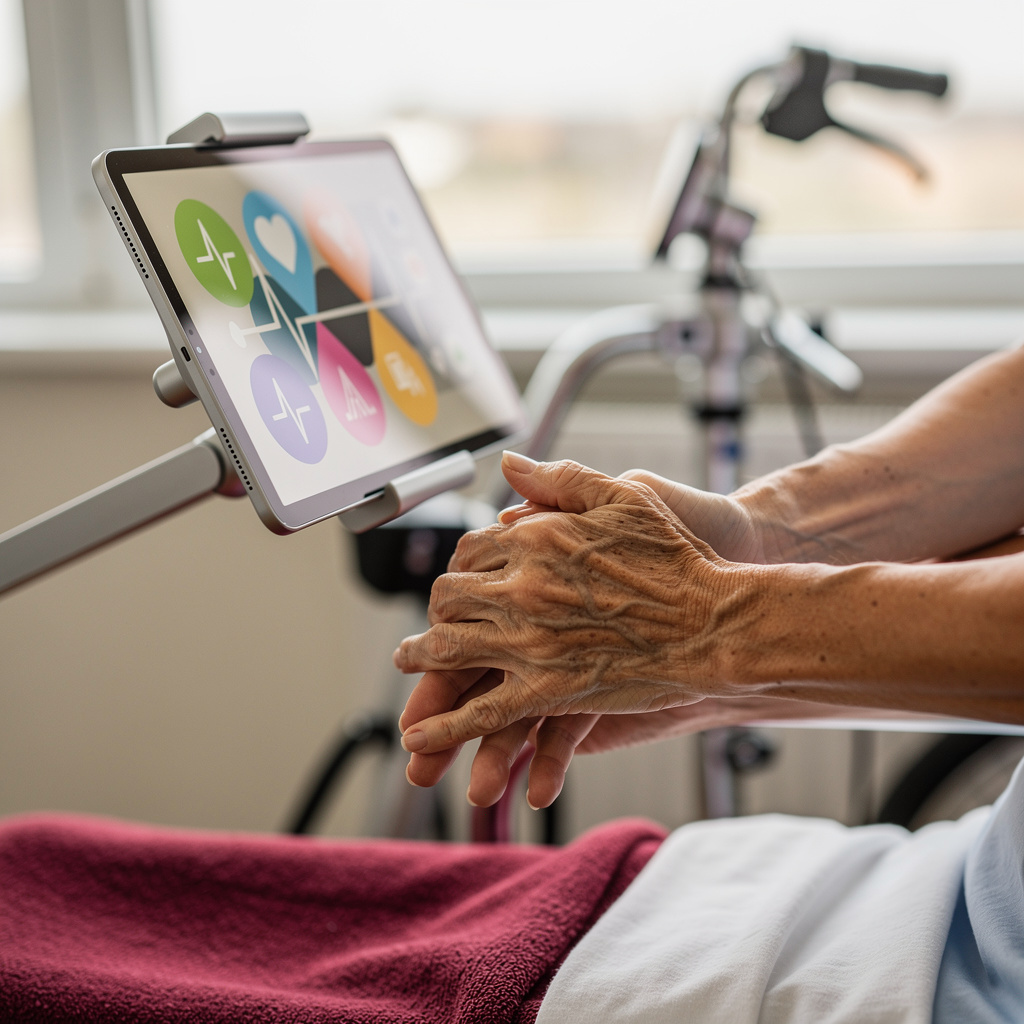
What is Dementia and Alzheimer's Patient Care?
Dementia and Alzheimer's Patient Care Training
The Dementia and Alzheimer's Patient Care certificate program is a comprehensive, evidence-based training designed for family caregivers, home health aides, and healthcare professionals who support individuals living with cognitive decline. This course translates the latest neuroscience and caregiving best practices into actionable skills, covering everything from the fundamentals of dementia pathology to advanced communication, daily living assistance, and end-of-life comfort. The primary outcome is a confident, competent caregiver who can reduce distress for both the patient and themselves while preserving dignity and quality of life at every stage of the disease.
The program follows a deliberate, beginner-friendly progression that balances scientific understanding with hands-on care techniques. You will build a foundation in how dementia alters the brain, then move into four interconnected skill areas: compassionate communication and personal care, effective management of behavioral symptoms, creation of safe and engaging environments, and caregiver resilience alongside legal and long-term planning. This structure reflects the real-world demands of dementia care today, where families and facilities alike urgently need caregivers who can navigate complex behaviors, prevent burnout, and provide person-centered support without relying on outdated or institutional approaches.
What is Dementia and Alzheimer's Patient Care?
Dementia and Alzheimer's patient care is a specialized, holistic discipline that addresses the progressive cognitive, physical, and emotional needs of individuals with neurodegenerative conditions. It extends far beyond basic supervision, encompassing person-centered communication, adaptive daily living support, behavioral symptom management, environmental safety modifications, and psychosocial engagement. The core concepts rest on understanding how different types of dementia—Alzheimer's disease, vascular dementia, Lewy body dementia, and others—uniquely affect memory, reasoning, language, and personality, and then tailoring care to preserve autonomy and reduce suffering as abilities change.
This field has become critically important as global populations age and dementia prevalence rises, shifting care from institutional settings to homes and community-based environments. Families now provide the majority of long-term dementia care, often without formal training, while professional caregivers face increasing complexity in managing co-occurring conditions and behavioral symptoms. Recent shifts emphasize non-pharmacological interventions, environmental design, and caregiver well-being as essential components, moving away from a purely medical model toward a holistic, person-centered approach that recognizes the emotional and social dimensions of living with dementia.
Mastering dementia and Alzheimer's patient care builds a versatile skill stack that combines empathetic communication, behavioral analysis, safety engineering, and ethical decision-making. Learners develop the ability to decode distress signals behind challenging behaviors, adapt environments to reduce confusion and falls, and navigate sensitive legal and end-of-life choices. This expertise is invaluable for professional caregivers in home health, assisted living, and hospice settings, as well as for family members seeking to provide loving, effective care while protecting their own mental and physical health. It transforms a daunting responsibility into a structured, compassionate practice grounded in both science and humanity.
Common Questions About Dementia and Alzheimer's Patient Care
Is this dementia care training suitable for beginners with no experience?
Can I use this course to learn how to care for a family member with dementia?
What is the VIPS framework in person-centred dementia communication?
- Value the person as a unique individual
- Individualize care and communication to their preferences
- Perspective – understand the world from their point of view
- Supportive social environment that promotes dignity and respect
How does Alzheimer's pathology spread amyloid and tau in the brain?
What are the four major types of dementia and their care journeys?
- Alzheimer's disease – the most common, requiring gradual support for memory and daily tasks
- Vascular dementia – caused by reduced blood flow, care focuses on cardiovascular risk management
- Lewy body dementia – involves fluctuating cognition, visual hallucinations, and motor symptoms; care needs flexibility
- Frontotemporal dementia – affects behavior and language; care emphasizes behavioral management and communication strategies
How can I manage behavioral and psychological symptoms of dementia?
Is dementia just a normal part of aging that everyone experiences?
What Will This Course Bring You?
- Differentiate between Alzheimer's disease and other dementias by analyzing cognitive, behavioral, and physical symptoms to inform accurate care planning.
- Apply person-centered communication techniques, such as validation and redirection, to reduce distress and foster meaningful connections with dementia patients.
- Implement adaptive strategies for personal hygiene and dressing that preserve patient dignity, promote independence, and minimize resistance during care routines.
- Design individualized mealtime interventions that accommodate swallowing difficulties, enhance nutritional intake, and create a calm, enjoyable dining atmosphere.
- Evaluate triggers of behavioral and psychological symptoms in dementia and apply evidence-based non-pharmacological interventions to de-escalate agitation and aggression.
- Build a safe home environment by modifying lighting, reducing clutter, installing safety devices, and creating clear visual cues to prevent wandering and falls.
- Develop a comprehensive caregiver resilience plan that integrates stress management techniques, peer support, and self-care practices to sustain long-term caregiving capacity.
- Apply palliative care principles to manage pain, address emotional and spiritual needs, and ensure comfort and dignity for individuals with advanced dementia.
Curriculum
12 Units1. Understanding Dementia and Alzheimer's Disease
1 hour
2. The Brain and Cognitive Decline
1 hour
3. Effective Communication Strategies
1 hour
4. Assisting with Personal Hygiene and Dressing
1 hour
5. Nutrition, Hydration, and Mealtime Support
1 hour
6. Managing Behavioral and Psychological Symptoms
1 hour
7. Creating a Safe and Supportive Home Environment
1 hour
8. Therapeutic Activities and Cognitive Engagement
1 hour
9. Caregiver Health, Stress Management, and Resilience
1 hour
10. Legal and Ethical Issues in Dementia Care
1 hour
11. Palliative and End-of-Life Care Approaches
1 hour
12. Family Dynamics, Community Resources, and Long-Term Planning
1 hour
Exam – Dementia and Alzheimer's Patient Care
20 Questions • 70% Pass • 30 min
Unlock All Units for Free
Create an account, enroll in the course, and start with the first unit right away.
Exam – Dementia and Alzheimer's Patient Care
20 Questions • Pass: 70% • 30 min
Course Duration
720
Total Minutes
12
Unit
1
Final Exam
~60
Min / Unit
Dementia and Alzheimer's Patient Care Certificate Program
Document Your Skill
Those who pass the 20-question, 30-minute exam with 70% receive the Dementia and Alzheimer's Patient Care Certificate.
Stand Out on Your CV
By adding your certificate to your CV, gain a professional reference in job applications and stand out from the crowd.
Career Advantage
Catch Wisdom certificates are recognized by HR departments and increase career opportunities.
CERTIFICATE FEE
At the end of the course, an online exam consisting of 20 questions with a 30-minute time limit is given. The exam appears automatically after you complete the topics. Anyone who scores at least 70 out of 100 on the certificate exam is awarded the Dementia and Alzheimer's Patient Care Document (certificate of attendance). You can add the certificate you earn to your CV for job applications in the many sectors listed above, and use it as a reference proving that you took this interactive course.
The Certificate of Achievement you receive with the Dementia and Alzheimer's Patient Care course program holds value that proves your personal and professional development in the business world. By adding it to your CV, it can serve as an important reference in your job applications. Moreover, compared with certificates from other private training institutions, Catch Wisdom certificates are offered to our participants at a much more affordable price.
Because HR departments recognize Catch Wisdom as a reputable institution in this field, they value these certificates and may evaluate your job applications favorably. For this reason, a Dementia and Alzheimer's Patient Care course certificate from Catch Wisdom can make your applications more attractive and place you in an advantageous position in the business world.
For more information, we recommend visiting the Support page.
Certificate in 7 Languages
Earning success certificates from our courses is now more meaningful and global. With certificates available in Turkish, English, German, French, Spanish, Arabic, and Russian, we fully unlock the potential of students worldwide.
Why Certificate in 7 Languages?
-
01
Global Skill Development
Receiving your certificates in 7 different languages strengthens your communication skills as you engage with more people worldwide. It lets you operate more confidently and capably on the international stage.
-
02
International Job Opportunities
Employers may see your certificates in multiple languages as a sign of your ability to seize global opportunities. You can open more doors to new jobs and projects.
-
03
Cultural Richness
The chance to earn certificates in different languages helps you build closer ties with various cultures and broadens your worldview. It enriches your global perspective and deepens cultural understanding.
-
04
Ability to Participate in International Projects
Multilingual certificates give you an edge to work more effectively on international projects. They boost your chances of leadership and participation in diverse projects in the business world.
-
05
Prove Yourself on the Global Stage
Certificates in multiple languages let you showcase your skills and knowledge worldwide. You can become an internationally recognized professional.
Language diversity opens worldwide opportunities. If you want to prove yourself in the international arena, join our online Dementia and Alzheimer's Patient Care course program and begin this journey with us.
Frequently Asked Questions (FAQ)
Is this course paid?
How do I join the course?
Can I take the course at my own pace?
How can I get my certificate?
What are the advantages of the Certified Certificate?
Boost Your Career
Take a new career step with the Dementia and Alzheimer's Patient Care course. Add your certificate to your CV, stand out in job applications, and open the door to new opportunities in the industry.
StartStudent Reviews
No reviews yet
Enroll in this course and be the first to leave a review about your experience with Dementia and Alzheimer's Patient Care.
Start