What is E-Commerce Email Flows?
E-Commerce Email Flows Training
E-Commerce Email Flows certificate program is a comprehensive, hands-on training designed for e-commerce marketers, store owners, and automation specialists who want to turn one-time buyers into loyal customers through strategic, triggered email sequences. This course teaches you how to design, build, and optimize the full spectrum of email flows—from welcome and abandoned cart to post-purchase and win-back—using real-world tools and customer journey mapping. By the end, you will have a complete, ready-to-deploy flow architecture for your own store, backed by measurable metrics and compliance best practices.
The program is structured as a beginner-friendly progression that balances theory with practical application, starting with foundational concepts like flow triggers and segmentation, then moving through each major flow type, and finally into copywriting, design, testing, and advanced automation. You will build five core skill areas: customer journey mapping, email automation tool mastery, data-driven segmentation, persuasive copy and design, and performance optimization. This training is especially relevant now because e-commerce competition is fierce, and automated email flows consistently deliver the highest ROI of any marketing channel—yet most stores only scratch the surface. Choosing this program now means you’ll gain a systematic, future-proof approach to email marketing that drives revenue while respecting subscriber trust and deliverability.
What is E-Commerce Email Flows?
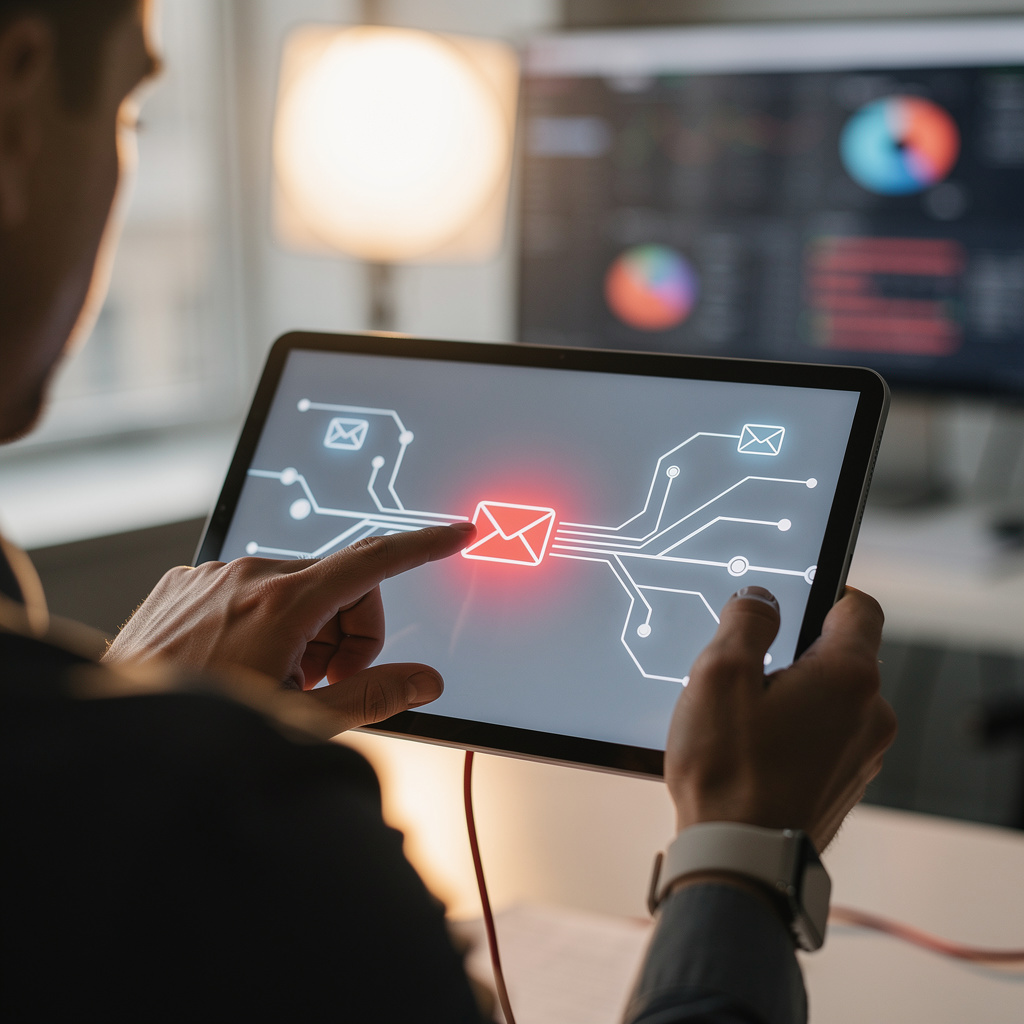
E-commerce email flows are automated, trigger-based email sequences that send the right message to the right customer at the right moment, based on their behavior or lifecycle stage. Unlike one-off promotional blasts, flows are set up once and run continuously, responding to actions like a first purchase, cart abandonment, browsing a category, or inactivity. Core concepts include triggers (the event that starts a flow), timing (delays between emails), segmentation (audience filters), and goals (conversion, retention, or re-engagement). These flows form the backbone of a modern e-commerce email strategy, enabling personalized communication at scale without manual effort.
Today, email flows are more critical than ever because consumer inboxes are crowded, and attention spans are short. With rising acquisition costs and stricter privacy regulations, brands rely on flows to maximize the value of every subscriber and customer. In real life, you see flows everywhere: a welcome email after signup, a discount reminder for an abandoned cart, a post-purchase thank-you with product tips, or a “we miss you” offer after 60 days of silence. Recent shifts include the integration of AI for predictive segmentation, dynamic content that adapts to user preferences, and omnichannel triggers that sync with SMS or push notifications. The industry has moved from batch-and-blast to lifecycle marketing, where flows are the primary driver of repeat revenue and customer lifetime value.
Mastering e-commerce email flows builds a skill stack that combines marketing psychology, data analysis, copywriting, and technical automation. You learn to interpret customer behavior, craft compelling narratives, and use tools like Klaviyo, Omnisend, or Mailchimp to orchestrate complex journeys. This expertise is invaluable for e-commerce managers, digital marketers, and freelancers who want to deliver measurable results—higher open rates, click-throughs, and conversions—while reducing churn. Beyond professional roles, anyone running an online store can directly apply these skills to increase sales and build lasting customer relationships. The subject bridges the gap between marketing strategy and execution, making it a practical, high-impact discipline in today’s digital economy.
Common Questions About E-Commerce Email Flows
Will the e-commerce email flows certificate help me switch to an ecommerce marketing role?
Is this email flows training suitable for someone with no marketing experience at all?
What is the biggest mistake when setting up an abandoned cart flow in Klaviyo?
How does behavioral segmentation differ from personalization in email flows?
Why is the welcome flow considered the highest-engagement email sequence?
How do I map the customer journey before building e-commerce email flows?
- New subscriber – triggered by signup, goal is first purchase
- First-time buyer – triggered by first purchase, goal is to build loyalty
- Repeat buyer – triggered by second purchase, goal is to increase frequency
- Lapsed customer – triggered by inactivity, goal is to re-engage
- Win-back – triggered by long-term inactivity, goal is to win back
Is it true that email campaigns are more effective than automated flows for revenue?
What Will This Course Bring You?
- Analyze the e-commerce customer journey to identify key trigger points for automated email flows.
- Design a welcome email flow that introduces new subscribers to the brand and encourages a first purchase.
- Implement an abandoned cart flow with strategic timing and incentives to recover lost sales.
- Apply segmentation and personalization techniques to tailor email content based on customer behavior and demographics.
- Evaluate post-purchase email flows to enhance customer experience and drive repeat purchases.
- Build a win-back email flow to re-engage inactive subscribers with targeted offers.
- Construct a browse abandonment flow to capture interest from visitors who didn't add to cart.
- Analyze email deliverability and compliance requirements to ensure legal and effective campaign execution.
Curriculum
12 Units1. Foundations of E-commerce Email Flows
1 hour
2. Mapping the Customer Journey and Flow Triggers
1 hour
3. Email Automation Tools and E-commerce Integration
1 hour
4. Segmentation and Personalization
1 hour
5. Welcome Flows
1 hour
6. Abandoned Cart Flows
1 hour
7. Post-Purchase Flows
1 hour
8. Win-Back and Re-engagement Flows
1 hour
9. Browse Abandonment and Other Niche Flows
1 hour
10. Copywriting and Design for Email Flows
1 hour
11. Testing, Metrics, and Optimization
1 hour
12. Compliance, Deliverability, and Advanced Automation
1 hour
Exam – E-Commerce Email Flows
20 Questions • 70% Pass • 30 min
Unlock All Units for Free
Create an account, enroll in the course, and start with the first unit right away.
Exam – E-Commerce Email Flows
20 Questions • Pass: 70% • 30 min
Course Duration
720
Total Minutes
12
Unit
1
Final Exam
~60
Min / Unit
E-Commerce Email Flows Certificate Program
Document Your Skill
Those who pass the 20-question, 30-minute exam with 70% receive the E-Commerce Email Flows Certificate.
Stand Out on Your CV
By adding your certificate to your CV, gain a professional reference in job applications and stand out from the crowd.
Career Advantage
Catch Wisdom certificates are recognized by HR departments and increase career opportunities.
CERTIFICATE FEE
At the end of the course, an online exam consisting of 20 questions with a 30-minute time limit is given. The exam appears automatically after you complete the topics. Anyone who scores at least 70 out of 100 on the certificate exam is awarded the E-Commerce Email Flows Document (certificate of attendance). You can add the certificate you earn to your CV for job applications in the many sectors listed above, and use it as a reference proving that you took this interactive course.
The Certificate of Achievement you receive with the E-Commerce Email Flows course program holds value that proves your personal and professional development in the business world. By adding it to your CV, it can serve as an important reference in your job applications. Moreover, compared with certificates from other private training institutions, Catch Wisdom certificates are offered to our participants at a much more affordable price.
Because HR departments recognize Catch Wisdom as a reputable institution in this field, they value these certificates and may evaluate your job applications favorably. For this reason, a E-Commerce Email Flows course certificate from Catch Wisdom can make your applications more attractive and place you in an advantageous position in the business world.
For more information, we recommend visiting the Support page.
Certificate in 7 Languages
Earning success certificates from our courses is now more meaningful and global. With certificates available in Turkish, English, German, French, Spanish, Arabic, and Russian, we fully unlock the potential of students worldwide.
Why Certificate in 7 Languages?
-
01
Global Skill Development
Receiving your certificates in 7 different languages strengthens your communication skills as you engage with more people worldwide. It lets you operate more confidently and capably on the international stage.
-
02
International Job Opportunities
Employers may see your certificates in multiple languages as a sign of your ability to seize global opportunities. You can open more doors to new jobs and projects.
-
03
Cultural Richness
The chance to earn certificates in different languages helps you build closer ties with various cultures and broadens your worldview. It enriches your global perspective and deepens cultural understanding.
-
04
Ability to Participate in International Projects
Multilingual certificates give you an edge to work more effectively on international projects. They boost your chances of leadership and participation in diverse projects in the business world.
-
05
Prove Yourself on the Global Stage
Certificates in multiple languages let you showcase your skills and knowledge worldwide. You can become an internationally recognized professional.
Language diversity opens worldwide opportunities. If you want to prove yourself in the international arena, join our online E-Commerce Email Flows course program and begin this journey with us.
Frequently Asked Questions (FAQ)
Is this course paid?
How do I join the course?
Can I take the course at my own pace?
How can I get my certificate?
What are the advantages of the Certified Certificate?
Boost Your Career
Take a new career step with the E-Commerce Email Flows course. Add your certificate to your CV, stand out in job applications, and open the door to new opportunities in the industry.
StartStudent Reviews
No reviews yet
Enroll in this course and be the first to leave a review about your experience with E-Commerce Email Flows.
Start