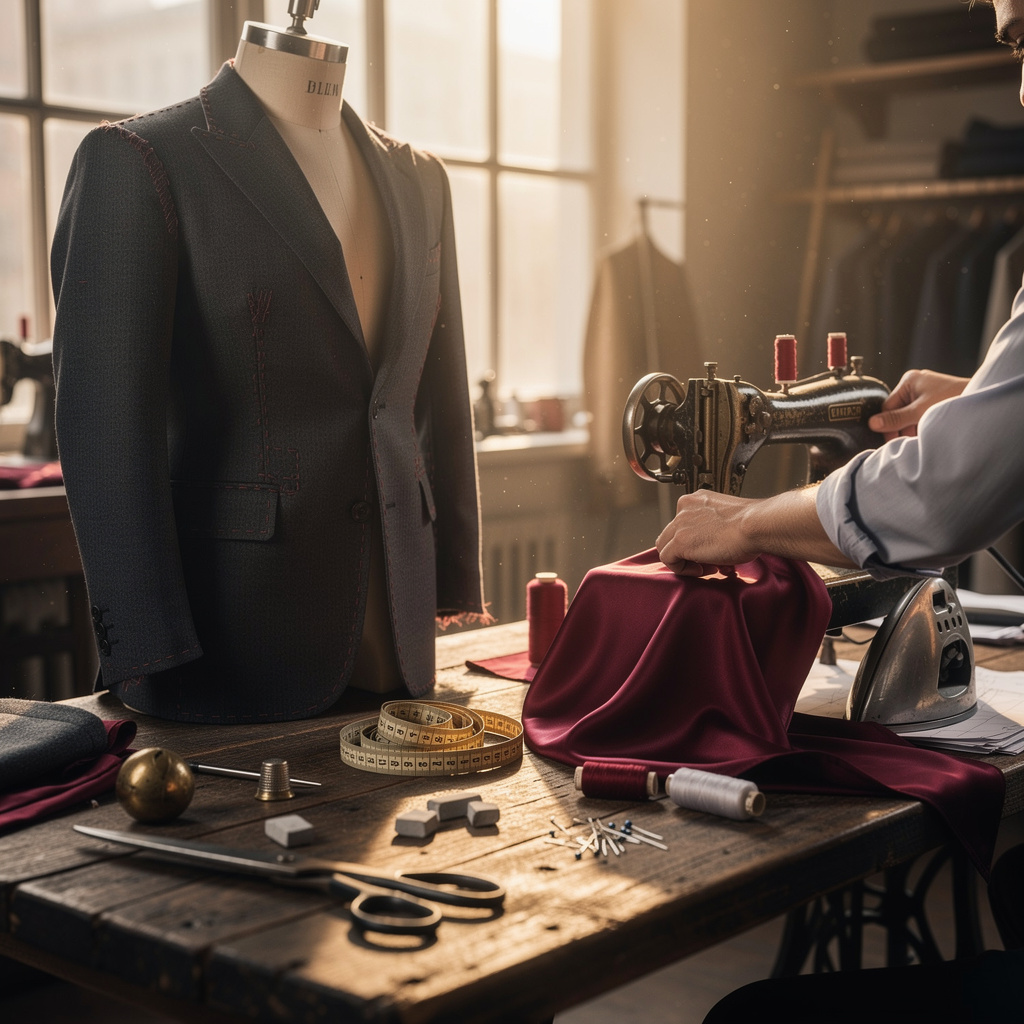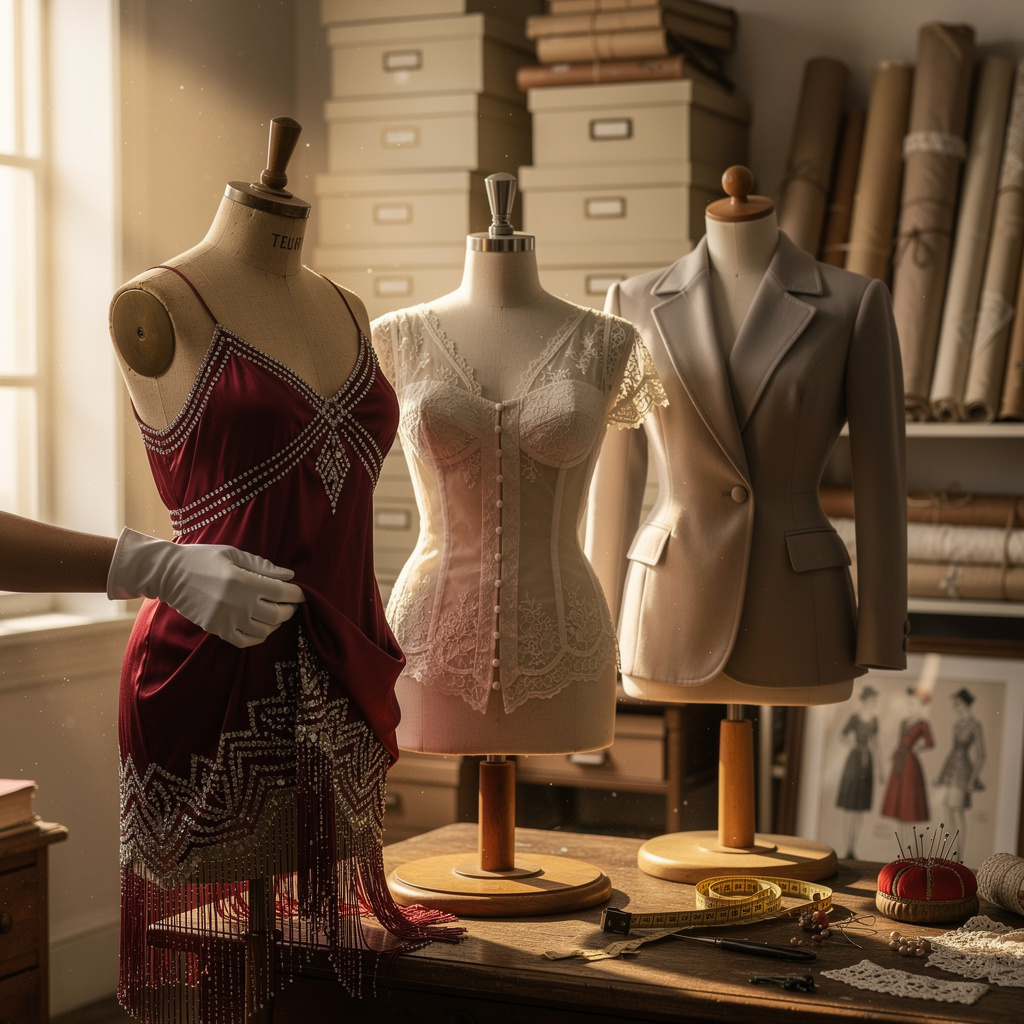
What is Fashion History Essentials?
Fashion History Essentials Certificate Program
Fashion History Essentials certificate program is a focused introduction to how dress and fashion have been studied, interpreted, and situated across historical periods and global systems. It teaches learners to read garments, images, museum objects, trade records, and period texts through the vocabulary and methods introduced in the opening lesson, then applies those tools to ancient and classical dress, medieval and Byzantine clothing, Renaissance and early modern courts, the long eighteenth century, nineteenth-century industrialization and haute couture, and the twentieth-century shifts from modernism and war to couture’s golden age, youth culture, ready-to-wear, subcultures, designer brands, and globalization. The program is designed for design students, merchandisers, museum and archive staff, fashion writers, educators, and serious enthusiasts who need historical grounding rather than a loose timeline of styles. Its main practical outcome is the ability to contextualize fashion evidence, compare periods and regions, and produce a well-reasoned historical argument, culminating in the research project lesson.
The structure moves from beginner-friendly foundations in sources, methods, and vocabulary into progressively more complex periods and systems, so learners can build confidence before tackling institutional and global questions. Theory is balanced with practice through close analysis of images and objects, primary-source interpretation, comparative discussion, and short written exercises that prepare learners for the final research project. Across the program, five core skill areas are developed: source and object analysis, chronological and contextual reasoning, fashion-system and institutional literacy, global and decolonial critique, and historical research and argumentation. Learners choose this program now because fashion debates increasingly demand historical literacy—museums are rethinking collections, brands are revisiting archives, and global and decolonial perspectives are reshaping how fashion’s past is told.
What is Fashion History Essentials?
Fashion history is the study of dress, adornment, and bodily presentation as they change across time and place, including the social, economic, religious, and political meanings attached to clothing. Its scope ranges from surviving garments and accessories to images, literature, inventories, trade records, and oral testimony, with methods drawn from material culture, art history, social history, and anthropology. Core concepts include status and sumptuary regulation, religion and ritual, gender and identity, courtly display, consumption and colonialism, industrialization, haute couture, ready-to-wear, subcultural style, designer branding, and globalization. The field also asks how fashion systems—production, media, retail, and museums—shape what counts as historical evidence and whose dress is remembered.
Fashion history matters today because clothing is central to how identities, economies, and cultural memories are performed and contested. Museums and exhibitions use it to interpret collections, fashion media and brands draw on archival references, and designers and merchandisers rely on historical context to avoid shallow borrowing or misrepresentation. Recent shifts toward global, decolonial, and intersectional approaches have challenged Europe-centered narratives, while digital archives and material-culture research have made previously marginalized dress histories more visible. Debates about sustainability, repatriation, craft knowledge, and cultural appropriation also depend on historically informed understanding of how fashion systems developed.
Mastery of fashion history builds a transferable skill stack: visual and material literacy, source criticism, contextual reasoning, cross-cultural comparison, and clear historical argumentation. These skills support work in design research, curation, conservation, fashion media, retail buying and merchandising, education, and archival or collection management, where decisions depend on understanding provenance, meaning, and change over time. They also enrich personal engagement with dress by making visible the relationships among garments, images, institutions, and broader social histories. The subject’s value lies less in memorizing dates than in learning to interpret fashion evidence with precision, nuance, and historical responsibility.
What Will This Course Bring You?
- Analyze primary and secondary sources such as garments, portraits, inventories, and fashion plates to distinguish evidence and methods used in fashion history.
- Compare dress codes and status markers in Mesopotamian, Egyptian, Greek, and Roman societies to explain how materials and religion shaped ancient clothing.
- Evaluate how Byzantine religious symbolism and medieval trade routes influenced status display and sumptuary regulations in European dress.
- Interpret Renaissance court portraiture and early modern sumptuary laws to assess fashion's role in codifying rank and global exchange.
- Trace eighteenth-century consumer revolution through fashion plates, advertisements, and colonial trade goods to explain changing consumption and identity.
- Assess how nineteenth-century industrialization, haute couture, and dress reform movements reshaped production, gender norms, and bodily ideals.
- Analyze early and mid-twentieth-century fashion media, wartime shifts, and youth culture to explain how modernism, couture's golden age, and ready-to-wear redefined dress.
- Evaluate late twentieth-century subcultures, designer branding, and globalization using museum and media sources to build a decolonial historical argument about fashion systems.
Curriculum
12 Units1. What Fashion History Studies: Sources, Methods, and Vocabulary
1 hour
2. Ancient and Classical Dress: Mesopotamia, Egypt, Greece, and Rome
1 hour
3. Medieval and Byzantine Dress: Religion, Status, and Trade
1 hour
4. Renaissance and Early Modern Fashion: Courts, Codification, and Global Exchange
1 hour
5. The Long Eighteenth Century: Enlightenment, Colonialism, and Consumer Revolution
1 hour
6. Nineteenth Century: Industrialization, Haute Couture, and Dress Reform
1 hour
7. Early Twentieth Century: Modernism, War, and the New Woman
1 hour
8. Mid-Twentieth Century: Couture's Golden Age, Youth Culture, and Ready-to-Wear
1 hour
9. Late Twentieth Century: Subcultures, Designer Brands, and Globalization
1 hour
10. Fashion Systems and Institutions: Production, Media, Retail, and Museums
1 hour
11. Global and Decolonial Perspectives in Fashion History
1 hour
12. Research Project and Historical Argument in Fashion History
1 hour
Exam – Fashion History Essentials
20 Questions • 70% Pass • 30 min
Unlock All Units for Free
Create an account, enroll in the course, and start with the first unit right away.
Exam – Fashion History Essentials
20 Questions • Pass: 70% • 30 min
Course Duration
720
Total Minutes
12
Unit
1
Final Exam
~60
Min / Unit
Fashion History Essentials Certificate Program
Document Your Skill
Those who pass the 20-question, 30-minute exam with 70% receive the Fashion History Essentials Certificate.
Stand Out on Your CV
By adding your certificate to your CV, gain a professional reference in job applications and stand out from the crowd.
Career Advantage
With the verification code, employers can check your certificate instantly — a concrete way to show your growth.
CERTIFICATE FEE
At the end of the course, an online exam consisting of 20 questions with a 30-minute time limit is given. The exam appears automatically after you complete the topics. Anyone who scores at least 70 out of 100 on the certificate exam is awarded the Fashion History Essentials Document (certificate of attendance). You can add the certificate you earn to your CV for job applications in the many sectors listed above, and use it as a reference proving that you took this interactive course.
The Certificate of Achievement you receive with the Fashion History Essentials course program holds value that proves your personal and professional development in the business world. By adding it to your CV, it can serve as an important reference in your job applications. Moreover, compared with certificates from other private training institutions, Catch Wisdom certificates are offered to our participants at a much more affordable price.
The Fashion History Essentials course certificate is a document that proves, with a unique verification code, that you completed the course. Employers can instantly check its authenticity with this code, which helps you show your development concretely in your job applications.
For more information, we recommend visiting the Support page.
Certificate in 7 Languages
Earning success certificates from our courses is now more meaningful and global. With certificates available in Turkish, English, German, French, Spanish, Arabic, and Russian, we fully unlock the potential of students worldwide.
Why Certificate in 7 Languages?
-
01
Global Skill Development
Receiving your certificates in 7 different languages strengthens your communication skills as you engage with more people worldwide. It lets you operate more confidently and capably on the international stage.
-
02
International Job Opportunities
Employers may see your certificates in multiple languages as a sign of your ability to seize global opportunities. You can open more doors to new jobs and projects.
-
03
Cultural Richness
The chance to earn certificates in different languages helps you build closer ties with various cultures and broadens your worldview. It enriches your global perspective and deepens cultural understanding.
-
04
Ability to Participate in International Projects
Multilingual certificates give you an edge to work more effectively on international projects. They boost your chances of leadership and participation in diverse projects in the business world.
-
05
Prove Yourself on the Global Stage
Certificates in multiple languages give you the opportunity to present your skills and knowledge worldwide.
Language diversity opens worldwide opportunities. If you want to prove yourself in the international arena, join our online Fashion History Essentials course program and begin this journey with us.
Frequently Asked Questions (FAQ)
Is this course paid?
How do I join the course?
Can I take the course at my own pace?
How can I get my certificate?
What are the advantages of the certificate?
Boost Your Career
Take a new career step with the Fashion History Essentials course. Add your certificate to your CV, stand out in job applications, and open the door to new opportunities in the industry.
StartStudent Reviews
No reviews yet
Enroll in this course and be the first to leave a review about your experience with Fashion History Essentials.
Start