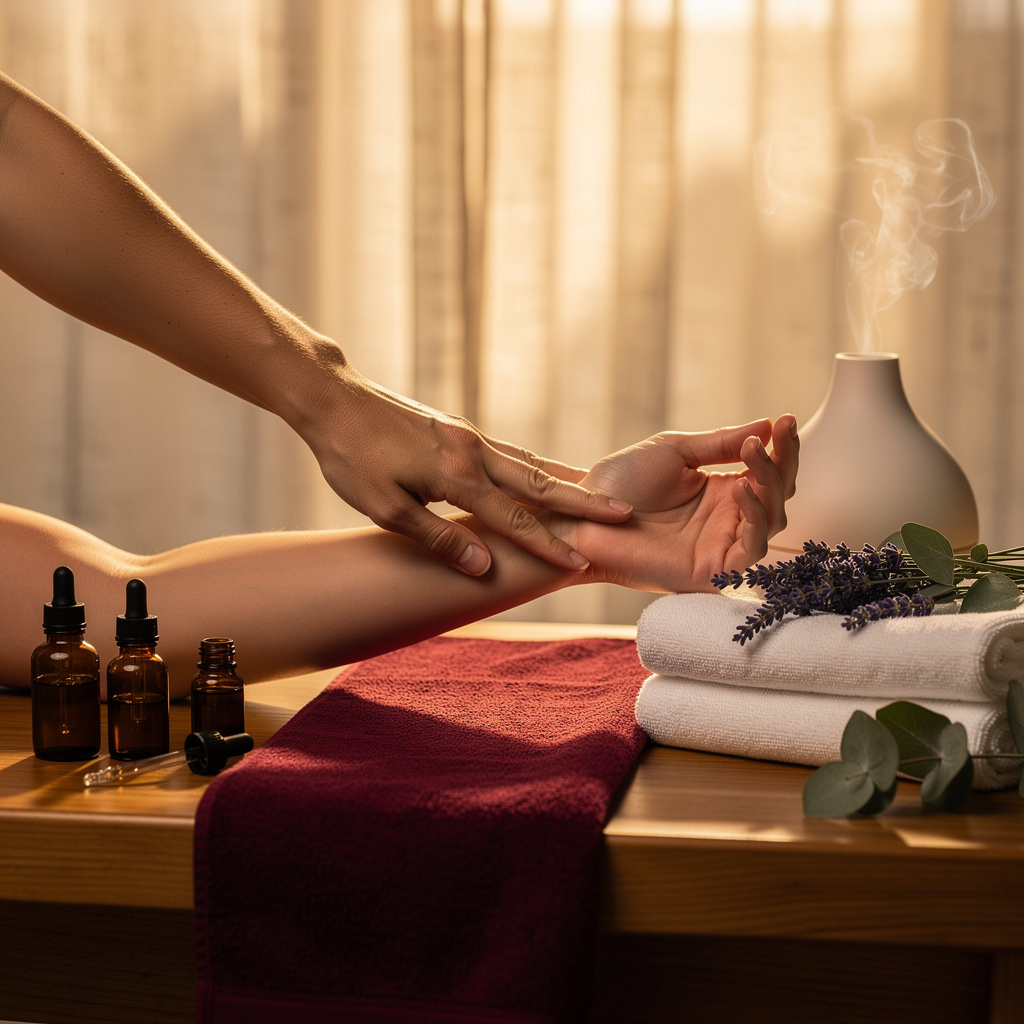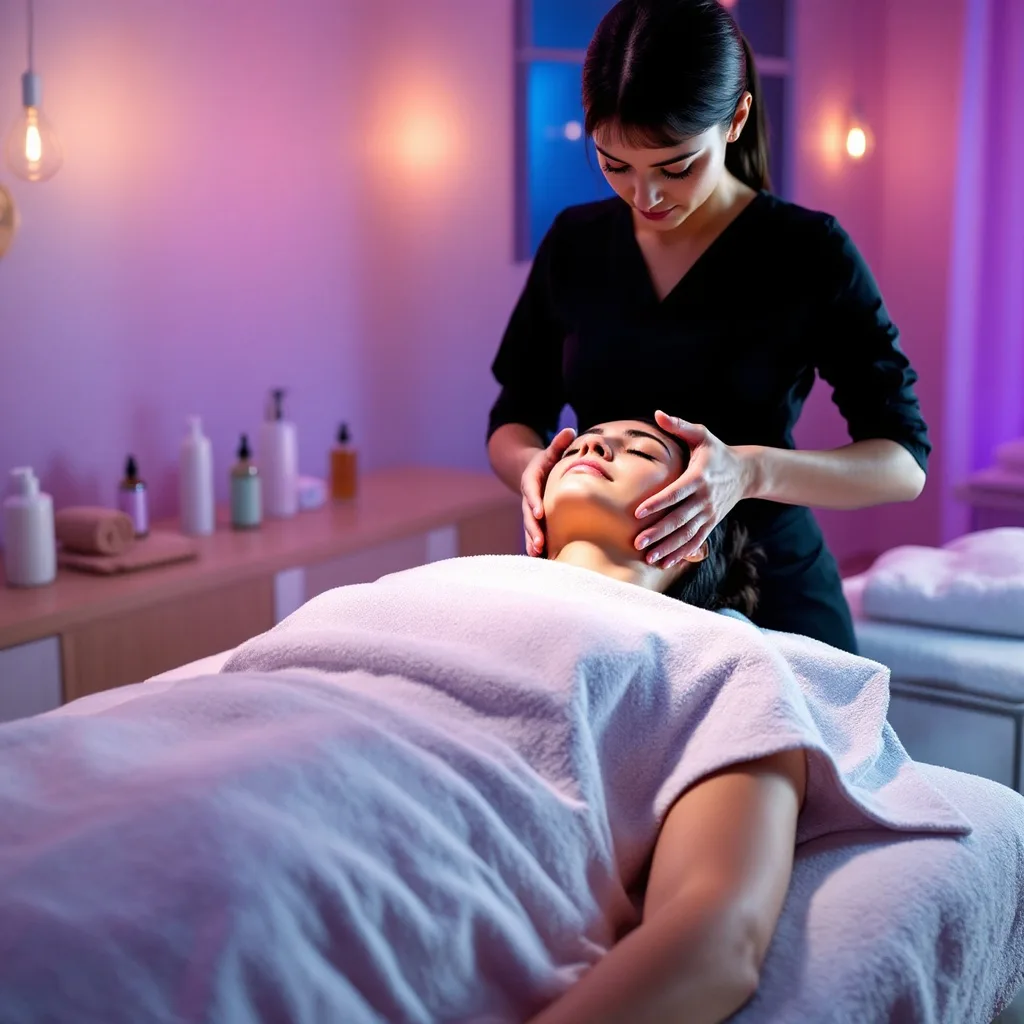
What is Fundamentals of Massage Therapy?
Fundamentals of Massage Therapy Training
The Fundamentals of Massage Therapy certificate program is a comprehensive introduction to the healing art of therapeutic touch, designed for aspiring bodyworkers, wellness professionals, and anyone seeking a structured entry into manual therapy. This course guides you from the historical roots and professional ethics of massage through to the confident delivery of a full-body sequence, with a strong emphasis on safety, anatomy, and client-centered care. You will learn to conduct thorough intake interviews, perform postural and palpation assessments, and recognize common pathologies and contraindications that shape treatment decisions. The main practical outcome is the ability to design and deliver a complete, flowing massage session that addresses the back, neck, shoulders, upper and lower extremities, and anterior body, using proper body mechanics to protect both you and your client.
The program follows a deliberate, beginner-friendly progression that balances theoretical knowledge with extensive hands-on practice. Early lessons build a critical framework in anatomy, physiology, and professional communication, while later modules immerse you in foundational strokes, draping, and full-body routines. Four core skill areas are woven throughout: assessment and clinical reasoning, technical execution of effleurage, petrissage, and other essential strokes, ethical and empathetic client interaction, and sustainable self-care strategies for the practitioner. With the growing integration of massage into healthcare, sports recovery, and corporate wellness, there has never been a better time to acquire these fundamentals. This training meets the rising demand for skilled touch professionals who can adapt their work for special populations and contribute meaningfully to holistic health teams.
What is Fundamentals of Massage Therapy?
Fundamentals of Massage Therapy is the essential body of knowledge and hands-on skill that forms the backbone of all effective bodywork. It encompasses the history and cultural evolution of therapeutic touch, the ethical and legal boundaries of professional practice, and a working understanding of human anatomy, physiology, and common pathologies. At its core, this subject teaches the foundational strokes—effleurage, petrissage, friction, tapotement, and vibration—along with the principles of body mechanics that allow a practitioner to work safely and efficiently. It also covers client communication, intake procedures, and postural assessment, ensuring that every session is tailored to the individual’s needs and contraindications are properly managed.
In today’s wellness landscape, the fundamentals of massage therapy are more relevant than ever. As stress-related conditions, chronic pain, and sedentary lifestyles become widespread, massage is increasingly recognized as a vital non-pharmacological intervention in integrative medicine, sports performance, and mental health support. Spas, chiropractic offices, hospitals, and corporate settings now routinely seek practitioners who can deliver evidence-informed, safe, and adaptable bodywork. The shift toward a more holistic understanding of health has elevated the role of massage from a luxury service to a respected component of preventive care, making foundational knowledge in this field both timely and valuable.
Mastering the fundamentals of massage therapy builds a versatile skill stack that extends far beyond technique. It develops refined palpation and observation abilities, clear and compassionate client communication, and a deep understanding of how to work with diverse bodies—including special populations such as pregnant clients, elderly individuals, and those with chronic conditions. These competencies open doors to professional practice in clinical, spa, and athletic settings, while also enriching personal relationships through a greater capacity for mindful, healing touch. Whether pursued as a career path or a profound personal development journey, the fundamentals of massage therapy provide a lasting foundation for promoting relaxation, relieving pain, and supporting whole-body wellness.
Common Questions About Fundamentals of Massage Therapy
Is this massage therapy certification enough to start a career?
How long does it take to complete the massage therapy training?
How does effleurage help in warming up muscles before deeper work?
What are the key steps in a health history intake form?
- Personal Information: Client name, contact, and emergency details.
- Medical History: Past surgeries, chronic conditions, medications, and allergies.
- Current Symptoms: Pain locations, intensity, and duration.
- Contraindication Screening: Questions about fever, infections, or recent injuries to identify absolute, local, or relative contraindications.
- Consent and Signature: Client acknowledgment of the treatment plan and privacy policies.
Why is postural assessment important before starting a massage?
What is the correct body mechanics for a back massage?
- Stance and Base: Stand with feet shoulder-width apart, knees slightly bent, and use your whole body weight—not just arm strength—to apply pressure.
- Core Engagement: Keep your abdominal muscles active to stabilize your spine and avoid leaning too far forward.
- Table Height: Adjust the table so your hands rest at hip level when your arms are relaxed; this prevents hunching or reaching.
- Stroke Direction: Use long, flowing effleurage strokes that follow the muscle fibers, and pivot from your hips rather than twisting your torso.
Do you need to be physically strong to be a good massage therapist?
What Will This Course Bring You?
- Apply ethical decision-making frameworks to resolve common dilemmas in massage therapy, including boundaries, confidentiality, and scope of practice.
- Conduct a comprehensive client intake interview, including health history review and informed consent, to design a safe and effective treatment plan.
- Perform postural assessment and palpation techniques to identify musculoskeletal imbalances and inform treatment strategies.
- Analyze the structure and function of the muscular, skeletal, and nervous systems as they relate to massage therapy applications.
- Evaluate client conditions to recognize contraindications and adapt massage techniques for common pathologies such as arthritis, fibromyalgia, and pregnancy.
- Demonstrate foundational massage strokes—effleurage, petrissage, friction, tapotement, and vibration—with proper body mechanics to ensure therapist safety and client comfort.
- Modify massage techniques and session protocols to safely accommodate special populations, including elderly clients, athletes, and prenatal women.
Curriculum
12 Units1. History and Evolution of Massage Therapy
1 hour
2. Professional Ethics and Scope of Practice
1 hour
3. Client Communication and Intake Procedures
1 hour
4. Postural Assessment and Palpation Fundamentals
1 hour
5. Anatomy and Physiology for Massage Therapy
1 hour
6. Common Pathologies and Contraindications
1 hour
7. Foundational Massage Strokes and Body Mechanics
1 hour
8. Full-Body Sequence: Back, Neck, and Shoulders
1 hour
9. Upper and Lower Extremity Techniques
1 hour
10. Anterior Body and Abdominal Massage
1 hour
11. Adapting Massage for Special Populations
1 hour
12. Professional Practice and Self-Care Strategies
1 hour
Exam – Fundamentals of Massage Therapy
20 Questions • 70% Pass • 30 min
Unlock All Units for Free
Create an account, enroll in the course, and start with the first unit right away.
Exam – Fundamentals of Massage Therapy
20 Questions • Pass: 70% • 30 min
Course Duration
720
Total Minutes
12
Unit
1
Final Exam
~60
Min / Unit
Fundamentals of Massage Therapy Certificate Program
Document Your Skill
Those who pass the 20-question, 30-minute exam with 70% receive the Fundamentals of Massage Therapy Certificate.
Stand Out on Your CV
By adding your certificate to your CV, gain a professional reference in job applications and stand out from the crowd.
Career Advantage
Catch Wisdom certificates are recognized by HR departments and increase career opportunities.
CERTIFICATE FEE
At the end of the course, an online exam consisting of 20 questions with a 30-minute time limit is given. The exam appears automatically after you complete the topics. Anyone who scores at least 70 out of 100 on the certificate exam is awarded the Fundamentals of Massage Therapy Document (certificate of attendance). You can add the certificate you earn to your CV for job applications in the many sectors listed above, and use it as a reference proving that you took this interactive course.
The Certificate of Achievement you receive with the Fundamentals of Massage Therapy course program holds value that proves your personal and professional development in the business world. By adding it to your CV, it can serve as an important reference in your job applications. Moreover, compared with certificates from other private training institutions, Catch Wisdom certificates are offered to our participants at a much more affordable price.
Because HR departments recognize Catch Wisdom as a reputable institution in this field, they value these certificates and may evaluate your job applications favorably. For this reason, a Fundamentals of Massage Therapy course certificate from Catch Wisdom can make your applications more attractive and place you in an advantageous position in the business world.
For more information, we recommend visiting the Support page.
Certificate in 7 Languages
Earning success certificates from our courses is now more meaningful and global. With certificates available in Turkish, English, German, French, Spanish, Arabic, and Russian, we fully unlock the potential of students worldwide.
Why Certificate in 7 Languages?
-
01
Global Skill Development
Receiving your certificates in 7 different languages strengthens your communication skills as you engage with more people worldwide. It lets you operate more confidently and capably on the international stage.
-
02
International Job Opportunities
Employers may see your certificates in multiple languages as a sign of your ability to seize global opportunities. You can open more doors to new jobs and projects.
-
03
Cultural Richness
The chance to earn certificates in different languages helps you build closer ties with various cultures and broadens your worldview. It enriches your global perspective and deepens cultural understanding.
-
04
Ability to Participate in International Projects
Multilingual certificates give you an edge to work more effectively on international projects. They boost your chances of leadership and participation in diverse projects in the business world.
-
05
Prove Yourself on the Global Stage
Certificates in multiple languages let you showcase your skills and knowledge worldwide. You can become an internationally recognized professional.
Language diversity opens worldwide opportunities. If you want to prove yourself in the international arena, join our online Fundamentals of Massage Therapy course program and begin this journey with us.
Frequently Asked Questions (FAQ)
Is this course paid?
How do I join the course?
Can I take the course at my own pace?
How can I get my certificate?
What are the advantages of the Certified Certificate?
Boost Your Career
Take a new career step with the Fundamentals of Massage Therapy course. Add your certificate to your CV, stand out in job applications, and open the door to new opportunities in the industry.
StartStudent Reviews
No reviews yet
Enroll in this course and be the first to leave a review about your experience with Fundamentals of Massage Therapy.
Start