What is Holiday Traditions Around the World?
Holiday Traditions Around the World Training Program
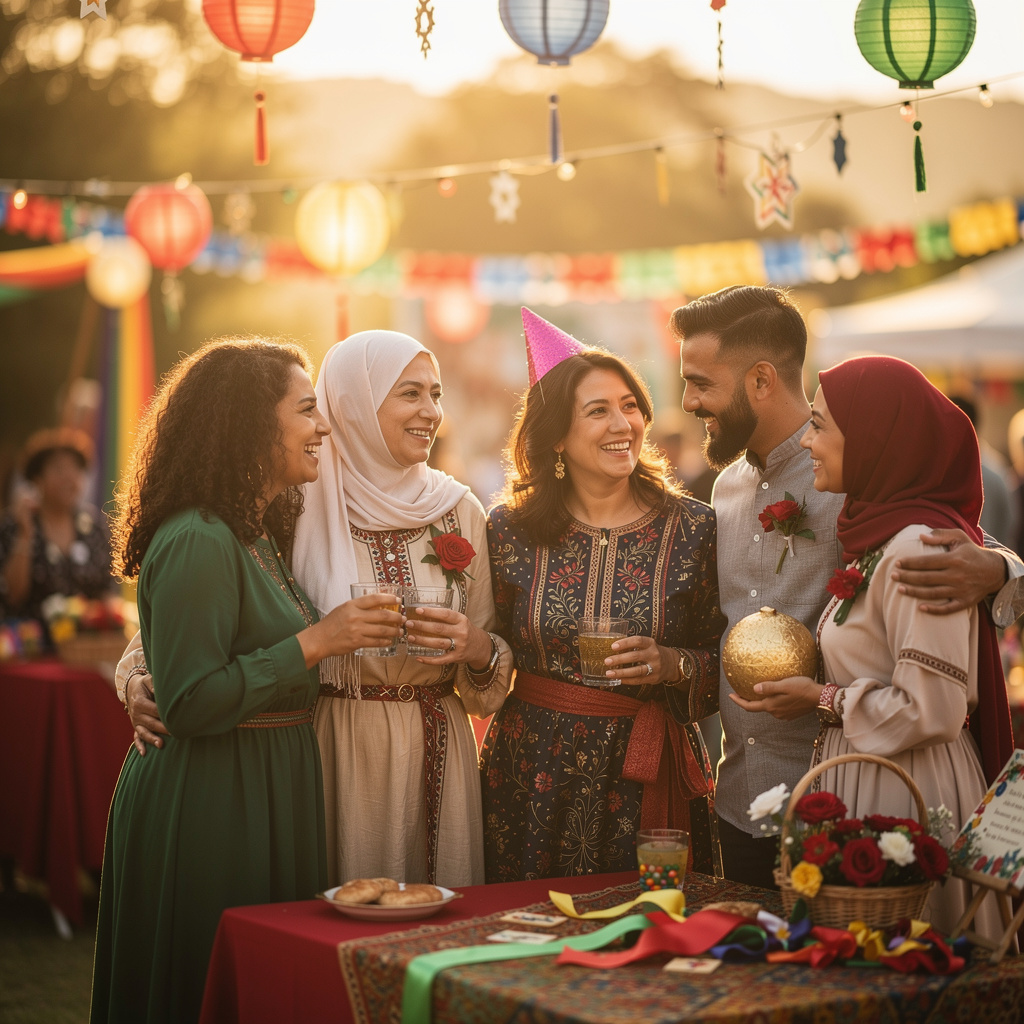
The Holiday Traditions Around the World certificate program offers a comprehensive exploration of how diverse cultures celebrate their most meaningful moments, from winter light festivals like Christmas, Hanukkah, and Kwanzaa to spring renewals such as Easter, Passover, and Holi. Designed for educators, cultural enthusiasts, travel professionals, and lifelong learners, this course transforms curiosity into practical cultural literacy that can be applied in classrooms, event planning, or global business settings. By the end, participants will be able to identify the universal elements of holiday celebrations, decode the symbolism behind foods, decorations, and music, and articulate how traditions adapt in a globalized world.
The program is structured as a beginner-friendly journey that balances engaging theory with real-world observation, building four core skill areas: cultural comparison, historical context, symbolic interpretation, and contemporary analysis. Starting with the shared roots of celebration, it progresses through seasonal cycles—from New Year's customs and summer solstice to harvest festivals like Thanksgiving and the Moon Festival—before delving into major religious holidays such as Eid, Diwali, and Vesak. Each lesson weaves together storytelling, visual examples, and reflective exercises, ensuring that learners not only absorb facts but also develop a nuanced appreciation for how holiday traditions evolve. Choosing this program now equips you with a globally relevant perspective that is increasingly vital in multicultural workplaces and communities, making it a timely investment in your cultural intelligence.
What is Holiday Traditions Around the World?
Holiday traditions around the world encompass the rich tapestry of rituals, customs, and symbolic practices that communities observe to mark sacred, historical, or seasonal events. This subject examines the underlying structures of celebration—such as light, food, gift-giving, music, and decoration—and how they manifest differently across cultures. Core concepts include the role of myth and religion, the lunar versus solar calendars that dictate timing, and the social functions of gathering, gratitude, and renewal. It is an interdisciplinary field that draws from anthropology, history, religious studies, and sociology to explain why humans universally create moments of collective joy and reflection.
In today’s interconnected world, understanding holiday traditions matters more than ever as global migration, digital media, and international commerce bring diverse celebrations into daily contact. Businesses use this knowledge to design inclusive marketing campaigns and workplace policies, while educators integrate it into curricula to foster empathy and global citizenship. Recent shifts toward cultural appropriation awareness and the revival of indigenous festivals have also placed holiday traditions at the center of conversations about identity and heritage. Moreover, the tourism industry relies heavily on authentic holiday experiences, from Diwali in India to Christmas markets in Europe, making this subject directly relevant to economic and cultural sectors.
Mastering this subject builds a versatile skill stack that includes cross-cultural communication, comparative analysis, and symbolic literacy—abilities that are highly valued in fields like international relations, hospitality, event management, and education. For personal growth, it deepens one’s appreciation for one’s own traditions while fostering respect for others, reducing cultural friction in diverse social settings. Professionals who engage with global audiences, such as travel writers, HR specialists, or NGO workers, find that this knowledge enhances their ability to connect meaningfully with people from different backgrounds. Ultimately, the subject transforms passive observation into active cultural fluency, empowering learners to navigate and celebrate the world’s beautiful diversity with confidence and sensitivity.
Common Questions About Holiday Traditions Around the World
How does the holiday traditions certificate boost your CV for cultural tourism jobs?
Is the holiday traditions around the world course suitable for beginners with no cultural studies background?
How do you use the Universal Elements Map to compare different holiday celebrations?
- Christmas: light from the star and candles, symbolizing hope and the birth of Jesus.
- Hanukkah: the menorah's eight flames, commemorating the miracle of oil.
- Kwanzaa: the kinara's seven candles, representing principles like unity and faith.
Why did the Gregorian calendar make January 1 the global standard for New Year?
How does Sinterklaas connect the Dutch tradition to the American Santa Claus legend?
What role does the Islamic calendar play in setting the date for Eid al-Fitr?
Is it a myth that Christmas was always celebrated on December 25th?
What Will This Course Bring You?
- Analyze the universal elements of holiday celebrations, including food, family, and ritual, as seen in diverse cultures.
- Compare the winter light festivals of Christmas, Hanukkah, and Kwanzaa to identify their shared themes and unique practices.
- Evaluate how different calendar systems influence New Year's customs and the timing of celebrations worldwide.
- Apply the concept of spring renewal to explain the traditions of Easter, Passover, and Holi in their cultural contexts.
- Assess the cultural significance of summer solstice and national holiday observances in various countries.
- Interpret the symbolism of harvest foods in Thanksgiving and Moon Festival traditions, connecting them to gratitude themes.
- Design a comparative framework for understanding the religious holidays of Eid, Diwali, and Vesak, highlighting their core beliefs.
- Create a visual guide explaining how holiday traditions evolve in a globalized world, using examples from at least three cultures.
Curriculum
12 Units1. The Universal Elements of Holiday Celebrations
1 hour
2. Winter Light Festivals: Christmas, Hanukkah, and Kwanzaa
1 hour
3. New Year's Customs and Calendars
1 hour
4. Spring Renewal: Easter, Passover, and Holi
1 hour
5. Summer Solstice and National Holidays
1 hour
6. Harvest and Gratitude: Thanksgiving and Moon Festival
30 minutes
7. Major Religious Holidays: Eid, Diwali, and Vesak
1 hour
8. Holiday Foods and Their Symbolism
1 hour
9. Gift Giving and the Legend of Santa Claus
1 hour
10. Music and Dance in Holiday Traditions
1 hour
11. Holiday Decorations and Visual Symbols
1 hour
12. How Holiday Traditions Evolve in a Globalized World
1 hour
Exam – Holiday Traditions Around the World
20 Questions • 70% Pass • 30 min
Unlock All Units for Free
Create an account, enroll in the course, and start with the first unit right away.
Exam – Holiday Traditions Around the World
20 Questions • Pass: 70% • 30 min
Course Duration
690
Total Minutes
12
Unit
1
Final Exam
~58
Min / Unit
Holiday Traditions Around the World Certificate Program
Document Your Skill
Those who pass the 20-question, 30-minute exam with 70% receive the Holiday Traditions Around the World Certificate.
Stand Out on Your CV
By adding your certificate to your CV, gain a professional reference in job applications and stand out from the crowd.
Career Advantage
Catch Wisdom certificates are recognized by HR departments and increase career opportunities.
CERTIFICATE FEE
At the end of the course, an online exam consisting of 20 questions with a 30-minute time limit is given. The exam appears automatically after you complete the topics. Anyone who scores at least 70 out of 100 on the certificate exam is awarded the Holiday Traditions Around the World Document (certificate of attendance). You can add the certificate you earn to your CV for job applications in the many sectors listed above, and use it as a reference proving that you took this interactive course.
The Certificate of Achievement you receive with the Holiday Traditions Around the World course program holds value that proves your personal and professional development in the business world. By adding it to your CV, it can serve as an important reference in your job applications. Moreover, compared with certificates from other private training institutions, Catch Wisdom certificates are offered to our participants at a much more affordable price.
Because HR departments recognize Catch Wisdom as a reputable institution in this field, they value these certificates and may evaluate your job applications favorably. For this reason, a Holiday Traditions Around the World course certificate from Catch Wisdom can make your applications more attractive and place you in an advantageous position in the business world.
For more information, we recommend visiting the Support page.
Certificate in 7 Languages
Earning success certificates from our courses is now more meaningful and global. With certificates available in Turkish, English, German, French, Spanish, Arabic, and Russian, we fully unlock the potential of students worldwide.
Why Certificate in 7 Languages?
-
01
Global Skill Development
Receiving your certificates in 7 different languages strengthens your communication skills as you engage with more people worldwide. It lets you operate more confidently and capably on the international stage.
-
02
International Job Opportunities
Employers may see your certificates in multiple languages as a sign of your ability to seize global opportunities. You can open more doors to new jobs and projects.
-
03
Cultural Richness
The chance to earn certificates in different languages helps you build closer ties with various cultures and broadens your worldview. It enriches your global perspective and deepens cultural understanding.
-
04
Ability to Participate in International Projects
Multilingual certificates give you an edge to work more effectively on international projects. They boost your chances of leadership and participation in diverse projects in the business world.
-
05
Prove Yourself on the Global Stage
Certificates in multiple languages let you showcase your skills and knowledge worldwide. You can become an internationally recognized professional.
Language diversity opens worldwide opportunities. If you want to prove yourself in the international arena, join our online Holiday Traditions Around the World course program and begin this journey with us.
Frequently Asked Questions (FAQ)
Is this course paid?
How do I join the course?
Can I take the course at my own pace?
How can I get my certificate?
What are the advantages of the Certified Certificate?
Boost Your Career
Take a new career step with the Holiday Traditions Around the World course. Add your certificate to your CV, stand out in job applications, and open the door to new opportunities in the industry.
StartStudent Reviews
No reviews yet
Enroll in this course and be the first to leave a review about your experience with Holiday Traditions Around the World.
Start