What is Home Hydroponic Systems?
Home Hydroponic Systems Training Program
The Home Hydroponic Systems certificate program provides a comprehensive, hands-on introduction to growing plants without soil in a home environment. Designed for hobbyists, aspiring urban farmers, and sustainability enthusiasts, this course covers everything from the fundamental science of hydroponics to building and maintaining your own system. By the end of the program, you will have the practical skills to set up a fully functional hydroponic garden, manage nutrient solutions, and harvest fresh produce year-round.
The program is structured as a beginner-friendly progression that balances theoretical knowledge with step-by-step practical application. Starting with the core concepts of plant needs and growing media, you will explore different system types, lighting, water management, and aeration before moving on to building your first system. The curriculum builds four key skill areas: system design and construction, nutrient and pH management, plant selection and propagation, and pest/disease control. With the rising interest in local food production and indoor gardening, this program equips you to grow your own food efficiently, regardless of climate or space limitations.
What is Home Hydroponic Systems?
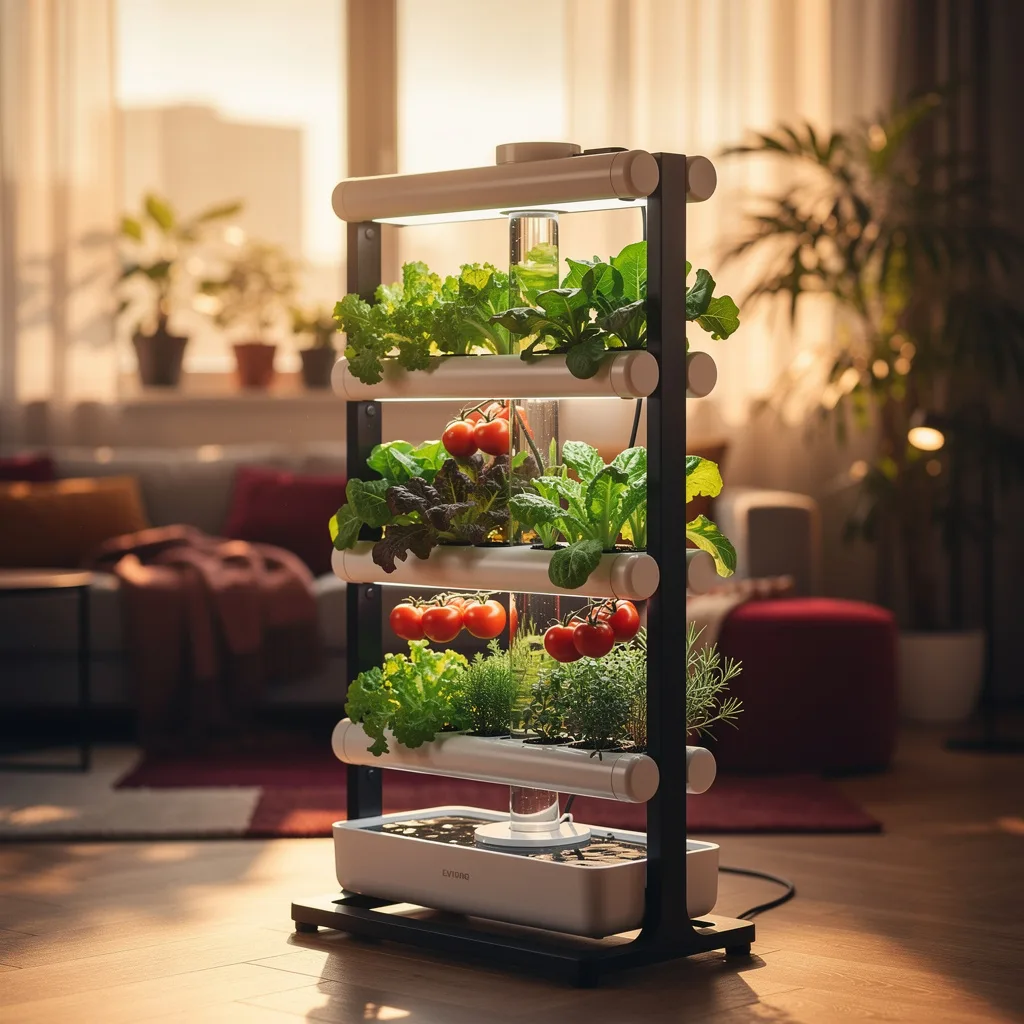
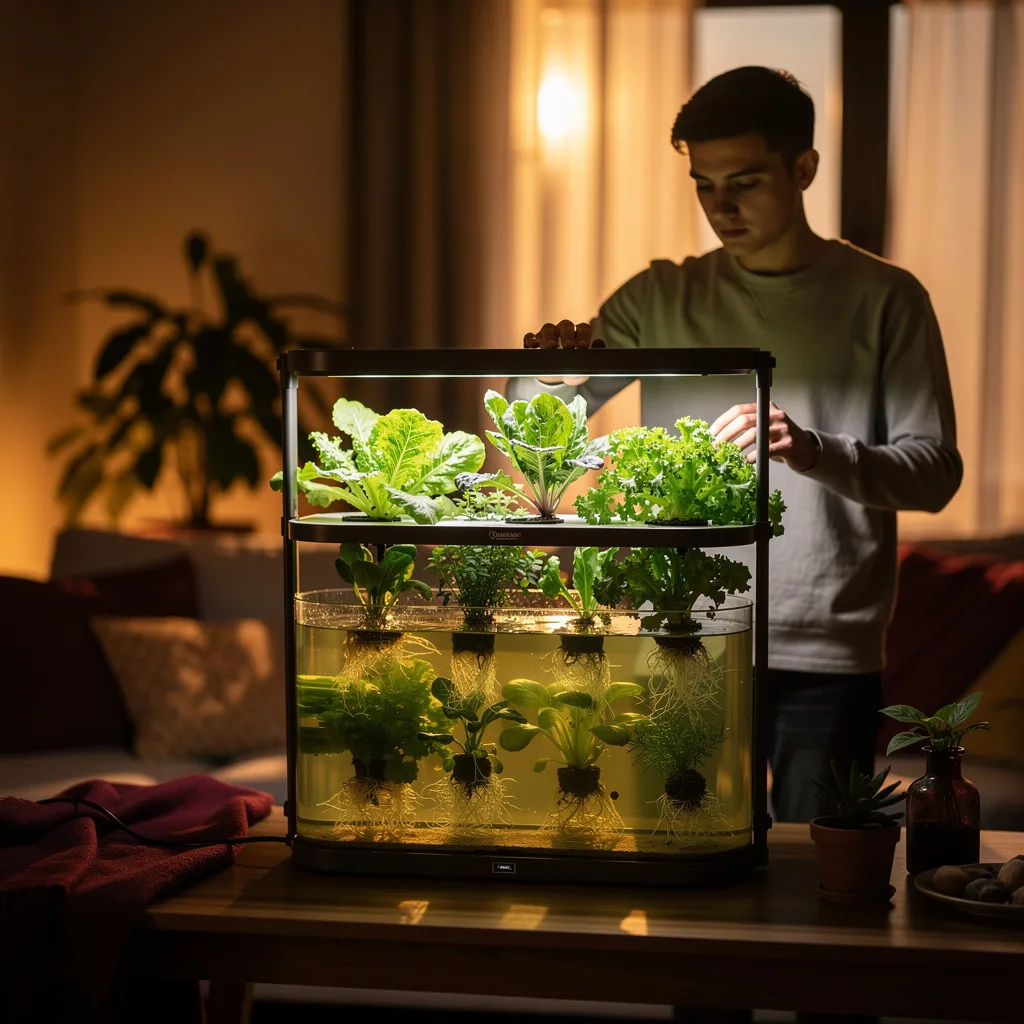
Home hydroponic systems refer to soilless cultivation methods adapted for residential use, where plants receive essential nutrients through a water-based solution. Core concepts include the use of inert growing media (such as perlite, coco coir, or clay pebbles), precise nutrient formulation, pH and electrical conductivity monitoring, and controlled environment factors like lighting and aeration. These systems range from simple wick setups to more advanced deep water culture, nutrient film technique, and aeroponics, each offering different levels of complexity and yield.
Today, home hydroponics is gaining traction as a sustainable solution for food security, urban agriculture, and year-round gardening. With increasing concerns about food miles, pesticide use, and climate change, individuals are turning to hydroponics to grow fresh vegetables, herbs, and even fruits indoors or on small balconies. The field is also seeing rapid innovation in LED lighting, automated nutrient dosing, and compact system designs, making it more accessible than ever for home users.
Mastering home hydroponics builds a versatile skill stack that includes plant physiology, water chemistry, basic engineering, and system troubleshooting. These competencies are valuable for personal gardening projects, community garden initiatives, or even as a stepping stone to commercial hydroponic farming. Whether you aim to supplement your diet with fresh greens, teach others about sustainable growing, or explore a potential business, understanding hydroponic systems empowers you to take control of your food production in a resource-efficient way.
Common Questions About Home Hydroponic Systems
Is the Home Hydroponic Systems course suitable for absolute beginners?
Will this hydroponics certificate help me start a small business?
What is the ideal pH range for hydroponic nutrient solutions?
What are the most common mistakes when mixing nutrient solutions?
- Over-concentrating — mixing nutrients at too high an EC, which can burn roots.
- Ignoring pH — not adjusting pH after mixing, leading to nutrient lockout.
- Using poor water quality — tap water with high mineral content can interfere with nutrient balance.
- Wrong order of addition — adding nutrients in the wrong sequence can cause precipitation.
- Inconsistent mixing — not stirring thoroughly leads to uneven distribution.
How do I choose between inert and organic growing media?
How to prevent oomycetes and root rot in recirculating systems?
- Sanitize equipment between cycles to avoid introducing pathogens.
- Use beneficial microbes or hydrogen peroxide to suppress harmful organisms.
- Monitor root health regularly and remove any affected roots immediately.
- Ensure proper drainage and avoid stagnant water in the system.
Is it true that hydroponic systems require less water than soil gardening?
What Will This Course Bring You?
- Formulate a balanced nutrient solution by calculating and mixing essential macro and micronutrients for specific plant growth stages.
- Evaluate different growing media and substrates to determine their water retention, aeration, and pH stability for hydroponic applications.
- Compare and contrast various hydroponic system types (e.g., NFT, DWC, ebb and flow) to select the most suitable for a home setup.
- Design an indoor lighting schedule and fixture layout to provide optimal photosynthetic photon flux density for leafy greens or fruiting plants.
- Implement a water management and aeration system that maintains dissolved oxygen levels and prevents root rot in a hydroponic reservoir.
- Build a functional home hydroponic system from basic materials, including assembly of reservoir, pump, tubing, and grow tray.
- Monitor and adjust nutrient solution pH and electrical conductivity using testing tools to maintain optimal plant health.
- Apply integrated pest management strategies to identify and control common hydroponic pests and diseases without chemical pesticides.
Curriculum
12 Units1. What Is Hydroponics?
1 hour
2. Essential Plant Needs and Nutrient Solutions
1 hour
3. Growing Media and Substrates
1 hour
4. Hydroponic System Types
1 hour
5. Lighting for Indoor Hydroponics
1 hour
6. Water Management and Aeration
1 hour
7. Building Your First Hydroponic System
1 hour
8. Plant Selection and Propagation
1 hour
9. Nutrient Management and Monitoring
1 hour
10. Pest and Disease Control
1 hour
11. Advanced Hydroponic Techniques
1 hour
12. Harvesting, Maintenance, and Scaling Up
1 hour
Exam – Home Hydroponic Systems
20 Questions • 70% Pass • 30 min
Unlock All Units for Free
Create an account, enroll in the course, and start with the first unit right away.
Exam – Home Hydroponic Systems
20 Questions • Pass: 70% • 30 min
Course Duration
720
Total Minutes
12
Unit
1
Final Exam
~60
Min / Unit
Home Hydroponic Systems Certificate Program
Document Your Skill
Those who pass the 20-question, 30-minute exam with 70% receive the Home Hydroponic Systems Certificate.
Stand Out on Your CV
By adding your certificate to your CV, gain a professional reference in job applications and stand out from the crowd.
Career Advantage
Catch Wisdom certificates are recognized by HR departments and increase career opportunities.
CERTIFICATE FEE
At the end of the course, an online exam consisting of 20 questions with a 30-minute time limit is given. The exam appears automatically after you complete the topics. Anyone who scores at least 70 out of 100 on the certificate exam is awarded the Home Hydroponic Systems Document (certificate of attendance). You can add the certificate you earn to your CV for job applications in the many sectors listed above, and use it as a reference proving that you took this interactive course.
The Certificate of Achievement you receive with the Home Hydroponic Systems course program holds value that proves your personal and professional development in the business world. By adding it to your CV, it can serve as an important reference in your job applications. Moreover, compared with certificates from other private training institutions, Catch Wisdom certificates are offered to our participants at a much more affordable price.
Because HR departments recognize Catch Wisdom as a reputable institution in this field, they value these certificates and may evaluate your job applications favorably. For this reason, a Home Hydroponic Systems course certificate from Catch Wisdom can make your applications more attractive and place you in an advantageous position in the business world.
For more information, we recommend visiting the Support page.
Certificate in 7 Languages
Earning success certificates from our courses is now more meaningful and global. With certificates available in Turkish, English, German, French, Spanish, Arabic, and Russian, we fully unlock the potential of students worldwide.
Why Certificate in 7 Languages?
-
01
Global Skill Development
Receiving your certificates in 7 different languages strengthens your communication skills as you engage with more people worldwide. It lets you operate more confidently and capably on the international stage.
-
02
International Job Opportunities
Employers may see your certificates in multiple languages as a sign of your ability to seize global opportunities. You can open more doors to new jobs and projects.
-
03
Cultural Richness
The chance to earn certificates in different languages helps you build closer ties with various cultures and broadens your worldview. It enriches your global perspective and deepens cultural understanding.
-
04
Ability to Participate in International Projects
Multilingual certificates give you an edge to work more effectively on international projects. They boost your chances of leadership and participation in diverse projects in the business world.
-
05
Prove Yourself on the Global Stage
Certificates in multiple languages let you showcase your skills and knowledge worldwide. You can become an internationally recognized professional.
Language diversity opens worldwide opportunities. If you want to prove yourself in the international arena, join our online Home Hydroponic Systems course program and begin this journey with us.
Frequently Asked Questions (FAQ)
Is this course paid?
How do I join the course?
Can I take the course at my own pace?
How can I get my certificate?
What are the advantages of the Certified Certificate?
Boost Your Career
Take a new career step with the Home Hydroponic Systems course. Add your certificate to your CV, stand out in job applications, and open the door to new opportunities in the industry.
StartStudent Reviews
No reviews yet
Enroll in this course and be the first to leave a review about your experience with Home Hydroponic Systems.
Start