What is Hydraulic Systems Fundamentals?
Hydraulic Systems Fundamentals Certificate Program
Hydraulic Systems Fundamentals certificate program teaches learners how pressurized fluid is used to transmit power, control motion, and perform work in industrial and mobile machinery. The curriculum covers fluid power principles and system architecture, hydraulic fluid properties and handling, pressure-flow-resistance relationships, pump and valve operation, cylinder and motor actuators, circuit symbols and schematics, reservoirs, filters, accumulators, heat exchangers, maintenance, troubleshooting, safety, and electrohydraulic integration. It is designed for maintenance technicians, mechanical and industrial engineers, plant operators, field service personnel, and students in automation or mechatronics who need a structured foundation in fluid power. The main practical outcome is the ability to interpret hydraulic schematics, explain component behavior, support fluid integrity and maintenance tasks, and approach common hydraulic faults with a safe, systematic diagnostic mindset.
The program is structured as a beginner-friendly progression: it starts with fluid power principles and hydraulic architecture, then builds fluid knowledge, circuit physics, and component-level understanding before moving into schematic design, maintenance practices, troubleshooting, safety, and electrohydraulic control. Theory is balanced with practical interpretation of symbols and circuits, component performance reasoning, fluid handling decisions, and symptom-based diagnosis scenarios drawn from real hydraulic systems. Across the lessons, learners develop five core skill areas: circuit and schematic literacy, component and fluid selection awareness, pressure-flow-resistance analysis, maintenance and fluid integrity practice, and safe troubleshooting with electrohydraulic integration. This program is worth choosing now because hydraulic systems remain central to heavy equipment, manufacturing, and automation, while modern operations demand greater energy efficiency, contamination control, safety compliance, and integration with electronic controls.
What is Hydraulic Systems Fundamentals?
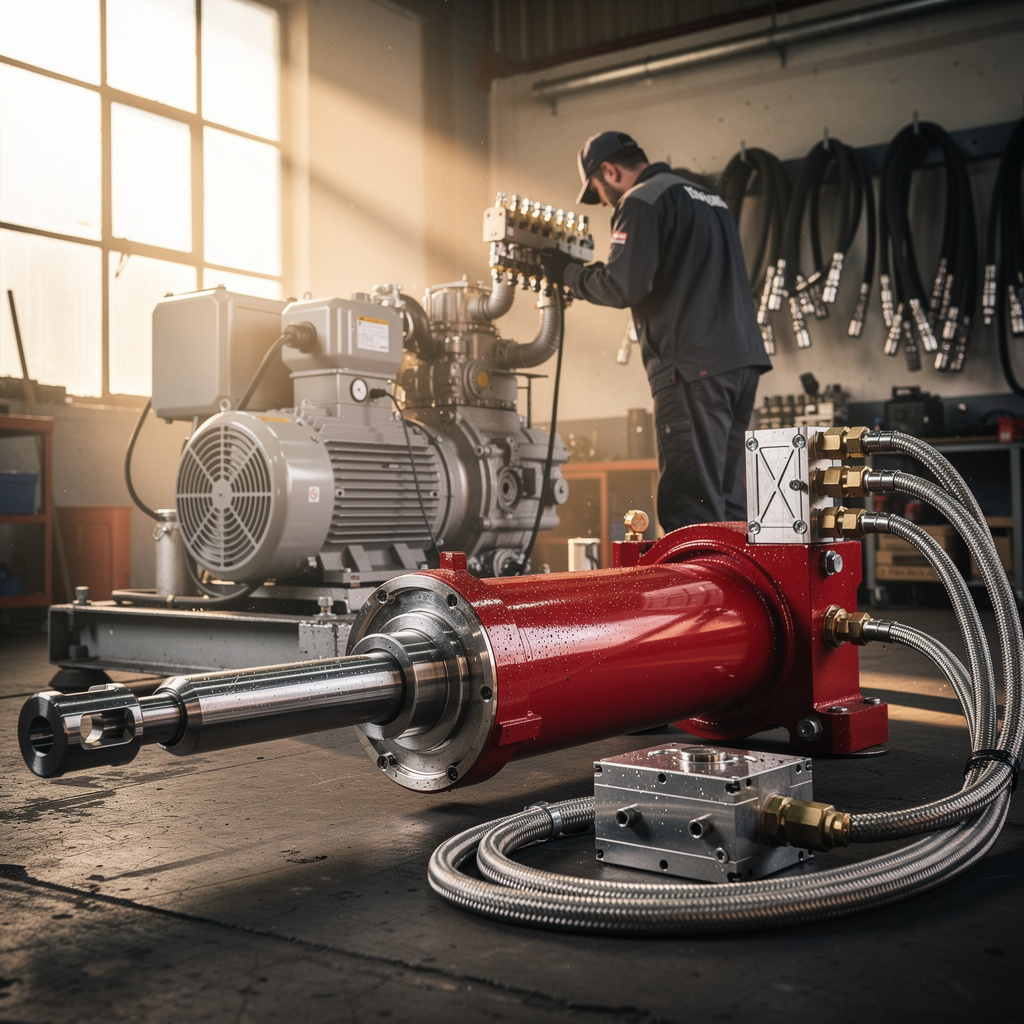
Hydraulic Systems Fundamentals is the branch of fluid power concerned with using pressurized liquid to transmit force, motion, and control energy in machines and processes. Its scope ranges from foundational physical principles—such as Pascal’s law, flow continuity, pressure drop, and resistance—to the behavior of pumps, valves, actuators, reservoirs, filters, accumulators, and heat exchangers within complete circuits. Core concepts include hydraulic fluid properties and selection, circuit symbols and schematics, pressure and flow control, component performance, fluid integrity, maintenance practice, troubleshooting logic, and safety and environmental responsibility. The subject also extends to electrohydraulic control, where hydraulic power delivery is commanded and monitored through electrical and electronic interfaces.
Hydraulic systems fundamentals matter today because fluid power is embedded in construction machinery, manufacturing equipment, agricultural vehicles, aerospace systems, automotive plants, robotics, offshore equipment, and many other industrial contexts where high force density and precise motion control are required. Recent shifts toward electrification, electrohydraulic control, condition monitoring, contamination control, and energy-efficient circuit design have made hydraulic literacy more valuable, not less, in modern maintenance and engineering environments. In academia and industry, the subject connects mechanical design, mechatronics, automation, reliability engineering, and safety compliance. As equipment becomes more integrated and efficiency-focused, professionals who understand both the fluid power domain and its electronic control layer are better positioned to support reliable, compliant, and productive operations.
Mastering hydraulic systems fundamentals builds a skill stack that includes schematic interpretation, component and fluid selection awareness, pressure-flow-resistance reasoning, fluid integrity management, fault symptom analysis, and safe work practices around pressurized systems. These skills support professional contexts such as maintenance and reliability roles, plant engineering, field service, system integration, manufacturing operations, and technical education in fluid power or mechatronics. The subject also benefits personal decision-making for anyone responsible for equipment upkeep, safety, or environmental compliance involving hydraulic machinery. Because hydraulic systems sit at the intersection of mechanical power, fluid behavior, and electronic control, the knowledge base remains broadly applicable across industries and equipment generations.
What Will This Course Bring You?
- Analyze fluid power principles and hydraulic system architecture to explain how pressure, flow, and load interact in a basic hydraulic circuit.
- Evaluate hydraulic fluid properties, selection criteria, and handling procedures to recommend appropriate fluids for specified system operating conditions.
- Calculate pressure, flow, and resistance relationships in hydraulic circuits to predict component behavior and system performance.
- Compare hydraulic pump types and operating characteristics to select a pump that meets specified flow and pressure requirements.
- Interpret directional, pressure, and flow control valve symbols and functions to configure valve arrangements for intended circuit operations.
- Design basic hydraulic circuits using standard symbols and schematics to integrate pumps, valves, cylinders, motors, reservoirs, filters, and accumulators safely.
- Diagnose hydraulic faults and evaluate maintenance records, filter conditions, and fluid contamination data to specify corrective actions that restore system integrity.
- Apply hydraulic safety, environmental, and electrohydraulic control principles to evaluate system integration and recommend safe, compliant operating practices.
Curriculum
12 Units1. Fluid Power Principles and Hydraulic System Architecture
1 hour
2. Hydraulic Fluid Properties, Selection, and Handling
1 hour
3. Pressure, Flow, and Resistance in Hydraulic Circuits
1 hour
4. Hydraulic Pumps: Types, Operation, and Performance
1 hour
5. Hydraulic Valves: Directional, Pressure, and Flow Control
1 hour
6. Hydraulic Actuators: Cylinders and Motors
1 hour
7. Hydraulic Circuit Design: Symbols, Schematics, and Basic Circuits
1 hour
8. Hydraulic System Components: Reservoirs, Filters, Accumulators, and Heat Exchangers
1 hour
9. Hydraulic System Maintenance and Fluid Integrity
1 hour
10. Troubleshooting Hydraulic Systems: Symptoms, Diagnosis, and Repair
1 hour
11. Hydraulic System Safety and Environmental Considerations
1 hour
12. Electrohydraulic Control and System Integration
1 hour
Exam – Hydraulic Systems Fundamentals
20 Questions • 70% Pass • 30 min
Unlock All Units for Free
Create an account, enroll in the course, and start with the first unit right away.
Exam – Hydraulic Systems Fundamentals
20 Questions • Pass: 70% • 30 min
Course Duration
720
Total Minutes
12
Unit
1
Final Exam
~60
Min / Unit
Hydraulic Systems Fundamentals Certificate Program
Document Your Skill
Those who pass the 20-question, 30-minute exam with 70% receive the Hydraulic Systems Fundamentals Certificate.
Stand Out on Your CV
By adding your certificate to your CV, gain a professional reference in job applications and stand out from the crowd.
Career Advantage
With the verification code, employers can check your certificate instantly — a concrete way to show your growth.
CERTIFICATE FEE
At the end of the course, an online exam consisting of 20 questions with a 30-minute time limit is given. The exam appears automatically after you complete the topics. Anyone who scores at least 70 out of 100 on the certificate exam is awarded the Hydraulic Systems Fundamentals Document (certificate of attendance). You can add the certificate you earn to your CV for job applications in the many sectors listed above, and use it as a reference proving that you took this interactive course.
The Certificate of Achievement you receive with the Hydraulic Systems Fundamentals course program holds value that proves your personal and professional development in the business world. By adding it to your CV, it can serve as an important reference in your job applications. Moreover, compared with certificates from other private training institutions, Catch Wisdom certificates are offered to our participants at a much more affordable price.
The Hydraulic Systems Fundamentals course certificate is a document that proves, with a unique verification code, that you completed the course. Employers can instantly check its authenticity with this code, which helps you show your development concretely in your job applications.
For more information, we recommend visiting the Support page.
Certificate in 7 Languages
Earning success certificates from our courses is now more meaningful and global. With certificates available in Turkish, English, German, French, Spanish, Arabic, and Russian, we fully unlock the potential of students worldwide.
Why Certificate in 7 Languages?
-
01
Global Skill Development
Receiving your certificates in 7 different languages strengthens your communication skills as you engage with more people worldwide. It lets you operate more confidently and capably on the international stage.
-
02
International Job Opportunities
Employers may see your certificates in multiple languages as a sign of your ability to seize global opportunities. You can open more doors to new jobs and projects.
-
03
Cultural Richness
The chance to earn certificates in different languages helps you build closer ties with various cultures and broadens your worldview. It enriches your global perspective and deepens cultural understanding.
-
04
Ability to Participate in International Projects
Multilingual certificates give you an edge to work more effectively on international projects. They boost your chances of leadership and participation in diverse projects in the business world.
-
05
Prove Yourself on the Global Stage
Certificates in multiple languages give you the opportunity to present your skills and knowledge worldwide.
Language diversity opens worldwide opportunities. If you want to prove yourself in the international arena, join our online Hydraulic Systems Fundamentals course program and begin this journey with us.
Frequently Asked Questions (FAQ)
Is this course paid?
How do I join the course?
Can I take the course at my own pace?
How can I get my certificate?
What are the advantages of the certificate?
Boost Your Career
Take a new career step with the Hydraulic Systems Fundamentals course. Add your certificate to your CV, stand out in job applications, and open the door to new opportunities in the industry.
StartStudent Reviews
No reviews yet
Enroll in this course and be the first to leave a review about your experience with Hydraulic Systems Fundamentals.
Start