What is Interior Design Basics?
Interior Design Basics Training Program
The Interior Design Basics certificate program provides a comprehensive introduction to the principles and practices of interior design, from foundational theory to real-world application. This course is designed for aspiring designers, homeowners, and creative professionals who want to develop a structured understanding of how to transform spaces with purpose and style. By the end of the program, you will be able to analyze a room, select appropriate materials and furnishings, and produce a complete design concept that balances aesthetics, function, and budget.
The program is structured as a beginner-friendly progression, starting with core design principles and elements, then moving into space planning, color theory, and lighting. It builds four key skill areas: visual composition, spatial reasoning, material knowledge, and project management. With lessons covering everything from historical styles to sustainable practices and a final design project that takes you from brief to presentation, this course offers a practical, portfolio-building experience that is immediately applicable in today’s design-conscious world.
What is Interior Design Basics?
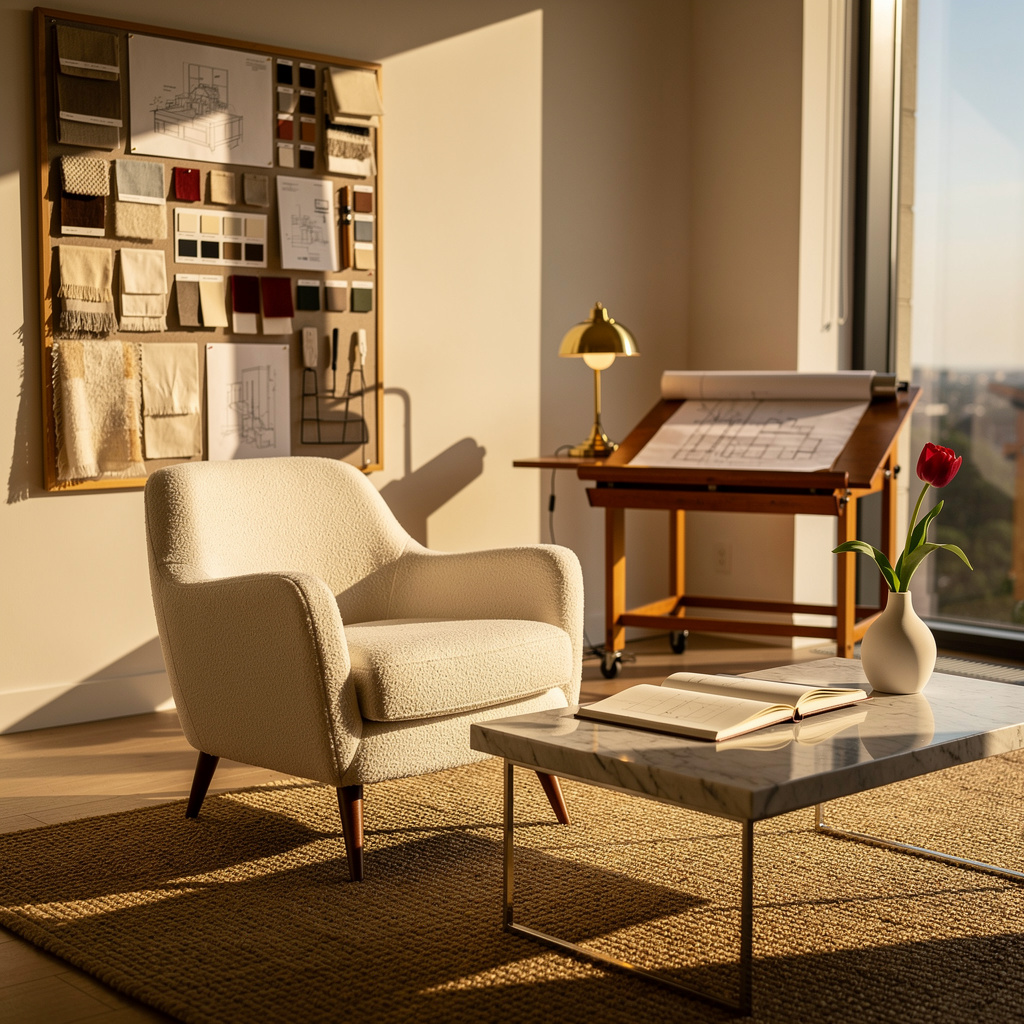
Interior design is the art and science of enhancing the interior of a space to achieve a healthier and more aesthetically pleasing environment for the people using it. It involves a deep understanding of how people interact with spaces, and it draws on principles of architecture, psychology, and product design. Core concepts include balance, rhythm, scale, proportion, harmony, and unity—all of which guide decisions about layout, color, lighting, materials, and furnishings.
Today, interior design matters more than ever as people spend increasing amounts of time indoors and demand spaces that support well-being, productivity, and sustainability. The field has expanded beyond residential and commercial interiors to include hospitality, healthcare, retail, and virtual environments. Recent shifts toward biophilic design, adaptive reuse, and wellness-focused interiors make foundational knowledge in this subject essential for anyone involved in shaping the built environment.
Mastering interior design basics builds a versatile skill stack that includes visual literacy, critical thinking, and technical problem-solving. These competencies are valuable not only for professional interior designers but also for architects, real estate developers, event planners, and homeowners undertaking renovation projects. The subject provides a framework for making informed, creative decisions that improve quality of life, whether you are designing a single room or a large-scale commercial space.
Common Questions About Interior Design Basics
Is the Interior Design Basics certificate useful for my CV?
Can a complete beginner start this interior design course?
What is the difference between interior design and decoration?
- Scope: Design involves space planning, structural changes, and functional layout; decoration focuses on surface aesthetics like paint, furniture, and accessories.
- Training: Design requires knowledge of building codes, ergonomics, and circulation; decoration is more about style, color, and trends.
- Outcome: Design creates a holistic environment that enhances well-being; decoration beautifies an existing space.
How do you apply the 60-30-10 rule in a room?
Why is space planning more than just arranging furniture?
What are the three types of balance in design?
- Symmetrical balance: Elements are mirrored on either side of a central axis, creating a formal and stable feel.
- Asymmetrical balance: Different objects with equal visual weight are arranged, offering a more dynamic and casual look.
- Radial balance: Elements radiate from a central point, like a round dining table or a chandelier, creating a focal point.
Is interior design just about making rooms look pretty?
What Will This Course Bring You?
- Apply core design principles such as balance, rhythm, and emphasis to create harmonious interior spaces.
- Develop a functional space plan that optimizes traffic flow and furniture arrangement for a given room layout.
- Analyze color relationships using the color wheel to select a cohesive palette for a residential interior.
- Design a layered lighting scheme combining ambient, task, and accent lighting to enhance a room's function and mood.
- Evaluate material and textile options based on durability, sustainability, and aesthetic impact for interior surfaces.
- Identify key characteristics of major interior design styles and apply them to a mood board.
- Implement sustainable design strategies including material selection and energy-efficient lighting to reduce environmental impact.
- Create a comprehensive design project from client brief to final presentation including budget, sourcing, and layout.
Curriculum
12 Units1. What Is Interior Design?
1 hour
2. Core Design Principles
1 hour
3. Design Elements in Detail
1 hour
4. Space Planning and Layout
1 hour
5. Color Theory and Application
1 hour
6. Lighting Design Basics
1 hour
7. Furniture and Accessories
1 hour
8. Materials, Textiles, and Finishes
1 hour
9. Interior Design Styles and Periods
1 hour
10. Sustainable and Healthy Design
1 hour
11. Budgeting, Sourcing, and Project Planning
1 hour
12. Final Design Project: From Brief to Presentation
1 hour
Exam – Interior Design Basics
20 Questions • 70% Pass • 30 min
Unlock All Units for Free
Create an account, enroll in the course, and start with the first unit right away.
Exam – Interior Design Basics
20 Questions • Pass: 70% • 30 min
Course Duration
720
Total Minutes
12
Unit
1
Final Exam
~60
Min / Unit
Interior Design Basics Certificate Program
Document Your Skill
Those who pass the 20-question, 30-minute exam with 70% receive the Interior Design Basics Certificate.
Stand Out on Your CV
By adding your certificate to your CV, gain a professional reference in job applications and stand out from the crowd.
Career Advantage
With the verification code, employers can check your certificate instantly — a concrete way to show your growth.
CERTIFICATE FEE
At the end of the course, an online exam consisting of 20 questions with a 30-minute time limit is given. The exam appears automatically after you complete the topics. Anyone who scores at least 70 out of 100 on the certificate exam is awarded the Interior Design Basics Document (certificate of attendance). You can add the certificate you earn to your CV for job applications in the many sectors listed above, and use it as a reference proving that you took this interactive course.
The Certificate of Achievement you receive with the Interior Design Basics course program holds value that proves your personal and professional development in the business world. By adding it to your CV, it can serve as an important reference in your job applications. Moreover, compared with certificates from other private training institutions, Catch Wisdom certificates are offered to our participants at a much more affordable price.
The Interior Design Basics course certificate is a document that proves, with a unique verification code, that you completed the course. Employers can instantly check its authenticity with this code, which helps you show your development concretely in your job applications.
For more information, we recommend visiting the Support page.
Certificate in 7 Languages
Earning success certificates from our courses is now more meaningful and global. With certificates available in Turkish, English, German, French, Spanish, Arabic, and Russian, we fully unlock the potential of students worldwide.
Why Certificate in 7 Languages?
-
01
Global Skill Development
Receiving your certificates in 7 different languages strengthens your communication skills as you engage with more people worldwide. It lets you operate more confidently and capably on the international stage.
-
02
International Job Opportunities
Employers may see your certificates in multiple languages as a sign of your ability to seize global opportunities. You can open more doors to new jobs and projects.
-
03
Cultural Richness
The chance to earn certificates in different languages helps you build closer ties with various cultures and broadens your worldview. It enriches your global perspective and deepens cultural understanding.
-
04
Ability to Participate in International Projects
Multilingual certificates give you an edge to work more effectively on international projects. They boost your chances of leadership and participation in diverse projects in the business world.
-
05
Prove Yourself on the Global Stage
Certificates in multiple languages give you the opportunity to present your skills and knowledge worldwide.
Language diversity opens worldwide opportunities. If you want to prove yourself in the international arena, join our online Interior Design Basics course program and begin this journey with us.
Frequently Asked Questions (FAQ)
Is this course paid?
How do I join the course?
Can I take the course at my own pace?
How can I get my certificate?
What are the advantages of the certificate?
Boost Your Career
Take a new career step with the Interior Design Basics course. Add your certificate to your CV, stand out in job applications, and open the door to new opportunities in the industry.
StartStudent Reviews
No reviews yet
Enroll in this course and be the first to leave a review about your experience with Interior Design Basics.
Start