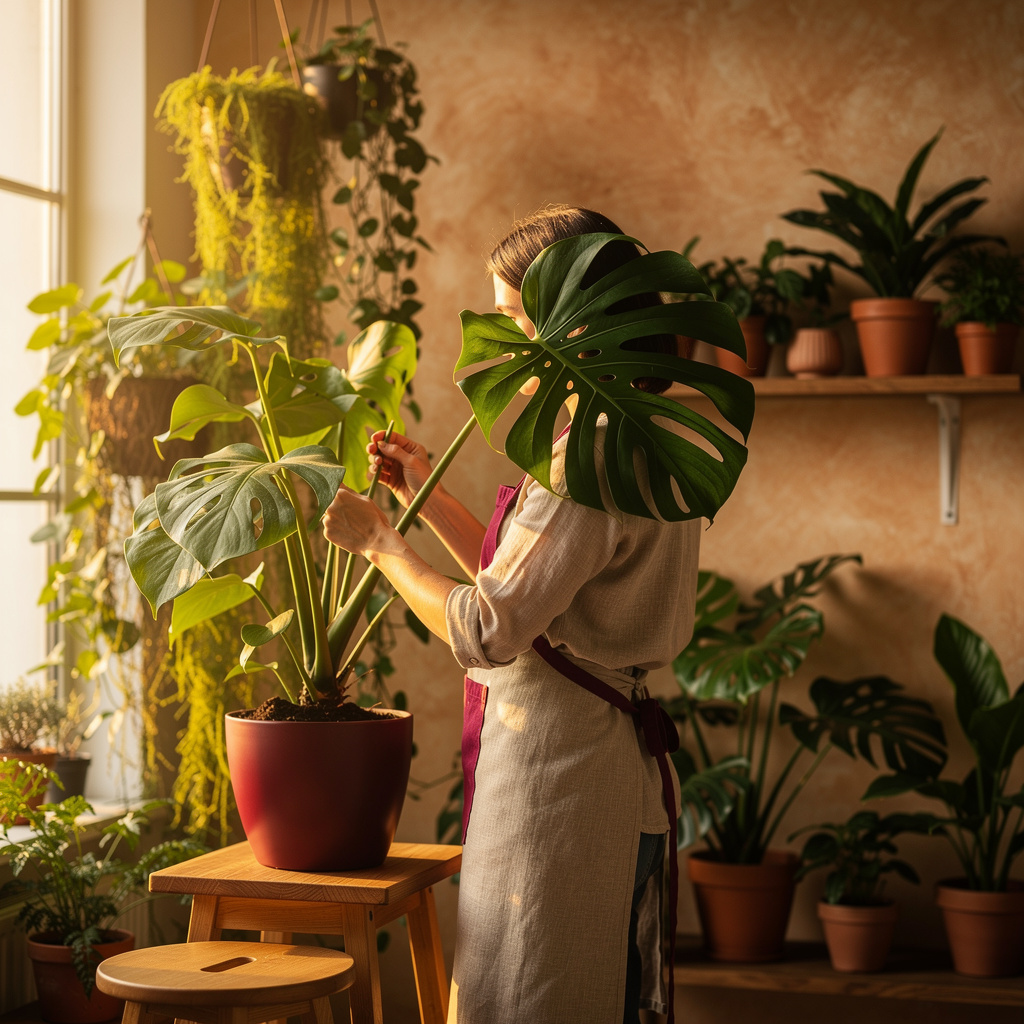
What is Interior Plant Designer Career Path?
Interior Plant Designer Career Path Certificate Program
Interior Plant Designer Career Path certificate program teaches the full arc of interior plant design, from understanding the profession’s roles and indoor plant biology to selecting and sourcing plants, applying planting design principles, analyzing sites with clients, producing planting plans and visual presentations, designing containers and installations, and maintaining plant health through integrated pest management. It is built for aspiring interior plant designers, interior landscapers, horticulturists, facility and workplace experience teams, design professionals adding plant expertise, and career changers who want to work with living plants in built environments. The main practical outcome is the ability to assess an interior space, specify appropriate plants and containers, create client-ready planting plans, coordinate installation, and sustain long-term plant performance with sustainable and biophilic practices. Learners also develop the business and marketing foundations needed to present services, manage client relationships, and pursue career opportunities in interior plant design.
The program progresses in a beginner-friendly sequence: it first establishes professional roles and indoor plant biology, then builds plant selection, planting design, site analysis, and client discovery skills, before moving into planting plans, visual presentations, container design, and installation. Theory is balanced with practice through environmental requirements, design principles, diagnostic protocols, maintenance planning, and business essentials, so learners connect plant science to real interior conditions and client expectations. Across the course, four core skill areas are developed: plant science and environmental literacy, spatial and planting design communication, installation and maintenance operations, and client-facing business and career development. This program is relevant now because workplaces, hospitality venues, healthcare settings, and residential interiors increasingly seek biophilic design, sustainable plant care, and evidence-based green space planning that supports wellbeing and visual identity.
What is Interior Plant Designer Career Path?
Interior plant design is the discipline of selecting, placing, installing, and maintaining live plants within interior built environments so that they thrive while supporting the aesthetic, functional, and wellbeing goals of a space. Its core concepts include indoor plant biology and environmental requirements such as light, water, humidity, temperature, and airflow; planting design principles for scale, texture, color, and spatial rhythm; container and installation design; site analysis and client discovery; plant health diagnosis and integrated pest management; and sustainable, biophilic practices. The field sits at the intersection of horticulture, interior design, facilities operations, and client service, which means practitioners must think about living organisms and built environments at the same time. It also includes business essentials such as sourcing, proposals, maintenance protocols, and ongoing client communication, because interior plantings are living systems that require planned care after installation.
Interior plant design matters today because biophilic design has moved from a niche preference to a mainstream expectation in offices, hotels, retail, healthcare, education, and residential interiors, where plants are used to soften spaces, support perceived wellbeing, and reinforce brand and atmosphere. Recent shifts include greater attention to sustainable sourcing, integrated pest management over routine chemical controls, living walls and green partitions, plant styling as part of workplace experience, and maintenance protocols that protect long-term plant health rather than treating plants as disposable decor. In industry, interior plant designers collaborate with architects, interior designers, facility managers, and horticultural service providers, while in academia the subject connects to environmental psychology, horticulture, and sustainable building practices. The growing focus on healthy buildings and human-centered interiors has made plant knowledge more relevant to design decisions, procurement, and ongoing building operations.
Mastering this subject builds a distinctive skill stack: plant science literacy, environmental assessment, design communication, installation logistics, maintenance planning, pest and disease diagnosis, sustainable practice, and business acumen for client-facing work. These skills are valuable in interior landscaping firms, design studios, facilities and workplace teams, horticultural service companies, and independent entrepreneurship, where practitioners must balance plant health with client expectations and real interior conditions. The subject also benefits personal contexts such as home studios, wellness spaces, and plant-forward residential projects, because the same principles of light, water, container choice, and maintenance planning apply at any scale. Ultimately, interior plant design knowledge connects aesthetic judgment with biological responsibility, enabling professionals to create interior plantings that remain healthy, beautiful, and sustainable over time.
What Will This Course Bring You?
- Outline interior plant design roles and career pathways, then build a marketing plan with pricing, portfolio, and client outreach to grow your practice.
- Analyze light, humidity, temperature, and soil conditions in interior spaces to match plant species with their environmental requirements.
- Select and source plant species and specimens using design intent, budget, availability, and sustainable nursery practices as selection criteria.
- Apply planting design principles such as scale, texture, color, and focal placement to create balanced interior plant compositions.
- Translate design concepts into scaled planting plans, plant schedules, and visual presentations that communicate intent to clients and installers.
- Conduct site analyses and client discovery interviews to document spatial constraints, usage patterns, and maintenance expectations for installations.
- Design container and installation specifications, including drainage, irrigation, and potting media, that support long-term plant health indoors.
- Develop maintenance and integrated pest management protocols for watering, pruning, monitoring, and diagnosing common indoor plant health problems.
Curriculum
12 Units1. The Interior Plant Designer Profession: Roles and Career Paths
1 hour
2. Indoor Plant Biology and Environmental Requirements
1 hour
3. Plant Selection and Sourcing for Interior Spaces
1 hour
4. Planting Design Principles for Interior Environments
1 hour
5. Site Analysis and Client Discovery for Plant Installations
1 hour
6. Creating Planting Plans and Visual Presentations
1 hour
7. Installation and Container Design for Interior Plantings
1 hour
8. Ongoing Plant Care and Maintenance Protocols
1 hour
9. Plant Health Diagnosis and Integrated Pest Management
1 hour
10. Sustainable and Biophilic Interior Plant Practices
1 hour
11. Business Essentials for Interior Plant Designers
1 hour
12. Career Development and Marketing for Interior Plant Designers
1 hour
Exam – Interior Plant Designer Career Path
20 Questions • 70% Pass • 30 min
Unlock All Units for Free
Create an account, enroll in the course, and start with the first unit right away.
Exam – Interior Plant Designer Career Path
20 Questions • Pass: 70% • 30 min
Course Duration
720
Total Minutes
12
Unit
1
Final Exam
~60
Min / Unit
Interior Plant Designer Career Path Certificate Program
Document Your Skill
Those who pass the 20-question, 30-minute exam with 70% receive the Interior Plant Designer Career Path Certificate.
Stand Out on Your CV
By adding your certificate to your CV, gain a professional reference in job applications and stand out from the crowd.
Career Advantage
With the verification code, employers can check your certificate instantly — a concrete way to show your growth.
CERTIFICATE FEE
At the end of the course, an online exam consisting of 20 questions with a 30-minute time limit is given. The exam appears automatically after you complete the topics. Anyone who scores at least 70 out of 100 on the certificate exam is awarded the Interior Plant Designer Career Path Document (certificate of attendance). You can add the certificate you earn to your CV for job applications in the many sectors listed above, and use it as a reference proving that you took this interactive course.
The Certificate of Achievement you receive with the Interior Plant Designer Career Path course program holds value that proves your personal and professional development in the business world. By adding it to your CV, it can serve as an important reference in your job applications. Moreover, compared with certificates from other private training institutions, Catch Wisdom certificates are offered to our participants at a much more affordable price.
The Interior Plant Designer Career Path course certificate is a document that proves, with a unique verification code, that you completed the course. Employers can instantly check its authenticity with this code, which helps you show your development concretely in your job applications.
For more information, we recommend visiting the Support page.
Certificate in 7 Languages
Earning success certificates from our courses is now more meaningful and global. With certificates available in Turkish, English, German, French, Spanish, Arabic, and Russian, we fully unlock the potential of students worldwide.
Why Certificate in 7 Languages?
-
01
Global Skill Development
Receiving your certificates in 7 different languages strengthens your communication skills as you engage with more people worldwide. It lets you operate more confidently and capably on the international stage.
-
02
International Job Opportunities
Employers may see your certificates in multiple languages as a sign of your ability to seize global opportunities. You can open more doors to new jobs and projects.
-
03
Cultural Richness
The chance to earn certificates in different languages helps you build closer ties with various cultures and broadens your worldview. It enriches your global perspective and deepens cultural understanding.
-
04
Ability to Participate in International Projects
Multilingual certificates give you an edge to work more effectively on international projects. They boost your chances of leadership and participation in diverse projects in the business world.
-
05
Prove Yourself on the Global Stage
Certificates in multiple languages give you the opportunity to present your skills and knowledge worldwide.
Language diversity opens worldwide opportunities. If you want to prove yourself in the international arena, join our online Interior Plant Designer Career Path course program and begin this journey with us.
Frequently Asked Questions (FAQ)
Is this course paid?
How do I join the course?
Can I take the course at my own pace?
How can I get my certificate?
What are the advantages of the certificate?
Boost Your Career
Take a new career step with the Interior Plant Designer Career Path course. Add your certificate to your CV, stand out in job applications, and open the door to new opportunities in the industry.
StartStudent Reviews
No reviews yet
Enroll in this course and be the first to leave a review about your experience with Interior Plant Designer Career Path.
Start