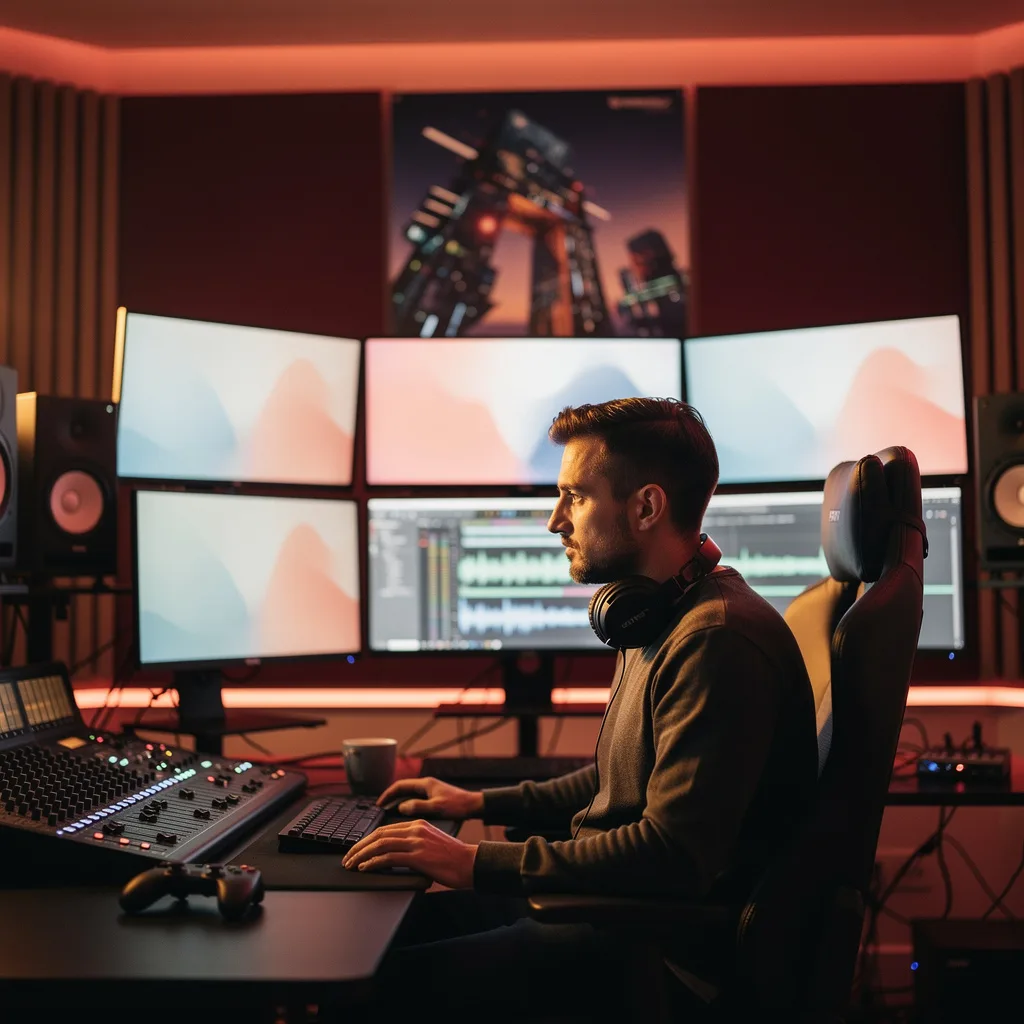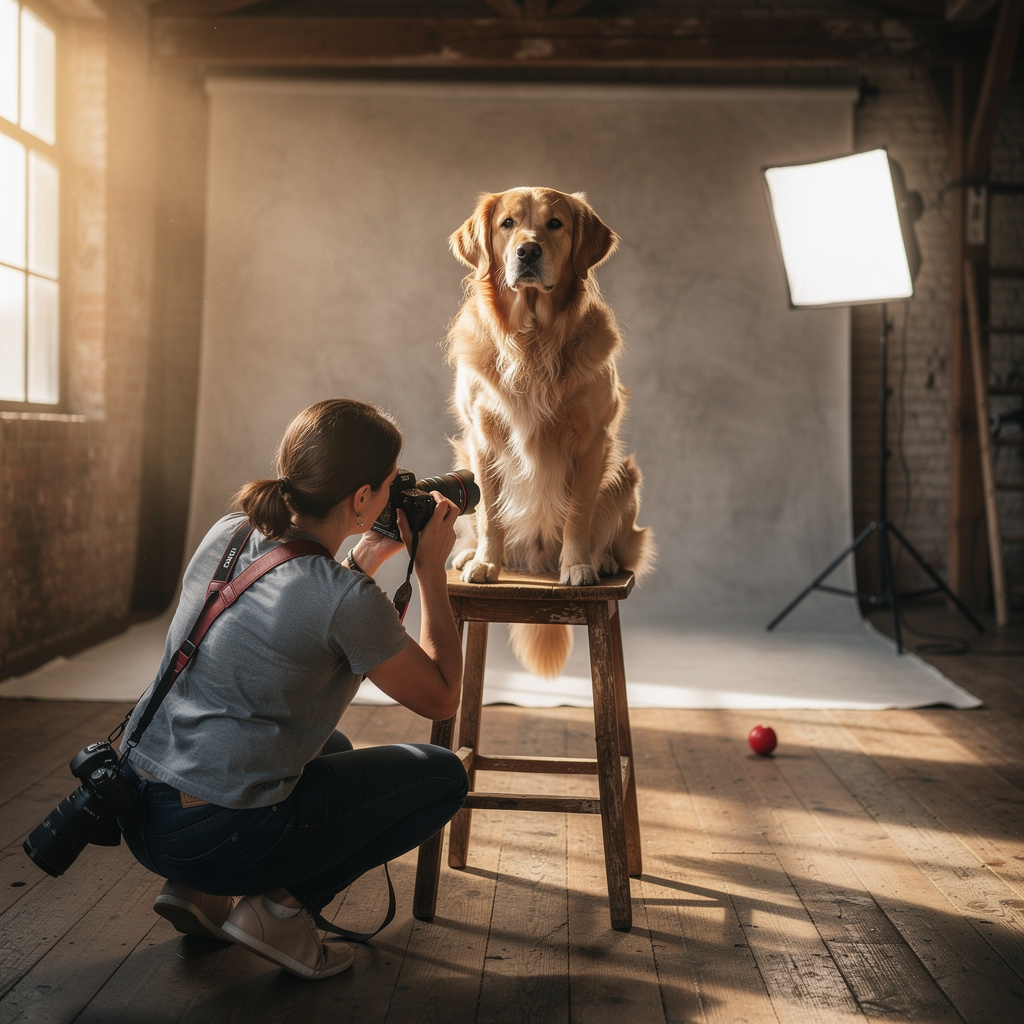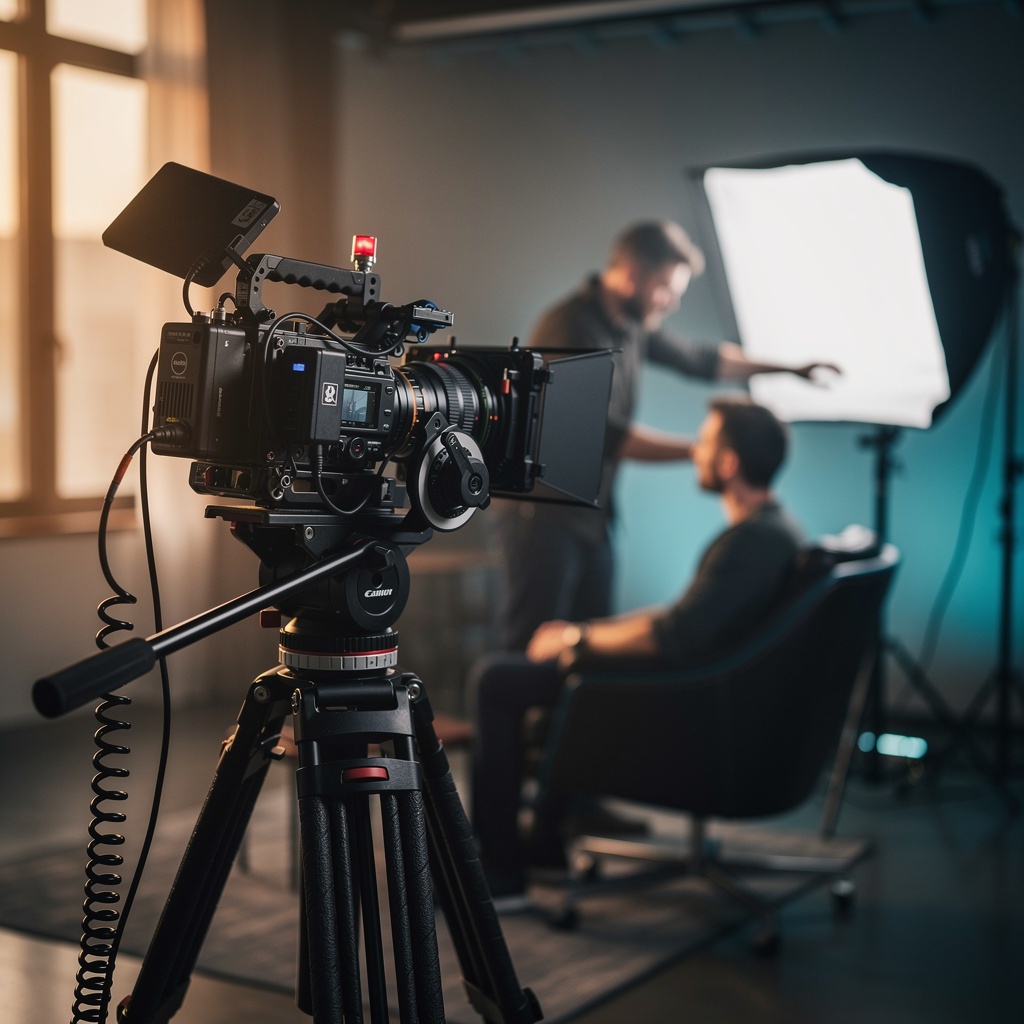
What is Interview Filming Setups?
Interview Filming Setups Training
The Interview Filming Setups certificate program is a hands-on, production-focused course designed for aspiring videographers, content creators, journalists, and corporate media professionals who need to capture polished, professional interviews in any environment. This program teaches you how to plan, set up, and execute a complete interview shoot—from selecting the right camera and lens to designing a compelling background and managing audio like a sound engineer. By the end, you will be able to walk onto any set, assess the space, and build a reliable filming configuration that delivers broadcast-quality results.
The program is structured as a beginner-friendly progression that balances technical theory with practical, real-world application. You will build core skills across five essential areas: pre-production planning, camera and lens selection, lighting design, audio capture, and on-set troubleshooting. Each lesson builds on the previous one, starting with interview formats and moving through multi-camera and remote setups, so you gain a complete workflow from concept to final footage. With the rise of remote work and hybrid media production, mastering these setups is more relevant than ever—this training gives you the confidence to adapt to any interview scenario, whether in a studio, an office, or a living room.
What is Interview Filming Setups?
Interview filming setups refer to the complete technical and logistical arrangement required to record a professional interview, encompassing camera placement, lens choice, framing, lighting, audio capture, and set design. The subject covers the entire production ecosystem—from single-camera configurations to complex multi-camera and remote setups—and emphasizes the interplay between visual composition, sound clarity, and environmental aesthetics. Core concepts include three-point lighting, microphone selection and placement, depth of field control, and the strategic use of backgrounds to enhance the subject’s credibility and narrative.
In today’s media landscape, where podcasts, documentary series, corporate communications, and online education rely heavily on interview content, the ability to create a clean, engaging, and technically sound setup is a critical skill. The shift toward remote and hybrid work has made it essential for professionals to understand how to replicate studio-quality conditions in non-traditional spaces, using portable gear and adaptable techniques. From newsrooms to YouTube channels, from academic research interviews to executive town halls, the principles of interview filming setups are applied daily to ensure that the audience focuses on the conversation, not on technical distractions.
Mastering this subject builds a versatile skill stack that includes visual storytelling, technical problem-solving, and efficient resource management. You learn to make quick decisions about camera angles, lighting ratios, and microphone polar patterns, and to troubleshoot issues like echo, glare, or unstable footage in real time. This knowledge benefits anyone who produces or participates in interviews—filmmakers, HR professionals, educators, marketers, and independent creators—by enabling them to produce content that looks intentional and sounds professional, thereby increasing viewer trust and engagement.
Common Questions About Interview Filming Setups
Does the Interview Filming Setups certificate strengthen a video editor's resume?
Is the Interview Filming Setups course suitable for beginners with zero experience?
How does the rule of thirds improve interview framing?
Here’s how to apply it in practice:
- Position the eyes: Place the subject’s eyes on the upper horizontal third line, not the center of the frame.
- Leave looking room: Give extra space on the side where the subject is looking—this directs the viewer’s gaze naturally.
- Balance with negative space: Use the empty area on the opposite side to create depth and context, especially when a background element supports the story.
Why is three-point lighting essential for professional interviews?
What is the -12 to -6 dB zone in interview audio recording?
How do you maintain eye-line continuity in multi-camera setups?
- Establish the 180° line: Draw an imaginary line between the interviewer and the subject; all cameras must stay on one side of this line.
- Match the eyeline: The subject should look toward the interviewer’s position, not directly into each camera lens, unless you’re intentionally doing a direct-address segment.
- Use the A-Cam/B-Cam division: Typically, the A-cam captures the main wide shot, while the B-cam gets a tighter over-the-shoulder or close-up—both framed from the same side to preserve spatial relationships.
Is an expensive camera more important than lighting for interviews?
What Will This Course Bring You?
- Analyze different interview formats and develop a pre-production plan that addresses location, scheduling, and equipment needs.
- Select appropriate cameras and configure exposure settings (ISO, aperture, shutter speed) for controlled interview lighting.
- Apply lens selection and framing rules to create visually engaging interview compositions that support the subject's story.
- Design a three-point lighting setup to shape the subject's appearance and control background contrast.
- Implement microphone selection and placement techniques to capture clear, intelligible dialogue in interview environments.
- Evaluate audio levels using meters and headphones to ensure consistent recording without distortion or background noise.
- Design interview backgrounds and set elements that reinforce the narrative and minimize visual distractions.
- Troubleshoot common technical failures in camera, lighting, and audio systems during an interview shoot to minimize downtime.
Curriculum
12 Units1. Interview Formats and Pre-Production Planning
1 hour
2. Camera Selection and Settings
1 hour
3. Lenses and Framing for Interviews
1 hour
4. Lighting Fundamentals for Interviews
1 hour
5. Three-Point Lighting Setup
1 hour
6. Audio Capture: Microphones and Placement
1 hour
7. Audio Recording and Monitoring
1 hour
8. Background and Set Design
1 hour
9. Multi-Camera Interview Setups
1 hour
10. Remote and Hybrid Interview Setups
1 hour
11. Troubleshooting and Problem-Solving on Set
1 hour
12. Post-Production Considerations for Interview Footage
1 hour
Exam – Interview Filming Setups
20 Questions • 70% Pass • 30 min
Unlock All Units for Free
Create an account, enroll in the course, and start with the first unit right away.
Exam – Interview Filming Setups
20 Questions • Pass: 70% • 30 min
Course Duration
720
Total Minutes
12
Unit
1
Final Exam
~60
Min / Unit
Interview Filming Setups Certificate Program
Document Your Skill
Those who pass the 20-question, 30-minute exam with 70% receive the Interview Filming Setups Certificate.
Stand Out on Your CV
By adding your certificate to your CV, gain a professional reference in job applications and stand out from the crowd.
Career Advantage
Catch Wisdom certificates are recognized by HR departments and increase career opportunities.
CERTIFICATE FEE
At the end of the course, an online exam consisting of 20 questions with a 30-minute time limit is given. The exam appears automatically after you complete the topics. Anyone who scores at least 70 out of 100 on the certificate exam is awarded the Interview Filming Setups Document (certificate of attendance). You can add the certificate you earn to your CV for job applications in the many sectors listed above, and use it as a reference proving that you took this interactive course.
The Certificate of Achievement you receive with the Interview Filming Setups course program holds value that proves your personal and professional development in the business world. By adding it to your CV, it can serve as an important reference in your job applications. Moreover, compared with certificates from other private training institutions, Catch Wisdom certificates are offered to our participants at a much more affordable price.
Because HR departments recognize Catch Wisdom as a reputable institution in this field, they value these certificates and may evaluate your job applications favorably. For this reason, a Interview Filming Setups course certificate from Catch Wisdom can make your applications more attractive and place you in an advantageous position in the business world.
For more information, we recommend visiting the Support page.
Certificate in 7 Languages
Earning success certificates from our courses is now more meaningful and global. With certificates available in Turkish, English, German, French, Spanish, Arabic, and Russian, we fully unlock the potential of students worldwide.
Why Certificate in 7 Languages?
-
01
Global Skill Development
Receiving your certificates in 7 different languages strengthens your communication skills as you engage with more people worldwide. It lets you operate more confidently and capably on the international stage.
-
02
International Job Opportunities
Employers may see your certificates in multiple languages as a sign of your ability to seize global opportunities. You can open more doors to new jobs and projects.
-
03
Cultural Richness
The chance to earn certificates in different languages helps you build closer ties with various cultures and broadens your worldview. It enriches your global perspective and deepens cultural understanding.
-
04
Ability to Participate in International Projects
Multilingual certificates give you an edge to work more effectively on international projects. They boost your chances of leadership and participation in diverse projects in the business world.
-
05
Prove Yourself on the Global Stage
Certificates in multiple languages let you showcase your skills and knowledge worldwide. You can become an internationally recognized professional.
Language diversity opens worldwide opportunities. If you want to prove yourself in the international arena, join our online Interview Filming Setups course program and begin this journey with us.
Frequently Asked Questions (FAQ)
Is this course paid?
How do I join the course?
Can I take the course at my own pace?
How can I get my certificate?
What are the advantages of the Certified Certificate?
Boost Your Career
Take a new career step with the Interview Filming Setups course. Add your certificate to your CV, stand out in job applications, and open the door to new opportunities in the industry.
StartStudent Reviews
No reviews yet
Enroll in this course and be the first to leave a review about your experience with Interview Filming Setups.
Start