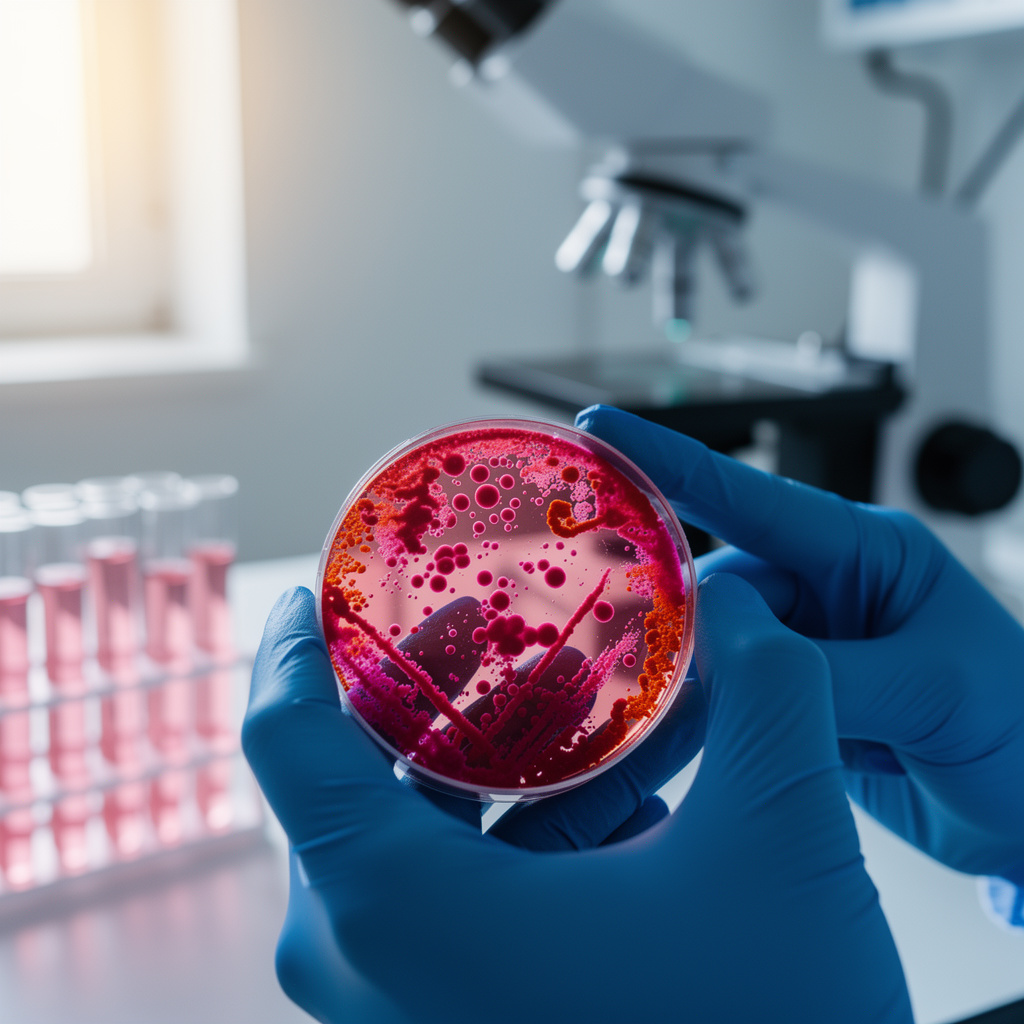
What is Introduction to Microbiology?
Introduction to Microbiology Certificate Program
The Introduction to Microbiology certificate program provides a structured foundation in the biology of bacteria, archaea, viruses, fungi, and other microorganisms, moving from the historical scope of the microbial world through microscopy, staining, and laboratory safety to microbial diversity, cell structure, growth, nutrition, culture, metabolism, genetics, and genome regulation. It also covers viral structure and replication, physical, chemical, and chemotherapeutic control, host-microbe interactions and pathogenesis, innate and adaptive immunity, and applied microbiology in environmental, industrial, and medical settings. The program is designed for beginners and career-changers as well as students in biology, allied health, laboratory science, environmental technology, and industrial quality roles who need a reliable conceptual and practical grounding. Its main practical outcome is the ability to reason accurately about microbial processes, apply safe laboratory habits and staining/microscopy principles, and connect microbiological evidence to control, pathogenesis, and applied problem-solving.
The curriculum is organized as a beginner-friendly progression: it begins with the microbial world and laboratory safety, builds through diversity, cell structure, growth, nutrition, culture, metabolism, and genetics, then extends into viruses, microbial control, host-microbe interactions, immunology, and applied microbiology. Theory is balanced with practice-oriented topics such as microscopy and staining, culture and growth analysis, control agent selection, and applied case reasoning, so learners encounter both concepts and their laboratory or field implications. Across the program, five core skill areas are developed: safe microscopy and staining practice; microbial diversity and cell function literacy; growth, nutrition, metabolism, and genetics reasoning; virus, control, host-pathogen, and immunology frameworks; and applied microbiological problem-solving. Learners choose this program now because microbiology has become central to infectious disease response, antimicrobial resistance management, food and water safety, biotechnology, environmental sustainability, and industrial quality control, making foundational literacy unusually valuable across sectors.
What is Introduction to Microbiology?
Microbiology is the scientific study of organisms and biological entities that are too small to be seen clearly with the naked eye, including bacteria, archaea, viruses, fungi, protozoa, and algae. Its scope runs from molecular and cellular mechanisms—such as cell envelope structure, nutrient uptake, growth kinetics, metabolic pathways, and genetic regulation—to ecological and host-associated interactions, microbial diversity, and practical control strategies. Core concepts include the differences among microbial groups, the relationship between structure and function, how growth and metabolism depend on environmental conditions, how genetic information is transferred and regulated, and how microorganisms cause or prevent disease. The field also examines immunity, disinfection and chemotherapy, and the use of microbes in environmental, industrial, and medical applications, making it both a basic science and an applied discipline.
Microbiology matters today because infectious diseases, antimicrobial resistance, vaccine development, food and water safety, and pandemic preparedness depend on accurate understanding of microbial behavior and control. It is equally central to environmental monitoring and bioremediation, wastewater surveillance, industrial fermentation, pharmaceutical and food quality assurance, biotechnology, agriculture, and microbiome research. Recent shifts include rapid molecular diagnostics, genomic and metagenomic analysis, CRISPR-based tools, refined understanding of host-microbe interactions, and One Health approaches that link human, animal, and environmental health. These developments have moved microbiology from a specialist laboratory interest to a practical literacy needed in clinical settings, public health, industry, and policy discussions.
Mastering microbiological subject matter builds a connected skill stack: biosafety awareness, microscopy and staining interpretation, culture and growth analysis, metabolic and genetic reasoning, control strategy evaluation, host-pathogen and immunological framing, and applied problem-solving. This stack supports work in clinical and public health laboratories, environmental monitoring, food and pharmaceutical quality, biotechnology research, education, and science communication. It also strengthens personal scientific literacy, helping people evaluate health information, understand antimicrobial stewardship, and make sense of microbial risks in everyday contexts. Because microorganisms sit at the intersection of health, environment, and industry, the subject provides a durable foundation for further study and for informed participation in debates about sustainability, disease control, and biotechnological innovation.
What Will This Course Bring You?
- Analyze landmark discoveries and experiments in microbiology to explain how historical evidence shaped modern concepts of microbial diversity and disease.
- Apply microscopy, staining, and aseptic laboratory safety procedures to visualize and characterize microbial specimens accurately and safely.
- Compare the cell structures and functional capabilities of bacteria, archaea, and eukaryotic microorganisms to classify major microbial groups.
- Design culture and growth experiments by selecting appropriate media, nutritional conditions, and environmental parameters for target microorganisms.
- Evaluate microbial metabolic pathways and predict how electron acceptors, oxygen, and carbon sources influence energy generation and growth.
- Interpret microbial genetic regulation and viral replication strategies to explain genome expression, mutation, and horizontal gene transfer.
- Evaluate physical, chemical, and chemotherapeutic microbial control methods alongside innate and adaptive immune defenses against infections.
- Analyze host-microbe interactions and apply microbiological principles to environmental, industrial, and medical applications.
Curriculum
12 Units1. The Microbial World: Scope and Historical Foundations
1 hour
2. Microscopy, Staining, and Laboratory Safety
1 hour
3. Microbial Diversity: Bacteria, Archaea, and Eukaryotic Microorganisms
1 hour
4. Microbial Cell Structure and Function
1 hour
5. Microbial Growth, Nutrition, and Culture
1 hour
6. Microbial Metabolism and Energy Generation
1 hour
7. Microbial Genetics and Genome Regulation
1 hour
8. Viruses: Structure, Replication, and Diversity
1 hour
9. Microbial Control: Physical, Chemical, and Chemotherapeutic Agents
1 hour
10. Host-Microbe Interactions and Pathogenesis
1 hour
11. Principles of Immunology: Innate and Adaptive Defense
1 hour
12. Applied Microbiology: Environmental, Industrial, and Medical Applications
1 hour
Exam – Introduction to Microbiology
20 Questions • 70% Pass • 30 min
Unlock All Units for Free
Create an account, enroll in the course, and start with the first unit right away.
Exam – Introduction to Microbiology
20 Questions • Pass: 70% • 30 min
Course Duration
720
Total Minutes
12
Unit
1
Final Exam
~60
Min / Unit
Introduction to Microbiology Certificate Program
Document Your Skill
Those who pass the 20-question, 30-minute exam with 70% receive the Introduction to Microbiology Certificate.
Stand Out on Your CV
By adding your certificate to your CV, gain a professional reference in job applications and stand out from the crowd.
Career Advantage
With the verification code, employers can check your certificate instantly — a concrete way to show your growth.
CERTIFICATE FEE
At the end of the course, an online exam consisting of 20 questions with a 30-minute time limit is given. The exam appears automatically after you complete the topics. Anyone who scores at least 70 out of 100 on the certificate exam is awarded the Introduction to Microbiology Document (certificate of attendance). You can add the certificate you earn to your CV for job applications in the many sectors listed above, and use it as a reference proving that you took this interactive course.
The Certificate of Achievement you receive with the Introduction to Microbiology course program holds value that proves your personal and professional development in the business world. By adding it to your CV, it can serve as an important reference in your job applications. Moreover, compared with certificates from other private training institutions, Catch Wisdom certificates are offered to our participants at a much more affordable price.
The Introduction to Microbiology course certificate is a document that proves, with a unique verification code, that you completed the course. Employers can instantly check its authenticity with this code, which helps you show your development concretely in your job applications.
For more information, we recommend visiting the Support page.
Certificate in 7 Languages
Earning success certificates from our courses is now more meaningful and global. With certificates available in Turkish, English, German, French, Spanish, Arabic, and Russian, we fully unlock the potential of students worldwide.
Why Certificate in 7 Languages?
-
01
Global Skill Development
Receiving your certificates in 7 different languages strengthens your communication skills as you engage with more people worldwide. It lets you operate more confidently and capably on the international stage.
-
02
International Job Opportunities
Employers may see your certificates in multiple languages as a sign of your ability to seize global opportunities. You can open more doors to new jobs and projects.
-
03
Cultural Richness
The chance to earn certificates in different languages helps you build closer ties with various cultures and broadens your worldview. It enriches your global perspective and deepens cultural understanding.
-
04
Ability to Participate in International Projects
Multilingual certificates give you an edge to work more effectively on international projects. They boost your chances of leadership and participation in diverse projects in the business world.
-
05
Prove Yourself on the Global Stage
Certificates in multiple languages give you the opportunity to present your skills and knowledge worldwide.
Language diversity opens worldwide opportunities. If you want to prove yourself in the international arena, join our online Introduction to Microbiology course program and begin this journey with us.
Frequently Asked Questions (FAQ)
Is this course paid?
How do I join the course?
Can I take the course at my own pace?
How can I get my certificate?
What are the advantages of the certificate?
Boost Your Career
Take a new career step with the Introduction to Microbiology course. Add your certificate to your CV, stand out in job applications, and open the door to new opportunities in the industry.
StartStudent Reviews
No reviews yet
Enroll in this course and be the first to leave a review about your experience with Introduction to Microbiology.
Start