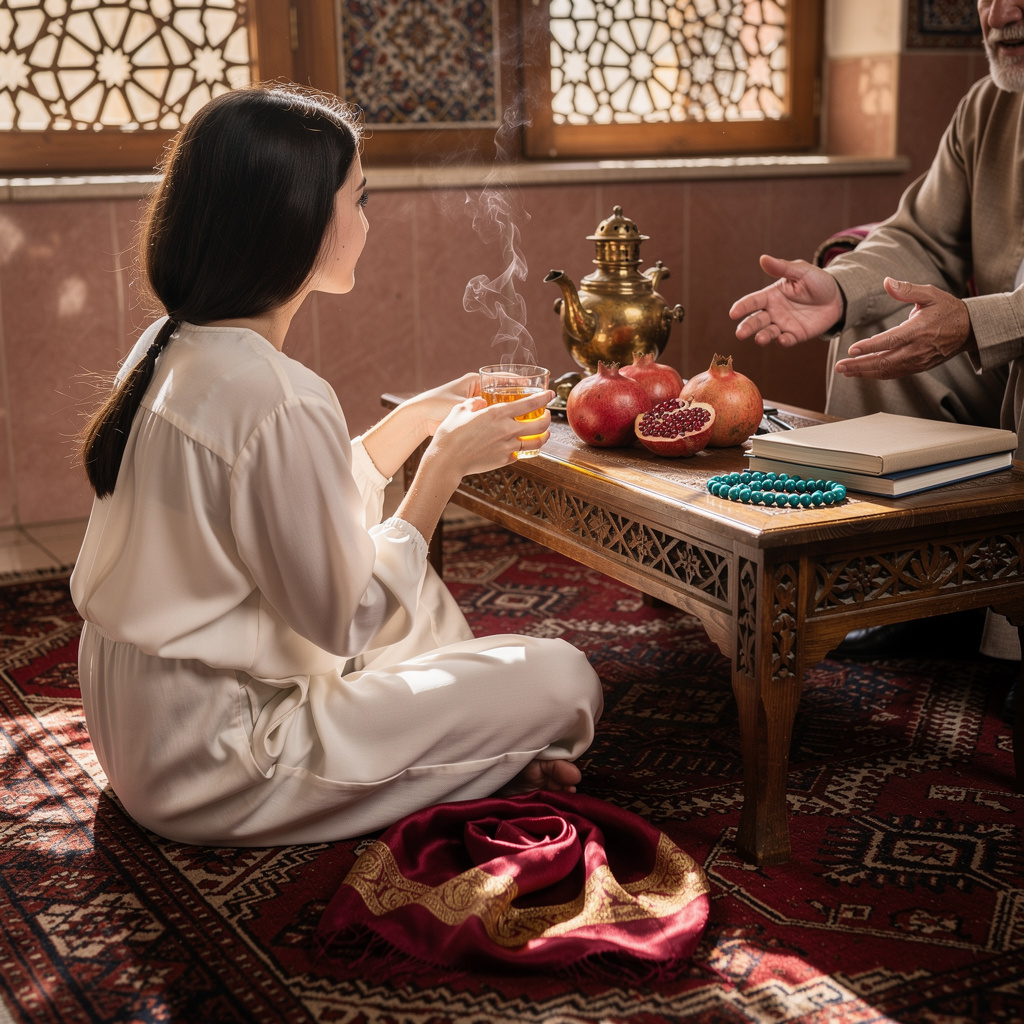
What is Learn Turkish?
Learn Turkish Training
Learn Turkish certificate program is a comprehensive language training designed for absolute beginners and intermediate learners who want to achieve practical fluency in Turkish, covering everything from the alphabet to complex conversational structures. The curriculum begins with the Turkish alphabet, pronunciation, and vowel harmony, then progresses to greetings, introductions, and politeness formulas, followed by numbers, time, dates, and counting. Learners then master nouns, plurals, and the Turkish case system, pronouns, demonstratives, and possession, before moving to adjectives, descriptions, and comparatives. The course builds core grammar through present continuous and simple present tenses, questions, negation, and basic sentence building, then expands into everyday vocabulary for family, food, shopping, and directions. Finally, participants learn past tense and narrating events, future plans and modals of necessity, and connectors for complex sentences, resulting in the practical outcome of confident communication in real-life Turkish situations.
The program is structured as a step-by-step progression that assumes no prior knowledge, introducing each new concept only after the previous one is solidly understood. It balances explicit grammar explanations and vocabulary drills with interactive practice in speaking, listening, reading, and writing, so learners develop all four core skill areas simultaneously. Each lesson combines short theoretical segments with applied exercises, such as role-playing greetings, counting objects, or narrating a past event, ensuring that knowledge translates immediately into usable ability. Someone would choose this program now because Turkish is increasingly valuable for travel, business, and cultural exchange, and this course offers a clear, structured path from zero to conversational fluency without overwhelming jargon.
What is Learn Turkish?
Turkish is a Turkic language spoken primarily in Turkey, Northern Cyprus, and by diaspora communities worldwide, with roughly 80 million native speakers. Its core linguistic features include agglutination, where meaning is built by adding suffixes to a root word, and vowel harmony, which governs how vowels within a word must agree in frontness and roundedness. The language also has a rich case system that marks nouns for roles like accusative, dative, and locative, and it lacks grammatical gender and definite articles. The scope of study covers phonology, morphology, syntax, and pragmatics, from the distinctive undotted 'ı' to complex verb chains that express tense, aspect, and modality.
Turkish matters today because Turkey sits at the crossroads of Europe, the Middle East, and Central Asia, making the language a strategic asset in international trade, energy politics, and diplomacy. In real life, it is used in tourism, hospitality, import-export, journalism, and humanitarian work, while academia values it for Ottoman studies, linguistics, and regional research. Recent shifts include a surge in global interest driven by Turkish television dramas, social media influencers, and the country's growing tech and defense industries. Online platforms and mobile apps have also democratized access, allowing learners worldwide to engage with Turkish without relocating.
Mastering Turkish builds a distinctive skill stack that includes pattern recognition through agglutination, auditory discrimination of vowel harmony, and pragmatic awareness of politeness levels. These skills transfer to other Turkic languages and enhance general cognitive flexibility, memory, and problem-solving. Professionally, Turkish proficiency opens doors in international relations, translation, localization, marketing, and education, while personally it enables deeper travel experiences, family connections, and appreciation of Turkish literature, cinema, and cuisine. The subject also fosters cross-cultural empathy, as learners engage with a society that bridges Eastern and Western traditions.
Common Questions About Learn Turkish
How can a Learn Turkish certificate strengthen my CV for language roles?
Is the Learn Turkish course suitable for complete beginners with no language background?
Why does Turkish vowel harmony change suffixes in so many everyday words?
- Plural -ler/-lar: ev becomes evler, kitap becomes kitaplar.
- Locative -de/-da: evde, but kitapta, where consonant contact also shifts d to t.
- Four-way suffixes: the same ending surfaces as -i, -ı, -u or -ü depending on the stem.
How does the Turkish case system decide who did what to whom?
When should I choose -iyor instead of the simple present in Turkish?
How does question particle placement change focus in Turkish sentences?
Is Turkish really impossible to pronounce because it uses unfamiliar letters?
What Will This Course Bring You?
- Apply Turkish alphabet, pronunciation, and vowel harmony rules to read aloud and spell unfamiliar words with accurate front and back vowel distinctions.
- Construct polite greetings, introductions, and everyday requests using formal and informal address forms for family, shopping, and social interactions.
- Interpret and produce Turkish numbers, clock times, dates, and counting phrases to schedule events and give directions in daily contexts.
- Apply noun plurals and case endings to build phrases that indicate location, direction, possession, and direct objects in simple sentences.
- Use pronouns, demonstratives, and possessive suffixes to identify people, objects, and relationships when describing family and food preferences.
- Form and compare Turkish adjectives to describe people, places, and objects, applying comparative structures in spoken and written descriptions.
- Differentiate and implement present continuous, simple present, and past tenses to describe ongoing actions, habits, and narrated events in Turkish.
- Build negative, interrogative, and complex Turkish sentences using question particles, negation markers, connectors, and modals to discuss future plans and sustain conversations.
Curriculum
12 Units1. Alphabet, Pronunciation, and Vowel Harmony
1 hour
2. Greetings, Introductions, and Politeness
1 hour
3. Numbers, Time, Dates, and Counting
1 hour
4. Nouns, Plurals, and the Turkish Case System
1 hour
5. Pronouns, Demonstratives, and Possession
1 hour
6. Adjectives, Descriptions, and Comparatives
1 hour
7. Present Continuous and Simple Present Tenses
1 hour
8. Questions, Negation, and Basic Sentence Building
1 hour
9. Everyday Vocabulary: Family, Food, Shopping, and Directions
1 hour
10. Past Tense and Narrating Events
1 hour
11. Future, Plans, and Modals of Necessity
1 hour
12. Connectors, Complex Sentences, and Conversational Fluency
1 hour
Exam – Learn Turkish
20 Questions • 70% Pass • 30 min
Unlock All Units for Free
Create an account, enroll in the course, and start with the first unit right away.
Exam – Learn Turkish
20 Questions • Pass: 70% • 30 min
Course Duration
720
Total Minutes
12
Unit
1
Final Exam
~60
Min / Unit
Learn Turkish Certificate Program
Document Your Skill
Those who pass the 20-question, 30-minute exam with 70% receive the Learn Turkish Certificate.
Stand Out on Your CV
By adding your certificate to your CV, gain a professional reference in job applications and stand out from the crowd.
Career Advantage
With the verification code, employers can check your certificate instantly — a concrete way to show your growth.
CERTIFICATE FEE
At the end of the course, an online exam consisting of 20 questions with a 30-minute time limit is given. The exam appears automatically after you complete the topics. Anyone who scores at least 70 out of 100 on the certificate exam is awarded the Learn Turkish Document (certificate of attendance). You can add the certificate you earn to your CV for job applications in the many sectors listed above, and use it as a reference proving that you took this interactive course.
The Certificate of Achievement you receive with the Learn Turkish course program holds value that proves your personal and professional development in the business world. By adding it to your CV, it can serve as an important reference in your job applications. Moreover, compared with certificates from other private training institutions, Catch Wisdom certificates are offered to our participants at a much more affordable price.
The Learn Turkish course certificate is a document that proves, with a unique verification code, that you completed the course. Employers can instantly check its authenticity with this code, which helps you show your development concretely in your job applications.
For more information, we recommend visiting the Support page.
Certificate in 7 Languages
Earning success certificates from our courses is now more meaningful and global. With certificates available in Turkish, English, German, French, Spanish, Arabic, and Russian, we fully unlock the potential of students worldwide.
Why Certificate in 7 Languages?
-
01
Global Skill Development
Receiving your certificates in 7 different languages strengthens your communication skills as you engage with more people worldwide. It lets you operate more confidently and capably on the international stage.
-
02
International Job Opportunities
Employers may see your certificates in multiple languages as a sign of your ability to seize global opportunities. You can open more doors to new jobs and projects.
-
03
Cultural Richness
The chance to earn certificates in different languages helps you build closer ties with various cultures and broadens your worldview. It enriches your global perspective and deepens cultural understanding.
-
04
Ability to Participate in International Projects
Multilingual certificates give you an edge to work more effectively on international projects. They boost your chances of leadership and participation in diverse projects in the business world.
-
05
Prove Yourself on the Global Stage
Certificates in multiple languages give you the opportunity to present your skills and knowledge worldwide.
Language diversity opens worldwide opportunities. If you want to prove yourself in the international arena, join our online Learn Turkish course program and begin this journey with us.
Frequently Asked Questions (FAQ)
Is this course paid?
How do I join the course?
Can I take the course at my own pace?
How can I get my certificate?
What are the advantages of the certificate?
Boost Your Career
Take a new career step with the Learn Turkish course. Add your certificate to your CV, stand out in job applications, and open the door to new opportunities in the industry.
StartStudent Reviews
No reviews yet
Enroll in this course and be the first to leave a review about your experience with Learn Turkish.
Start