What is Machine Vision Quality Inspection?
Machine Vision Quality Inspection Training
The Machine Vision Quality Inspection certificate program delivers a complete, hands-on pathway to mastering automated visual inspection systems used across modern manufacturing. Designed for quality engineers, automation specialists, production technicians, and technical managers, this course bridges the gap between theoretical imaging concepts and real-world deployment. By the end, participants will be equipped to design, configure, and troubleshoot machine vision solutions that reliably detect defects, measure components, and ensure product consistency on the factory floor.
The program follows a carefully structured progression, starting with the fundamentals of machine vision and imaging foundations—covering lighting, optics, and camera selection—before moving into image acquisition, preprocessing, segmentation, and feature extraction. It then advances into classification and decision-making, deep learning for visual inspection, defect detection and localization, and 3D machine vision, culminating in system integration, automation, and validation/calibration. This balance of theory and practical application builds four core skill areas: imaging system design, algorithmic processing, deep learning implementation, and industrial integration. With Industry 4.0 accelerating the demand for zero-defect production and real-time quality control, this training provides the precise technical competence needed to lead digital quality transformation now.
What is Machine Vision Quality Inspection?
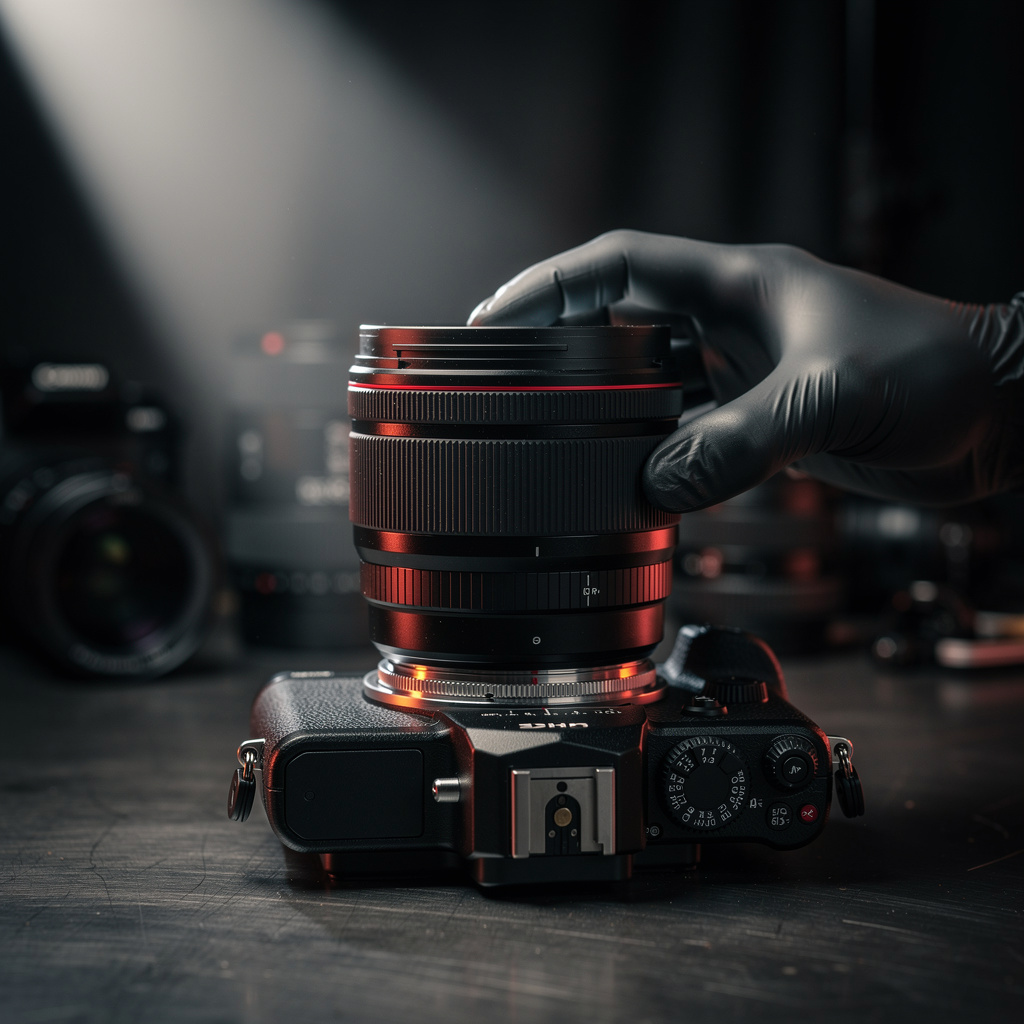
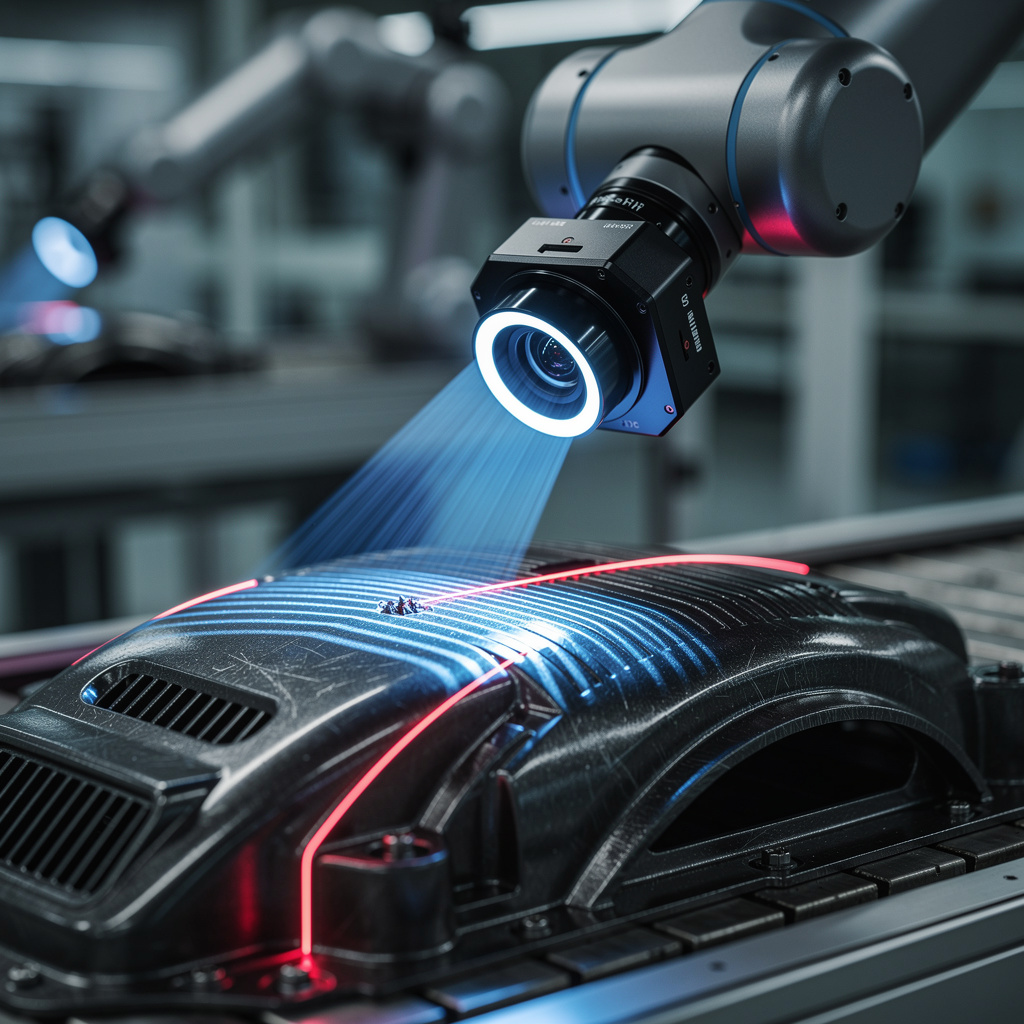
Machine vision quality inspection is the application of computer vision, optics, and image processing to automatically evaluate manufactured products for conformance to specifications. It encompasses the entire pipeline from image acquisition—using cameras, sensors, and controlled lighting—to digital preprocessing, segmentation, feature extraction, and final classification or measurement. Core concepts include pixel-based analysis, pattern recognition, dimensional metrology, and defect characterization, all aimed at replacing or augmenting human visual inspection with faster, more consistent, and often more accurate systems.
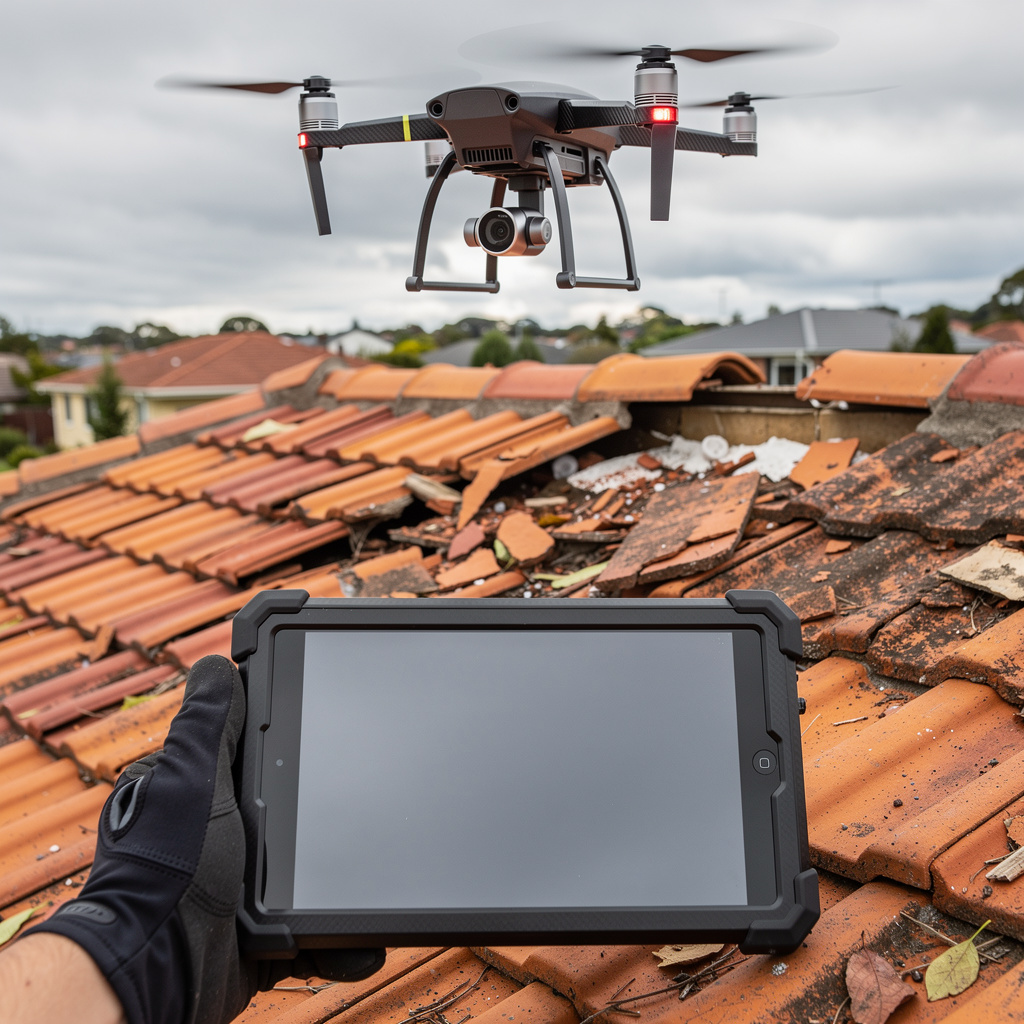
Today, machine vision quality inspection is indispensable in industries such as electronics, automotive, pharmaceuticals, food and beverage, and consumer goods. It enables 100% inline inspection at production speeds, detects microscopic flaws invisible to the human eye, and supports traceability and regulatory compliance. Recent shifts include the integration of deep learning models that learn defect patterns from data, the adoption of 3D vision for height and volume measurements, and the convergence of vision systems with robotic automation and industrial IoT. These advances have made inspection systems more adaptive, scalable, and capable of handling complex, unstructured environments.
Mastering machine vision quality inspection builds a robust skill stack that merges computer vision algorithms, optical engineering, sensor technology, and data-driven decision making. Professionals who understand this subject can design inspection stations, optimize image acquisition parameters, select appropriate algorithms, and validate system performance against quality standards. This expertise is valuable not only for engineers directly building vision systems but also for quality managers overseeing automated processes, researchers developing novel inspection methods, and consultants guiding digital manufacturing transformations. The ability to translate visual information into actionable quality decisions is a critical competency in any production environment striving for excellence.
Common Questions About Machine Vision Quality Inspection
Does the machine vision quality inspection certificate add value to a quality engineer's CV?
Can a beginner with no vision experience start this machine vision inspection training?
Why is lighting direction the first decision in machine vision inspection?
How does the pixel budget turn requirements into resolution in vision systems?
What are the real tradeoffs between CCD and CMOS sensors for quality inspection?
When should you use spatial domain vs frequency domain preprocessing in inspection?
Is it a myth that CCD sensors always beat CMOS for noise in inspection?
What Will This Course Bring You?
- Analyze the fundamental components of a machine vision system and their impact on quality inspection outcomes.
- Design lighting, optics, and camera configurations to optimize image acquisition for specific inspection challenges.
- Evaluate sensor technologies and acquisition parameters to ensure image fidelity and consistency.
- Apply image preprocessing and enhancement techniques to improve feature visibility and reduce noise.
- Implement segmentation and region analysis methods to isolate and characterize defects in acquired images.
- Extract and measure quantitative features from segmented regions to support defect classification.
- Develop classification models, including deep learning approaches, for automated defect detection and decision making.
- Integrate and validate machine vision systems within automated production lines, ensuring calibration and quality assurance.
Curriculum
12 Units1. Fundamentals of Machine Vision for Quality Inspection
1 hour
2. Imaging Foundations: Lighting, Optics, and Camera Selection
1 hour
3. Image Acquisition and Sensor Technologies
1 hour
4. Image Preprocessing and Enhancement
1 hour
5. Image Segmentation and Region Analysis
1 hour
6. Feature Extraction and Measurement
1 hour
7. Classification and Decision Making
1 hour
8. Deep Learning for Visual Inspection
1 hour
9. Defect Detection and Localization
1 hour
10. 3D Machine Vision for Inspection
1 hour
11. System Integration and Automation
1 hour
12. Validation, Calibration, and Quality Assurance
1 hour
Exam – Machine Vision Quality Inspection
20 Questions • 70% Pass • 30 min
Unlock All Units for Free
Create an account, enroll in the course, and start with the first unit right away.
Exam – Machine Vision Quality Inspection
20 Questions • Pass: 70% • 30 min
Course Duration
720
Total Minutes
12
Unit
1
Final Exam
~60
Min / Unit
Machine Vision Quality Inspection Certificate Program
Document Your Skill
Those who pass the 20-question, 30-minute exam with 70% receive the Machine Vision Quality Inspection Certificate.
Stand Out on Your CV
By adding your certificate to your CV, gain a professional reference in job applications and stand out from the crowd.
Career Advantage
Catch Wisdom certificates are recognized by HR departments and increase career opportunities.
CERTIFICATE FEE
At the end of the course, an online exam consisting of 20 questions with a 30-minute time limit is given. The exam appears automatically after you complete the topics. Anyone who scores at least 70 out of 100 on the certificate exam is awarded the Machine Vision Quality Inspection Document (certificate of attendance). You can add the certificate you earn to your CV for job applications in the many sectors listed above, and use it as a reference proving that you took this interactive course.
The Certificate of Achievement you receive with the Machine Vision Quality Inspection course program holds value that proves your personal and professional development in the business world. By adding it to your CV, it can serve as an important reference in your job applications. Moreover, compared with certificates from other private training institutions, Catch Wisdom certificates are offered to our participants at a much more affordable price.
Because HR departments recognize Catch Wisdom as a reputable institution in this field, they value these certificates and may evaluate your job applications favorably. For this reason, a Machine Vision Quality Inspection course certificate from Catch Wisdom can make your applications more attractive and place you in an advantageous position in the business world.
For more information, we recommend visiting the Support page.
Certificate in 7 Languages
Earning success certificates from our courses is now more meaningful and global. With certificates available in Turkish, English, German, French, Spanish, Arabic, and Russian, we fully unlock the potential of students worldwide.
Why Certificate in 7 Languages?
-
01
Global Skill Development
Receiving your certificates in 7 different languages strengthens your communication skills as you engage with more people worldwide. It lets you operate more confidently and capably on the international stage.
-
02
International Job Opportunities
Employers may see your certificates in multiple languages as a sign of your ability to seize global opportunities. You can open more doors to new jobs and projects.
-
03
Cultural Richness
The chance to earn certificates in different languages helps you build closer ties with various cultures and broadens your worldview. It enriches your global perspective and deepens cultural understanding.
-
04
Ability to Participate in International Projects
Multilingual certificates give you an edge to work more effectively on international projects. They boost your chances of leadership and participation in diverse projects in the business world.
-
05
Prove Yourself on the Global Stage
Certificates in multiple languages let you showcase your skills and knowledge worldwide. You can become an internationally recognized professional.
Language diversity opens worldwide opportunities. If you want to prove yourself in the international arena, join our online Machine Vision Quality Inspection course program and begin this journey with us.
Frequently Asked Questions (FAQ)
Is this course paid?
How do I join the course?
Can I take the course at my own pace?
How can I get my certificate?
What are the advantages of the Certified Certificate?
Boost Your Career
Take a new career step with the Machine Vision Quality Inspection course. Add your certificate to your CV, stand out in job applications, and open the door to new opportunities in the industry.
StartStudent Reviews
No reviews yet
Enroll in this course and be the first to leave a review about your experience with Machine Vision Quality Inspection.
Start