What is Media Training for Spokespeople?
Media Training for Spokespeople Training Program
The Media Training for Spokespeople certificate program equips current and aspiring spokespeople with the communication skills needed to represent organizations confidently across broadcast, print, and digital media. This course is designed for PR professionals, executives, subject-matter experts, and anyone who may be called upon to speak to the press. By the end of the program, participants will be able to deliver clear, controlled, and persuasive interviews while maintaining their composure under pressure. The curriculum moves from foundational concepts like the media landscape and message crafting to advanced techniques such as pivoting, flagging, and bridging.
The program is structured as a beginner-friendly progression that balances theoretical knowledge with hands-on practice through media training simulations and role-playing exercises. It builds four core skill areas: message development, verbal and non-verbal delivery, crisis communication, and long-term media relationship management. With lessons covering everything from interview formats and difficult questions to social media presence and personal action planning, this training prepares spokespeople for the realities of today's fast-paced media environment. Choosing this program now ensures you are ready to represent your organization with authority and poise in an era of constant media scrutiny.
What is Media Training for Spokespeople?
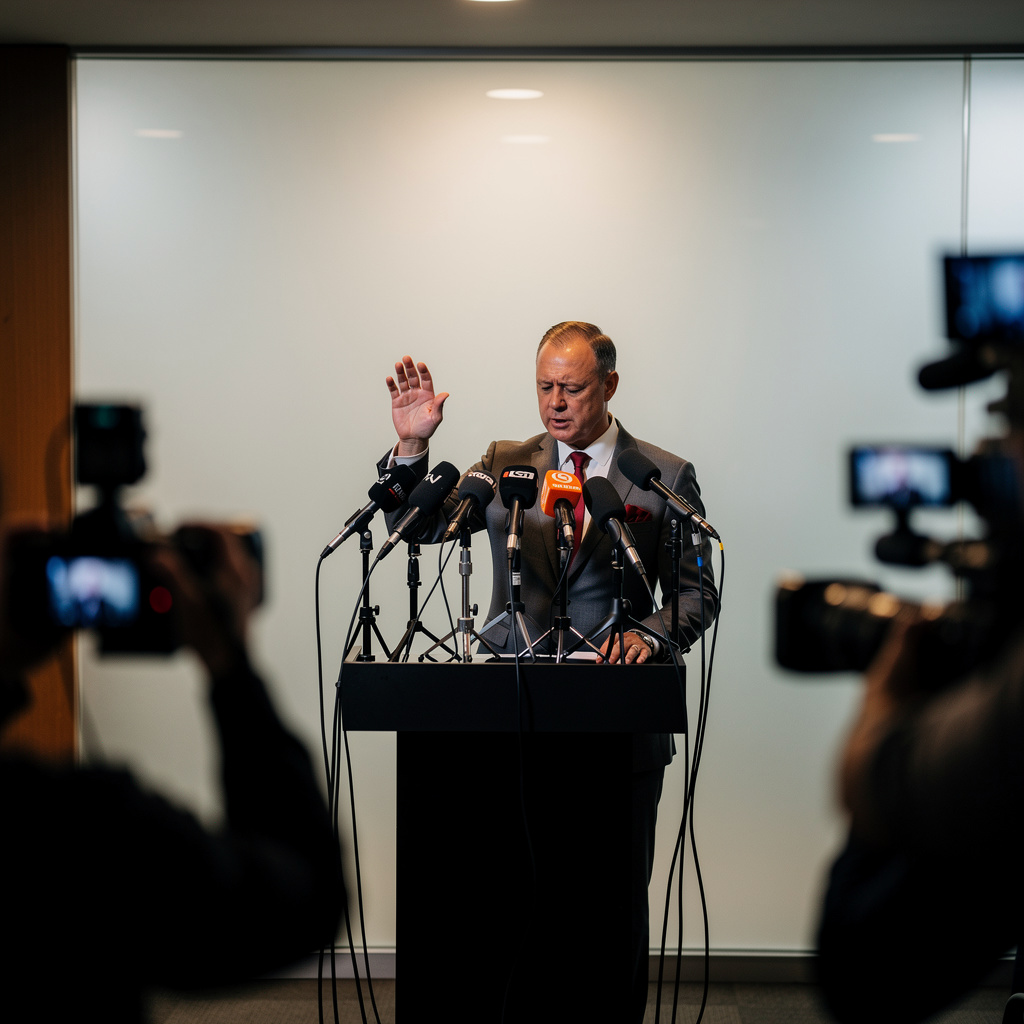
Media training for spokespeople is the discipline of preparing individuals to communicate effectively with journalists, broadcasters, and digital audiences on behalf of an organization. It encompasses the strategic development of key messages, the mastery of interview techniques, and the cultivation of a professional on-camera presence. Core concepts include message discipline, audience analysis, verbal and non-verbal communication, and the ability to navigate hostile or unexpected questions. The field also covers crisis communication, where a spokesperson must protect an organization's reputation while providing timely and accurate information.
In today's media environment, where news cycles are instantaneous and social media amplifies every statement, the role of a trained spokesperson has never been more critical. Organizations across corporate, governmental, non-profit, and academic sectors rely on skilled spokespeople to manage their public image and communicate complex information clearly. The rise of digital platforms has expanded the scope of media training to include podcast appearances, live-streamed interviews, and social media engagement, requiring spokespeople to adapt their techniques to new formats. Recent shifts toward remote interviews and virtual press conferences have further underscored the need for structured preparation and adaptability.
Mastering the subject of media training builds a versatile skill stack that includes strategic message framing, vocal control, body language awareness, and rapid critical thinking under pressure. These competencies are invaluable not only for designated spokespeople but also for executives, entrepreneurs, and team leaders who interact with the press or public audiences. Professionals who develop these skills gain greater confidence in high-stakes conversations, improved ability to influence public perception, and a stronger capacity to manage reputational challenges. Whether in a formal spokesperson role or in a broader leadership context, the knowledge gained from this subject directly enhances professional credibility and communication effectiveness.
Common Questions About Media Training for Spokespeople
Does the media training for spokespeople certificate boost my PR resume?
Can a complete beginner start this spokesperson media training course?
How do I build a Message House for my interview key messages?
What is the difference between down-the-line and studio interviews?
How can the 4Ps of verbal delivery fix a monotone voice?
How does bridging help control difficult questions in media interviews?
Is media training for spokespeople only for celebrities and politicians?
What Will This Course Bring You?
- Analyze the evolving media landscape to define the spokesperson's role and responsibilities.
- Design a set of key messages that align with organizational goals and resonate with target audiences.
- Apply verbal delivery techniques to control pace, tone, and language for effective media interviews.
- Evaluate non-verbal cues to project credibility and manage appearance during on-camera appearances.
- Implement strategies for handling difficult questions and maintaining control in high-pressure interviews.
- Build a crisis communication plan that integrates media relations tactics for rapid response.
- Utilize social media and digital platforms to extend spokesperson reach and manage online reputation.
- Demonstrate advanced interview techniques such as pivoting, flagging, and bridging to steer conversations.
Curriculum
12 Units1. The Media Landscape and the Spokesperson's Role
1 hour
2. Crafting Key Messages
1 hour
3. Interview Formats and Preparation
1 hour
4. Verbal Delivery: Voice, Pace, and Language
1 hour
5. Non-Verbal Communication: Body Language and Appearance
1 hour
6. Handling Difficult Questions and Staying in Control
1 hour
7. Crisis Communication and Media Relations
1 hour
8. Social Media and Digital Media for Spokespeople
1 hour
9. Media Training Simulations and Role-Playing
1 hour
10. Advanced Interview Techniques: Pivoting, Flagging, and Bridging
1 hour
11. Building a Long-Term Media Strategy and Relationship Management
1 hour
12. Final Assessment and Personal Action Plan
1 hour
Exam – Media Training for Spokespeople
20 Questions • 70% Pass • 30 min
Unlock All Units for Free
Create an account, enroll in the course, and start with the first unit right away.
Exam – Media Training for Spokespeople
20 Questions • Pass: 70% • 30 min
Course Duration
720
Total Minutes
12
Unit
1
Final Exam
~60
Min / Unit
Media Training for Spokespeople Certificate Program
Document Your Skill
Those who pass the 20-question, 30-minute exam with 70% receive the Media Training for Spokespeople Certificate.
Stand Out on Your CV
By adding your certificate to your CV, gain a professional reference in job applications and stand out from the crowd.
Career Advantage
Catch Wisdom certificates are recognized by HR departments and increase career opportunities.
CERTIFICATE FEE
At the end of the course, an online exam consisting of 20 questions with a 30-minute time limit is given. The exam appears automatically after you complete the topics. Anyone who scores at least 70 out of 100 on the certificate exam is awarded the Media Training for Spokespeople Document (certificate of attendance). You can add the certificate you earn to your CV for job applications in the many sectors listed above, and use it as a reference proving that you took this interactive course.
The Certificate of Achievement you receive with the Media Training for Spokespeople course program holds value that proves your personal and professional development in the business world. By adding it to your CV, it can serve as an important reference in your job applications. Moreover, compared with certificates from other private training institutions, Catch Wisdom certificates are offered to our participants at a much more affordable price.
Because HR departments recognize Catch Wisdom as a reputable institution in this field, they value these certificates and may evaluate your job applications favorably. For this reason, a Media Training for Spokespeople course certificate from Catch Wisdom can make your applications more attractive and place you in an advantageous position in the business world.
For more information, we recommend visiting the Support page.
Certificate in 7 Languages
Earning success certificates from our courses is now more meaningful and global. With certificates available in Turkish, English, German, French, Spanish, Arabic, and Russian, we fully unlock the potential of students worldwide.
Why Certificate in 7 Languages?
-
01
Global Skill Development
Receiving your certificates in 7 different languages strengthens your communication skills as you engage with more people worldwide. It lets you operate more confidently and capably on the international stage.
-
02
International Job Opportunities
Employers may see your certificates in multiple languages as a sign of your ability to seize global opportunities. You can open more doors to new jobs and projects.
-
03
Cultural Richness
The chance to earn certificates in different languages helps you build closer ties with various cultures and broadens your worldview. It enriches your global perspective and deepens cultural understanding.
-
04
Ability to Participate in International Projects
Multilingual certificates give you an edge to work more effectively on international projects. They boost your chances of leadership and participation in diverse projects in the business world.
-
05
Prove Yourself on the Global Stage
Certificates in multiple languages let you showcase your skills and knowledge worldwide. You can become an internationally recognized professional.
Language diversity opens worldwide opportunities. If you want to prove yourself in the international arena, join our online Media Training for Spokespeople course program and begin this journey with us.
Frequently Asked Questions (FAQ)
Is this course paid?
How do I join the course?
Can I take the course at my own pace?
How can I get my certificate?
What are the advantages of the Certified Certificate?
Boost Your Career
Take a new career step with the Media Training for Spokespeople course. Add your certificate to your CV, stand out in job applications, and open the door to new opportunities in the industry.
StartStudent Reviews
No reviews yet
Enroll in this course and be the first to leave a review about your experience with Media Training for Spokespeople.
Start