What is Multicamera Synchronization Techniques?
Multicamera Synchronization Techniques Training
The Multicamera Synchronization Techniques certificate program teaches you how to achieve frame-accurate alignment across multiple cameras using timecode, genlock, and network-based methods. This course is designed for video engineers, live production professionals, cinematographers, and post-production editors who need to eliminate drift and sync errors in multi-camera shoots. The main practical outcome is the ability to confidently design, set up, and troubleshoot any multi-camera synchronization workflow, from small prosumer rigs to high-end cinema productions.
The program is structured to be beginner-friendly, starting with the fundamentals of timecode and sync reference before progressing through hardware, wireless, and network-based solutions. It balances theory with hands-on techniques across four core skill areas: mastering timecode protocols and standards, configuring genlock and black burst, implementing wireless and network sync, and troubleshooting real-world issues. Choosing this program now is essential as multi-camera productions become the norm in live events, streaming, and filmmaking, and as new technologies like NTP and PTP reshape synchronization workflows.
What is Multicamera Synchronization Techniques?
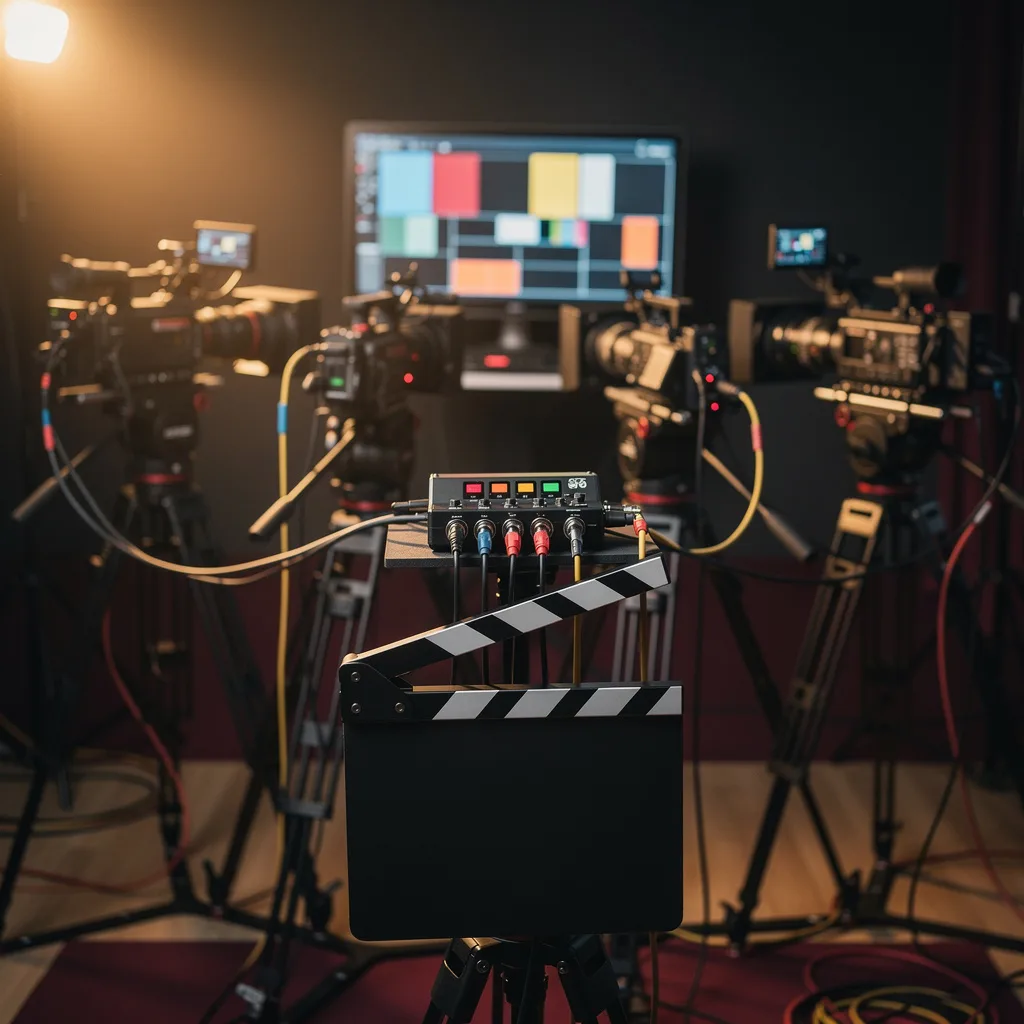
Multicamera synchronization techniques encompass the methods and technologies used to ensure that all cameras in a multi-camera setup record or output frames at precisely the same moment. Core concepts include timecode (LTC, VITC, and embedded timecode), genlock (black burst and tri-level sync), and reference signals that lock cameras to a common clock. The scope ranges from simple jam-sync workflows for small productions to sophisticated network-based synchronization using Precision Time Protocol (PTP) for large-scale live broadcasts and virtual production stages.
Today, synchronization is more critical than ever as productions increasingly rely on multi-camera arrays for live streaming, reality TV, sports broadcasts, and cinematic multi-cam shoots. The shift toward IP-based workflows and remote production has made robust sync solutions a necessity, with standards like SMPTE ST 2110 and AES67 demanding sub-frame accuracy. Without proper sync, editors face hours of manual alignment, and live directors see visible frame jumps, making this subject a cornerstone of modern media production.
Mastering this subject builds a skill stack that includes timecode literacy, signal routing expertise, and the ability to diagnose sync issues across analog and digital systems. Professionals in live event production, broadcast engineering, post-production, and cinema benefit directly, as do independent filmmakers who need to sync multiple cameras without a dedicated crew. The knowledge bridges technical theory and practical application, enabling learners to confidently handle everything from a two-camera interview to a 20-camera live concert.
Common Questions About Multicamera Synchronization Techniques
What are multicamera synchronization techniques?
How to synchronize multiple cameras?
- Timecode: Generate a master timecode signal and feed it to each camera via cable or wireless transmitter.
- Genlock: Distribute a black burst or tri-level sync signal to all cameras to lock their scanning.
- Network: Use Precision Time Protocol (PTP) over Ethernet to align clocks.
Can I learn multicamera sync online?
How long does it take to learn sync techniques?
What equipment is needed for camera sync?
Is this course suitable for beginners?
What Will This Course Bring You?
- Analyze timecode and sync reference fundamentals to establish a common clock across multiple cameras.
- Design a cabling infrastructure for distributing genlock and black burst signals in a multi-camera setup.
- Evaluate different timecode protocols and standards to select the appropriate one for a given production workflow.
- Implement wireless synchronization methods to maintain sync across untethered cameras in a live production.
- Configure network-based synchronization using NTP or PTP for multi-camera systems in a studio environment.
- Troubleshoot common sync issues in post-production by analyzing timecode drift and audio/video misalignment.
- Apply advanced synchronization techniques for cinema and high-end multi-camera productions, including jam sync and timecode slating.
- Evaluate consumer and prosumer multi-camera sync solutions, identifying their limitations and appropriate use cases.
Curriculum
12 Units1. Fundamentals of Timecode and Sync Reference
1 hour
2. Synchronization Hardware and Cabling
1 hour
3. Genlock and Black Burst
1 hour
4. Timecode Protocols and Standards
1 hour
5. Wireless Synchronization Methods
1 hour
6. Network-Based Synchronization
1 hour
7. Synchronization in Live Production
1 hour
8. Post-Production Sync Workflows
1 hour
9. Multi-Camera Sync for Cinema and High-End Production
1 hour
10. Consumer and Prosumer Multi-Camera Sync
1 hour
11. Troubleshooting Sync Issues
1 hour
12. Advanced Techniques and Future Trends
1 hour
Exam – Multicamera Synchronization Techniques
20 Questions • 70% Pass • 30 min
Unlock All Units for Free
Create an account, enroll in the course, and start with the first unit right away.
Exam – Multicamera Synchronization Techniques
20 Questions • Pass: 70% • 30 min
Course Duration
720
Total Minutes
12
Unit
1
Final Exam
~60
Min / Unit
Multicamera Synchronization Techniques Certificate Program
Document Your Skill
Those who pass the 20-question, 30-minute exam with 70% receive the Multicamera Synchronization Techniques Certificate.
Stand Out on Your CV
By adding your certificate to your CV, gain a professional reference in job applications and stand out from the crowd.
Career Advantage
With the verification code, employers can check your certificate instantly — a concrete way to show your growth.
CERTIFICATE FEE
At the end of the course, an online exam consisting of 20 questions with a 30-minute time limit is given. The exam appears automatically after you complete the topics. Anyone who scores at least 70 out of 100 on the certificate exam is awarded the Multicamera Synchronization Techniques Document (certificate of attendance). You can add the certificate you earn to your CV for job applications in the many sectors listed above, and use it as a reference proving that you took this interactive course.
The Certificate of Achievement you receive with the Multicamera Synchronization Techniques course program holds value that proves your personal and professional development in the business world. By adding it to your CV, it can serve as an important reference in your job applications. Moreover, compared with certificates from other private training institutions, Catch Wisdom certificates are offered to our participants at a much more affordable price.
The Multicamera Synchronization Techniques course certificate is a document that proves, with a unique verification code, that you completed the course. Employers can instantly check its authenticity with this code, which helps you show your development concretely in your job applications.
For more information, we recommend visiting the Support page.
Certificate in 7 Languages
Earning success certificates from our courses is now more meaningful and global. With certificates available in Turkish, English, German, French, Spanish, Arabic, and Russian, we fully unlock the potential of students worldwide.
Why Certificate in 7 Languages?
-
01
Global Skill Development
Receiving your certificates in 7 different languages strengthens your communication skills as you engage with more people worldwide. It lets you operate more confidently and capably on the international stage.
-
02
International Job Opportunities
Employers may see your certificates in multiple languages as a sign of your ability to seize global opportunities. You can open more doors to new jobs and projects.
-
03
Cultural Richness
The chance to earn certificates in different languages helps you build closer ties with various cultures and broadens your worldview. It enriches your global perspective and deepens cultural understanding.
-
04
Ability to Participate in International Projects
Multilingual certificates give you an edge to work more effectively on international projects. They boost your chances of leadership and participation in diverse projects in the business world.
-
05
Prove Yourself on the Global Stage
Certificates in multiple languages give you the opportunity to present your skills and knowledge worldwide.
Language diversity opens worldwide opportunities. If you want to prove yourself in the international arena, join our online Multicamera Synchronization Techniques course program and begin this journey with us.
Frequently Asked Questions (FAQ)
Is this course paid?
How do I join the course?
Can I take the course at my own pace?
How can I get my certificate?
What are the advantages of the certificate?
Boost Your Career
Take a new career step with the Multicamera Synchronization Techniques course. Add your certificate to your CV, stand out in job applications, and open the door to new opportunities in the industry.
StartStudent Reviews
No reviews yet
Enroll in this course and be the first to leave a review about your experience with Multicamera Synchronization Techniques.
Start