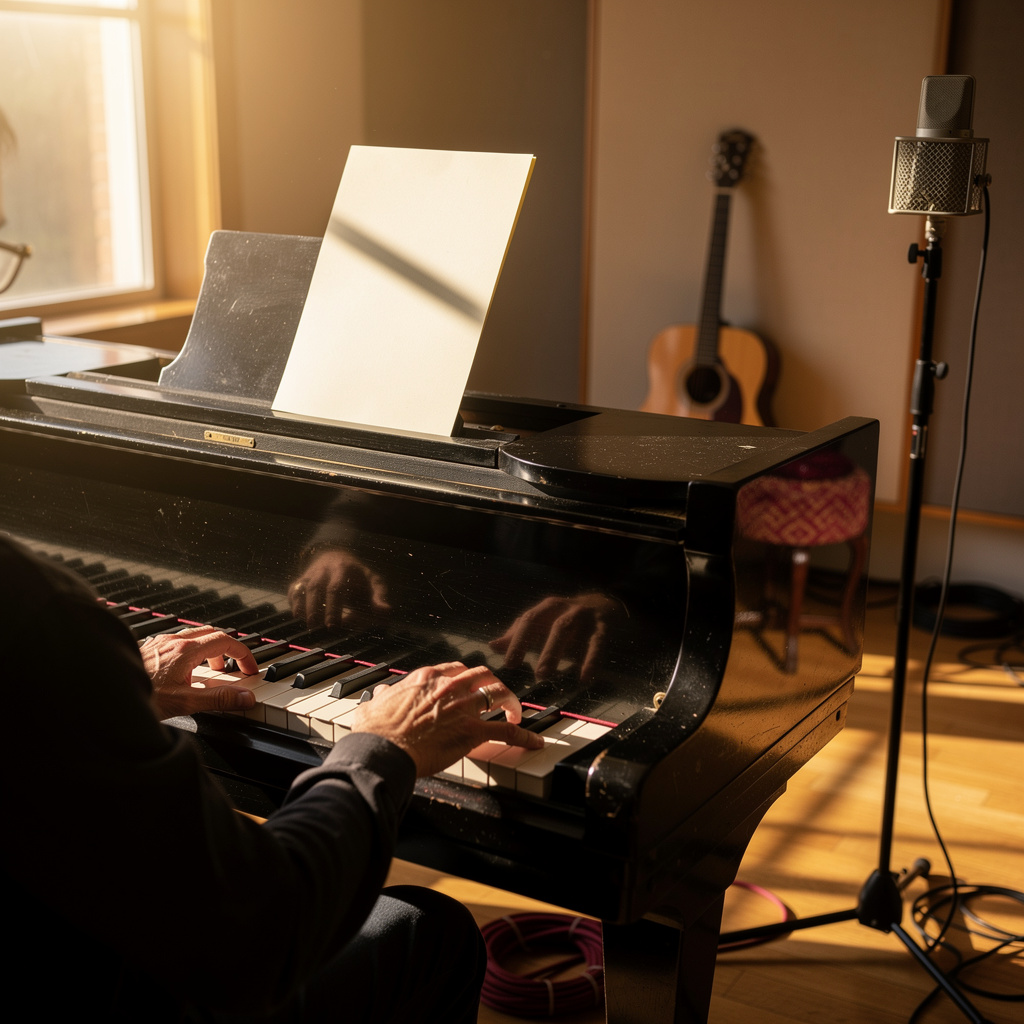
What is Opening a Music Teaching Studio?
Opening a Music Teaching Studio Training
The Opening a Music Teaching Studio certificate program is a comprehensive, step-by-step training designed for musicians, educators, and entrepreneurs who want to turn their passion for teaching music into a thriving, sustainable business. This program covers everything from defining your studio vision and niche to creating a business plan, navigating legal structures and licensing, and setting up your physical space and equipment. It is ideal for private music teachers, conservatory graduates, and career changers who want to launch a professional studio with confidence. By the end, you will have a complete, actionable roadmap to open your doors, enroll your first students, and operate with clear policies and financial stability.
The curriculum is structured as a beginner-friendly progression, moving from foundational business planning through hands-on operational tasks like budgeting, pricing, and studio setup, then into advanced areas such as branding, marketing, and enrollment. It balances theory with practical exercises, building four core skill areas: business acumen, pedagogical design, marketing and communication, and operational management. With the music education market growing and more families seeking personalized instruction, now is the perfect time to formalize your teaching practice into a professional studio.
What is Opening a Music Teaching Studio?
Opening a music teaching studio is the process of establishing a dedicated business for providing music lessons, whether in a home-based space, a rented facility, or an online platform. It encompasses the full lifecycle of a studio, from initial concept and market positioning to daily operations, student retention, and long-term growth. Core concepts include defining a unique teaching niche, creating a sustainable business model, managing legal and financial structures, and designing a curriculum that meets student needs.
In today's gig economy, many skilled musicians are seeking reliable income streams beyond performance, and teaching offers a stable, fulfilling career path. The demand for music education has shifted toward personalized, flexible learning, with parents and adult learners looking for studios that offer clear value, professional policies, and engaging lesson experiences. Recent trends like hybrid (in-person and online) teaching and the rise of music technology have made it easier than ever to launch a studio, but also require a solid understanding of modern marketing and operational tools.
Mastering the subject of opening a music teaching studio builds a versatile skill stack that combines entrepreneurial thinking with pedagogical expertise. You will develop the ability to create a business plan, set competitive pricing, design a welcoming studio environment, and implement effective teaching methods that retain students. This knowledge benefits not only those who want to run their own studio but also music school administrators, freelance teachers, and even established educators looking to expand their practice. The outcome is a professional, profitable, and personally rewarding teaching business.
Common Questions About Opening a Music Teaching Studio
Does the music teaching studio certificate boost my CV for job applications?
Can a complete beginner start a music studio with this training?
How do I create a vision statement for my music studio niche?
What's the difference between LLC and DBA for a music studio?
- LLC: Protects your personal assets from business debts, offers tax flexibility, and requires more paperwork and fees.
- DBA: Simply registers your studio's name, doesn't create a separate entity, and is cheaper and easier to set up.
How should I price my music lessons based on a business plan?
How do I design a curriculum with SMART goals for my students?
Is it a myth that you need a separate studio space to teach music?
What Will This Course Bring You?
- Define a unique studio vision and niche by analyzing local market demand and personal teaching strengths.
- Construct a comprehensive business plan that outlines financial projections, marketing strategies, and operational goals.
- Evaluate legal structures and licensing requirements to select the appropriate business entity for a music studio.
- Design a pricing model and budget that ensures profitability while remaining competitive in the local music education market.
- Select and arrange studio space and equipment to create an optimal teaching environment that supports various lesson formats.
- Develop a curriculum framework that aligns with student goals and incorporates diverse musical styles and pedagogical methods.
- Implement a branding and marketing plan that effectively communicates the studio's unique value proposition to target audiences.
- Create onboarding and enrollment procedures that streamline student intake and establish clear studio policies for smooth operations.
Curriculum
12 Units1. Defining Your Studio Vision and Niche
1 hour
2. Creating a Business Plan
1 hour
3. Legal Structures and Licensing
1 hour
4. Budgeting and Pricing
1 hour
5. Studio Space and Setup
1 hour
6. Equipment and Technology Essentials
1 hour
7. Curriculum and Lesson Design
1 hour
8. Branding and Marketing
1 hour
9. Enrollment and Onboarding
1 hour
10. Studio Policies and Operations
1 hour
11. Teaching Excellence and Retention
1 hour
12. Growth and Expansion
1 hour
Exam – Opening a Music Teaching Studio
20 Questions • 70% Pass • 30 min
Unlock All Units for Free
Create an account, enroll in the course, and start with the first unit right away.
Exam – Opening a Music Teaching Studio
20 Questions • Pass: 70% • 30 min
Course Duration
720
Total Minutes
12
Unit
1
Final Exam
~60
Min / Unit
Opening a Music Teaching Studio Certificate Program
Document Your Skill
Those who pass the 20-question, 30-minute exam with 70% receive the Opening a Music Teaching Studio Certificate.
Stand Out on Your CV
By adding your certificate to your CV, gain a professional reference in job applications and stand out from the crowd.
Career Advantage
Catch Wisdom certificates are recognized by HR departments and increase career opportunities.
CERTIFICATE FEE
At the end of the course, an online exam consisting of 20 questions with a 30-minute time limit is given. The exam appears automatically after you complete the topics. Anyone who scores at least 70 out of 100 on the certificate exam is awarded the Opening a Music Teaching Studio Document (certificate of attendance). You can add the certificate you earn to your CV for job applications in the many sectors listed above, and use it as a reference proving that you took this interactive course.
The Certificate of Achievement you receive with the Opening a Music Teaching Studio course program holds value that proves your personal and professional development in the business world. By adding it to your CV, it can serve as an important reference in your job applications. Moreover, compared with certificates from other private training institutions, Catch Wisdom certificates are offered to our participants at a much more affordable price.
Because HR departments recognize Catch Wisdom as a reputable institution in this field, they value these certificates and may evaluate your job applications favorably. For this reason, a Opening a Music Teaching Studio course certificate from Catch Wisdom can make your applications more attractive and place you in an advantageous position in the business world.
For more information, we recommend visiting the Support page.
Certificate in 7 Languages
Earning success certificates from our courses is now more meaningful and global. With certificates available in Turkish, English, German, French, Spanish, Arabic, and Russian, we fully unlock the potential of students worldwide.
Why Certificate in 7 Languages?
-
01
Global Skill Development
Receiving your certificates in 7 different languages strengthens your communication skills as you engage with more people worldwide. It lets you operate more confidently and capably on the international stage.
-
02
International Job Opportunities
Employers may see your certificates in multiple languages as a sign of your ability to seize global opportunities. You can open more doors to new jobs and projects.
-
03
Cultural Richness
The chance to earn certificates in different languages helps you build closer ties with various cultures and broadens your worldview. It enriches your global perspective and deepens cultural understanding.
-
04
Ability to Participate in International Projects
Multilingual certificates give you an edge to work more effectively on international projects. They boost your chances of leadership and participation in diverse projects in the business world.
-
05
Prove Yourself on the Global Stage
Certificates in multiple languages let you showcase your skills and knowledge worldwide. You can become an internationally recognized professional.
Language diversity opens worldwide opportunities. If you want to prove yourself in the international arena, join our online Opening a Music Teaching Studio course program and begin this journey with us.
Frequently Asked Questions (FAQ)
Is this course paid?
How do I join the course?
Can I take the course at my own pace?
How can I get my certificate?
What are the advantages of the Certified Certificate?
Boost Your Career
Take a new career step with the Opening a Music Teaching Studio course. Add your certificate to your CV, stand out in job applications, and open the door to new opportunities in the industry.
StartStudent Reviews
No reviews yet
Enroll in this course and be the first to leave a review about your experience with Opening a Music Teaching Studio.
Start