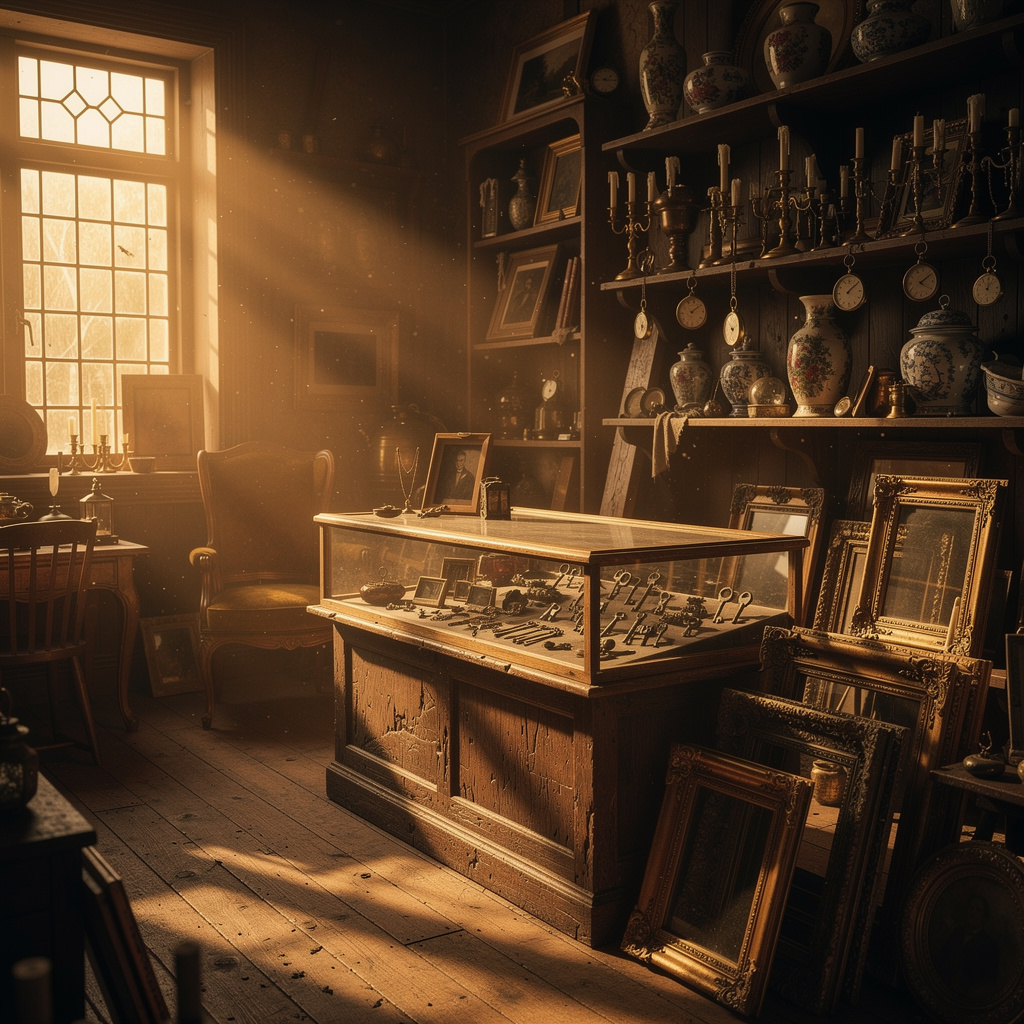
What is Opening an Antique Shop?
Opening an Antique Shop Training
The Opening an Antique Shop certificate program is a comprehensive, hands-on course that takes you from the initial spark of an idea to a fully operational antique business. It is designed for aspiring entrepreneurs, collectors, and career changers who want to turn their passion for antiques into a profitable venture. By the end of the program, you will have a complete business plan, a sourcing strategy, and a practical roadmap for opening your own shop, whether physical, online, or both.
The program is structured as a beginner-friendly progression that balances theoretical knowledge with real-world application. You will build core skills in market analysis, legal compliance, inventory sourcing, authentication, pricing, and customer experience, drawing directly from lessons on niche selection, estate sales, appraisal techniques, and e-commerce integration. With the antique trade experiencing a resurgence among younger collectors and digital buyers, this training gives you the timely expertise to enter a market that rewards both traditional craftsmanship and modern marketing savvy.
What is Opening an Antique Shop?
Opening an antique shop is the process of establishing a retail business that buys, sells, and often appraises items of historical, cultural, or aesthetic value. It encompasses everything from selecting a niche—such as vintage furniture, jewelry, or mid-century decor—to managing the legal and financial frameworks of a small enterprise. Core concepts include sourcing inventory through auctions and estate sales, authenticating items to ensure provenance, and pricing based on condition, rarity, and market demand.
Today, the antique industry is more relevant than ever, driven by a growing interest in sustainable consumption and unique, handcrafted goods. While traditional brick-and-mortar shops remain important, the rise of online marketplaces and social media has expanded the reach of antique dealers, allowing them to connect with global audiences. Recent shifts include the digitization of catalogs, the use of AI for authentication, and a renewed appreciation for vintage items as investments, making this a dynamic field for both seasoned professionals and newcomers.
Mastering the subject of opening an antique shop builds a versatile skill stack that includes business planning, negotiation, visual merchandising, and digital marketing. These competencies are valuable not only for running an antique store but also for careers in auction houses, museums, interior design, and e-commerce. For personal contexts, it empowers collectors to monetize their knowledge and curate spaces with historical depth, while professionally, it positions you as a trusted expert in a niche that thrives on storytelling and authenticity.
Common Questions About Opening an Antique Shop
Can I start an antique shop with zero experience after this course?
Is the course format self-paced for working professionals?
How do I use the 3x markup rule for pricing antiques?
What is the six-step authentication workflow for antiques?
- Provenance review: trace the item's ownership history and documented background.
- Material and construction analysis: examine materials, joinery, tool marks, and manufacturing techniques.
- Style and period assessment: compare the piece against known period characteristics and regional styles.
- Maker's marks and signatures: identify hallmarks, stamps, or signatures and verify them against reference databases.
- Condition and wear patterns: check whether wear is consistent with the claimed age and use.
- Expert consultation: seek a second opinion from a specialist when the evidence is inconclusive.
How do I choose a niche in the antique market?
What are the three auction styles for sourcing inventory?
- Live in-room auctions: traditional saleroom bidding where you compete in real time against other buyers in the room.
- Online auctions: digital platforms with timed or real-time bidding, giving you access to a much wider geographic range of inventory.
- Sealed-bid or absentee auctions: you submit a confidential bid in advance, and the highest offer wins without live competition.
Is casual authentication enough to avoid the 30% problem in antiques?
What Will This Course Bring You?
- Analyze the antique market to select a profitable niche based on demand and competition.
- Design a comprehensive business plan including startup costs, revenue projections, and operational strategies.
- Apply legal and regulatory requirements for licensing, sales tax, and consumer protection in antique retail.
- Implement effective sourcing strategies using auctions, estate sales, and professional networks to acquire inventory.
- Evaluate authentication techniques and appraisal methods to determine the age, origin, and value of antiques.
- Develop pricing strategies that balance market value, condition, and profit margins for antique items.
- Build a physical shop layout that enhances customer experience and showcases merchandise effectively.
- Implement inventory management and record-keeping systems to track items, provenance, and sales data.
Curriculum
12 Units1. The Antique Market and Niche Selection
1 hour
2. Business Planning for an Antique Shop
1 hour
3. Legal and Regulatory Essentials
1 hour
4. Sourcing Inventory: Auctions, Estate Sales, and Networks
1 hour
5. Authentication and Appraisal
1 hour
6. Pricing Strategies for Antiques
1 hour
7. Setting Up the Physical Shop
1 hour
8. Inventory Management and Record Keeping
1 hour
9. Marketing and Branding for an Antique Shop
1 hour
10. Sales and Customer Service
1 hour
11. Online and E-commerce for Antiques
1 hour
12. Financial Management and Growth
1 hour
Exam – Opening an Antique Shop
20 Questions • 70% Pass • 30 min
Unlock All Units for Free
Create an account, enroll in the course, and start with the first unit right away.
Exam – Opening an Antique Shop
20 Questions • Pass: 70% • 30 min
Course Duration
720
Total Minutes
12
Unit
1
Final Exam
~60
Min / Unit
Opening an Antique Shop Certificate Program
Document Your Skill
Those who pass the 20-question, 30-minute exam with 70% receive the Opening an Antique Shop Certificate.
Stand Out on Your CV
By adding your certificate to your CV, gain a professional reference in job applications and stand out from the crowd.
Career Advantage
Catch Wisdom certificates are recognized by HR departments and increase career opportunities.
CERTIFICATE FEE
At the end of the course, an online exam consisting of 20 questions with a 30-minute time limit is given. The exam appears automatically after you complete the topics. Anyone who scores at least 70 out of 100 on the certificate exam is awarded the Opening an Antique Shop Document (certificate of attendance). You can add the certificate you earn to your CV for job applications in the many sectors listed above, and use it as a reference proving that you took this interactive course.
The Certificate of Achievement you receive with the Opening an Antique Shop course program holds value that proves your personal and professional development in the business world. By adding it to your CV, it can serve as an important reference in your job applications. Moreover, compared with certificates from other private training institutions, Catch Wisdom certificates are offered to our participants at a much more affordable price.
Because HR departments recognize Catch Wisdom as a reputable institution in this field, they value these certificates and may evaluate your job applications favorably. For this reason, a Opening an Antique Shop course certificate from Catch Wisdom can make your applications more attractive and place you in an advantageous position in the business world.
For more information, we recommend visiting the Support page.
Certificate in 7 Languages
Earning success certificates from our courses is now more meaningful and global. With certificates available in Turkish, English, German, French, Spanish, Arabic, and Russian, we fully unlock the potential of students worldwide.
Why Certificate in 7 Languages?
-
01
Global Skill Development
Receiving your certificates in 7 different languages strengthens your communication skills as you engage with more people worldwide. It lets you operate more confidently and capably on the international stage.
-
02
International Job Opportunities
Employers may see your certificates in multiple languages as a sign of your ability to seize global opportunities. You can open more doors to new jobs and projects.
-
03
Cultural Richness
The chance to earn certificates in different languages helps you build closer ties with various cultures and broadens your worldview. It enriches your global perspective and deepens cultural understanding.
-
04
Ability to Participate in International Projects
Multilingual certificates give you an edge to work more effectively on international projects. They boost your chances of leadership and participation in diverse projects in the business world.
-
05
Prove Yourself on the Global Stage
Certificates in multiple languages let you showcase your skills and knowledge worldwide. You can become an internationally recognized professional.
Language diversity opens worldwide opportunities. If you want to prove yourself in the international arena, join our online Opening an Antique Shop course program and begin this journey with us.
Frequently Asked Questions (FAQ)
Is this course paid?
How do I join the course?
Can I take the course at my own pace?
How can I get my certificate?
What are the advantages of the Certified Certificate?
Boost Your Career
Take a new career step with the Opening an Antique Shop course. Add your certificate to your CV, stand out in job applications, and open the door to new opportunities in the industry.
StartStudent Reviews
No reviews yet
Enroll in this course and be the first to leave a review about your experience with Opening an Antique Shop.
Start