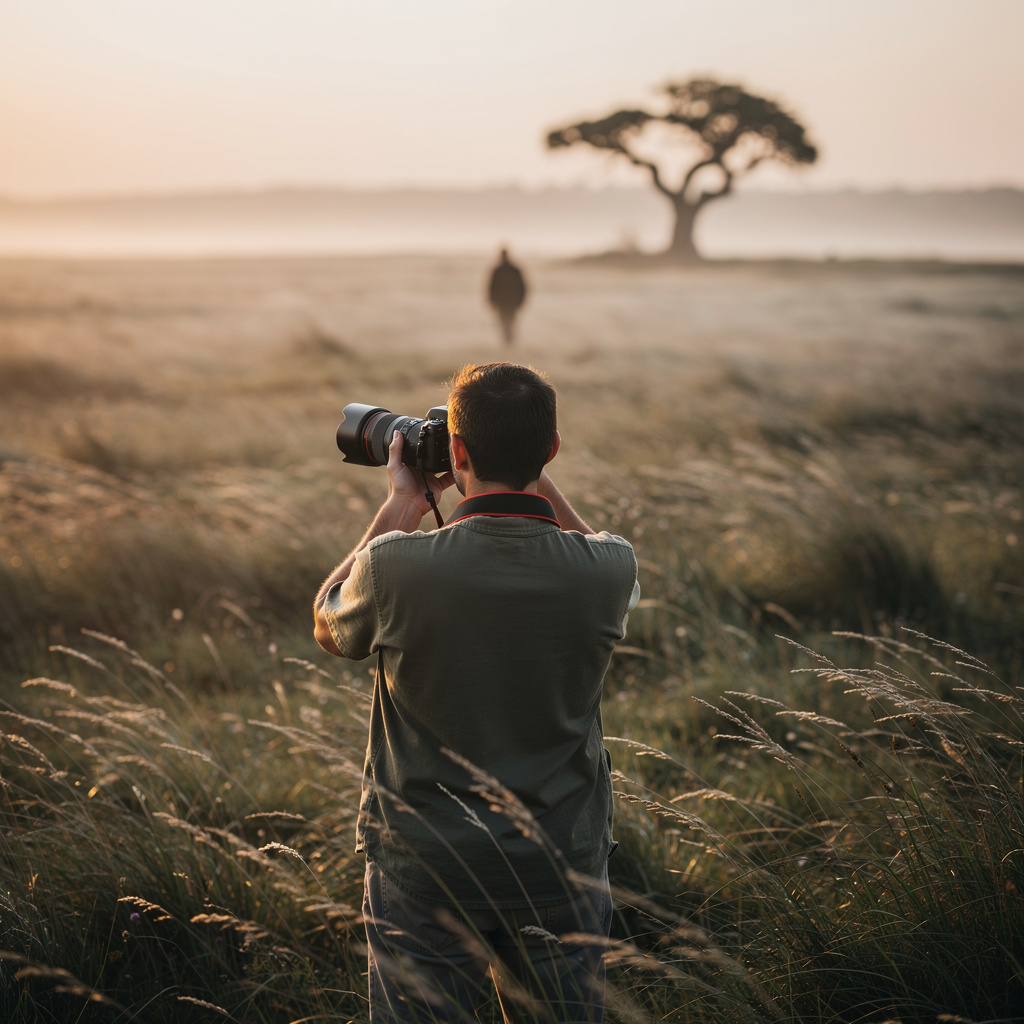
What is Personal Photo Projects?
Personal Photo Projects Training
The Personal Photo Projects certificate program is designed for photographers who want to move beyond random snapshots and build meaningful, long-form visual work. This course guides you through the entire lifecycle of a personal photo project, from finding a subject that genuinely matters to you, through planning, shooting, editing, and finally presenting your work to an audience. It is ideal for amateur and semi-professional photographers, visual artists, and anyone who has a camera and a desire to create a cohesive body of work. By the end of the program, you will have a completed, curated photo project ready to share or exhibit.
The program is structured as a step-by-step progression that welcomes beginners while still offering depth for experienced shooters. Each lesson builds on the previous one, moving from conceptual work like defining your project and researching inspiration, to practical skills like shooting strategies, editing, and post-processing. The curriculum balances theory with hands-on practice across four core skill areas: project conception, technical execution, visual editing, and presentation. With the rise of visual storytelling in social media, independent publishing, and even corporate branding, there has never been a better time to develop a disciplined personal photo practice.
What is Personal Photo Projects?
Personal photo projects are self-directed, long-term photographic endeavors that go beyond single images to explore a theme, subject, or concept in depth. Unlike commercial assignments or casual photography, these projects are driven by the photographer's own curiosity, vision, and emotional connection to the subject matter. Core concepts include project scoping, visual narrative, thematic consistency, and the development of a personal style that distinguishes the work from generic imagery.
In today's saturated visual culture, personal photo projects have become a powerful way for photographers to stand out and build a distinctive portfolio. They are widely used in fine art photography, documentary work, photojournalism, and even in commercial contexts where a unique visual voice is valued. Recent shifts in the industry, such as the growth of self-publishing platforms, online galleries, and social media portfolios, have made it easier than ever for photographers to share long-form work directly with audiences, bypassing traditional gatekeepers.
Mastering the subject of personal photo projects builds a comprehensive skill stack that includes research, planning, technical camera work, editing, curation, and storytelling. These skills are directly transferable to professional contexts such as editorial photography, brand campaigns, and art exhibitions, as well as personal contexts like family documentation and community storytelling. The ability to conceive and execute a sustained visual project is one of the most respected capabilities in photography, and it is what separates serious practitioners from casual shooters.
Common Questions About Personal Photo Projects
How does a Personal Photo Projects certificate boost my CV?
Is the Personal Photo Projects course suitable for beginners?
How does a shot list keep your personal photo project focused?
What is the 3-2-1 backup strategy for organizing photo archives?
Why is editing a separate skill from processing in photography?
How can constraints help you find your subject for a personal project?
Do you need expensive camera gear to start a personal photo project?
What Will This Course Bring You?
- Define a personal photo project by articulating a clear theme, purpose, and scope based on your artistic interests and goals.
- Identify and select a compelling subject for your photo project by evaluating potential themes and personal connections.
- Design a project plan that includes timeline, milestones, and resource allocation to ensure feasible execution.
- Apply research techniques to gather inspiration and contextual knowledge that informs your photographic approach.
- Implement technical preparation strategies, such as camera settings and equipment choices, to match your project's visual requirements.
- Execute shooting strategies that adapt to your subject and environment, capturing a cohesive set of images for your project.
- Evaluate and curate your images by applying criteria for selection and sequencing to build a coherent narrative.
- Develop a post-processing workflow that applies a consistent style to enhance the visual impact of your project.
Curriculum
12 Units1. Defining Personal Photo Projects
1 hour
2. Finding Your Subject
1 hour
3. Project Planning and Scoping
1 hour
4. Research and Inspiration
1 hour
5. Technical Preparation
1 hour
6. Shooting Strategies
1 hour
7. Editing and Curation
1 hour
8. Post-Processing and Style
1 hour
9. Organizing and Archiving
1 hour
10. Presenting and Sharing
1 hour
11. Critique and Iteration
1 hour
12. Sustaining a Practice
1 hour
Exam – Personal Photo Projects
20 Questions • 70% Pass • 30 min
Unlock All Units for Free
Create an account, enroll in the course, and start with the first unit right away.
Exam – Personal Photo Projects
20 Questions • Pass: 70% • 30 min
Course Duration
720
Total Minutes
12
Unit
1
Final Exam
~60
Min / Unit
Personal Photo Projects Certificate Program
Document Your Skill
Those who pass the 20-question, 30-minute exam with 70% receive the Personal Photo Projects Certificate.
Stand Out on Your CV
By adding your certificate to your CV, gain a professional reference in job applications and stand out from the crowd.
Career Advantage
Catch Wisdom certificates are recognized by HR departments and increase career opportunities.
CERTIFICATE FEE
At the end of the course, an online exam consisting of 20 questions with a 30-minute time limit is given. The exam appears automatically after you complete the topics. Anyone who scores at least 70 out of 100 on the certificate exam is awarded the Personal Photo Projects Document (certificate of attendance). You can add the certificate you earn to your CV for job applications in the many sectors listed above, and use it as a reference proving that you took this interactive course.
The Certificate of Achievement you receive with the Personal Photo Projects course program holds value that proves your personal and professional development in the business world. By adding it to your CV, it can serve as an important reference in your job applications. Moreover, compared with certificates from other private training institutions, Catch Wisdom certificates are offered to our participants at a much more affordable price.
Because HR departments recognize Catch Wisdom as a reputable institution in this field, they value these certificates and may evaluate your job applications favorably. For this reason, a Personal Photo Projects course certificate from Catch Wisdom can make your applications more attractive and place you in an advantageous position in the business world.
For more information, we recommend visiting the Support page.
Certificate in 7 Languages
Earning success certificates from our courses is now more meaningful and global. With certificates available in Turkish, English, German, French, Spanish, Arabic, and Russian, we fully unlock the potential of students worldwide.
Why Certificate in 7 Languages?
-
01
Global Skill Development
Receiving your certificates in 7 different languages strengthens your communication skills as you engage with more people worldwide. It lets you operate more confidently and capably on the international stage.
-
02
International Job Opportunities
Employers may see your certificates in multiple languages as a sign of your ability to seize global opportunities. You can open more doors to new jobs and projects.
-
03
Cultural Richness
The chance to earn certificates in different languages helps you build closer ties with various cultures and broadens your worldview. It enriches your global perspective and deepens cultural understanding.
-
04
Ability to Participate in International Projects
Multilingual certificates give you an edge to work more effectively on international projects. They boost your chances of leadership and participation in diverse projects in the business world.
-
05
Prove Yourself on the Global Stage
Certificates in multiple languages let you showcase your skills and knowledge worldwide. You can become an internationally recognized professional.
Language diversity opens worldwide opportunities. If you want to prove yourself in the international arena, join our online Personal Photo Projects course program and begin this journey with us.
Frequently Asked Questions (FAQ)
Is this course paid?
How do I join the course?
Can I take the course at my own pace?
How can I get my certificate?
What are the advantages of the Certified Certificate?
Boost Your Career
Take a new career step with the Personal Photo Projects course. Add your certificate to your CV, stand out in job applications, and open the door to new opportunities in the industry.
StartStudent Reviews
No reviews yet
Enroll in this course and be the first to leave a review about your experience with Personal Photo Projects.
Start
