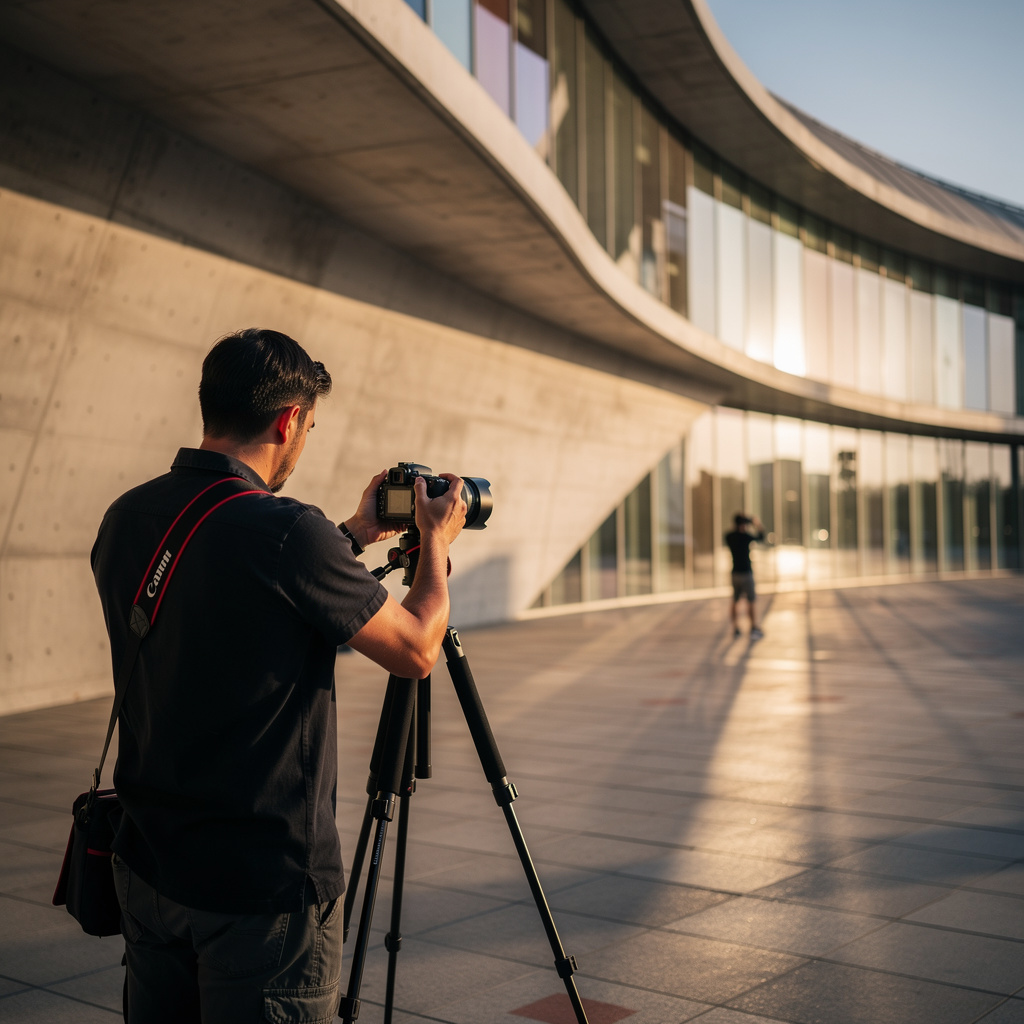
What is Photographic Composition?
Photographic Composition Training
The Photographic Composition certificate program is designed to transform how you see and capture the world through your lens. This course takes you from the foundational visual language of composition through advanced techniques like negative space, depth, and perspective, covering all twelve lessons from the Rule of Thirds to putting it all together. It is ideal for aspiring photographers, content creators, and visual artists who want to move beyond snapshots and create images with intention and impact. By the end, you will have a portfolio-ready understanding of how to arrange every element in your frame to tell a compelling story.
The program is structured as a beginner-friendly progression that balances theory with hands-on practice, building four core skill areas: visual grammar, spatial arrangement, light and color management, and creative point of view. Each lesson builds on the previous one, starting with the visual language of composition and culminating in a comprehensive synthesis of all techniques. This approach ensures that even those new to photography can follow along, while experienced shooters will find fresh perspectives on familiar concepts. With the explosion of visual media across social platforms, advertising, and digital storytelling, mastering composition has never been more relevant — and this program gives you the exact toolkit to stand out.
What is Photographic Composition?
Photographic composition is the deliberate arrangement of visual elements within a frame to create a coherent, engaging, and meaningful image. It encompasses core concepts such as the rule of thirds, leading lines, balance, visual weight, negative space, depth, perspective, framing, color, contrast, light, and shadow — all of which work together to guide the viewer's eye and evoke emotion. At its heart, composition is the visual grammar of photography, the language through which photographers communicate their unique perspective to the world.
In today's image-saturated digital landscape, photographic composition matters more than ever. From social media feeds and e-commerce product photography to editorial journalism and fine art, the ability to compose a striking image is a highly sought-after skill across industries. Recent shifts toward minimalism and authentic visual storytelling have elevated the importance of intentional composition, as audiences increasingly respond to images that feel considered rather than accidental. Whether in advertising campaigns, documentary work, or personal creative projects, strong composition is what separates memorable images from forgettable ones.
Mastering photographic composition builds a versatile skill stack that extends beyond the camera — it sharpens your visual literacy, spatial reasoning, and aesthetic judgment. These competencies are invaluable for photographers, graphic designers, filmmakers, marketers, and anyone who communicates visually in their professional or personal life. By internalizing the principles of composition, you develop an intuitive eye for what makes an image work, enabling you to create photographs that are not only technically sound but emotionally resonant and visually powerful.
Common Questions About Photographic Composition
Will the Photographic Composition certificate boost my photography portfolio?
Is this photographic composition course suitable for complete beginners?
How do leading lines create depth in a flat photograph?
What mistake turns negative space into wasted space?
How does light position change shape into form?
How does a frame within a frame add context to the subject?
Is the rule of thirds a hard law or just a starting point?
What Will This Course Bring You?
- Analyze the visual language of composition to identify how elements like line, shape, and color communicate meaning in a photograph.
- Apply the rule of thirds and alternative grid systems to position key subjects for dynamic balance.
- Evaluate the use of leading lines to direct viewer attention and create depth in a composition.
- Design compositions that utilize shape, form, and pattern to establish visual rhythm and interest.
- Implement strategies for balancing visual weight across the frame to achieve harmony or tension.
- Utilize negative space and minimalist principles to emphasize the subject and evoke emotion.
- Construct depth and perspective through the strategic placement of foreground, middle ground, and background elements.
- Assess the impact of framing and cropping choices on the narrative and focus of a photograph.
Curriculum
12 Units1. The Visual Language of Composition
1 hour
2. The Rule of Thirds and Beyond
1 hour
3. Lines and Leading the Eye
1 hour
4. Shape, Form, and Pattern
1 hour
5. Balance and Visual Weight
1 hour
6. Negative Space and Minimalism
1 hour
7. Depth and Perspective
1 hour
8. Framing and Cropping
1 hour
9. Color and Contrast
1 hour
10. Light and Shadow as Compositional Tools
1 hour
11. Point of View and Angle
1 hour
12. Putting It All Together
1 hour
Exam – Photographic Composition
20 Questions • 70% Pass • 30 min
Unlock All Units for Free
Create an account, enroll in the course, and start with the first unit right away.
Exam – Photographic Composition
20 Questions • Pass: 70% • 30 min
Course Duration
720
Total Minutes
12
Unit
1
Final Exam
~60
Min / Unit
Photographic Composition Certificate Program
Document Your Skill
Those who pass the 20-question, 30-minute exam with 70% receive the Photographic Composition Certificate.
Stand Out on Your CV
By adding your certificate to your CV, gain a professional reference in job applications and stand out from the crowd.
Career Advantage
Catch Wisdom certificates are recognized by HR departments and increase career opportunities.
CERTIFICATE FEE
At the end of the course, an online exam consisting of 20 questions with a 30-minute time limit is given. The exam appears automatically after you complete the topics. Anyone who scores at least 70 out of 100 on the certificate exam is awarded the Photographic Composition Document (certificate of attendance). You can add the certificate you earn to your CV for job applications in the many sectors listed above, and use it as a reference proving that you took this interactive course.
The Certificate of Achievement you receive with the Photographic Composition course program holds value that proves your personal and professional development in the business world. By adding it to your CV, it can serve as an important reference in your job applications. Moreover, compared with certificates from other private training institutions, Catch Wisdom certificates are offered to our participants at a much more affordable price.
Because HR departments recognize Catch Wisdom as a reputable institution in this field, they value these certificates and may evaluate your job applications favorably. For this reason, a Photographic Composition course certificate from Catch Wisdom can make your applications more attractive and place you in an advantageous position in the business world.
For more information, we recommend visiting the Support page.
Certificate in 7 Languages
Earning success certificates from our courses is now more meaningful and global. With certificates available in Turkish, English, German, French, Spanish, Arabic, and Russian, we fully unlock the potential of students worldwide.
Why Certificate in 7 Languages?
-
01
Global Skill Development
Receiving your certificates in 7 different languages strengthens your communication skills as you engage with more people worldwide. It lets you operate more confidently and capably on the international stage.
-
02
International Job Opportunities
Employers may see your certificates in multiple languages as a sign of your ability to seize global opportunities. You can open more doors to new jobs and projects.
-
03
Cultural Richness
The chance to earn certificates in different languages helps you build closer ties with various cultures and broadens your worldview. It enriches your global perspective and deepens cultural understanding.
-
04
Ability to Participate in International Projects
Multilingual certificates give you an edge to work more effectively on international projects. They boost your chances of leadership and participation in diverse projects in the business world.
-
05
Prove Yourself on the Global Stage
Certificates in multiple languages let you showcase your skills and knowledge worldwide. You can become an internationally recognized professional.
Language diversity opens worldwide opportunities. If you want to prove yourself in the international arena, join our online Photographic Composition course program and begin this journey with us.
Frequently Asked Questions (FAQ)
Is this course paid?
How do I join the course?
Can I take the course at my own pace?
How can I get my certificate?
What are the advantages of the Certified Certificate?
Boost Your Career
Take a new career step with the Photographic Composition course. Add your certificate to your CV, stand out in job applications, and open the door to new opportunities in the industry.
StartStudent Reviews
No reviews yet
Enroll in this course and be the first to leave a review about your experience with Photographic Composition.
Start