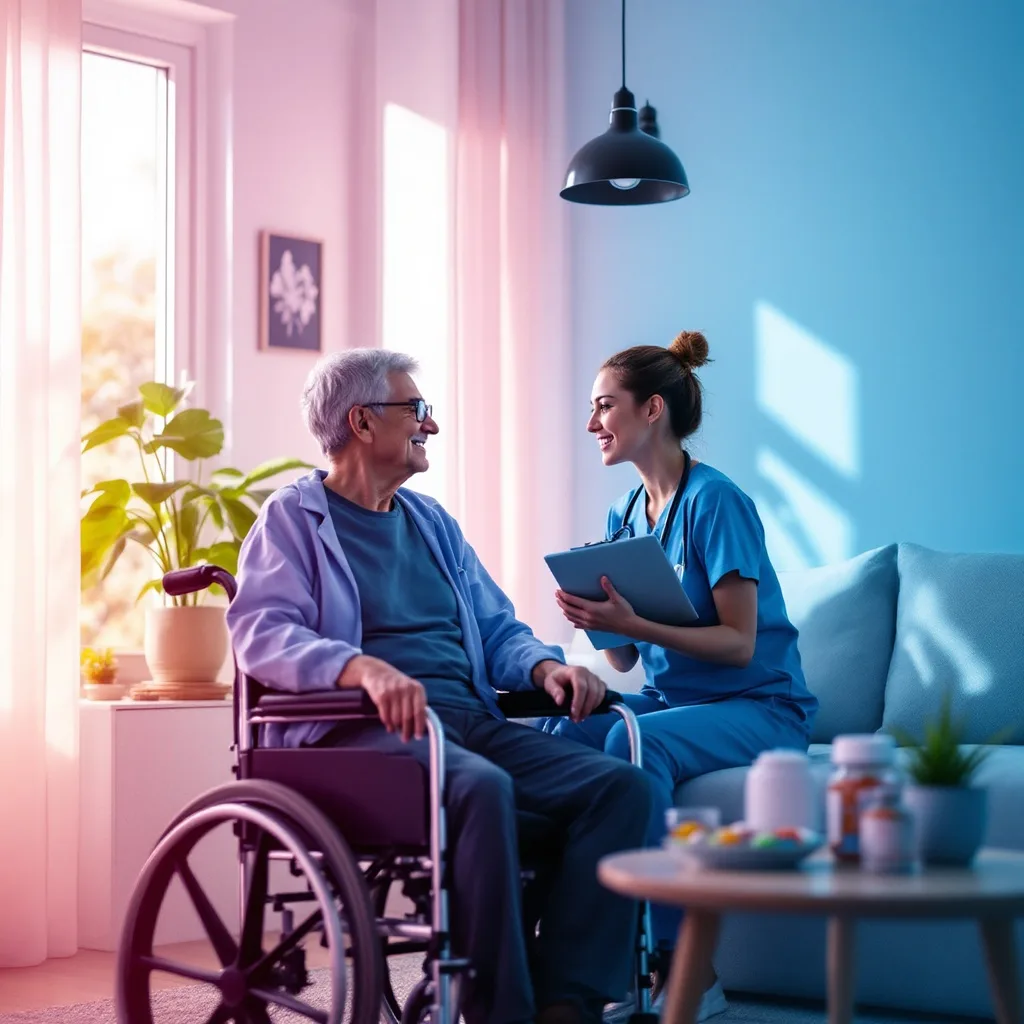
What is Physical and Chronic Illnesses?
Physical and Chronic Illnesses Training
The Physical and Chronic Illnesses certificate program delivers a rigorous, multidisciplinary exploration of long-term health conditions, from cardiovascular and metabolic disorders to cancer, autoimmune diseases, and neurological conditions. Designed for healthcare practitioners, students, public health professionals, and care coordinators, it equips you to understand disease mechanisms, assess psychosocial impacts, and implement effective care strategies. The primary practical outcome is the ability to design holistic, patient-centered interventions that improve quality of life and functional outcomes across diverse clinical and community settings.
Structured for a beginner-friendly yet progressively deep learning journey, the program first grounds you in definitions, epidemiology, and risk factors before advancing through major disease categories, psychological dimensions, pain mechanisms, and self-management. It carefully balances biomedical theory with real-world application, building four core skill areas: pathophysiological knowledge of chronic conditions, psychosocial and pain assessment, patient self-management and rehabilitation design, and healthcare delivery and policy innovation. With chronic illnesses now the leading cause of global morbidity and healthcare spending, this training is essential for anyone seeking to bridge the gap between acute care models and the lifelong, integrated support that modern patients require.
What is Physical and Chronic Illnesses?
Physical and chronic illnesses are health conditions that persist for a year or longer, require ongoing medical attention, and often limit daily activities. This broad field encompasses non-communicable diseases such as diabetes, cardiovascular disease, chronic respiratory disorders, cancer, and autoimmune conditions, as well as certain persistent infections. Its core concepts include disease etiology and progression, the interplay between biological and psychosocial factors, symptom burden, functional decline, and the social determinants that shape health trajectories. Understanding these conditions means examining not only the pathology but also the lived experience of patients and the systems that support them.
The study of physical and chronic illnesses has never been more urgent. Aging populations, sedentary lifestyles, and improved survival from acute events have shifted the global disease burden decisively toward long-term conditions, which now drive the majority of healthcare costs and premature mortality. This reality is reshaping clinical practice, public health strategy, and research, with a growing emphasis on prevention, integrated care, self-management, and palliative approaches introduced alongside curative treatments. Innovations in digital health, genomics, and value-based care models are rapidly changing how we monitor, treat, and support individuals with chronic conditions, making up-to-date knowledge indispensable.
Mastering this subject builds a powerful skill stack that merges clinical reasoning about disease mechanisms with competencies in pain management, psychological support, and rehabilitation planning. These capabilities are directly applicable in roles such as nursing, medicine, physiotherapy, health coaching, social work, and health policy analysis, as well as for individuals managing their own or a family member’s chronic illness. The knowledge fosters a comprehensive, empathetic approach that can transform fragmented care into coordinated, patient-centered journeys, ultimately improving both health outcomes and the human experience of living with long-term conditions.
Common Questions About Physical and Chronic Illnesses
Is this course suitable for beginners with no medical background?
What career benefits does the certificate in chronic illnesses provide?
What is the biopsychosocial model in chronic illness?
- Biological: disease mechanisms, genetics, physiology
- Psychological: emotions, beliefs, coping strategies
- Social: environment, support systems, cultural context
How are DALYs used to measure disease burden?
What is metabolic syndrome and its components?
- Abdominal obesity: excess fat around the waist
- High blood pressure: elevated systolic or diastolic readings
- High blood sugar: insulin resistance or impaired glucose tolerance
- High triglycerides: elevated blood fat levels
- Low HDL cholesterol: reduced "good" cholesterol
How does GOLD staging classify COPD severity?
Is chronic illness only about physical symptoms?
What Will This Course Bring You?
- Distinguish between acute, chronic, and complex physical illnesses by applying classification frameworks to clinical case examples.
- Analyze epidemiological data to identify risk factors and social determinants that influence the prevalence of major chronic diseases.
- Compare the pathophysiological mechanisms of cardiovascular and metabolic conditions to inform evidence-based treatment and prevention strategies.
- Assess the functional and cognitive implications of neurological and musculoskeletal conditions on patients' daily living and occupational performance.
- Design a comprehensive survivorship care plan that addresses the long-term physical, psychological, and social needs of cancer patients.
- Apply psychological assessment tools to identify comorbid mental health conditions in individuals living with chronic physical illnesses.
- Formulate a multimodal pain management plan that integrates pharmacological and non-pharmacological palliative approaches for chronic illness patients.
- Critique existing healthcare policies affecting chronic disease management and propose evidence-based improvements for integrated, patient-centered care delivery.
Curriculum
12 Units1. Defining Physical and Chronic Illnesses
1 h
2. Epidemiology and Risk Factors
1 h
3. Cardiovascular and Metabolic Conditions
1 h
4. Respiratory and Renal Disorders
1 h
5. Neurological and Musculoskeletal Conditions
1 h
6. Cancer as a Chronic Illness
1 h
7. Autoimmune and Inflammatory Disorders
1 h
8. Psychological Dimensions of Chronic Illness
1 h
9. Pain Mechanisms and Palliative Approaches
1 h
10. Self-Management and Rehabilitation
1 h
11. Healthcare Delivery and Policy
1 h
12. Innovations and Future Directions
1 h
Exam – Physical and Chronic Illnesses
20 Questions • 70% Pass • 30 min
Unlock All Units for Free
Create an account, enroll in the course, and start with the first unit right away.
Exam – Physical and Chronic Illnesses
20 Questions • Pass: 70% • 30 min
Course Duration
720
Total Minutes
12
Unit
1
Final Exam
~60
Min / Unit
Physical and Chronic Illnesses Certificate Program
Document Your Skill
Those who pass the 20-question, 30-minute exam with 70% receive the Physical and Chronic Illnesses Certificate.
Stand Out on Your CV
By adding your certificate to your CV, gain a professional reference in job applications and stand out from the crowd.
Career Advantage
Catch Wisdom certificates are recognized by HR departments and increase career opportunities.
CERTIFICATE FEE
At the end of the course, an online exam consisting of 20 questions with a 30-minute time limit is given. The exam appears automatically after you complete the topics. Anyone who scores at least 70 out of 100 on the certificate exam is awarded the Physical and Chronic Illnesses Document (certificate of attendance). You can add the certificate you earn to your CV for job applications in the many sectors listed above, and use it as a reference proving that you took this interactive course.
The Certificate of Achievement you receive with the Physical and Chronic Illnesses course program holds value that proves your personal and professional development in the business world. By adding it to your CV, it can serve as an important reference in your job applications. Moreover, compared with certificates from other private training institutions, Catch Wisdom certificates are offered to our participants at a much more affordable price.
Because HR departments recognize Catch Wisdom as a reputable institution in this field, they value these certificates and may evaluate your job applications favorably. For this reason, a Physical and Chronic Illnesses course certificate from Catch Wisdom can make your applications more attractive and place you in an advantageous position in the business world.
For more information, we recommend visiting the Support page.
Certificate in 7 Languages
Earning success certificates from our courses is now more meaningful and global. With certificates available in Turkish, English, German, French, Spanish, Arabic, and Russian, we fully unlock the potential of students worldwide.
Why Certificate in 7 Languages?
-
01
Global Skill Development
Receiving your certificates in 7 different languages strengthens your communication skills as you engage with more people worldwide. It lets you operate more confidently and capably on the international stage.
-
02
International Job Opportunities
Employers may see your certificates in multiple languages as a sign of your ability to seize global opportunities. You can open more doors to new jobs and projects.
-
03
Cultural Richness
The chance to earn certificates in different languages helps you build closer ties with various cultures and broadens your worldview. It enriches your global perspective and deepens cultural understanding.
-
04
Ability to Participate in International Projects
Multilingual certificates give you an edge to work more effectively on international projects. They boost your chances of leadership and participation in diverse projects in the business world.
-
05
Prove Yourself on the Global Stage
Certificates in multiple languages let you showcase your skills and knowledge worldwide. You can become an internationally recognized professional.
Language diversity opens worldwide opportunities. If you want to prove yourself in the international arena, join our online Physical and Chronic Illnesses course program and begin this journey with us.
Frequently Asked Questions (FAQ)
Is this course paid?
How do I join the course?
Can I take the course at my own pace?
How can I get my certificate?
What are the advantages of the Certified Certificate?
Boost Your Career
Take a new career step with the Physical and Chronic Illnesses course. Add your certificate to your CV, stand out in job applications, and open the door to new opportunities in the industry.
StartStudent Reviews
No reviews yet
Enroll in this course and be the first to leave a review about your experience with Physical and Chronic Illnesses.
Start