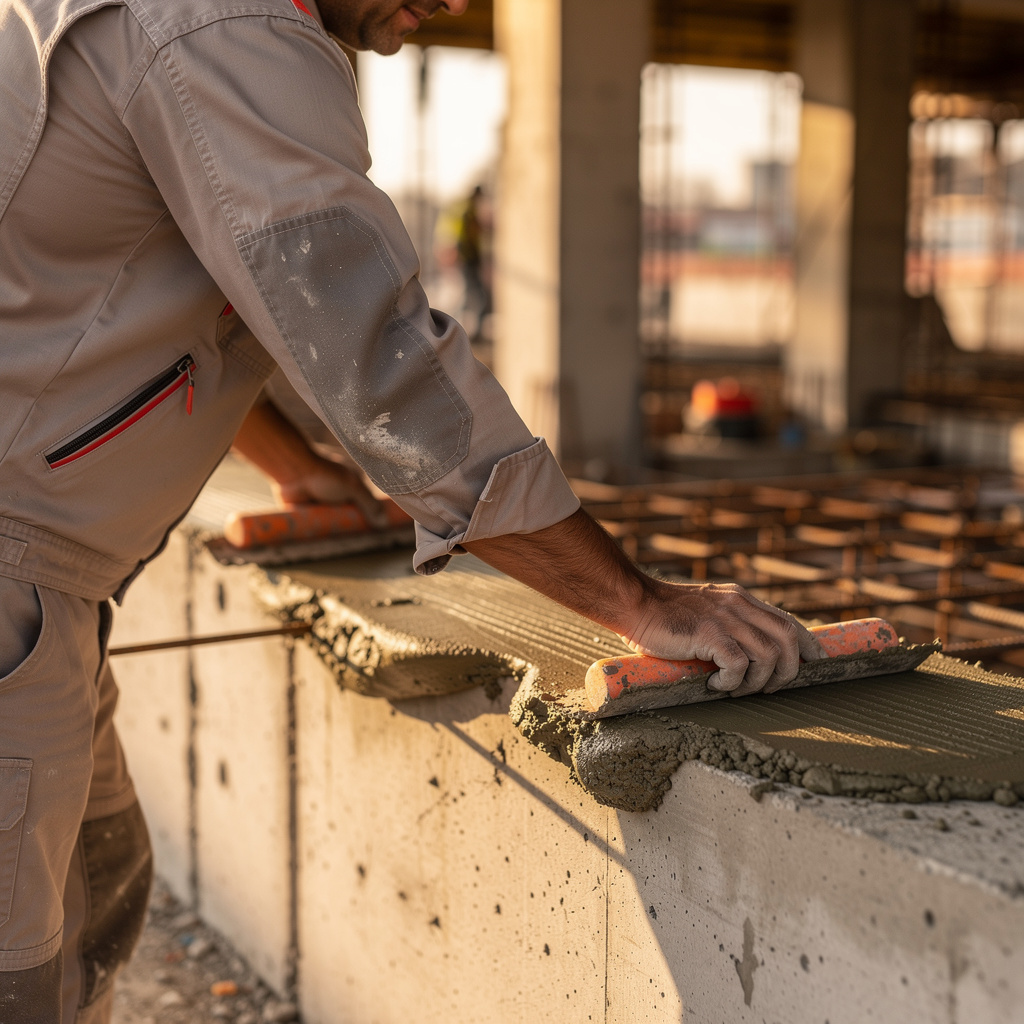
What is Plastering Fundamentals?
Plastering Fundamentals Training Program
Plastering Fundamentals certificate program is a practical introduction to the tools, materials, and techniques required to produce sound, level, and durable plaster surfaces. It covers trade scope and safety language, hand tools and workstation setup, substrate assessment and surface preparation, plaster materials and mix design, mixing and workability, setting out and thickness control, scratch and base coats, floating and leveling, finish coats and simple textures, beads and openings, curing and defect prevention, and inspection and handover. The course is designed for new entrants such as plastering apprentices, site assistants, general builders, and motivated DIY renovators, as well as contractors who want to add or tighten their finishing work. The main practical outcome is the ability to prepare a substrate, mix plaster to a usable consistency, establish thickness and level, apply base and finish coats, and recognize defects before handover.
The program is structured as a beginner-friendly progression, beginning with trade scope, safety, and terminology before moving into tools, equipment, workstation setup, substrates, bonding, and materials. Theory is balanced with workshop-style practice so that mix design, setting behavior, thickness control, and screeding decisions are connected to what happens under the trowel rather than treated as isolated facts. Across the lessons, learners build five core skill areas: safe and organized work practice, surface and bonding readiness, material and mix control, setting out and thickness control, and application, finishing, and defect prevention. This focus makes the program relevant now, when renovation and retrofit work demand reliable adhesion, flat finishes, and fewer callbacks, and when supervisors need plasterers who can judge substrate conditions, manage setting times, and hand over work that passes inspection.
What is Plastering Fundamentals?
Plastering fundamentals is the branch of wet-trade construction concerned with applying and finishing plaster, render, and related coatings to walls, ceilings, and other substrates so that the final surface is stable, level, and fit for its intended use. Its scope begins with reading a substrate—masonry, blockwork, concrete, plasterboard, or existing plaster—and judging suction, contamination, movement, and bond potential before any material is mixed. Core concepts include adhesion and mechanical key, mix proportion and water demand, workability and setting behavior, thickness control through screeds and beads, the sequence from scratch coat to base coat to finish coat, and the relationship between curing, drying, and defects such as cracking, shrinkage, and poor bond. It also covers the detailing that makes a surface usable, including joints, corners, openings, and transitions between materials.
The subject matters today because plaster finishes sit at the visible interface between structure, services, and occupation, and their performance affects appearance, durability, moisture behavior, and maintenance. In housing, commercial fit-out, refurbishment, and heritage repair, plastering fundamentals guide decisions about whether to repair or replace, which backing coat is compatible with an existing substrate, and how to sequence work so that drying and curing are not compromised by later trades. Recent shifts toward lightweight and moisture-resistant plasters, bagged factory mixes, machine mixing and spraying, and tighter inspection regimes have raised the value of operatives who understand material behavior rather than relying only on habit. At the same time, faster programmes and stricter handover standards make poor adhesion, hollow spots, and uncontrolled cracking more costly to remedy after occupation.
Mastering this subject builds a connected skill stack: substrate diagnosis, material selection, mix calibration, tool control, thickness and level control, finishing judgment, defect recognition, and clear communication at inspection and handover. These skills are useful in professional contexts such as plastering crews, general building firms, refurbishment projects, site supervision, and quality control, where a finisher must explain why a surface is or is not ready for the next stage. They also support personal renovation work, because a sound understanding of bond, suction, mix consistency, and curing reduces waste and makes repair decisions more realistic. The subject therefore bridges practical craft knowledge with the technical reasoning needed to produce reliable finishes and to diagnose problems before they are hidden beneath paint or cladding.
What Will This Course Bring You?
- Apply workplace safety procedures and correct plastering terminology when organizing a plastering workstation and selecting hand tools for specific tasks.
- Evaluate substrate conditions and implement surface preparation and bonding techniques to ensure proper adhesion for plaster application.
- Select appropriate plaster materials and calculate mix proportions to achieve specified workability and setting behavior for different substrate conditions.
- Set out thickness control and install screeds to establish accurate levels for scratch coats and base coat application.
- Demonstrate floating, screeding, and leveling techniques to produce flat, consistent base surfaces ready for finish coats.
- Apply finish coats with troweling and simple texture techniques, and install beads at joints, corners, and openings.
- Implement curing and drying procedures and diagnose common defects to perform inspection, repair, and handover of plastered surfaces.
Curriculum
12 Units1. Trade Scope, Safety, and Terminology
1 hour
2. Hand Tools, Equipment, and Workstation Setup
1 hour
3. Substrates, Surface Preparation, and Bonding
1 hour
4. Plaster Materials and Mix Design
1 hour
5. Mixing, Workability, and Setting Behavior
1 hour
6. Setting Out, Thickness Control, and Screeds
1 hour
7. Scratch Coats and Base Coat Application
1 hour
8. Floating, Screeding, and Leveling
1 hour
9. Finish Coats, Troweling, and Simple Textures
1 hour
10. Beads, Joints, Corners, and Openings
1 hour
11. Curing, Drying, and Defect Prevention
1 hour
12. Inspection, Repair, and Handover
1 hour
Exam – Plastering Fundamentals
20 Questions • 70% Pass • 30 min
Unlock All Units for Free
Create an account, enroll in the course, and start with the first unit right away.
Exam – Plastering Fundamentals
20 Questions • Pass: 70% • 30 min
Course Duration
720
Total Minutes
12
Unit
1
Final Exam
~60
Min / Unit
Plastering Fundamentals Certificate Program
Document Your Skill
Those who pass the 20-question, 30-minute exam with 70% receive the Plastering Fundamentals Certificate.
Stand Out on Your CV
By adding your certificate to your CV, gain a professional reference in job applications and stand out from the crowd.
Career Advantage
With the verification code, employers can check your certificate instantly — a concrete way to show your growth.
CERTIFICATE FEE
At the end of the course, an online exam consisting of 20 questions with a 30-minute time limit is given. The exam appears automatically after you complete the topics. Anyone who scores at least 70 out of 100 on the certificate exam is awarded the Plastering Fundamentals Document (certificate of attendance). You can add the certificate you earn to your CV for job applications in the many sectors listed above, and use it as a reference proving that you took this interactive course.
The Certificate of Achievement you receive with the Plastering Fundamentals course program holds value that proves your personal and professional development in the business world. By adding it to your CV, it can serve as an important reference in your job applications. Moreover, compared with certificates from other private training institutions, Catch Wisdom certificates are offered to our participants at a much more affordable price.
The Plastering Fundamentals course certificate is a document that proves, with a unique verification code, that you completed the course. Employers can instantly check its authenticity with this code, which helps you show your development concretely in your job applications.
For more information, we recommend visiting the Support page.
Certificate in 7 Languages
Earning success certificates from our courses is now more meaningful and global. With certificates available in Turkish, English, German, French, Spanish, Arabic, and Russian, we fully unlock the potential of students worldwide.
Why Certificate in 7 Languages?
-
01
Global Skill Development
Receiving your certificates in 7 different languages strengthens your communication skills as you engage with more people worldwide. It lets you operate more confidently and capably on the international stage.
-
02
International Job Opportunities
Employers may see your certificates in multiple languages as a sign of your ability to seize global opportunities. You can open more doors to new jobs and projects.
-
03
Cultural Richness
The chance to earn certificates in different languages helps you build closer ties with various cultures and broadens your worldview. It enriches your global perspective and deepens cultural understanding.
-
04
Ability to Participate in International Projects
Multilingual certificates give you an edge to work more effectively on international projects. They boost your chances of leadership and participation in diverse projects in the business world.
-
05
Prove Yourself on the Global Stage
Certificates in multiple languages give you the opportunity to present your skills and knowledge worldwide.
Language diversity opens worldwide opportunities. If you want to prove yourself in the international arena, join our online Plastering Fundamentals course program and begin this journey with us.
Frequently Asked Questions (FAQ)
Is this course paid?
How do I join the course?
Can I take the course at my own pace?
How can I get my certificate?
What are the advantages of the certificate?
Boost Your Career
Take a new career step with the Plastering Fundamentals course. Add your certificate to your CV, stand out in job applications, and open the door to new opportunities in the industry.
StartStudent Reviews
No reviews yet
Enroll in this course and be the first to leave a review about your experience with Plastering Fundamentals.
Start